The Decade Rule
How 40 Years of Wildlife Trade Created a Pathogen Time Bomb
The allure of the exotic is often purely aesthetic—the striking, ink-blot patterns of a serval cat or the bushy, vibrant tail of a rare squirrel. We view these creatures as high-status companions or curiosities of the natural world, isolated from our own biological reality. Yet, behind the tufted ears and sleek fur of a wild pet lies a hidden cargo of microscopic hitchhikers.
A landmark 40-year audit by Gippet et al. (2026) reveals that our fascination with exotic wildlife has created a massive, cumulative public health liability. This study of over 6,000 mammal species demonstrates that the "cost" of the wildlife trade is far higher than the price tag in a market. By bringing wild animals into our homes and logistics chains, we are inadvertently mapping their disease landscapes onto our own.
The risks are not theoretical; they are already embedded in our recent history. From the emergence of HIV to the 2014 Ebola epidemic and the global upheaval of COVID-19, the wildlife trade acts as a primary bridge for pathogens. This 40-year data set provides a definitive look at how we have systematically engineered a pathogen time bomb, one decade at a time.
The 1.5x Reality Check: Why "Traded" Means "Zoonotic"
The Gippet et al. study provides a stark contrast: 41% of traded mammal species share at least one pathogen with humans, compared to a mere 6.4% of non-traded species. This data confirms that any mammal entering the trade network is roughly 1.5 times more likely to be a zoonotic host. This isn't because wild animals are inherently "dirty," but because we have created the perfect interface for transmission.
This heightened risk is a direct result of the frequency and intensity of human-animal contact. Consider the Finlayson’s squirrel, a popular sight in Laotian markets; research shows a buyer has an 83% chance of purchasing an individual infected with leptospirosis. By pulling species out of remote ecosystems and into the "warehousing" phase of trade, we are forcing pathogens to find new ways to survive—often by jumping to us.
In this context, trade functions as a biological selector. We are not just moving animals; we are bridge-building for diseases that would otherwise remain sequestered in the wild. This "1.5x reality" suggests that zoonotic risk is an inherent, inseparable feature of the global wildlife market.
The 10-Year Rule: Pathogens as a Function of Time
The most unsettling discovery of the study is the "Decade Rule," which reveals that zoonotic risk is a cumulative function of time. Researchers found that for every 10 years a wild mammal remains in the global trade network, it shares an average of one additional pathogen with humans. This temporal accumulation means that long-traded species become increasingly dangerous the longer we interact with them.
"Time in trade is a key predictor of zoonotic pathogen richness."
This phenomenon mirrors the deep history of human domestication. Just as we acquired a suite of diseases from livestock over millennia, we are now "mapping" wildlife pathogens onto the human population through sustained, close physical contact. The Decade Rule suggests that spillover is not a one-time accident, but a mathematical inevitability driven by the duration of our exposure.
The longer a species like the serval remains a fixture of the exotic pet trade, the more opportunities we create for "spillover" and "reverse zoonosis." This ongoing interaction allows the pathogen landscape to evolve, turning these animals into biological reservoirs. Every decade of trade essentially adds a new chapter to the list of potential human diseases.
Beyond the Legal Label: The Hidden Risk of Live Markets and Illegal Channels
The risk profiles of trade vary significantly depending on the channel, yet no sector is truly safe. Species traded live are 1.34-fold as likely to share pathogens with humans compared to those traded as products like hides or bones. However, even products carry risks; anthrax infections have been traced back to drums made from wild animal hides traded among musicians.
Illegal trade channels further amplify the danger, hosting 1.4-fold more pathogens on average—a measurement of "pathogen richness" rather than just the probability of a single jump. These illegal routes completely bypass the hygiene protocols and veterinary inspections that might catch an outbreak before it starts. History proves this: the 2003 mpox outbreak in North America was directly linked to the trade of exotic prairie dogs.
Crucially, the study demonstrates that the legal label is not a guarantee of biosafety. While illegal trade is quantitatively riskier, the potential for pathogen sharing is an inherent consequence of the trade itself. Whether legal or illegal, the trade creates a high-risk interface that defies simple regulation or "cleaning."
The Serval in the Room: The Wild Cat Trade Paradox
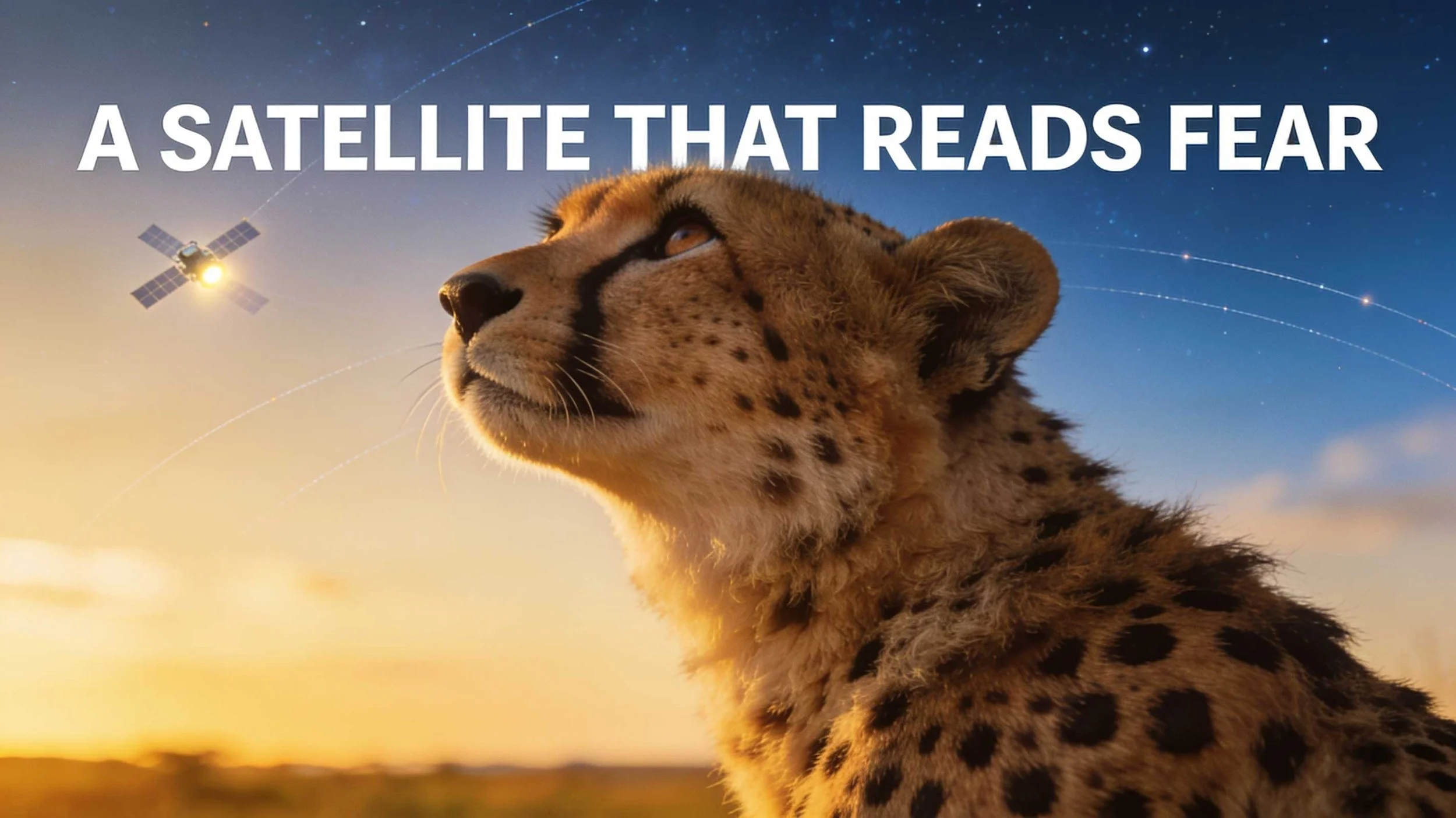
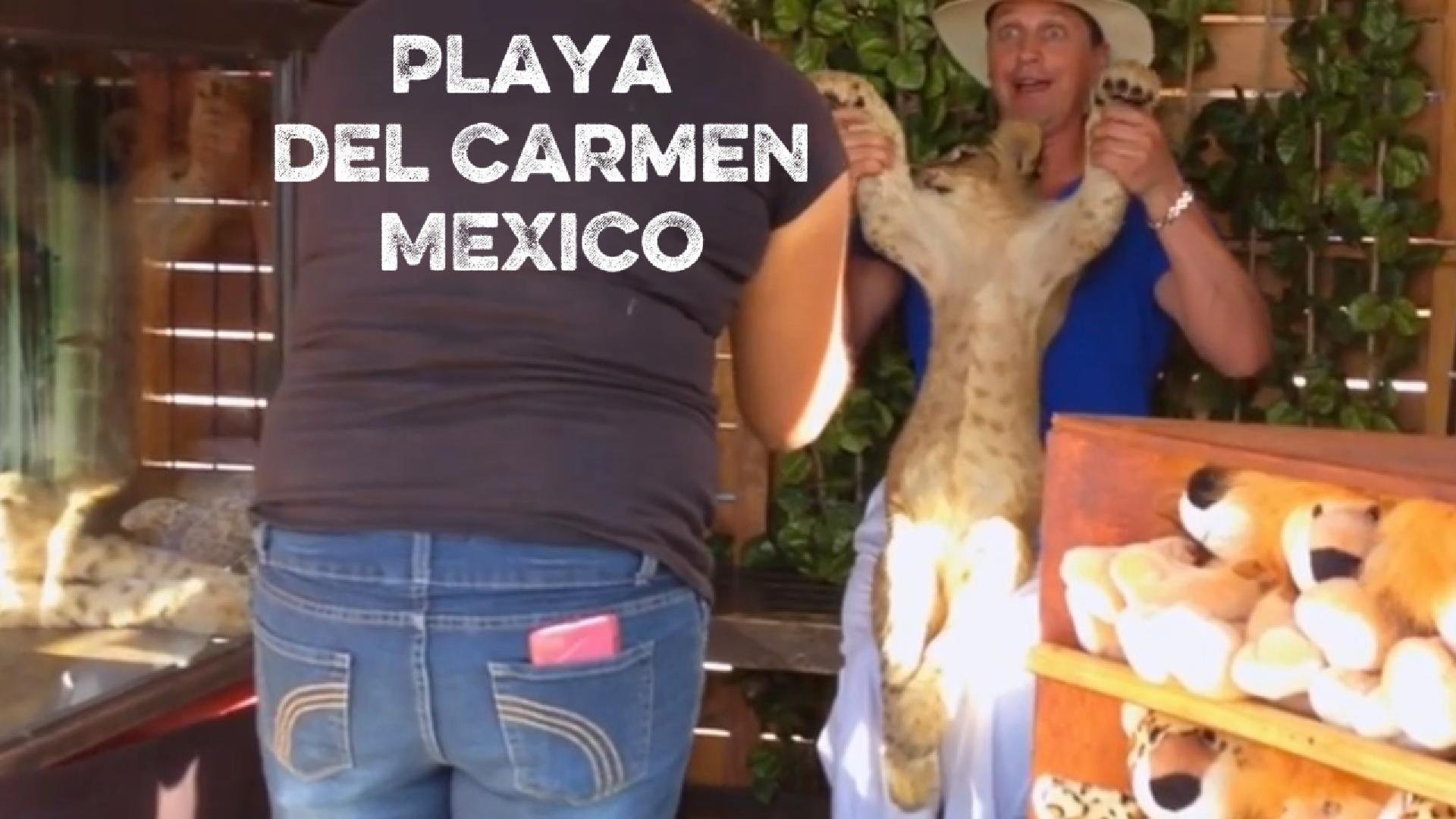
The exotic pet industry, particularly the trade in wild cats like the serval, exemplifies the intimacy at the heart of the Decade Rule. Owners often view these cats as "clean" or "high-status" companions, ignoring the biological reality of keeping a wild predator in their living room. This close-quarters interaction is exactly what drives the cumulative pathogen exchange the Gippet study identifies.
These animals are often cuddled and handled, creating a high-contact interface that facilitates cross-species transmission. Recent Salmonella hospitalizations linked to bearded dragons prove that even "aesthetic" pets are potent vectors for disease. The intimacy of the home environment accelerates the mapping of pathogens between species, turning a "status symbol" into a public health risk.
The serval serves as the emotional anchor of this paradox: a beautiful animal whose trade history makes it a ticking biological clock. While the animal remains a "clean" pet in the owner's eyes, the 40-year data suggests it is part of a growing reservoir of shared diseases. We are trading long-term public safety for the temporary aesthetic pleasure of an exotic companion.
The "Research Effort" Mirage: Do We Only Find What We Look For?
Skeptics often argue that we find more pathogens in traded animals simply because we study them more. The Gippet et al. study accounted for this "research effort" bias directly, using complex mathematical models to control for scientific scrutiny. Even after adjusting for how often a species is studied, trade remained the dominant predictor of pathogen sharing.
This indicates that the pathogens are not just being "discovered" by scientists; they are being actively introduced into the human sphere by the trade routes we create. Our trade networks are essentially acting as the primary surveyors of the microbial world, bringing new threats to our doorstep. We are not just finding more diseases—we are creating the conditions for them to find us.
The knowledge we gain about these diseases is being mapped in real-time by our commerce. This confirms that the wildlife trade is not just a threat to the animals involved, but a primary engine for human disease emergence. The data is clear: trade, more than geography or biology, is the strongest predictor of our next epidemic.
Conclusion: A Forward-Looking Audit
The cumulative data from the last four decades demands a fundamental shift in how we manage global wildlife commerce. CITES, the primary body overseeing this trade, must evolve from a mission of merely "preventing extinction" to one of "preventing pandemics." This requires a radical new focus on biosurveillance and a reduction in the total volume of the wildlife trade.
Biosurveillance must move from the fringe to the core of international trade regulations to identify high-risk species before they trigger a global crisis. Reducing the scale of this trade is no longer just an environmental goal; it is a prerequisite for global health security. The Decade Rule shows us that every year we wait, the biological risk only grows more complex.
We must finally confront the fundamental question at the heart of the exotic market: is the "aesthetic" of owning a wild cat or a rare squirrel worth the cumulative biological risk we are building? The 40-year audit suggests that the price of our curiosity is a pathogen time bomb, and the clock is ticking faster with every passing decade.