Poisoning
Beyond the Roar: 5 Surprising Realities of Protecting Exotic Cats from Their Own Curiosity
The Hook: The "Forever Toddler" Paradox
In the wild, exotic felines are the ultimate predators—calculated, efficient, and formidable. However, in a sanctuary environment, these powerful creatures present a startling clinical paradox. Despite their physical maturity and sharp predatory instincts, exotic cats remain mentally equivalent to human toddlers throughout their entire lives.
This "forever toddler" state means that their natural curiosity is never tempered by the wisdom of age or the caution of self-preservation. They explore their world primarily through their mouths, and in a captive or semi-captive setting, this behavior turns the environment into a potential medical minefield. Protecting an exotic cat requires more than just high-strength fencing; it requires a constant, high-stakes battle against the animal’s own inquisitive nature.
The Irony of the Ailing Serval
One of the most striking examples of how curiosity overrides biological survival is seen in the behavior of ill felines. In one documented case, a Serval suffering from terminal cancer required seven months of diligent, stressful force-feeding. The animal resisted every attempt to provide it with high-quality, wholesome nutrition, making every single meal an all-out battle for survival.
However, that same cat, who seemingly had no appetite for life-sustaining food, discovered a bottle of flea dip left momentarily in a kitchen area. Despite the repellent chemical odor, the Serval chewed the plastic bottle in half and consumed a lethal amount of the contents.
"Exotic cats are like two-year-old children their entire lives. Everything they see will end up in their mouths and a lot of it won't be good."
This incident highlights a critical reality for caretakers: curiosity in exotic felines is a drive so powerful it can override even the extreme lethargy and lack of appetite associated with terminal illness.
When "Getting it Up" is a Lethal Mistake
While the immediate instinct in a poisoning emergency is to induce vomiting, doing so can frequently prove fatal. For exotic cats, the chemical composition of the toxin dictates the method of removal. If a substance is corrosive or easily aspirated, forcing it back up the esophagus causes a "secondary burn" or lung damage that is often more lethal than the original ingestion.
Do NOT induce vomiting if:
Time has passed: More than two hours have elapsed since ingestion.
Altered mental state: The cat is comatose or near-comatose.
Petroleum products: The cat swallowed gasoline, kerosene, or turpentine.
Tranquilizers: The cat has overdosed on sedative medications.
Physical hazards: The cat has swallowed a sharp object.
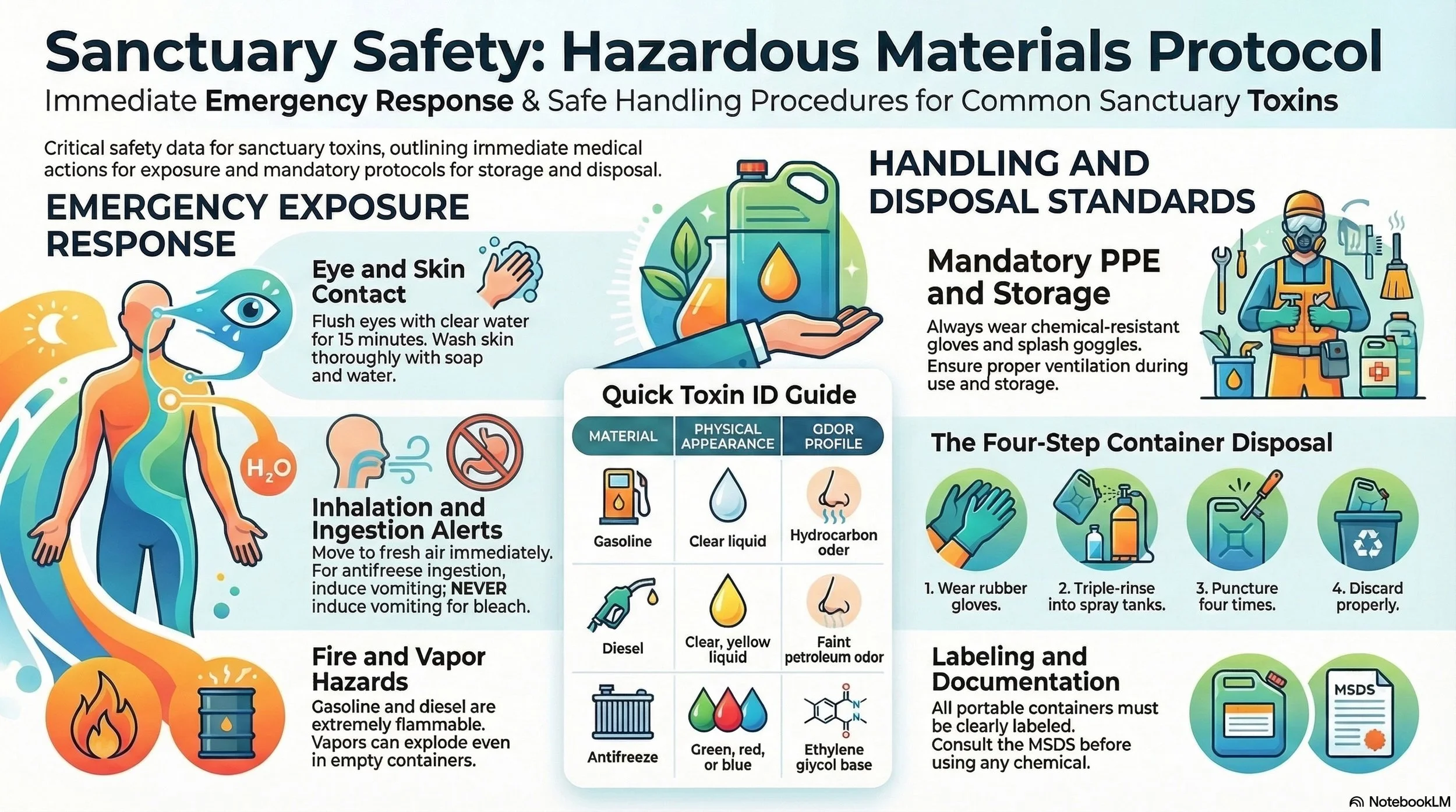
Corrosive agents: The cat has ingested acids, alkalis, solvents, or cleaning agents.
In these high-stakes scenarios, the protocol shifts to neutralization. If an acid is swallowed, rinse the mouth and provide Milk of Magnesia (one teaspoon per five pounds of body weight). If an alkali (like lye) is ingested, mix one part vinegar or lemon juice to four parts water and administer orally. For petroleum or turpentine, give one ounce of cooking oil followed 30 minutes later by Milk of Magnesia. In petroleum cases, be prepared to administer artificial respiration if the cat’s breathing becomes labored or stops.
The Invisible Threat of the "Second-Hand" Kill
Poisoning often occurs indirectly, making it a persistent "invisible" threat. Because exotic cats are opportunistic hunters, they will unhesitatingly consume vermin or insects that have already ingested poison. This "second-hand" poisoning is a frequent cause of sanctuary emergencies.
Caretakers must be hyper-aware of rodenticides and insecticides, including:
Strychnine, Warfarin, and Decon
Sodium Fluroacetate (1080) and Pindone
Metaldehyde, Phosphorus, Arsenic, and Zinc Phosphide
Dermal toxins (absorbed through skin or licking fur): Malathion, Sevin dust, Ectoral, Lindane, and Chlordane
Because these various toxins often share a common clinical profile, caretakers must watch for a specific cluster of emergency symptoms: hyperactivity, staggering, heavy breathing, tremors, seizures, diarrhea, and eventual collapse. Whether the cat licks a sweet-tasting puddle of antifreeze or eats a poisoned rat, the physiological window for intervention is dangerously narrow.
The 15-Minute Death Clock: The Bufo Toad
The Bufo Marinus (Cane Toad) represents one of the most acute threats in a sanctuary setting. There are 12 species of these toads worldwide, and they prefer dark, damp areas—the exact spots where cats seek shade to cool off. The secretions of the Bufo toad are not only toxic but highly corrosive.
The stakes are absolute: an exotic cat can die within 15 minutes of tasting one of these toads. We once had a Bengal cat survive an encounter with the Florida species, but he nearly lost his tongue to the corrosive nature of the toad's secretions.
The Toad Protocol:
Flush: Use a garden hose or kitchen sprayer to flush the mouth thoroughly. Direct the water forward to ensure the cat does not drown.
Induce Vomiting: Move immediately to empty the stomach.
Monitor: Be prepared to administer artificial respiration on the way to the veterinarian, as respiratory failure can occur rapidly.
The Sanctuary "First Aid" Arsenal
When a toxin is ingested and vomiting is permissible, survival becomes a race against the cat's metabolism. The goal is to evacuate the stomach and then neutralize any remaining traces before they reach the liver or kidneys.
The Clinical Response Protocol:
Evacuation: Administer 3cc of Hydrogen Peroxide (3%) orally every ten minutes (up to three doses), or place 1/4 teaspoon of salt on the back of the tongue. Crucial Nuance: Hold the mouth shut for a few seconds after administration to ensure the dose is swallowed before standing back.
Delay Absorption: Mix 5 grams of activated charcoal with 20cc of water. Administer one teaspoon per two pounds of body weight. This binds to the toxins in the GI tract.
Neutralization: Exactly 30 minutes after the charcoal, give one teaspoon of Milk of Magnesia for every five pounds of body weight to move the remaining material through the system.
If medical supplies are unavailable, use milk or vegetable oil to coat the stomach, followed by a warm water enema. These are temporary measures—a bridge to keep the animal alive until it reaches professional veterinary care.
Conclusion: The High Cost of Vigilance
Managing an exotic cat sanctuary is a lesson in constant, clinical awareness. The rewards of providing a home for these majestic animals are immense, but they are matched by the heavy responsibility of protecting them from a world they are not equipped to navigate. The ultimate goal for any specialist is a "zero-incident" environment, achieved only through rigorous planning and environmental control.
Proper prevention is a small price to pay to ensure these "forever toddlers" reach a safe and healthy future. The question for every caretaker remains: Is your environment as secure as their curiosity is relentless?
--------------------------------------------------------------------------------
Disclaimer: The author of this article is not a veterinarian. If an exotic cat is suspected of being poisoned, you must consult a licensed veterinarian immediately. The protocols mentioned herein are emergency measures and do not replace professional medical intervention.



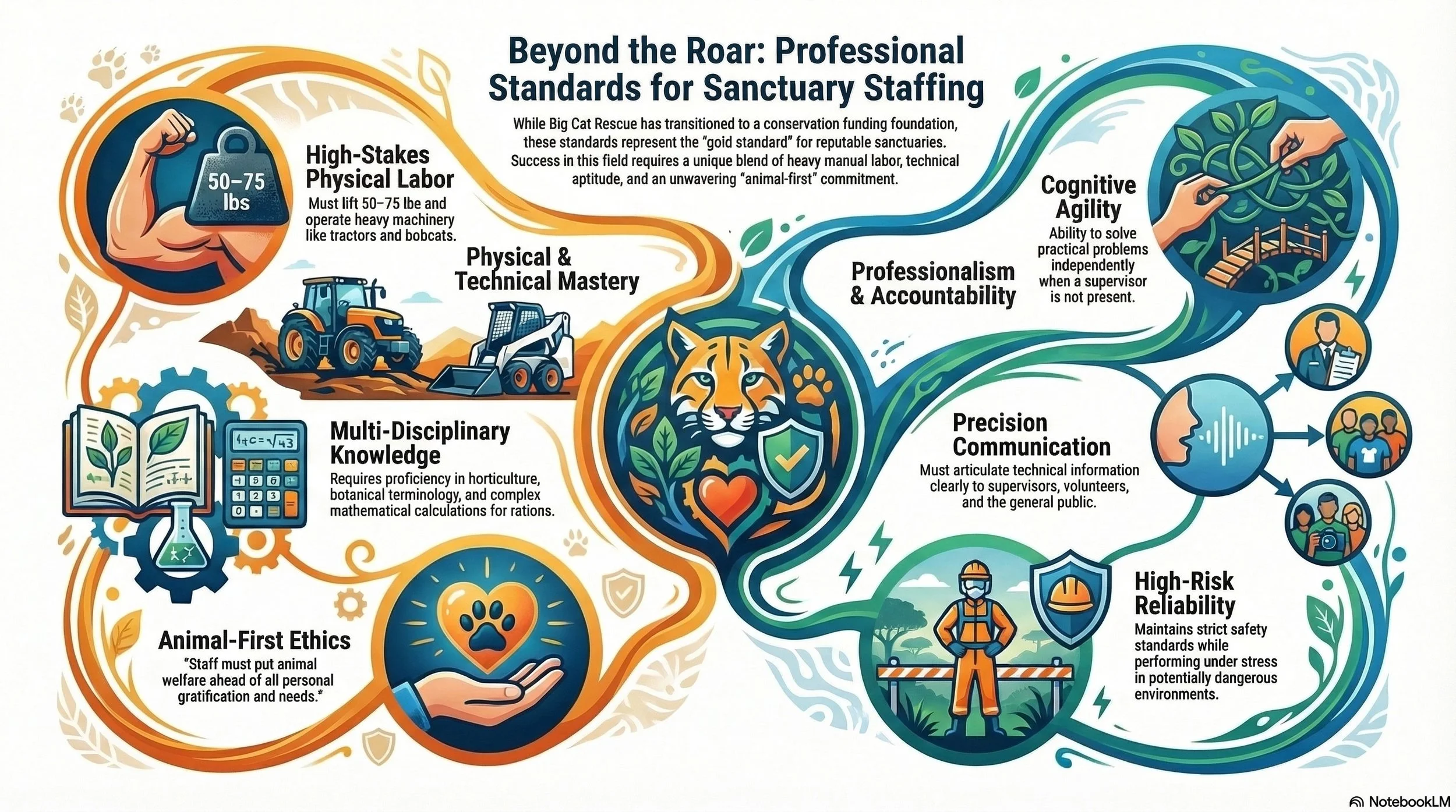

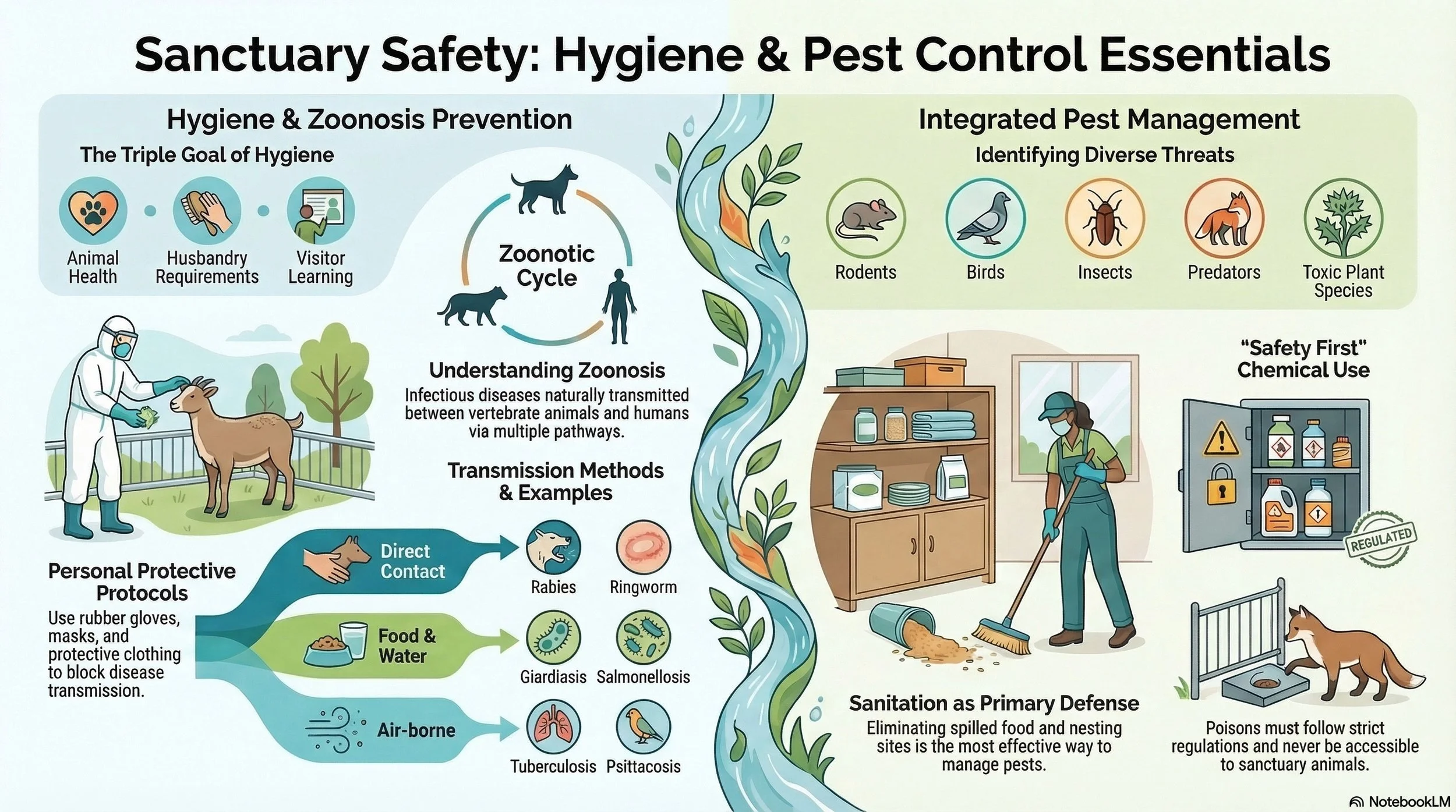
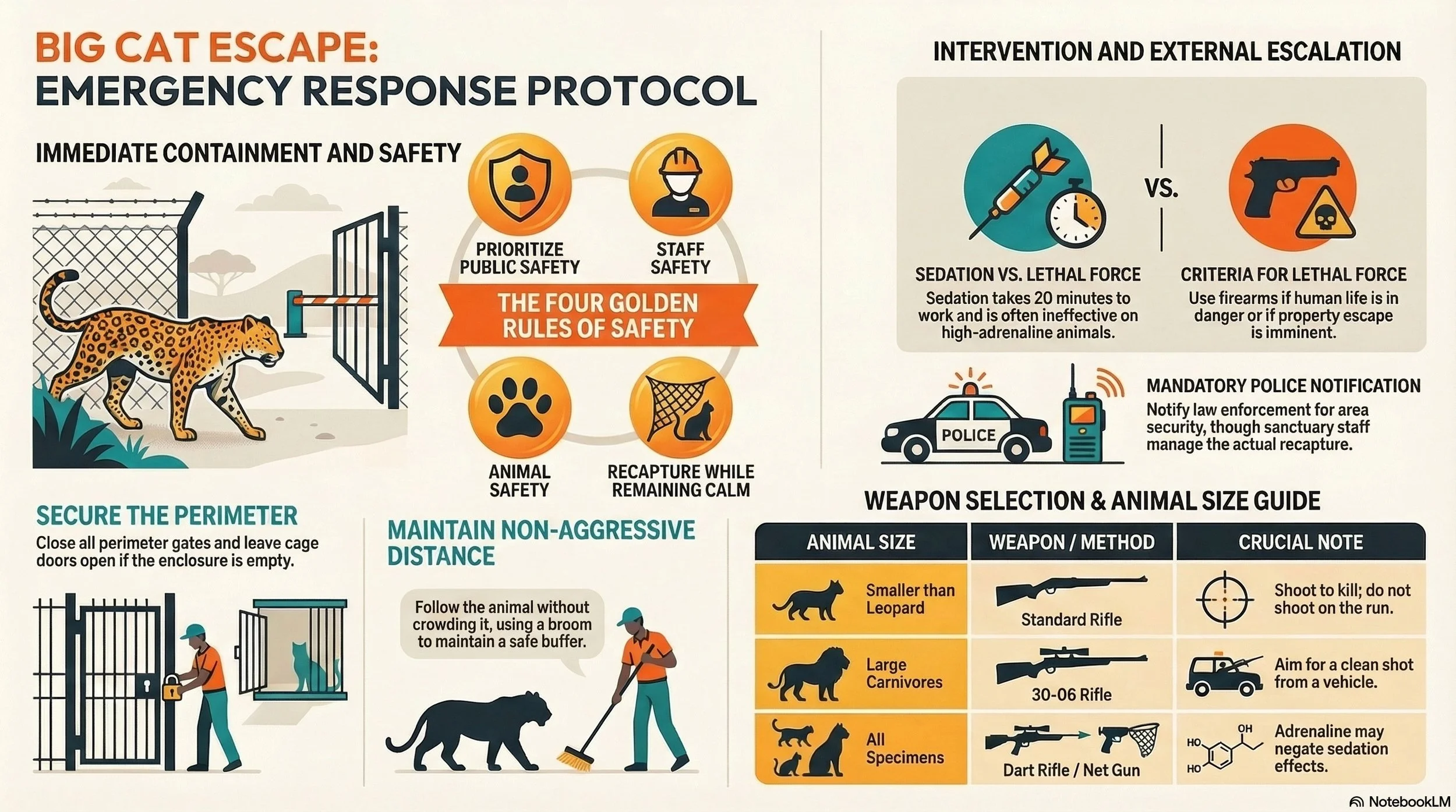
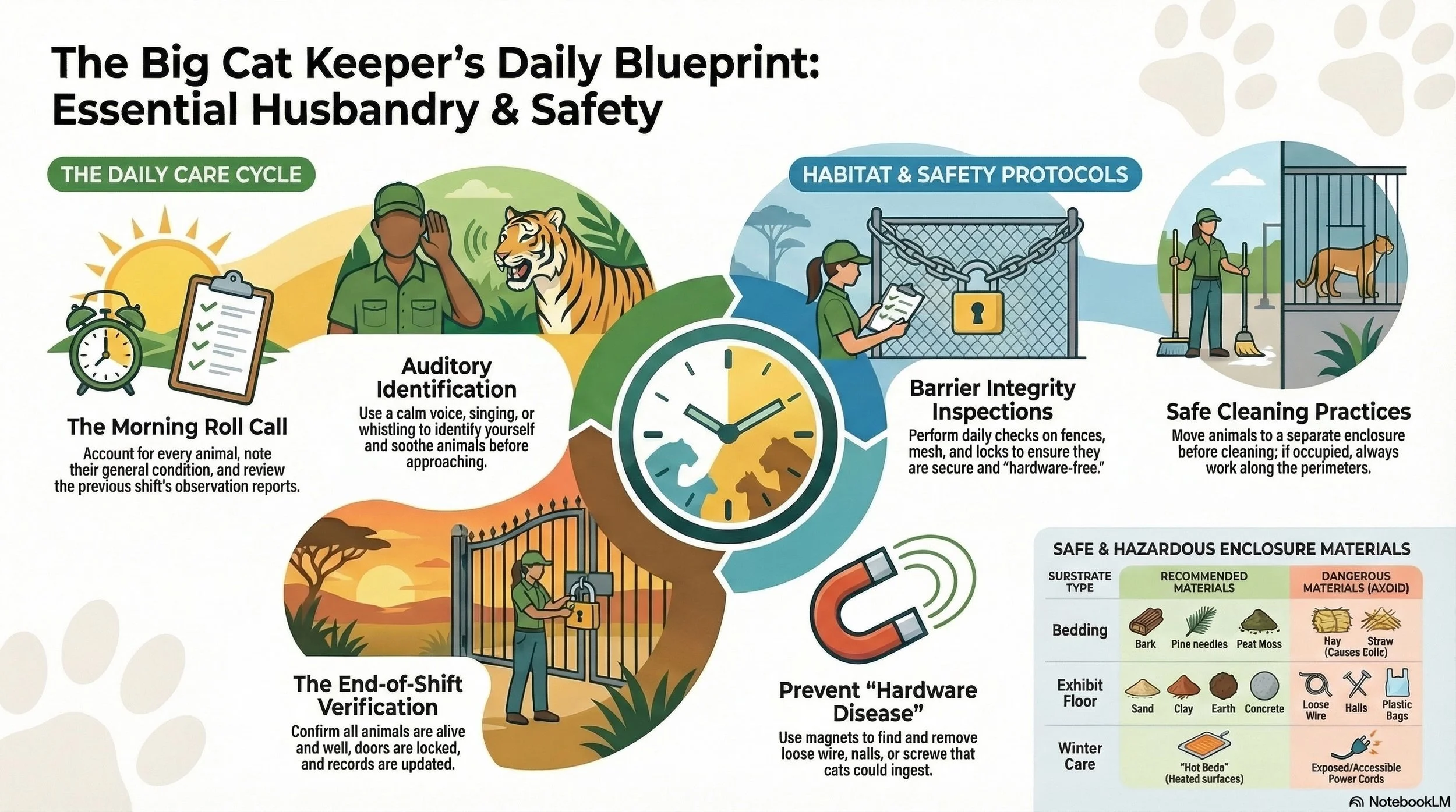
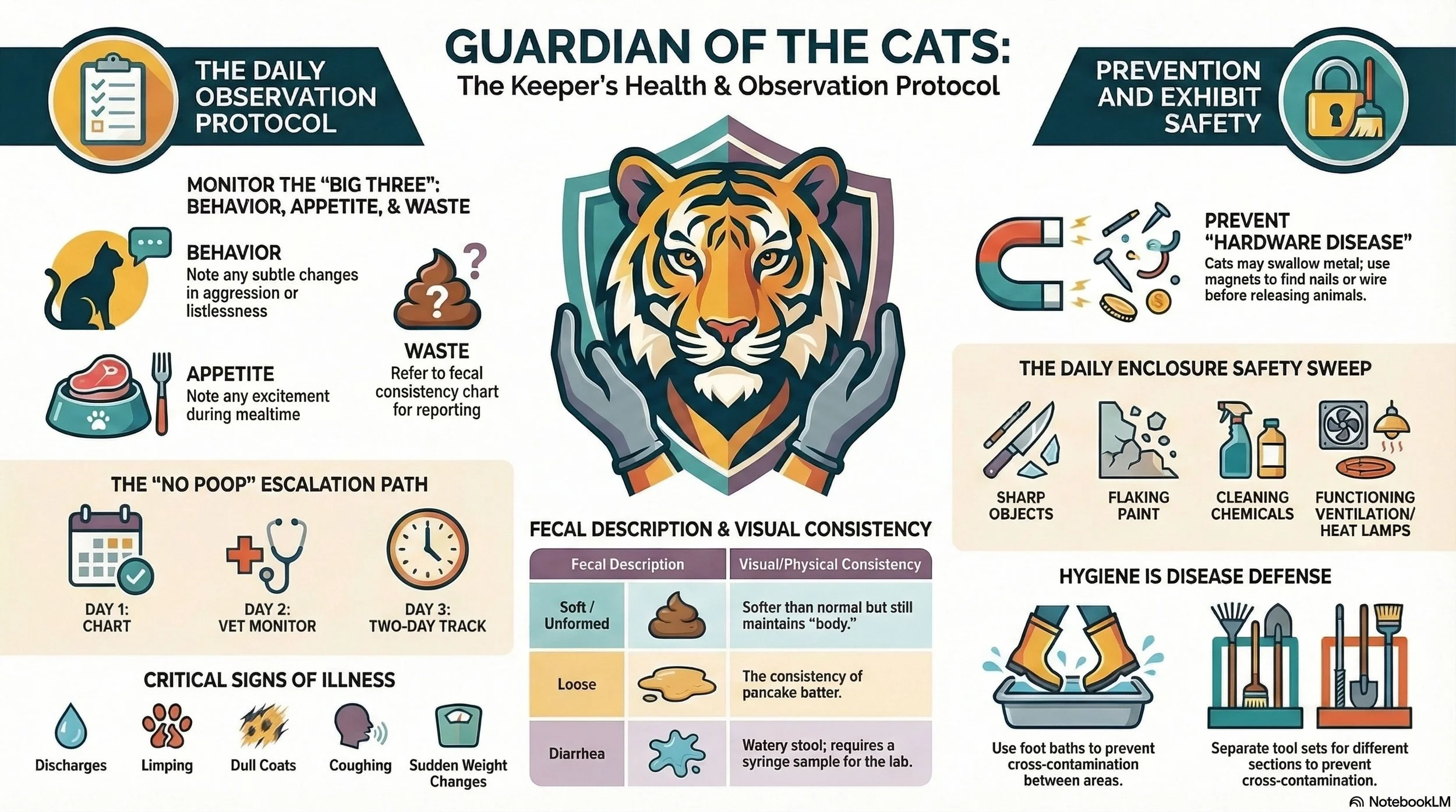

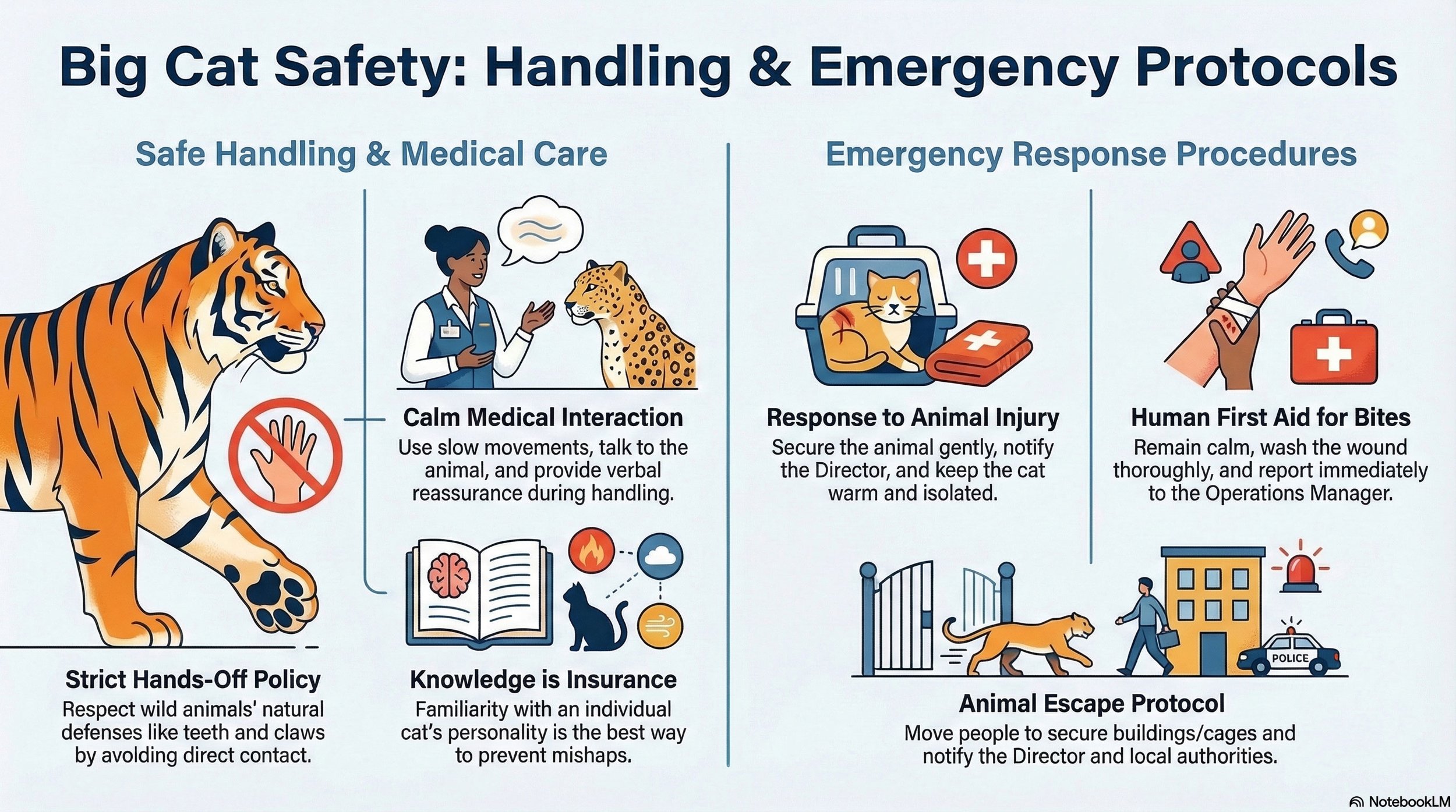


These materials provide a comprehensive framework for establishing and maintaining a successful animal sanctuary, drawing on the long-term experience of Big Cat Rescue. The sources highlight the importance of meticulous planning, suggesting that operators should draft multi-year goals and establish a disciplined organizational culture with strictly enforced rules. Financial sustainability is emphasized through the practice of setting aside monetary reserves and focusing on broad conservation impact rather than just immediate rescue needs. Additionally, the text underscores the vital role of volunteer management, noting that a large, dedicated workforce can provide labor equivalent to dozens of full-time employees. Finally, the guides advocate for a strong social media presence that utilizes storytelling and transparency to build donor trust and engage the public.