The End of Impunity: How Zimbabwe’s ‘SNP’ Breakthrough Is Hunting Lion Poachers with Forensic Certainty
In the shadows of Victoria Falls, a male lion lay dead, the victim of a wire snare. While his radio collar initially signaled the tragedy, it was a different kind of signal—a molecular one—that would finally break the cycle of impunity. For decades, wildlife traffickers exploited a legal vacuum: the possession of claws or bones rarely "proved" a specific illegal kill in the eyes of the law. Now, for the first time ever, Zimbabwe has shattered that defense. By deploying revolutionary DNA forensics, investigators have linked seized contraband to a single, known individual, transforming wildlife justice from a game of chance into a science of certainty.
From Circumstantial Evidence to Irrefutable Molecular Proof
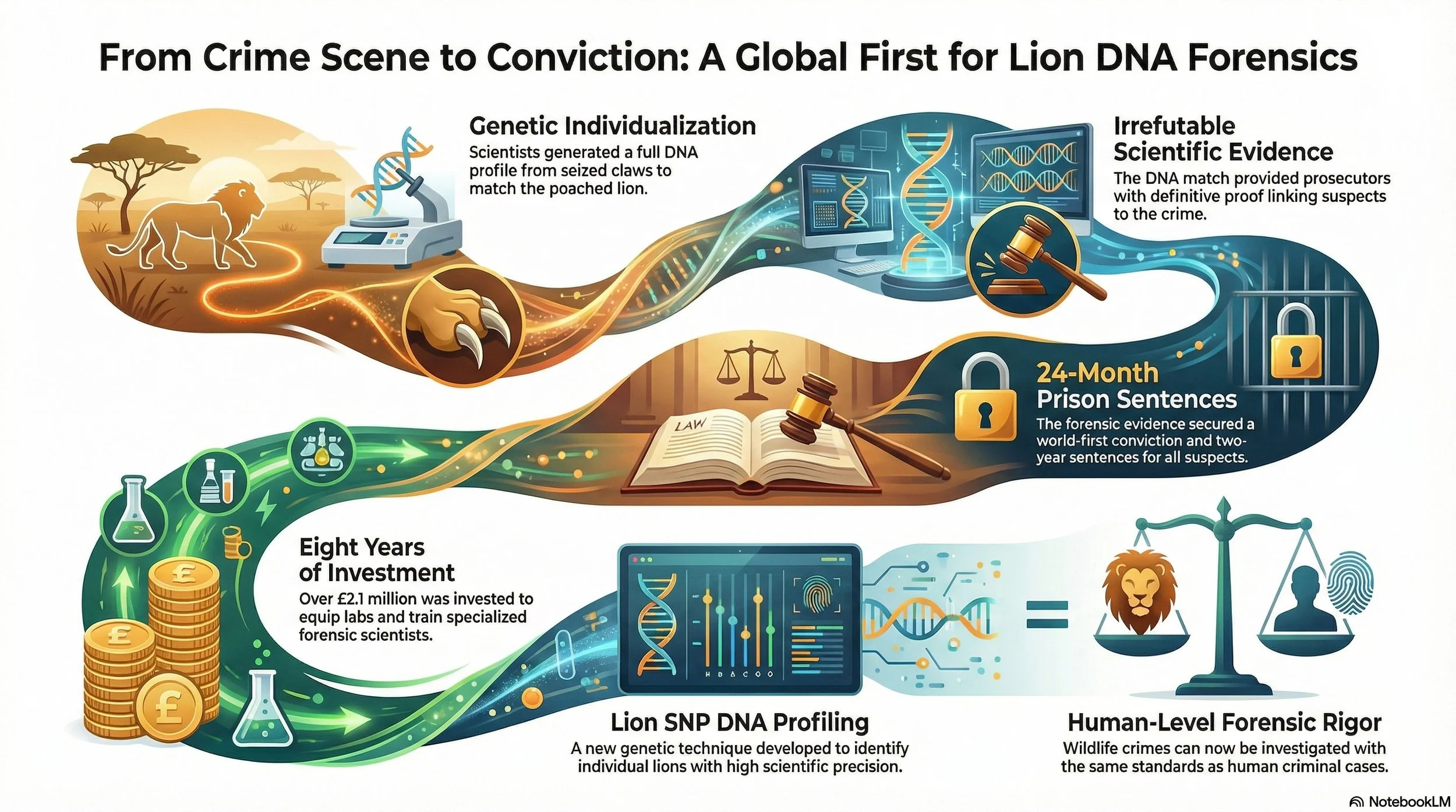
Historically, a poacher caught with a handful of lion claws could claim the parts were scavenged or traded legally years prior. This ambiguity often paralyzed the prosecution, rendering even the most suspicious cases inadmissible. However, in this landmark 2024 case, the narrative shifted. When rangers secured the perimeter, they did so with the meticulousness of a homicide squad, preserving a rigorous chain of custody for biological evidence. The lion’s radio collar provided the initial location of the remains, but the DNA provided the "smoking gun." By matching the genetic architecture of the suspects' seized loot to that specific fallen king, the "found it elsewhere" defense evaporated under the weight of forensic admissibility.
“This breakthrough represents more than scientific achievement; it embodies our determination to protect biodiversity for future generations to come.” — Victoria Falls Wildlife Trust
The Science of Justice: SNP Profiling in the Savannah
The technical vanguard of this case is Single Nucleotide Polymorphism (SNP) profiling. Unlike older mitochondrial DNA tests that can only identify a species, SNP analysis maps the high-precision molecular signatures unique to a single animal. This technique was forged in the laboratories of the University of Edinburgh, where the lead scientist pioneered the method during postgraduate research before bringing it home to the Victoria Falls Wildlife Trust laboratory. It represents the ultimate bridge between academic rigor and real-world conservation justice.
Individual Profile Generation: Scientists extract DNA from seized artifacts—often destined for the illegal trade in ornaments, jewellery, and traditional medicine—to create a genetic fingerprint of the victim.
Independent Verification: This profile is matched against the national genetic database and cross-referenced with samples from the poached lion to ensure absolute accuracy.
Setting a Global Precedent: 24-Month Sentences in Zimbabwe
The trade in lion parts fuels a violent shadow economy, but as of February 2026, the courtroom results prove the risk-reward ratio has shifted. For the first time in history, individual-level genetic evidence was accepted in a wildlife trafficking trial, resulting in 24-month prison sentences for all suspects involved. This isn't just a conviction; it is a judicial precedent that ripples across the continent. It sends a chilling message to international syndicates: the king of beasts is now protected by an invisible, unbreakable legal shield that follows every bone and claw across borders.
“This conviction is far more than a single success — it represents a step change in how wildlife crime can be investigated and prosecuted. Thanks to sustained support from players of People’s Postcode Lottery, countries now have the forensic capability to bring solid, science-based evidence into court — strengthening protection for lions and reinforcing wildlife law enforcement across Africa.” — Richard Scobey, Executive Director, TRAFFIC
The Invisible Infrastructure: Eight Years of Strategic Investment
This victory was not an overnight miracle; it was the culmination of an eight-year strategic offensive. A £2.1 million investment from the players of the People’s Postcode Lottery served as the catalyst, transforming Zimbabwe’s forensic landscape into a world-class operation. This funding didn't just purchase lab equipment; it built the "invisible infrastructure" of justice. Organizations like TRACE and TRAFFIC trained frontline officers and investigators to treat a bushveld clearing with the same forensic discipline as a modern crime lab. By ensuring every swab was taken and every sample bagged correctly, they ensured the science was as bulletproof in the witness stand as it was in the laboratory.
A New Era for the King of Beasts
We have entered an era where poachers can no longer hide behind the anonymity of a carcass. As science gives a voice to the fallen, the shield of secrecy that traffickers once relied upon is dissolving. With the ability to trace a single claw back to a specific pride in a specific national park, the legal net is tightening.
As we look forward, we must ask: If a single molecular signature can dismantle a trafficking ring today, how much further can these genetic tools go in rendering the illegal wildlife trade obsolete?
Source: https://www.traffic.org/news/world-first-lion-dna-forensics-secures-historic-conviction-in-zimbabwe/
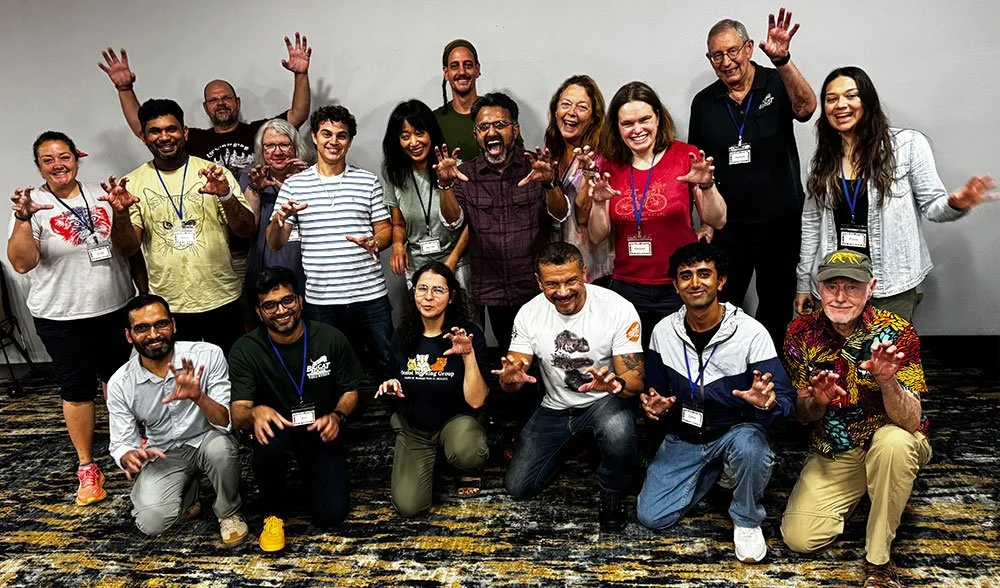
On July 27, 2026, I was invited into the IUCN SSC Cat Specialist Group, the body responsible for monitoring and conserving all 40 wild cat species on Earth. After three decades of pushing on that system from the outside, Big Cat Rescue finally has a seat inside it.
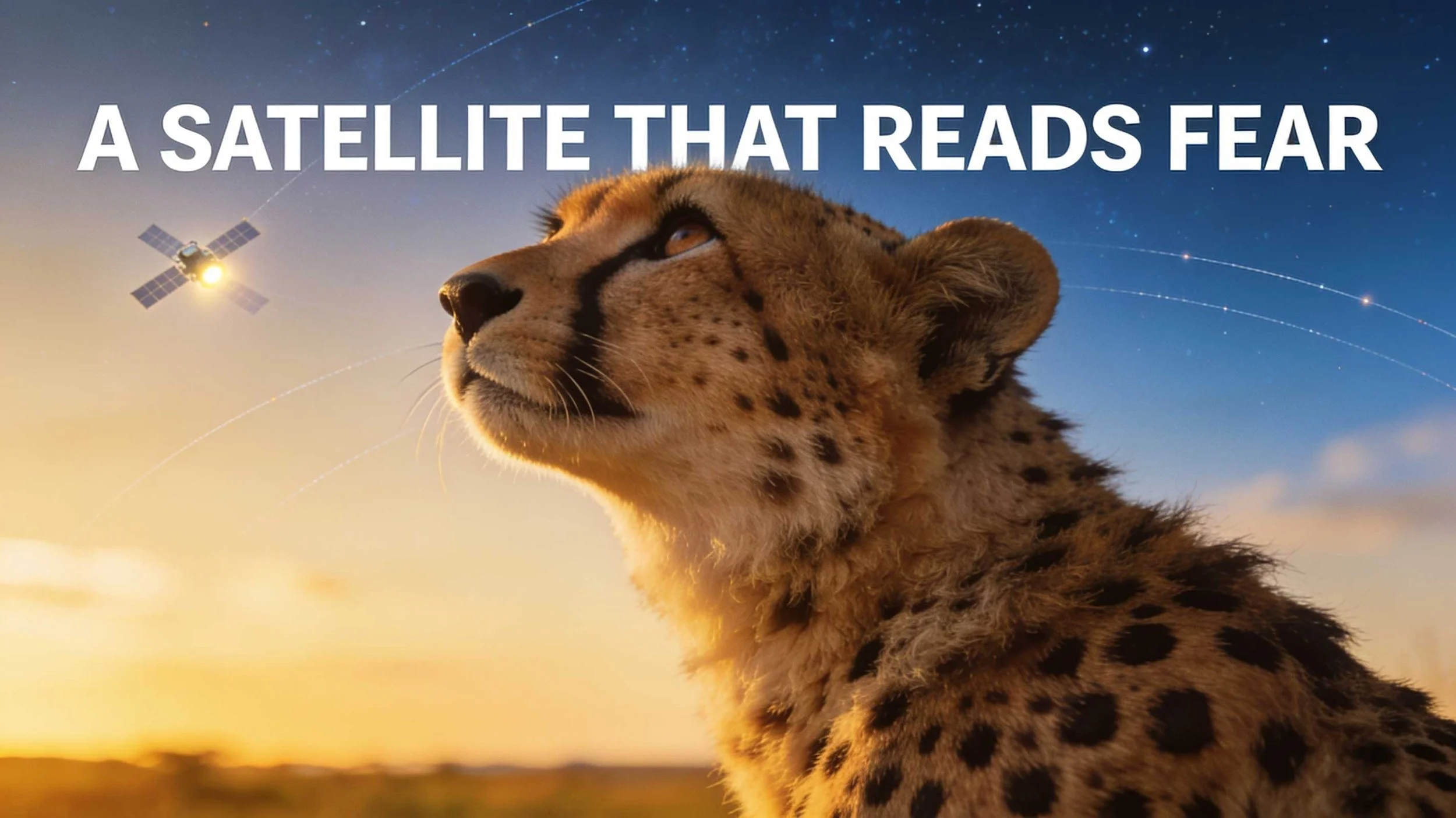
The Icarus satellite system, built by the Max Planck Institute of Animal Behavior, is creating an Internet of Animals. Tiny tags track location, movement, heart rate, and body temperature, then send the data to satellites in low Earth orbit. Scientists are training algorithms to recognize the panic patterns animals show when poachers approach, turning tagged herds into a live early warning network. For wild cats like cheetahs, leopards, tigers, lions, and Florida panthers and bobcats, this could mean protection across vast and remote landscapes that no single ranger could ever watch. Learn how Big Cat Rescue is following the Icarus project and how satellite tracking could change the future of wild cat conservation.
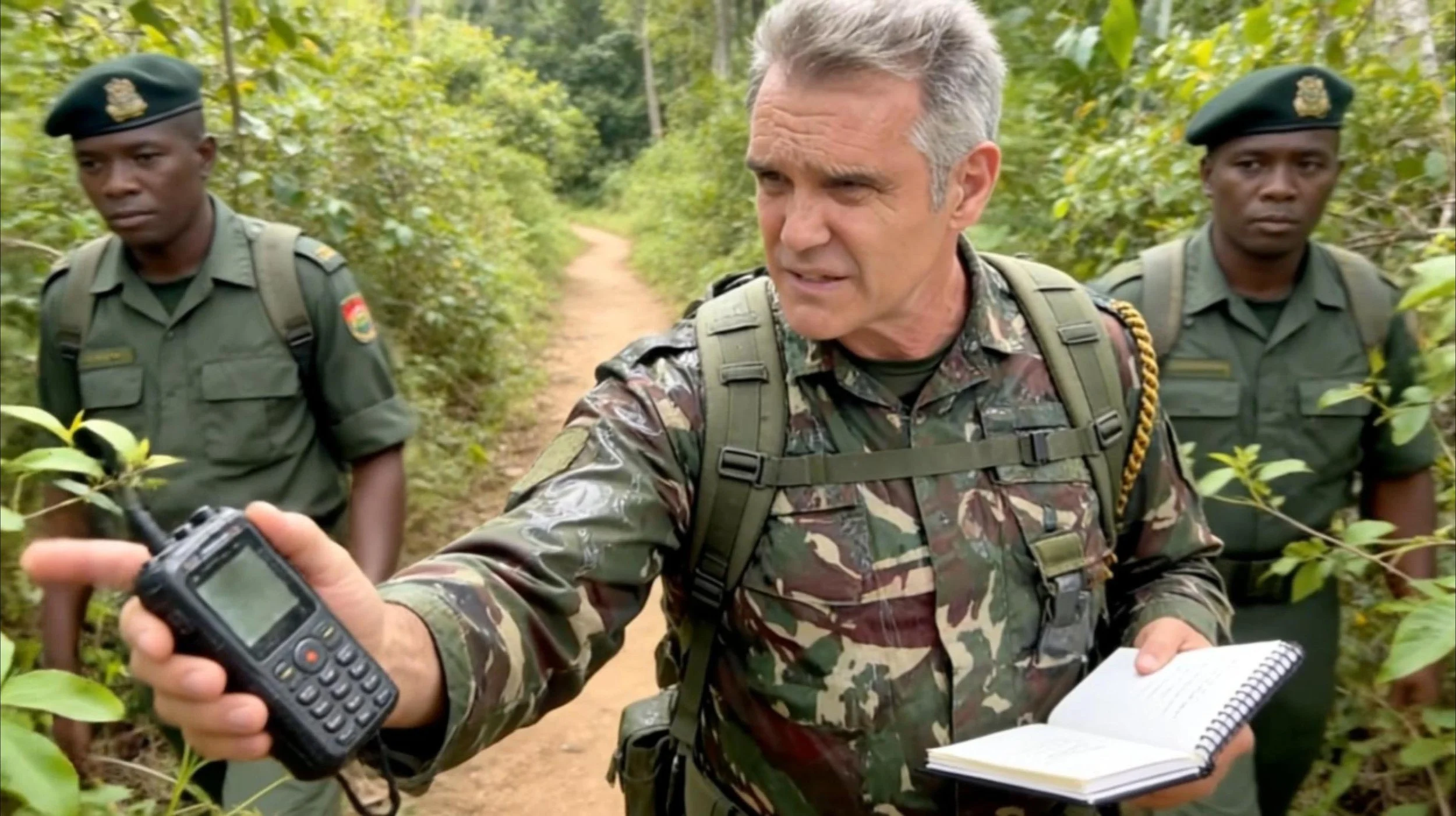
The provided text outlines the organizational goals and operations of Freeland, a non-profit entity dedicated to ending the illegal trade of humans and wildlife. By utilizing a specialized team of law enforcement and technical experts, the group actively disrupts criminal networks while assisting governments and businesses in creating prevention strategies. Their comprehensive approach includes training officers, conducting community patrols, and fostering behavioral changes through public education and awareness campaigns. Beyond enforcement, the organization focuses on environmental restoration and the rehabilitation of animals to ensure the long-term health of global ecosystems. Ultimately, the source serves as an overview of Freeland’s global impact and its ongoing mission to build a world free from exploitation and slavery.

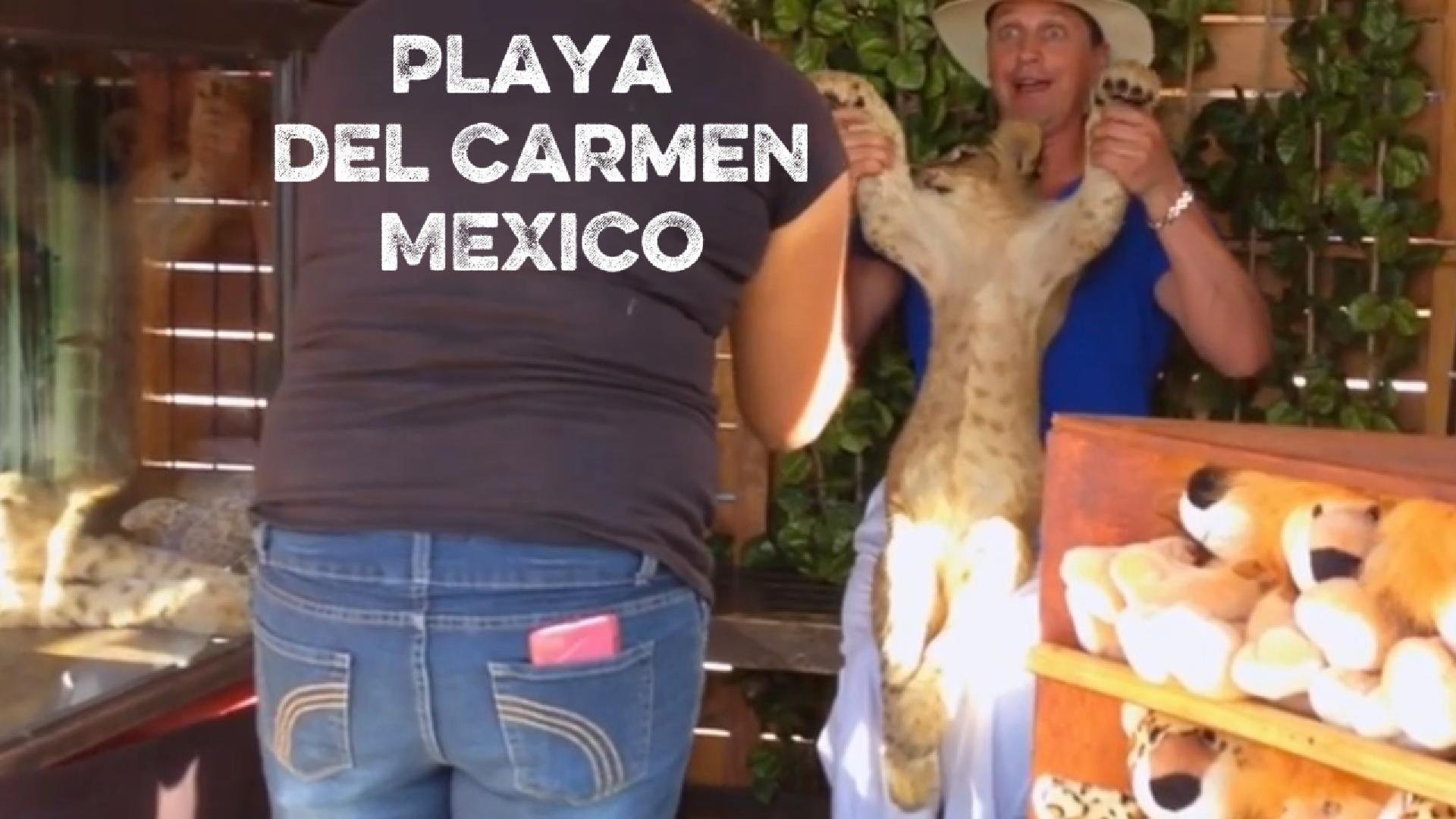
The Fall of Animalandia Maya: Playa del Carmen Shutdown In May 2026, Mexican law enforcement conducted a major raid on Animalandia Maya, a controversial tourist site in Playa del Carmen known for offering photos with exotic wildlife. The operation resulted in the arrest of the owner and several employees, as well as the seizure of tigers, lions, and monkeys that were allegedly being exploited. This intervention followed years of public outcry and pressure from animal welfare organizations regarding the suspected sedation and mistreatment of the animals. While the business has successfully used legal loopholes to reopen after past closures, the scale of this coordinated police action suggests a permanent shutdown. The incident highlights a significant victory for activists fighting against the commercial use of endangered species in the Riviera Maya.
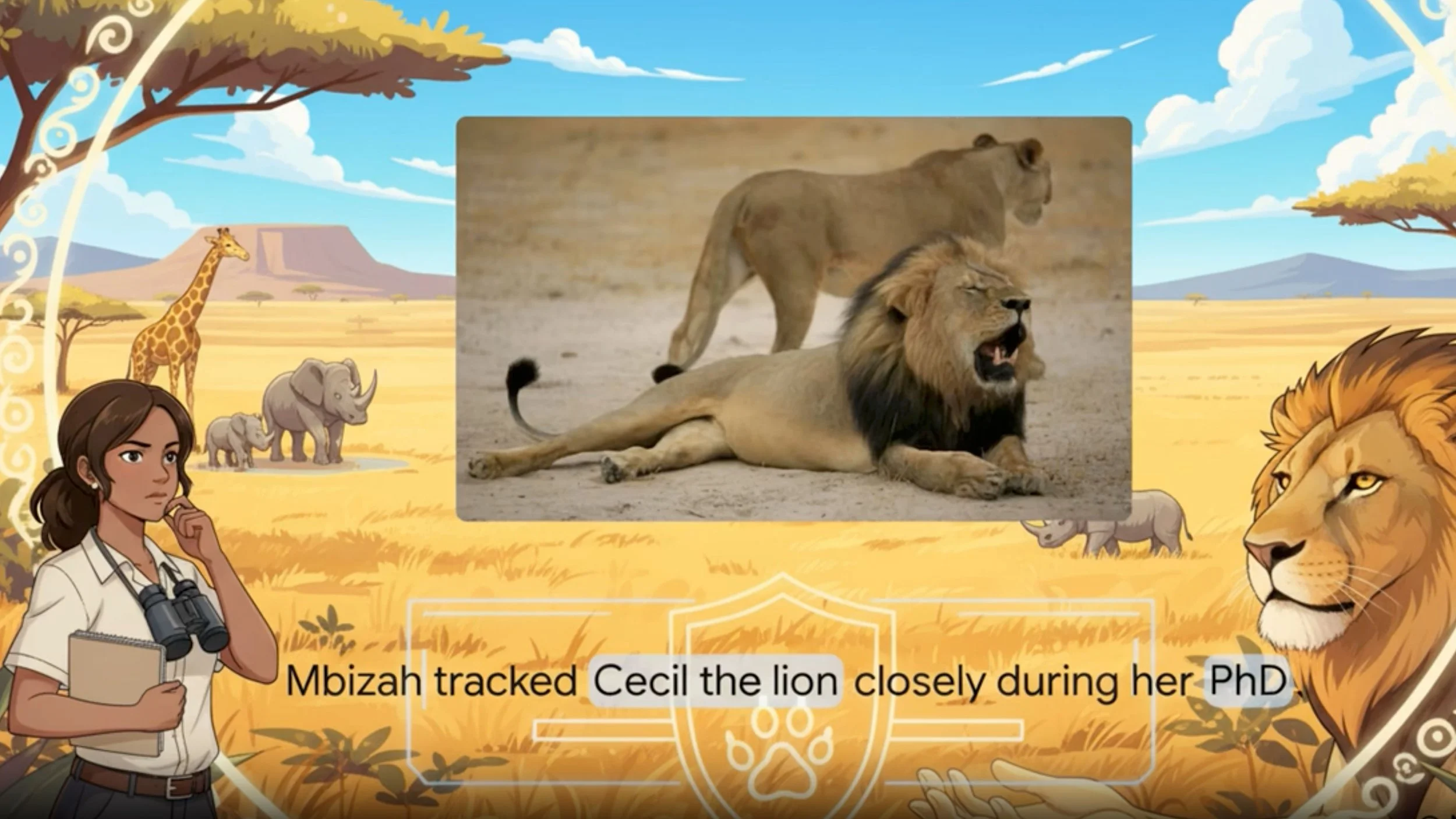
Moreangels Mbizah: Pioneering Human-Wildlife Coexistence in Zimbabwe
Biologist Moreangels Mbizah founded Wildlife Conservation Action in Zimbabwe to address the tragic consequences of human-wildlife conflict. Her mission shifted after witnessing a lion attack on a young child, leading her to realize that protecting nature requires supporting the local communities living alongside it. The organization utilizes innovative tools like GPS tracking and mobile bomas—opaque enclosures that prevent predators from seeing and attacking livestock. These community-led strategies have successfully reduced lethal encounters by up to 98% in targeted regions, safeguarding both vulnerable lion populations and the livelihoods of rural villagers. Additionally, Mbizah serves as a pioneer for African women in the field by providing mentorship and outreach to ensure a more inclusive future for conservation efforts. Through this holistic approach, she demonstrates that the survival of apex predators is inextricably linked to the security of the people who share their habitat.
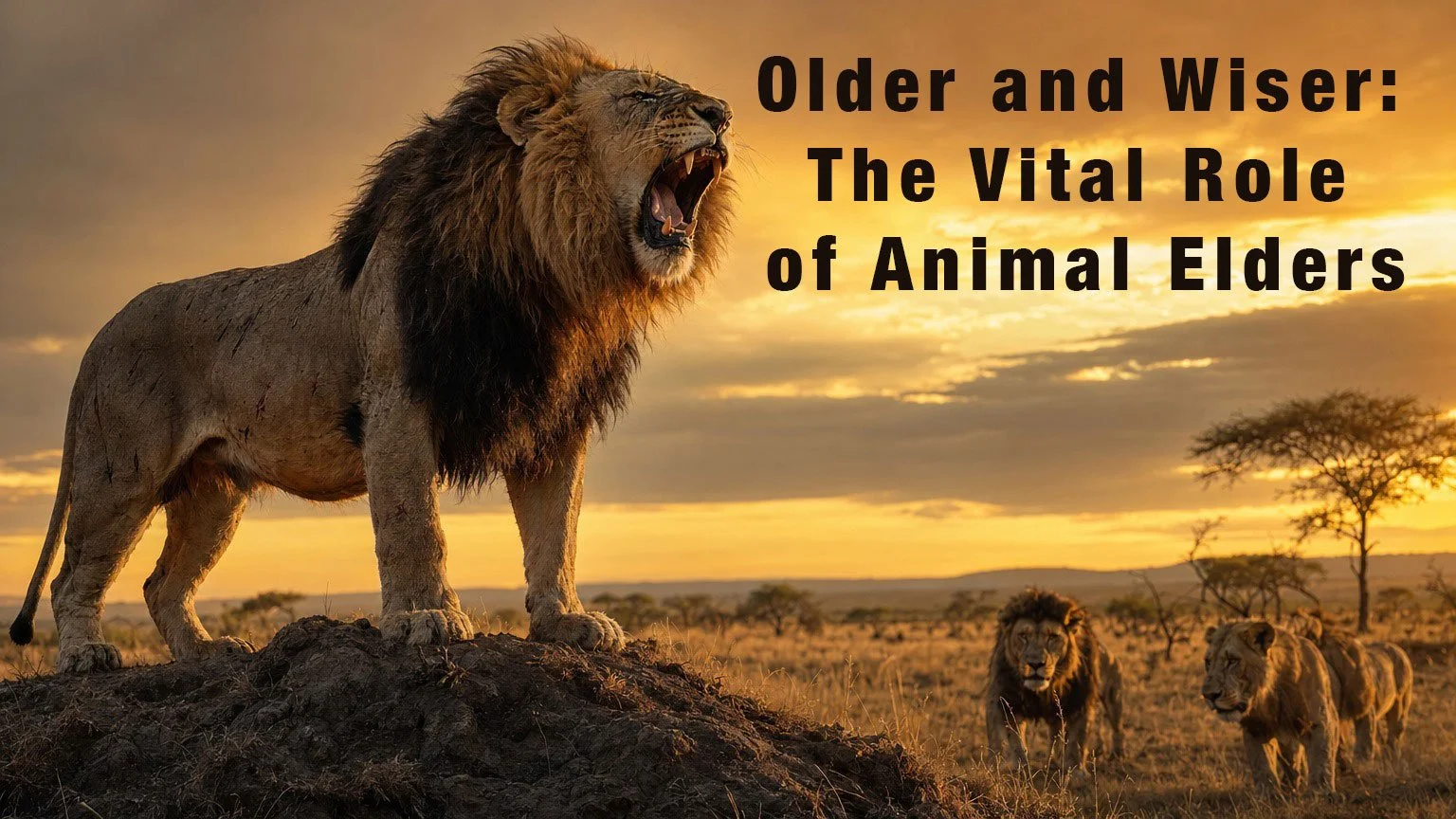
Older and Wiser: The Vital Role of Animal Elders
Recent research emphasizes that older animals are vital for the survival of wildlife populations because they possess accumulated knowledge and specialized skills. These elders serve as essential leaders who guide their groups toward resources and help maintain social stability among younger individuals. Beyond their wisdom, aging members often provide enhanced reproductive success and possess stronger immune systems developed over time. Traditional conservation efforts frequently focus on total population counts, yet this source argues that protecting the age structure is just as critical. The loss of these senior animals through human activities can result in a profound disappearance of survival strategies that simple numbers cannot replace.
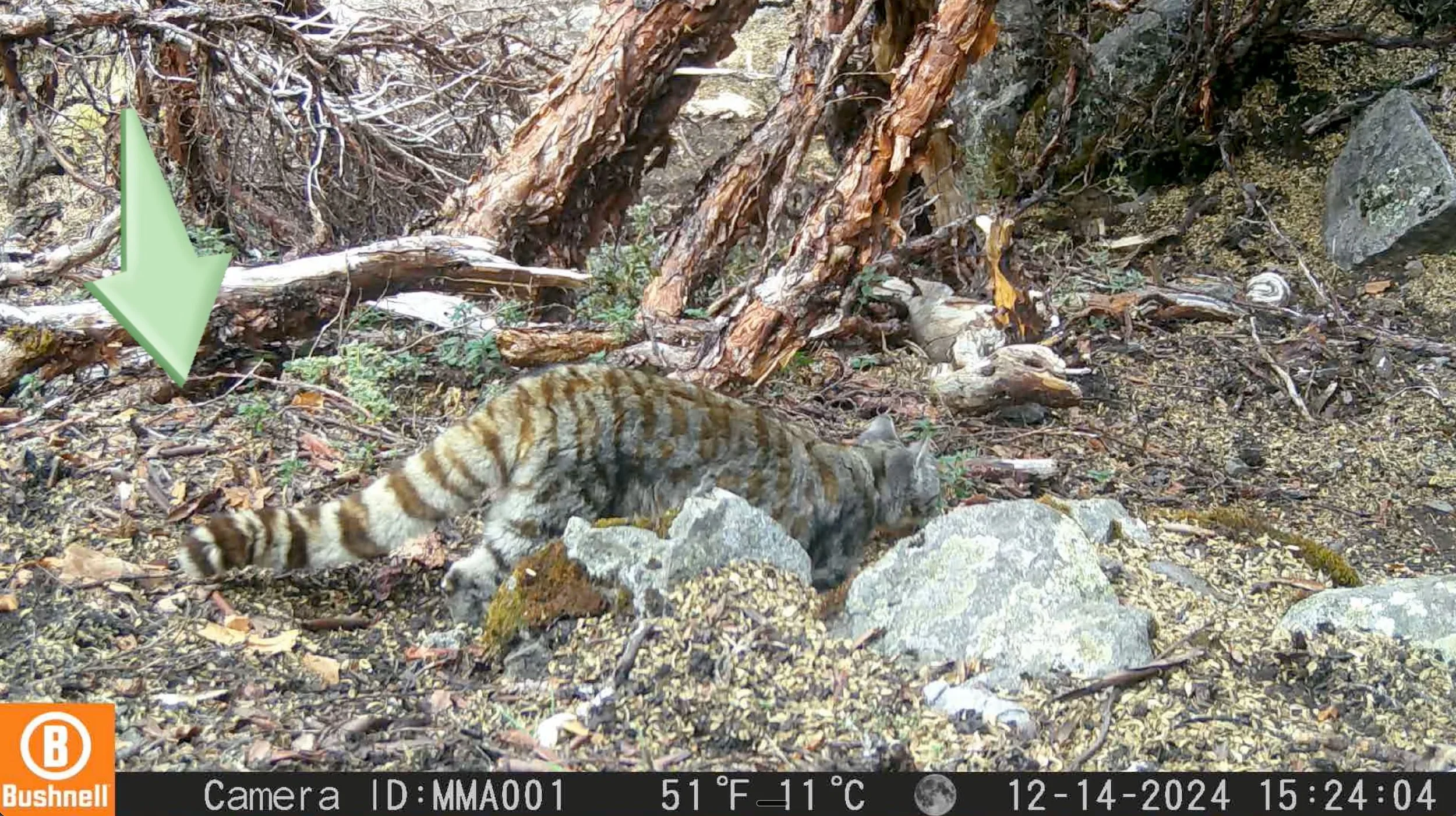
These sources examine the genetic crisis facing isolated wild cat populations, where human-driven habitat fragmentation forces inbreeding and triggers a decline in biological fitness. Researchers identify morphological abnormalities, such as kinked tails and thoracic cowlicks, as visible biomarkers of a deeper "extinction vortex" that includes heart defects and reproductive failure. While the Florida panther serves as a primary case study for these issues, the texts document similar patterns of genomic decay in California mountain lions, European wildcats, ocelots, jaguarundi, Andean cats, cheetahs and Asiatic lions. Conservationists highlight the 1995 genetic restoration project in Florida—which used Texas pumas to diversify the gene pool—as a successful model for reversing these trends. Ultimately, the literature advocates for wildlife crossings and habitat corridors to restore natural gene flow and ensure the long-term survival of apex predators.
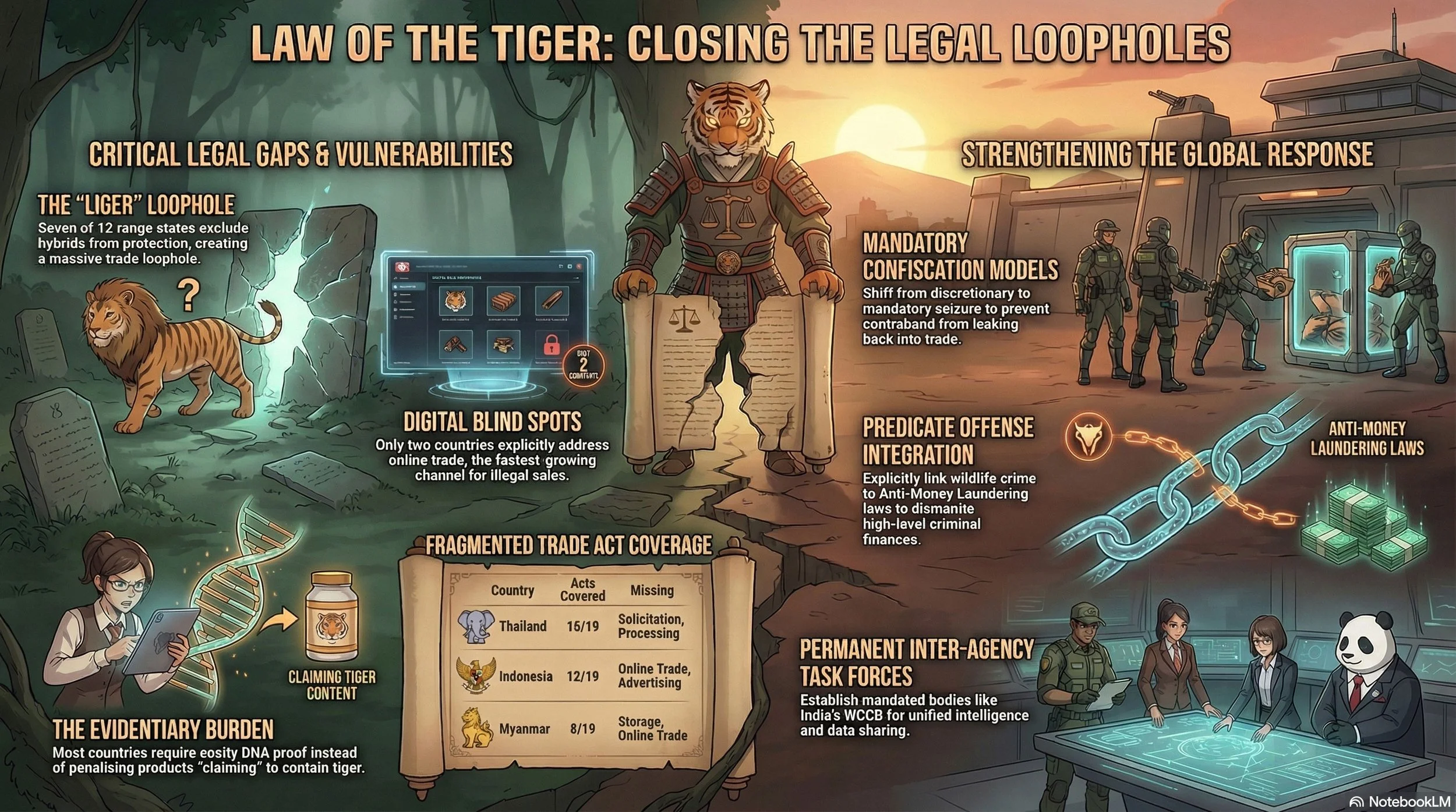
This report, titled Law of the Tiger, provides a comprehensive 2025 analysis of the legal frameworks governing tiger trafficking across twelve range states. It evaluates how national laws address critical issues such as interagency enforcement, mandatory confiscation, and the regulation of captive breeding facilities. The authors identify significant legal gaps regarding digital marketplaces, the status of hybrid tigers, and the management of confiscated stockpiles. To combat the transnational organized crime of wildlife trade, the document advocates for standardized definitions, enhanced investigative powers for frontline officers, and the integration of anti-money laundering tools. Ultimately, the publication serves as a guide for governments to harmonize their criminal justice responses and strengthen protections for wild tiger populations.

The global e-commerce giant Etsy has officially announced a prohibition on animal fur sales starting in August 2026, marking a significant victory for the Coalition to Abolish the Fur Trade after an intensive protest campaign. This policy update targets natural pelts from animals like mink and fox while still allowing for taxidermy and leather byproducts. This shift reflects a broader trend within the fashion world, as numerous international brands, publications, and countries are increasingly rejecting wildlife-derived materials. However, the industry remains polarized, as the European Union faces internal debates over farming bans while Canadian fur auctions report record-breaking prices and sustained demand. Ultimately, while animal rights advocacy is rapidly transforming the retail landscape, the debate over the ethics and economic value of fur continues globally.

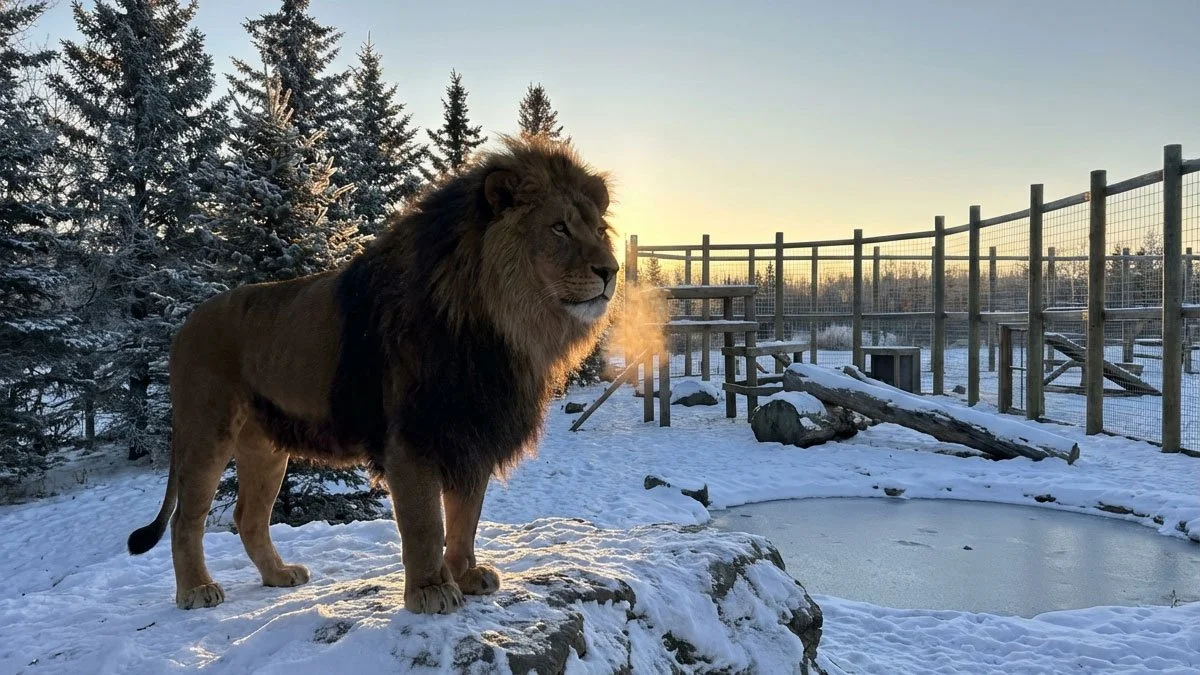
Muskoka facility becomes Canada's first big cat sanctuary as CTV investigation exposes roadside zoo abuses. New law ends private ownership of lions and tigers.

The removal of South Africa's progressive Environment Minister Dion George marks a dangerous setback for big cat conservation and wildlife protection worldwide.

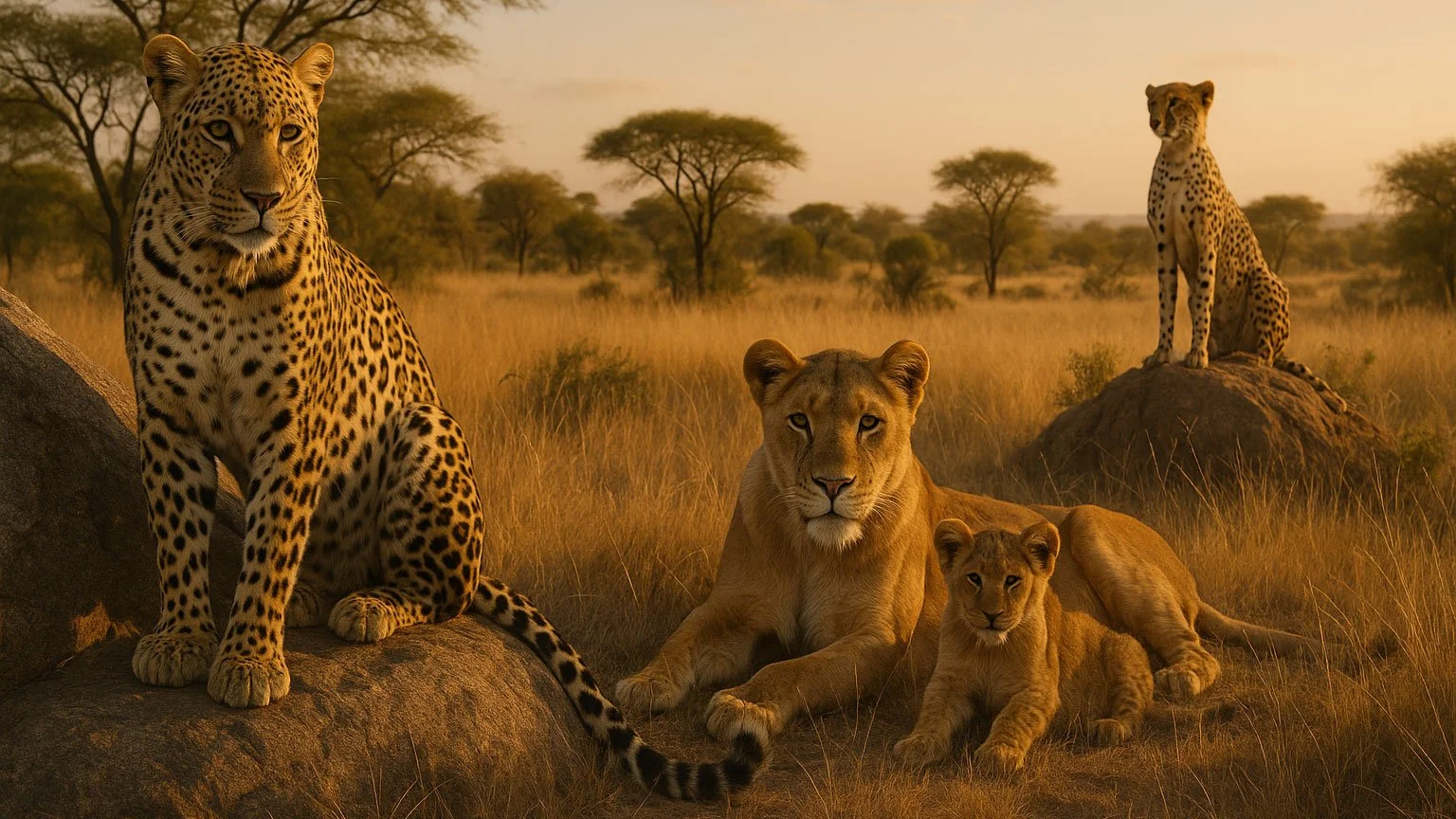

India’s Asiatic lions have surged 32% in 5 years, from 674 to 891, thanks to conservation and community action. Learn how to keep the roar alive.
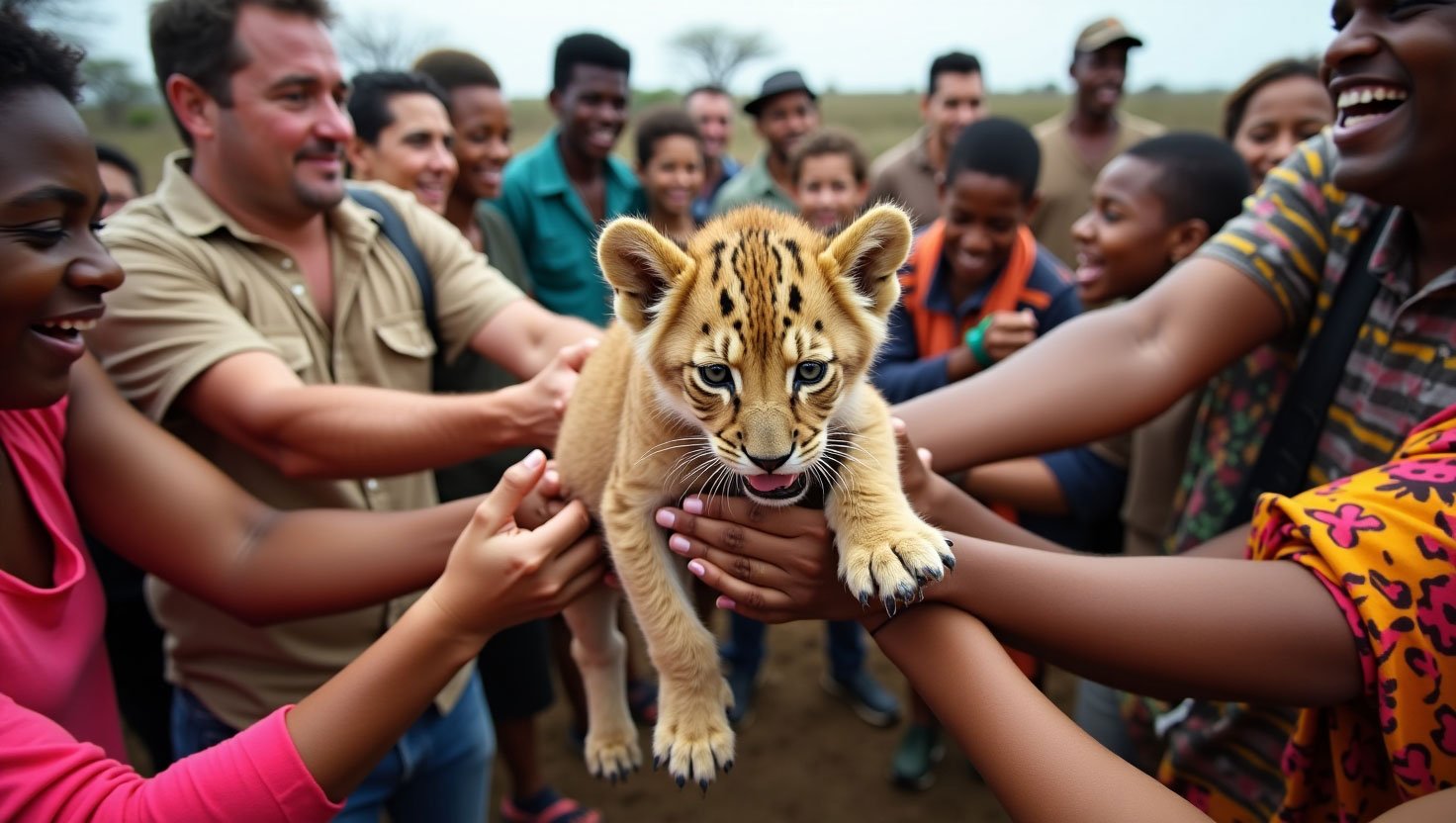
South Africa’s captive lion industry keeps 8,000 lions behind bars for profit. Ahead of World Lion Day, global advocates demand action to end breeding, cub petting, and exploitation—before it’s too late.
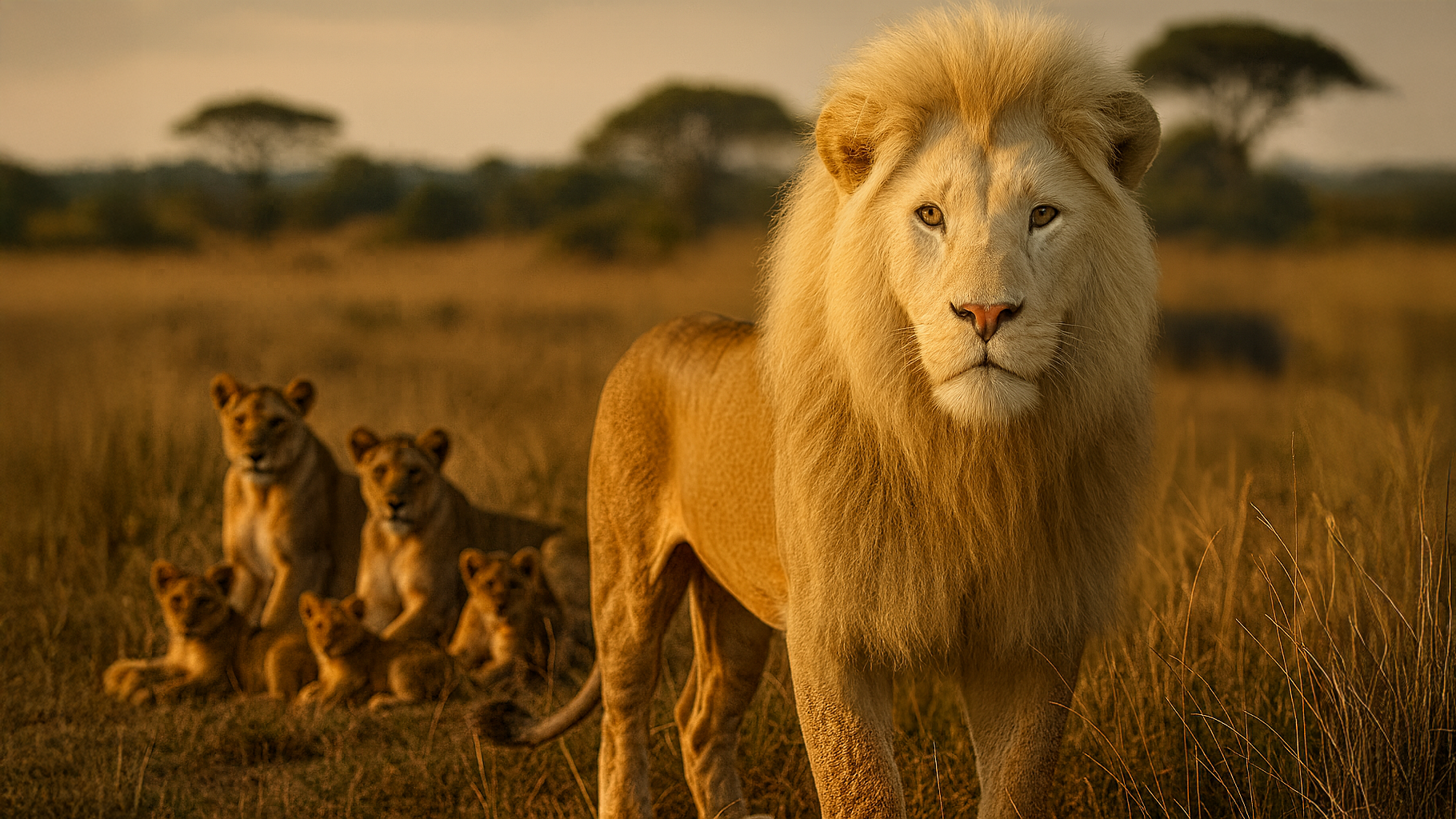
The tragic killing of Blondie, a legendary lion lured from Hwange National Park by trophy hunters, highlights the urgent need to ban this cruel practice and protect Africa’s wildlife.

An investigation into African Parks reveals the darker side of conservation—community exclusion, militarization, and human rights concerns. Discover how to support ethical, inclusive wildlife protection.