Icarus - International Cooperation for Animal Research Using Space
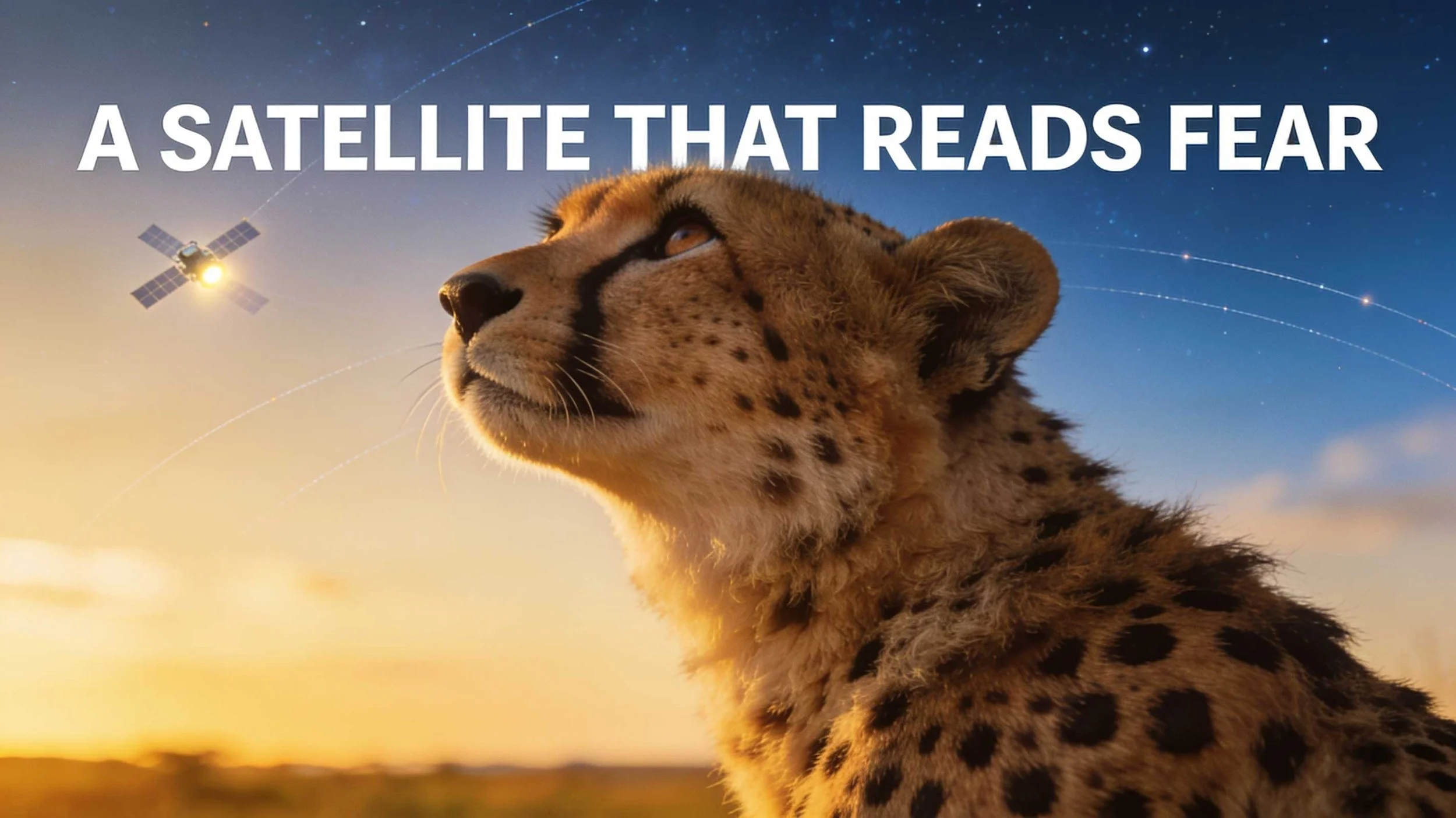
The Icarus satellite system, built by the Max Planck Institute of Animal Behavior, is creating an Internet of Animals. Tiny tags track location, movement, heart rate, and body temperature, then send the data to satellites in low Earth orbit. Scientists are training algorithms to recognize the panic patterns animals show when poachers approach, turning tagged herds into a live early warning network. For wild cats like cheetahs, leopards, tigers, lions, and Florida panthers and bobcats, this could mean protection across vast and remote landscapes that no single ranger could ever watch. Learn how Big Cat Rescue is following the Icarus project and how satellite tracking could change the future of wild cat conservation.
They Kill at Least One Tiger Every Week
Freeland
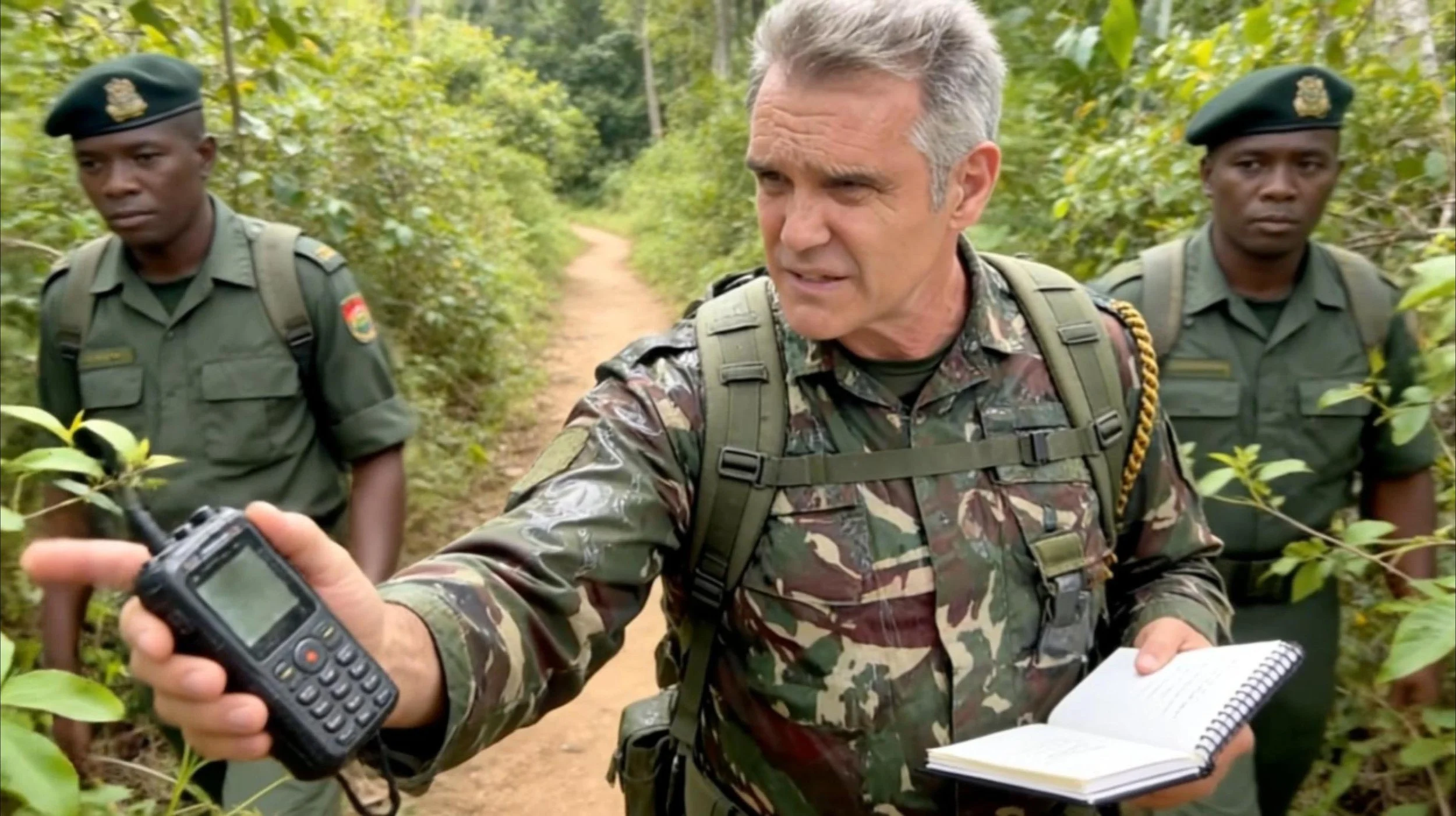
The provided text outlines the organizational goals and operations of Freeland, a non-profit entity dedicated to ending the illegal trade of humans and wildlife. By utilizing a specialized team of law enforcement and technical experts, the group actively disrupts criminal networks while assisting governments and businesses in creating prevention strategies. Their comprehensive approach includes training officers, conducting community patrols, and fostering behavioral changes through public education and awareness campaigns. Beyond enforcement, the organization focuses on environmental restoration and the rehabilitation of animals to ensure the long-term health of global ecosystems. Ultimately, the source serves as an overview of Freeland’s global impact and its ongoing mission to build a world free from exploitation and slavery.
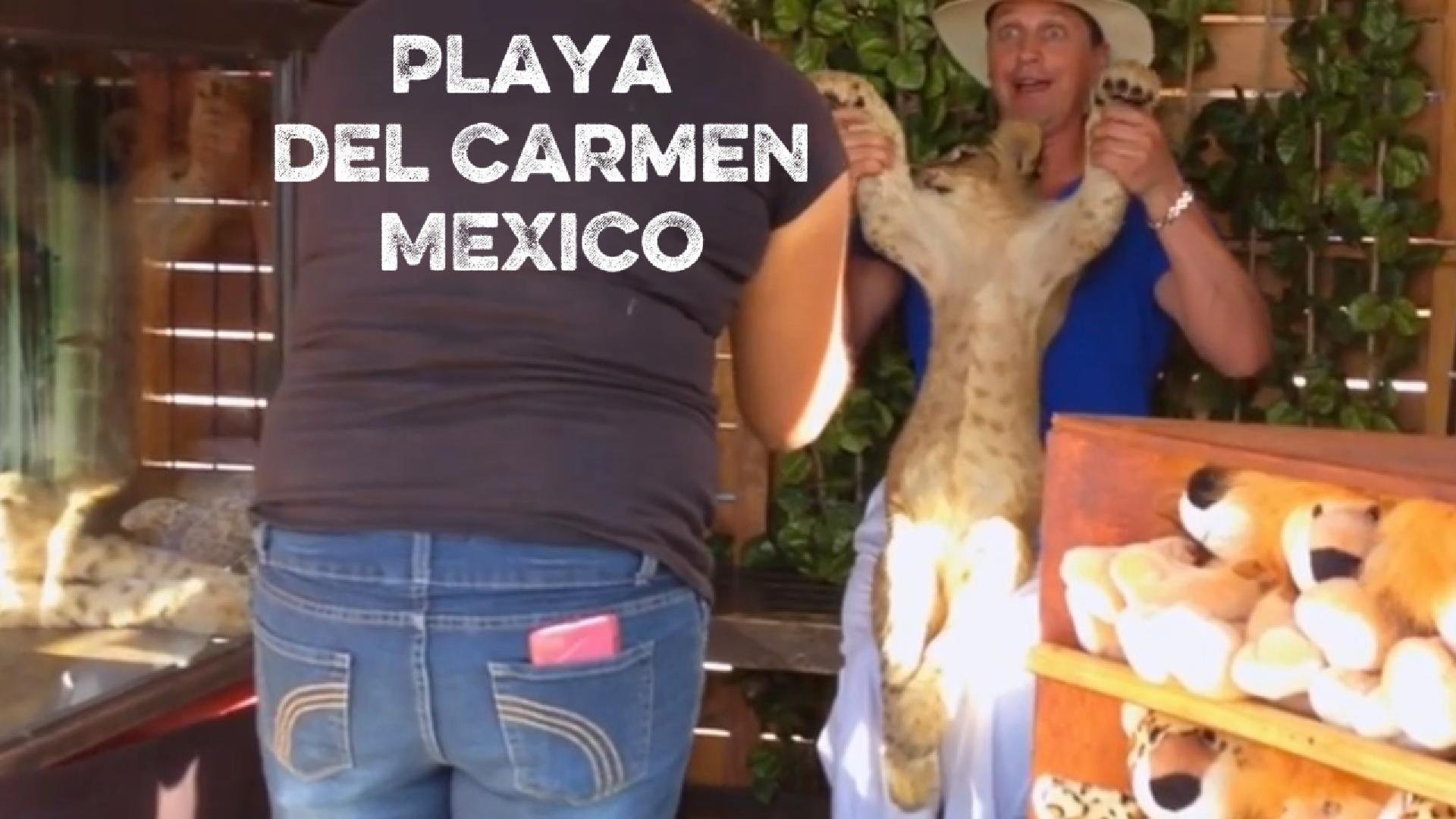
Carmen del Playa
The Fall of Animalandia Maya: Playa del Carmen Shutdown In May 2026, Mexican law enforcement conducted a major raid on Animalandia Maya, a controversial tourist site in Playa del Carmen known for offering photos with exotic wildlife. The operation resulted in the arrest of the owner and several employees, as well as the seizure of tigers, lions, and monkeys that were allegedly being exploited. This intervention followed years of public outcry and pressure from animal welfare organizations regarding the suspected sedation and mistreatment of the animals. While the business has successfully used legal loopholes to reopen after past closures, the scale of this coordinated police action suggests a permanent shutdown. The incident highlights a significant victory for activists fighting against the commercial use of endangered species in the Riviera Maya.
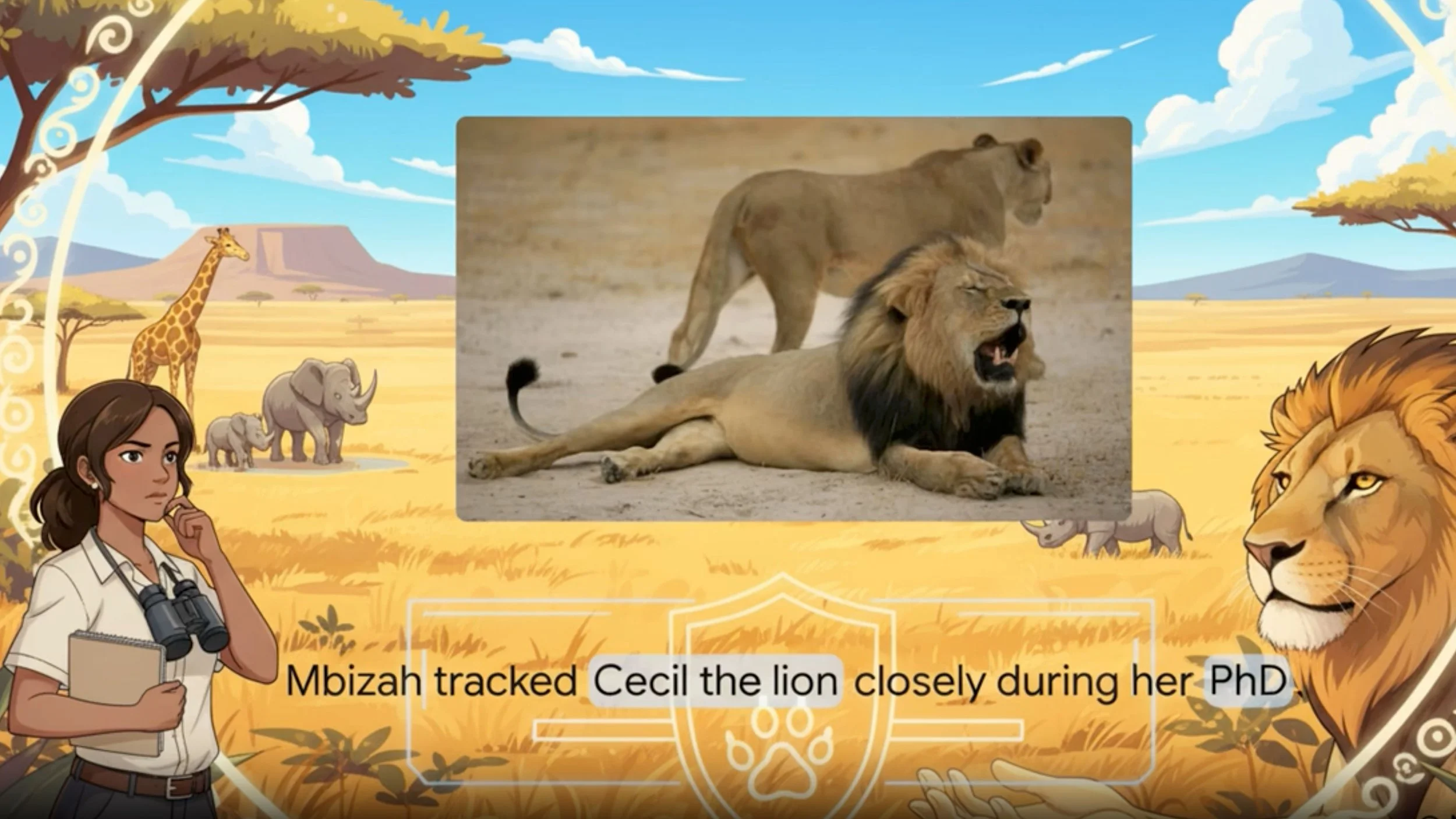
Moreangels Mbizah
Moreangels Mbizah: Pioneering Human-Wildlife Coexistence in Zimbabwe
Biologist Moreangels Mbizah founded Wildlife Conservation Action in Zimbabwe to address the tragic consequences of human-wildlife conflict. Her mission shifted after witnessing a lion attack on a young child, leading her to realize that protecting nature requires supporting the local communities living alongside it. The organization utilizes innovative tools like GPS tracking and mobile bomas—opaque enclosures that prevent predators from seeing and attacking livestock. These community-led strategies have successfully reduced lethal encounters by up to 98% in targeted regions, safeguarding both vulnerable lion populations and the livelihoods of rural villagers. Additionally, Mbizah serves as a pioneer for African women in the field by providing mentorship and outreach to ensure a more inclusive future for conservation efforts. Through this holistic approach, she demonstrates that the survival of apex predators is inextricably linked to the security of the people who share their habitat.
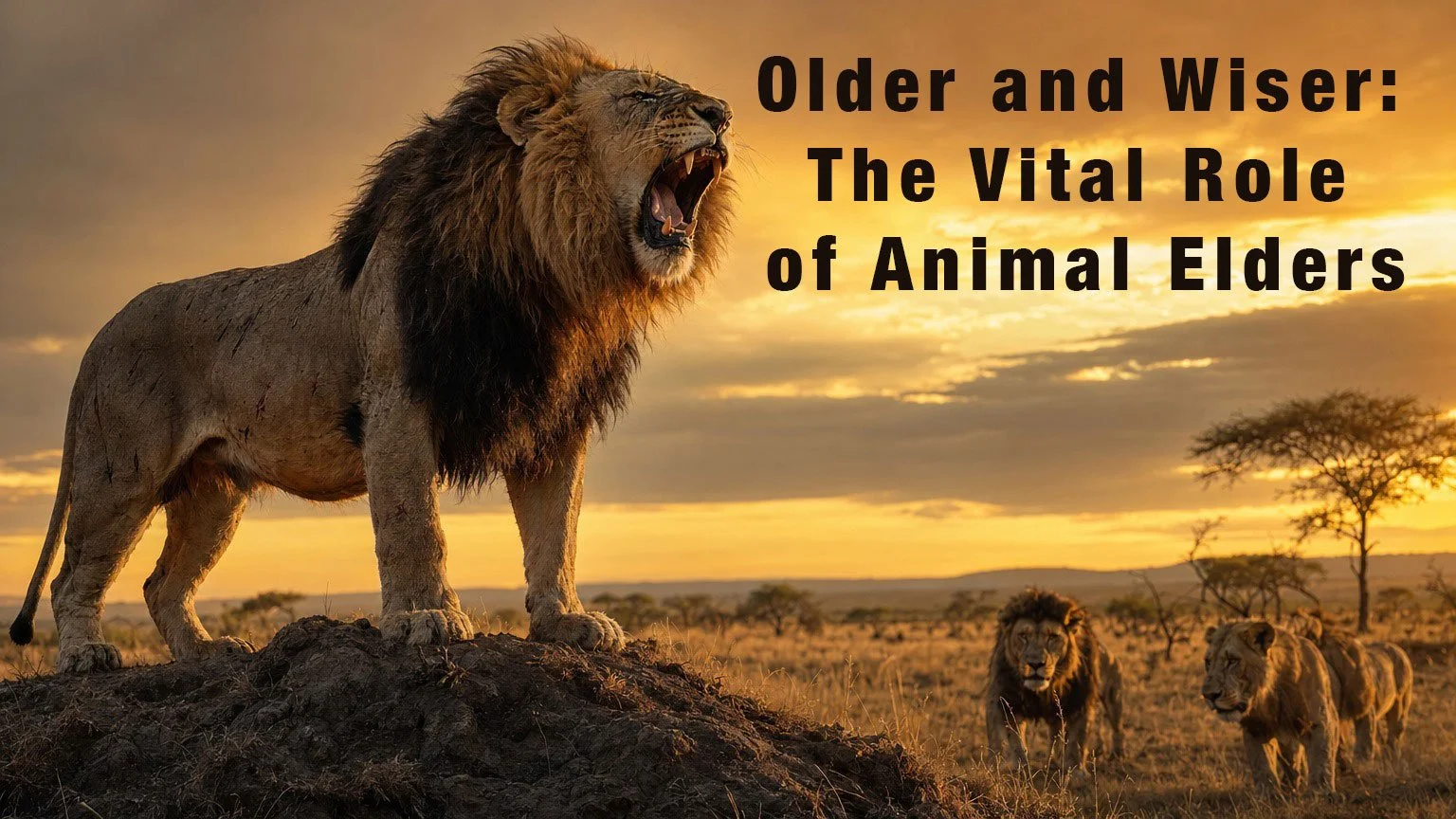
Old Wise Cats
Older and Wiser: The Vital Role of Animal Elders
Recent research emphasizes that older animals are vital for the survival of wildlife populations because they possess accumulated knowledge and specialized skills. These elders serve as essential leaders who guide their groups toward resources and help maintain social stability among younger individuals. Beyond their wisdom, aging members often provide enhanced reproductive success and possess stronger immune systems developed over time. Traditional conservation efforts frequently focus on total population counts, yet this source argues that protecting the age structure is just as critical. The loss of these senior animals through human activities can result in a profound disappearance of survival strategies that simple numbers cannot replace.