Beyond the Numbers: Why Protecting 'Old and Wise' Big Cats is the Secret to Survival
The Wisdom of the Wild
We often view the natural world through the lens of the "alpha"—the strongest, fastest predator in its physical prime. Our conservation efforts have historically mirrored this bias, focusing almost exclusively on simple population headcounts. However, a landmark 2024 paper in Science by Keller Kopf suggests that quantity is a deceptive metric for species health.
Kopf’s research introduces the framework of "longevity conservation," which argues that protecting the full age structure of a population is vital for its survival. While this phenomenon is well-documented in long-lived species like elephants and whales, it plays a surprisingly pivotal role in the biology of big cats. To truly save these predators, we must shift our focus from how many animals remain to how their social structures actually function.
The Social Anchor: Why Older Lions are Essential for Cub Survival
In the ecology of African lions, a senior male is far more than just a breeder; he is a critical social anchor. These elder males provide "social buffering," where their mere presence polices the behavior of younger, more aggressive bulls. Without this stabilizing force, younger males often become disruptive and poorly assess environmental risks, threatening the pride's internal harmony.
When human intervention, such as trophy hunting, targets these senior cats, it triggers a violent chain reaction known as a "takeover." New, younger males move into the vacant territory and systematically kill the existing cubs to force the females back into breeding condition. By removing one "old" individual, we inadvertently cause a generational collapse that no population count can quickly rectify.
"Hunters typically target individuals with the largest horns, the darkest manes, the most impressive tusks — traits that often signal age, experience, and dominance."
The Silent Guardian: How Senior Leopards Prevent Inbreeding
While lions provide a loud example of social stability, senior leopards act as silent guardians against a looming genetic crisis. An established male leopard aggressively patrols his territory, creating a biological barrier that drives subadult males away. This mechanism, known as natal philopatry management, compels younger cats to disperse and find unrelated mates far from their birthplace.
When we remove these "old guards," the pressure to migrate vanishes, and the territory becomes a vacuum. Younger males remain close to their mothers and sisters, leading to rapid and devastating inbreeding within the population. The presence of the elder male is the engine of genetic diversity, ensuring the species remains resilient against hereditary defects.
Debunking the 'Past Prime' Myth: The Reproductive Engine
There is a persistent, dangerous myth in wildlife management that older animals are "reproductive dead weight." This misconception has fueled policies that encourage the removal of senior individuals under the assumption they are past their utility. However, the data suggests that reproductive prime often occurs much later in life than previously understood.
Consider the elephant, which only reaches its true reproductive peak in its 40s and 50s; big cats follow a similar trajectory where experience enhances reproductive success. This "longevity principle" transcends species boundaries, using the aquatic world as a proven baseline for terrestrial predators. If we remove the oldest members, we are effectively dismantling the reproductive engine of the entire species.
"If you manage for the oldest, largest fish, you are managing for healthy fish populations."
Living Libraries: The Hidden Value of Accumulated Knowledge
Beyond biology, older animals serve as "living libraries" of ecological knowledge that cannot be coded into DNA. A senior leopardess knows the location of a specific, hidden water hole that only flows during the harshest droughts—information a younger, translocated cat simply does not possess. This accumulated experience is a map of survival that guides the next generation through shifting, dangerous landscapes.
We see this same reliance on elders in elephant matriarchs and senior whales who remember ancient migration routes. When a senior animal is killed, that library of information is permanently deleted from the group’s collective memory. The loss of an elder is the loss of a survival strategy that took decades to refine and cannot be easily replaced.
The Invisible Shield: The Importance of Senior Immunity
Perhaps the most surprising takeaway in longevity conservation is the "invisible shield" of immunity. Research by Christian Walzer highlights that the oldest, most scarred individuals are actually the most genetically valuable assets regarding disease. These animals are biological survivors who have successfully navigated a lifetime of pathogen exposure.
Because they have endured various outbreaks, these seniors carry and pass on the most resilient genetic traits to their offspring. They possess immune systems that have been rigorously "tested" by the environment, providing a buffer against future epidemics. Protecting the elderly ensures that these tried-and-tested defenses remain the foundation of the population’s health.
A New Lens for Conservation
The International Union for Conservation of Nature recently adopted a resolution to formally recognize the importance of protecting older individuals. This marks a fundamental shift in how we approach the preservation of our planet's most iconic predators. It moves our mission beyond the census and into the complex world of social and genetic health.
As members of the conservation community, we must advocate for management policies that protect the "old and wise" as fiercely as the young. By maintaining a natural age structure, we preserve the social stability and accumulated wisdom necessary for a species to thrive. We must ask ourselves: if experience is the key to resilience in the wild, are we brave enough to change how we value age before these living libraries are lost forever?
Source: https://e360.yale.edu/features/longevity-conservation 4/27/2026

In Texas, about 95% of the land is privately owned, and mountain lions have had almost no legal protection for over a century. You might assume ranchers there would be the cats’ worst enemies. A new Texas A&M study of 1,069 Texans found the opposite.
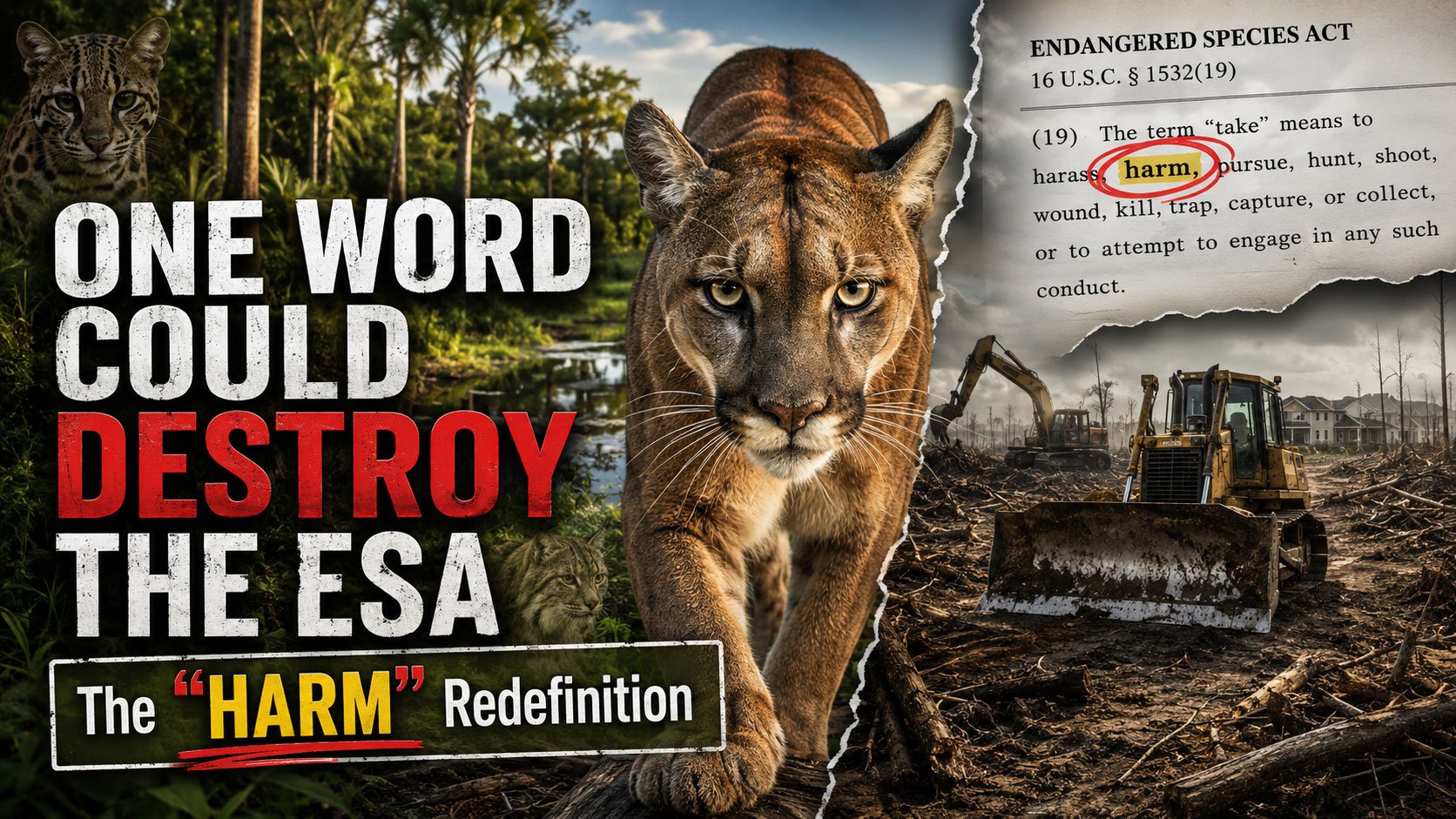
The One-Word Shift Gutting the Endangered Species Act: Why Habitat Protection is Under Fire
For over 50 years, the Endangered Species Act (ESA) has served as America’s most powerful shield against extinction, saving 99% of protected species from disappearing. However, a silent regulatory shift announced on July 10, 2026, seeks to dismantle this legacy by redefining a single word: "harm"

The June 2026 AdvoCat Newsletter from Big Cat Rescue covers the latest in wild cat conservation: Stanford research on mountain lions reshaping suburban ecosystems, Kyrgyzstan's new 2-million-acre snow leopard corridor, the first documented sand cats in Libya, Bengal tiger reintroduction plans for Cambodia, and the alarming pace of tiger poaching across Asia. Stay informed and take action for wild cats worldwide.
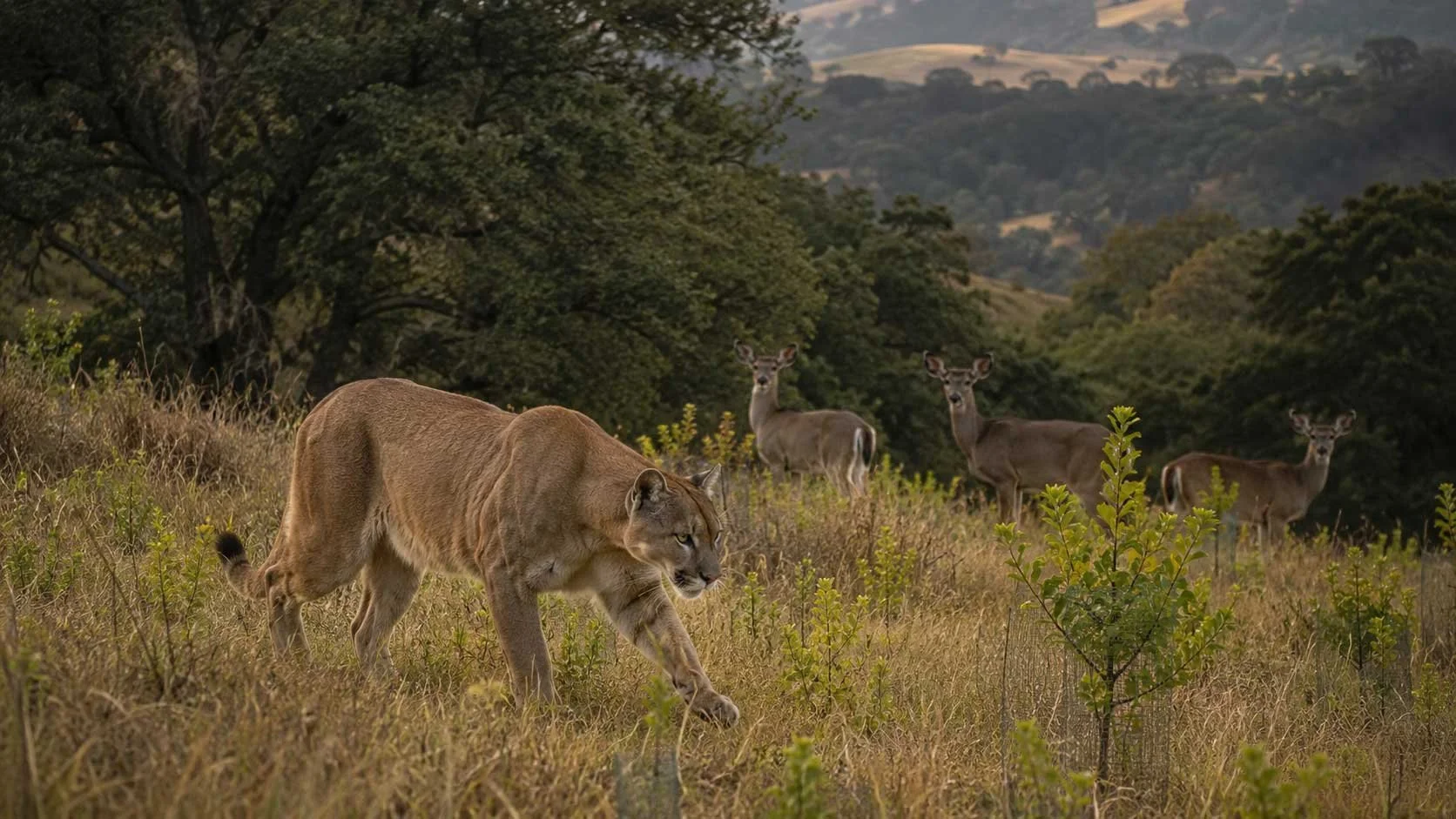
New research from Stanford shows that mountain lions can drive a trophic cascade even in a small suburban nature preserve. Over five years at Jasper Ridge near San Francisco, rising puma activity lowered deer activity and helped young oak trees and woody plants thrive. The cats also reshaped the smaller predators, with coyotes and bobcats declining, gray foxes rising, and rabbits falling. The findings, published in Ecology and Evolution, show that the ecology of fear is not only a Yellowstone phenomenon. Small preserves connected to large wild areas like the Santa Cruz Mountains can host magnificent ecological effects, which makes protecting top predators and keeping habitats connected more important than ever.
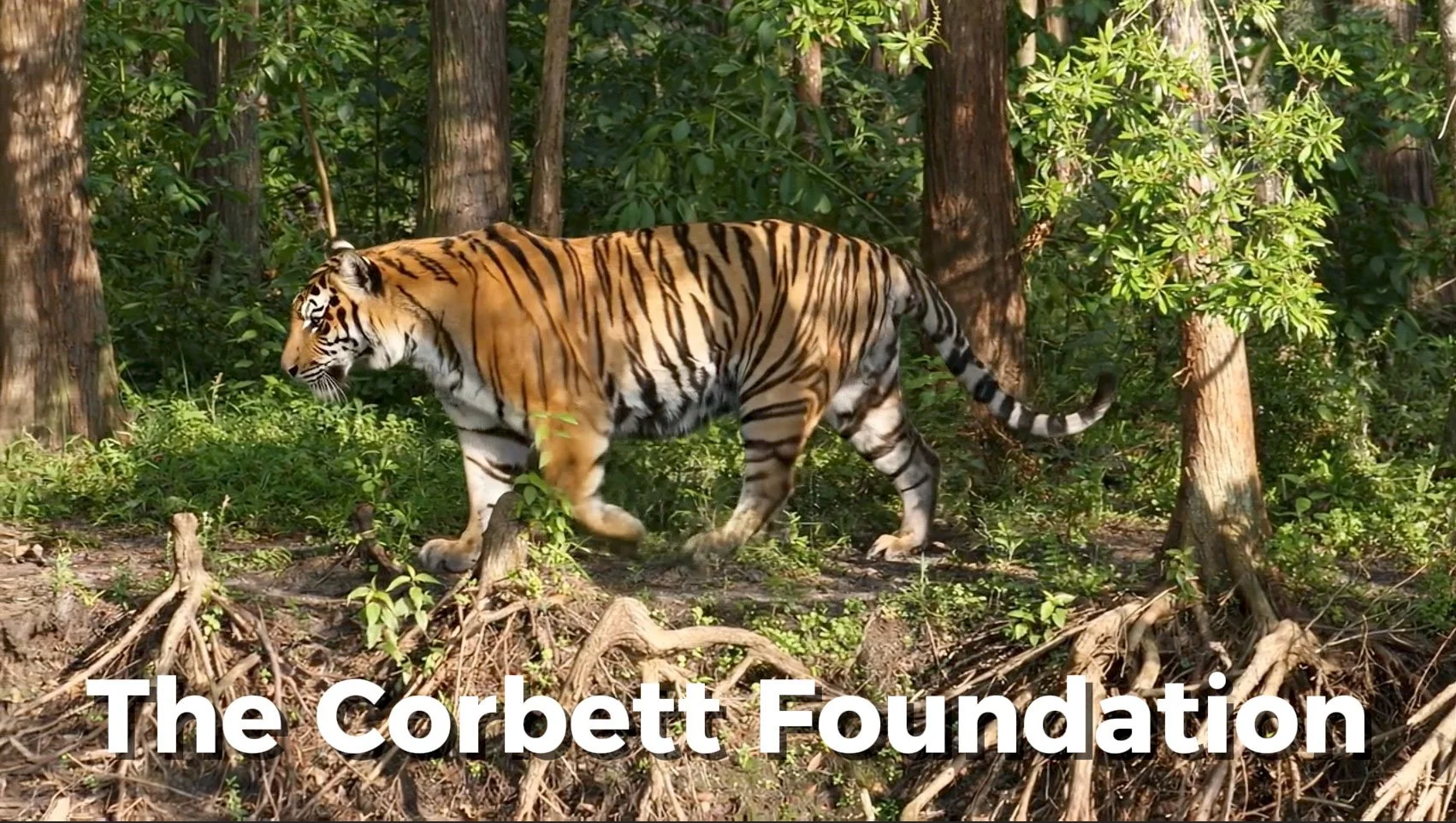
The 2024-25 Annual Report commemorates the 30th anniversary of The Corbett Foundation (TCF), an Indian non-profit established in 1994 to foster human-wildlife coexistence. The document highlights TCF’s expansion from its origins in Uttarakhand to nine distinct landscapes across seven states, focusing on the protection of threatened species like tigers, elephants, and vultures. Key initiatives detailed include the Livestock Compensation Programme, which prevents retaliatory killings, and extensive habitat restoration efforts that have revived thousands of hectares of forests and grasslands. Beyond ecology, the foundation integrates community well-being through rural medical outreach, sustainable livelihood training, and the distribution of green energy solutions. By combining scientific research with grassroots engagement, TCF aims to secure India’s natural heritage while improving the lives of people residing near protected wilderness areas. Collaborative partnerships with government agencies and international conservation bodies remain central to their mission of balancing environmental integrity with social development.
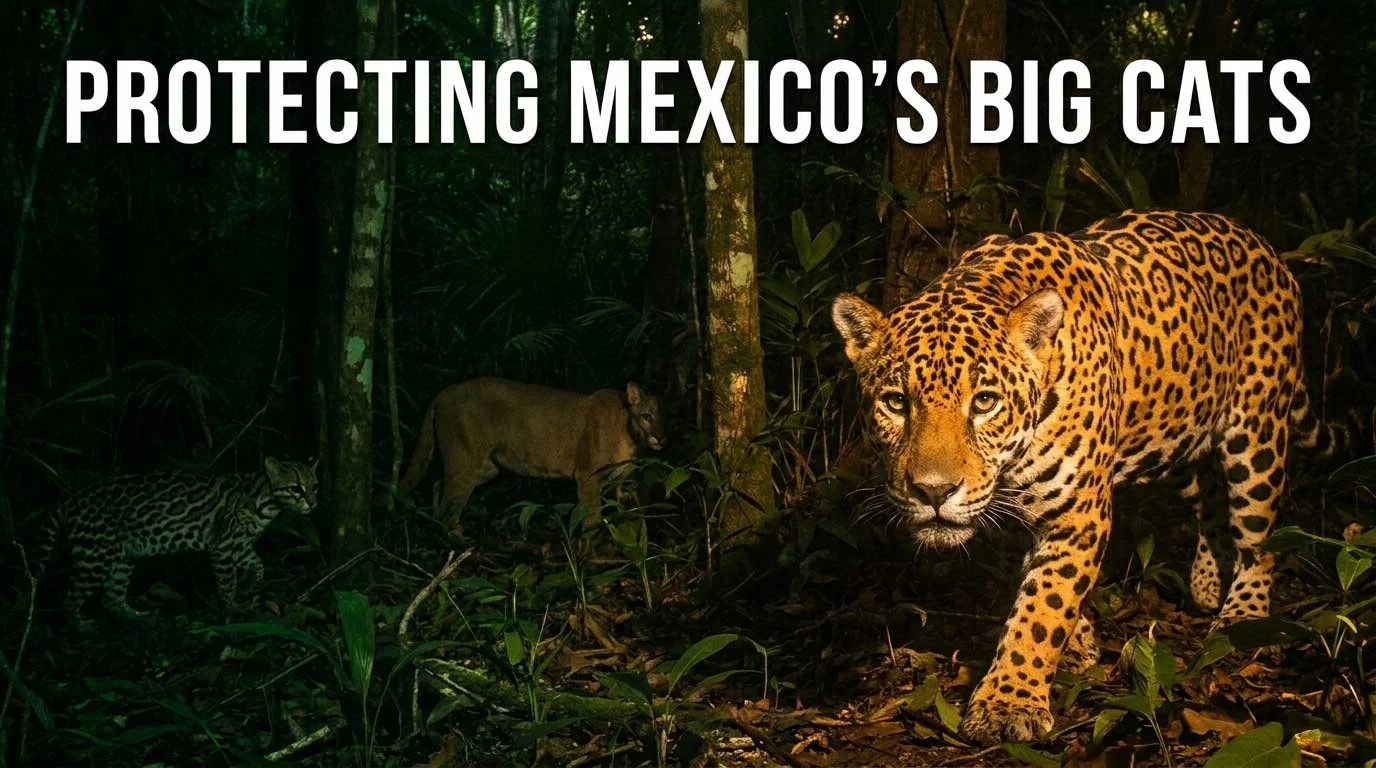
Discover how Big Cat Rescue is partnering with Proyecto AAk Mahahual to protect wild jaguars and ocelots through community coexistence. Read more!

The Nazca cat geoglyph is one of the oldest known Nazca Lines, a 37 meter (120 foot) feline figure carved into a hillside in southern Peru between 200 and 300 BC. Discovered in October 2020 during work on a desert lookout point, the cat was nearly erased by natural erosion. Peru's Ministry of Culture cleared the faint lines by hand to reveal a reclining cat with a round head, pointed ears, and a long striped tail. This guide explains how the Nazca Lines were made, why the cat dates to the earlier Paracas period, and how cats shaped the art and culture of ancient Peru. A calm, educational look at one of the desert's most charming ancient drawings.

Cambodia lost its wild tigers to poaching and was declared tiger free in 2016. Now a plan to reintroduce Bengal tigers from India into the Cardamom Mountains is moving forward. Conservation scientists warn that prey density may be too low, that snaring and poaching remain rampant, that logging and five new hydropower dams threaten the habitat, and that local and Indigenous communities have not been properly consulted. Learn what the tiger reintroduction plan means for wild tigers, for the Cardamom rainforest, and for the people who depend on it, and why getting it right matters for big cat conservation.
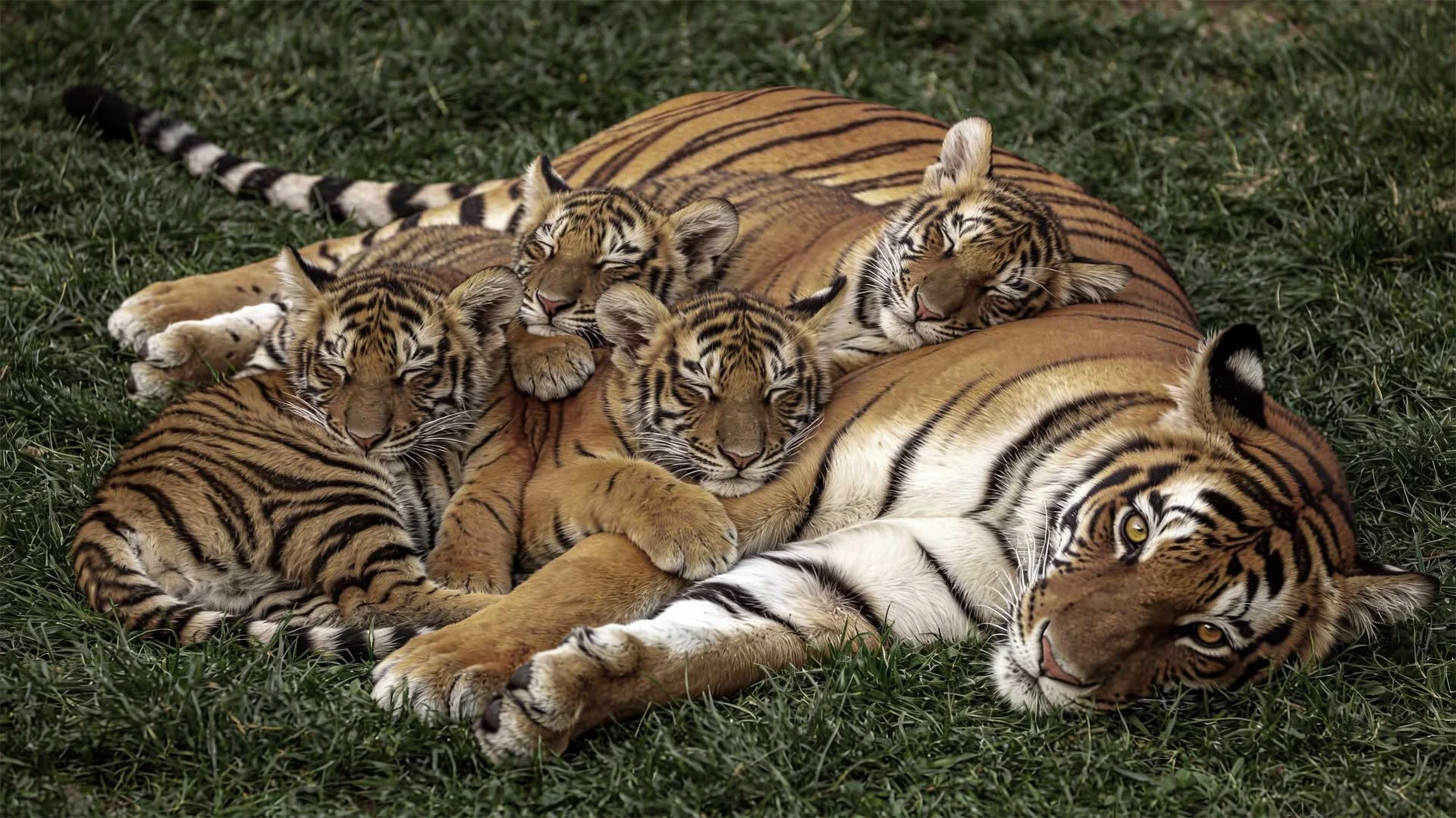
New BBC Earth footage shows two wild Bengal tigers, Goma and Jugini, co-parenting and babysitting each other's cubs, a behavior long thought impossible for these solitary big cats. Learn what wildlife researchers discovered on Tiger Island, why tiger mothers may share parenting to protect cubs from adult males, and how the rare 2006 story of male tiger T-25 raising orphaned cubs in Ranthambore National Park fits the pattern. Big Cat Rescue explains what this rare cooperative behavior reveals about tiger intelligence, social flexibility, and why these endangered cats deserve protection.

The Icarus satellite system, built by the Max Planck Institute of Animal Behavior, is creating an Internet of Animals. Tiny tags track location, movement, heart rate, and body temperature, then send the data to satellites in low Earth orbit. Scientists are training algorithms to recognize the panic patterns animals show when poachers approach, turning tagged herds into a live early warning network. For wild cats like cheetahs, leopards, tigers, lions, and Florida panthers and bobcats, this could mean protection across vast and remote landscapes that no single ranger could ever watch. Learn how Big Cat Rescue is following the Icarus project and how satellite tracking could change the future of wild cat conservation.
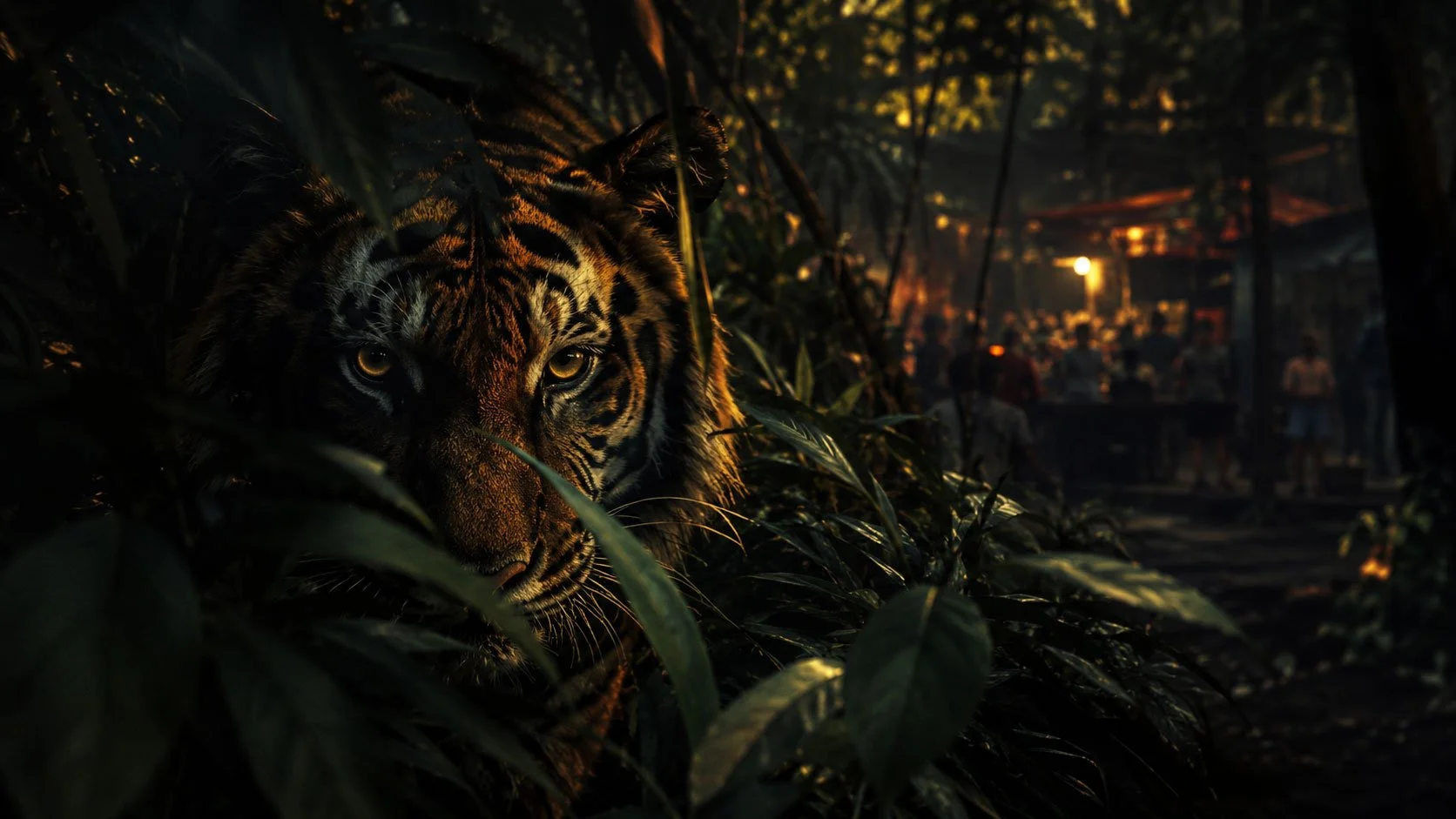

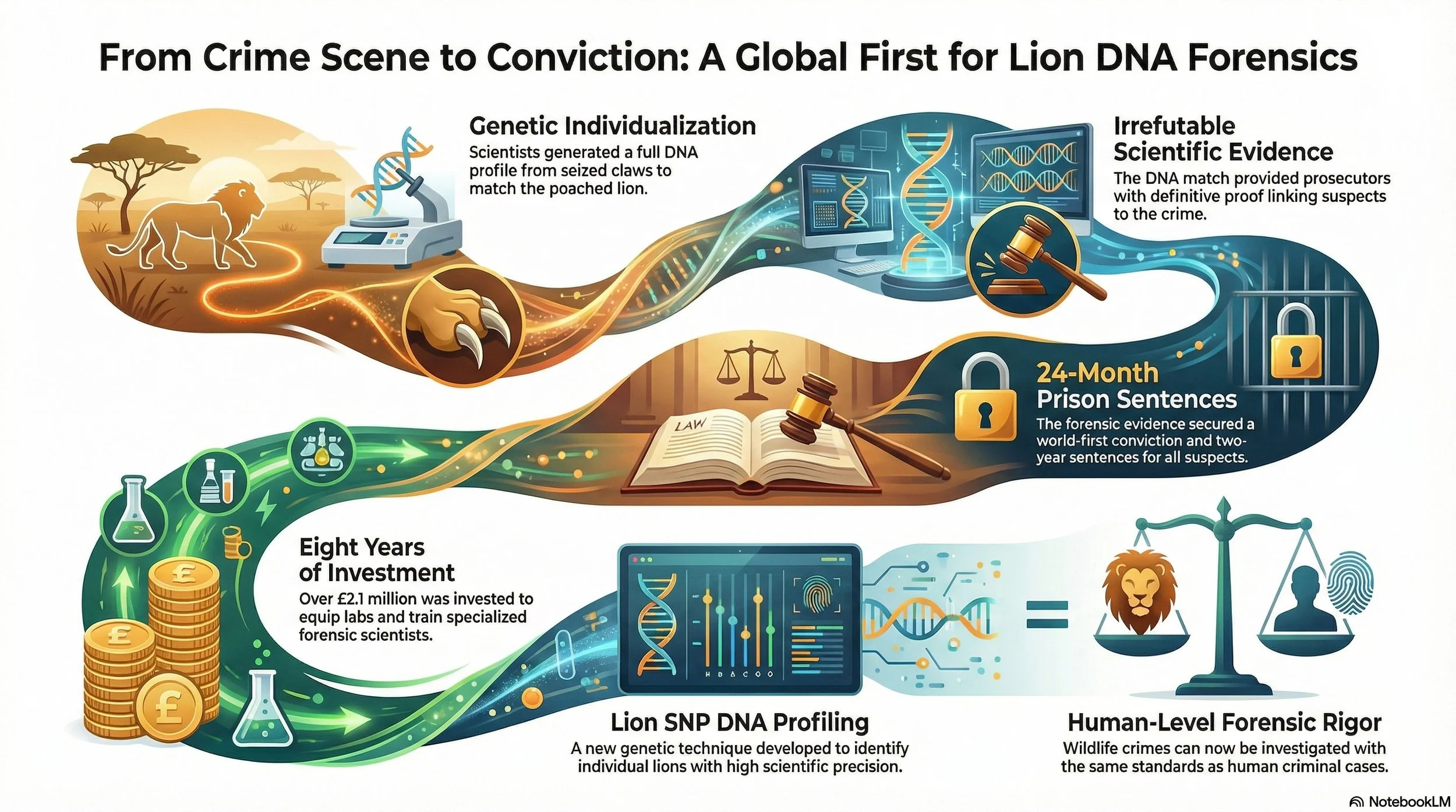
The provided text outlines the organizational goals and operations of Freeland, a non-profit entity dedicated to ending the illegal trade of humans and wildlife. By utilizing a specialized team of law enforcement and technical experts, the group actively disrupts criminal networks while assisting governments and businesses in creating prevention strategies. Their comprehensive approach includes training officers, conducting community patrols, and fostering behavioral changes through public education and awareness campaigns. Beyond enforcement, the organization focuses on environmental restoration and the rehabilitation of animals to ensure the long-term health of global ecosystems. Ultimately, the source serves as an overview of Freeland’s global impact and its ongoing mission to build a world free from exploitation and slavery.
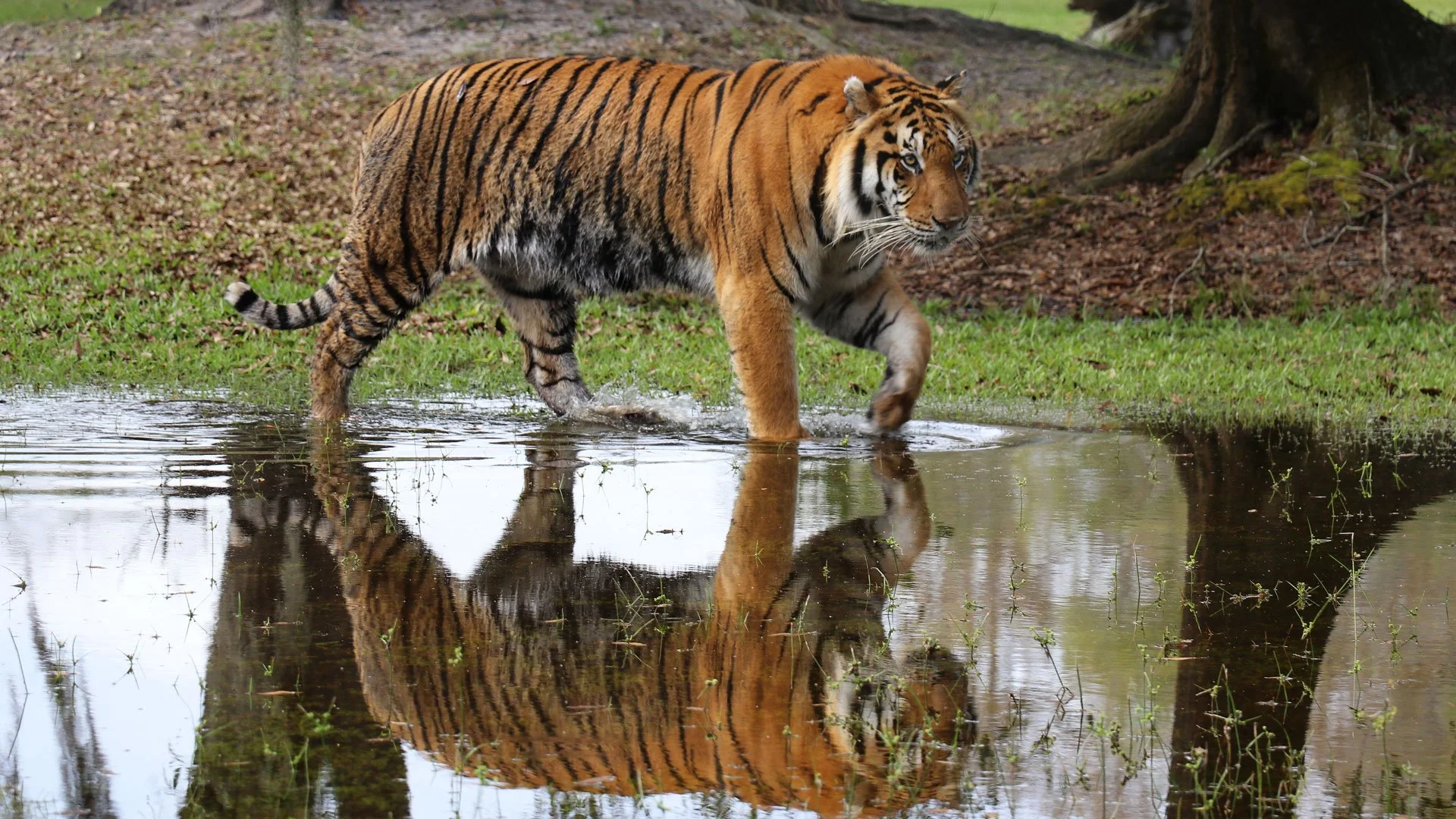
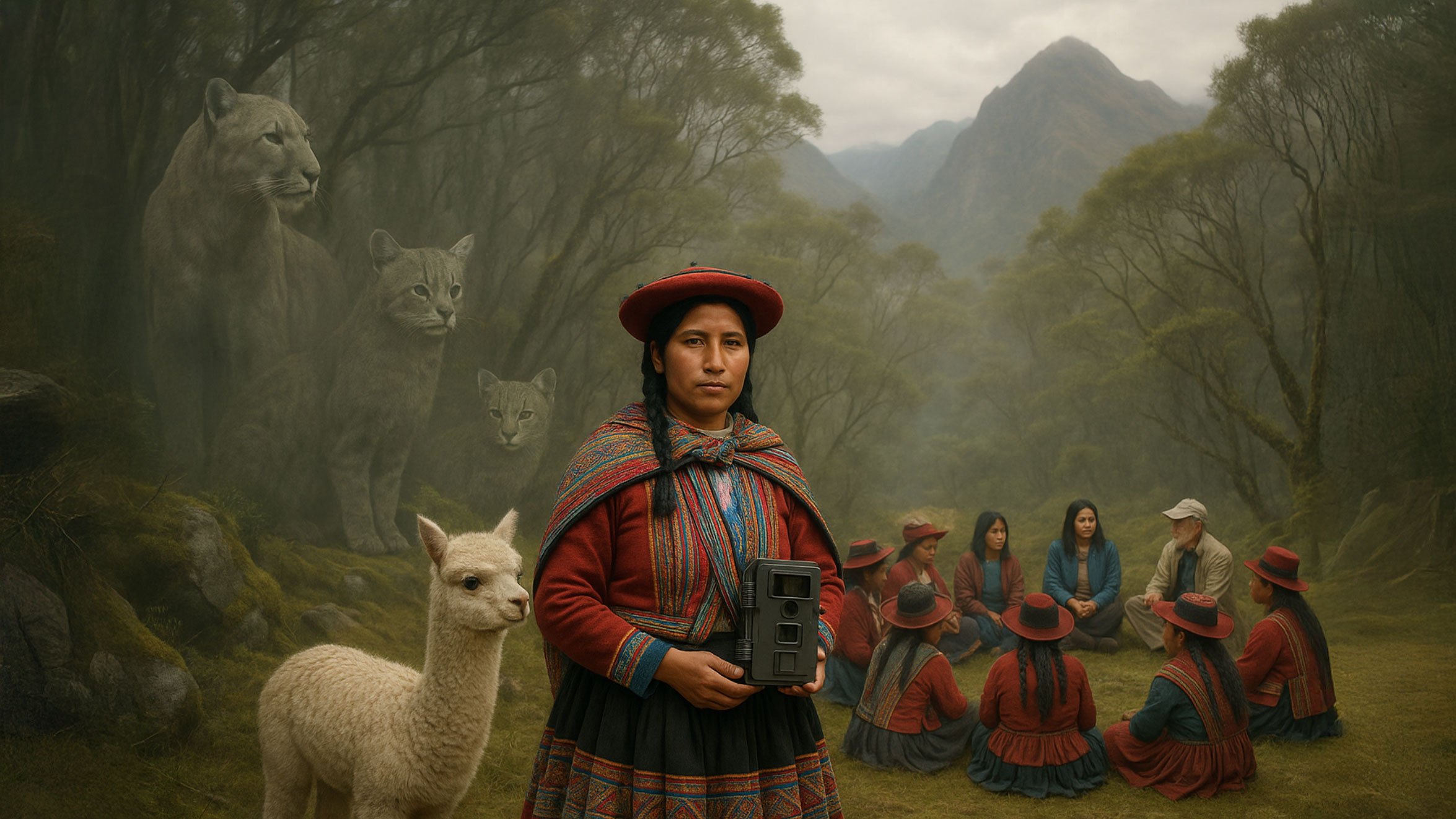
Meta Description: Discover inspiring wild cat conservation initiatives from the Small Wild Cat Conservation Foundation. Learn how organizations like Save Fishing Cats are implementing vital pet vaccination and neutering programs in Sri Lanka to protect local fishing cats and leopards from disease transmission. Plus, explore the incredible community-led success story from the Eastern Himalayas Marbled Cat Project in Meghalaya, India, where indigenous women are replacing traditional clouded leopard hunting rituals with sustainable crochet livelihoods and trail-camera monitoring.

The Fall of Animalandia Maya: Playa del Carmen Shutdown In May 2026, Mexican law enforcement conducted a major raid on Animalandia Maya, a controversial tourist site in Playa del Carmen known for offering photos with exotic wildlife. The operation resulted in the arrest of the owner and several employees, as well as the seizure of tigers, lions, and monkeys that were allegedly being exploited. This intervention followed years of public outcry and pressure from animal welfare organizations regarding the suspected sedation and mistreatment of the animals. While the business has successfully used legal loopholes to reopen after past closures, the scale of this coordinated police action suggests a permanent shutdown. The incident highlights a significant victory for activists fighting against the commercial use of endangered species in the Riviera Maya.
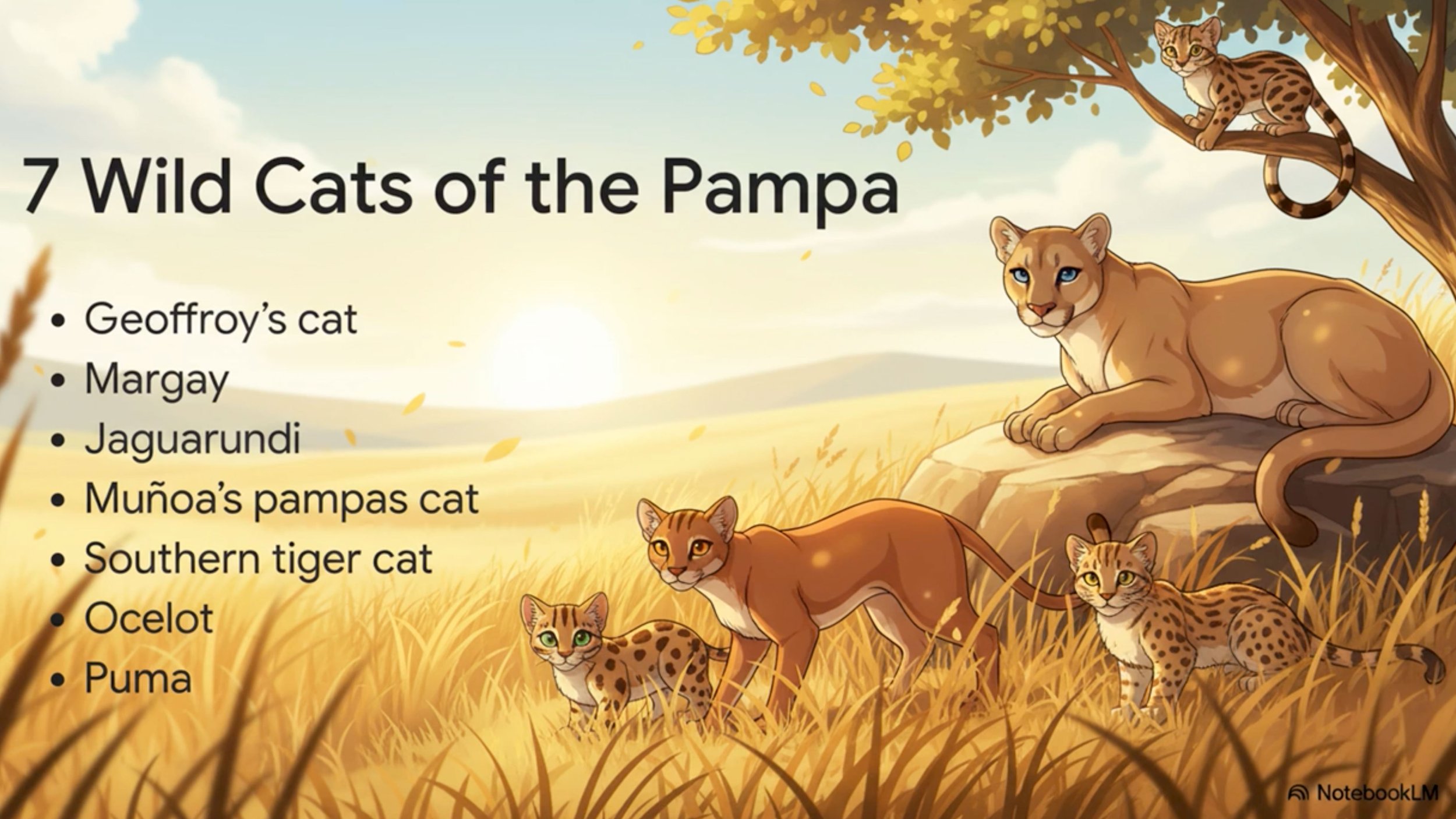
Felinos do Pampa: Conserving the Wild Cats of the Grasslands
The provided sources detail the mission and activities of the Felinos do Pampa Project, a conservation initiative dedicated to protecting wild cats in the Pampa biome of southern Brazil. This research group focuses on species like the Muñoa’s Pampas cat and the southern tiger cat, utilizing tools such as GPS collars and camera traps to monitor their survival in fragmented habitats. Beyond field research, the organization works to mitigate human-wildlife conflict by installing wildlife road signage and constructing predator-proof enclosures for livestock. The documentation also highlights recent viral media coverage and academic studies regarding how urban development and environmental changes affect feline migration routes. Ultimately, the project seeks to balance scientific research with community education to ensure these rare small felids can coexist with local human populations.
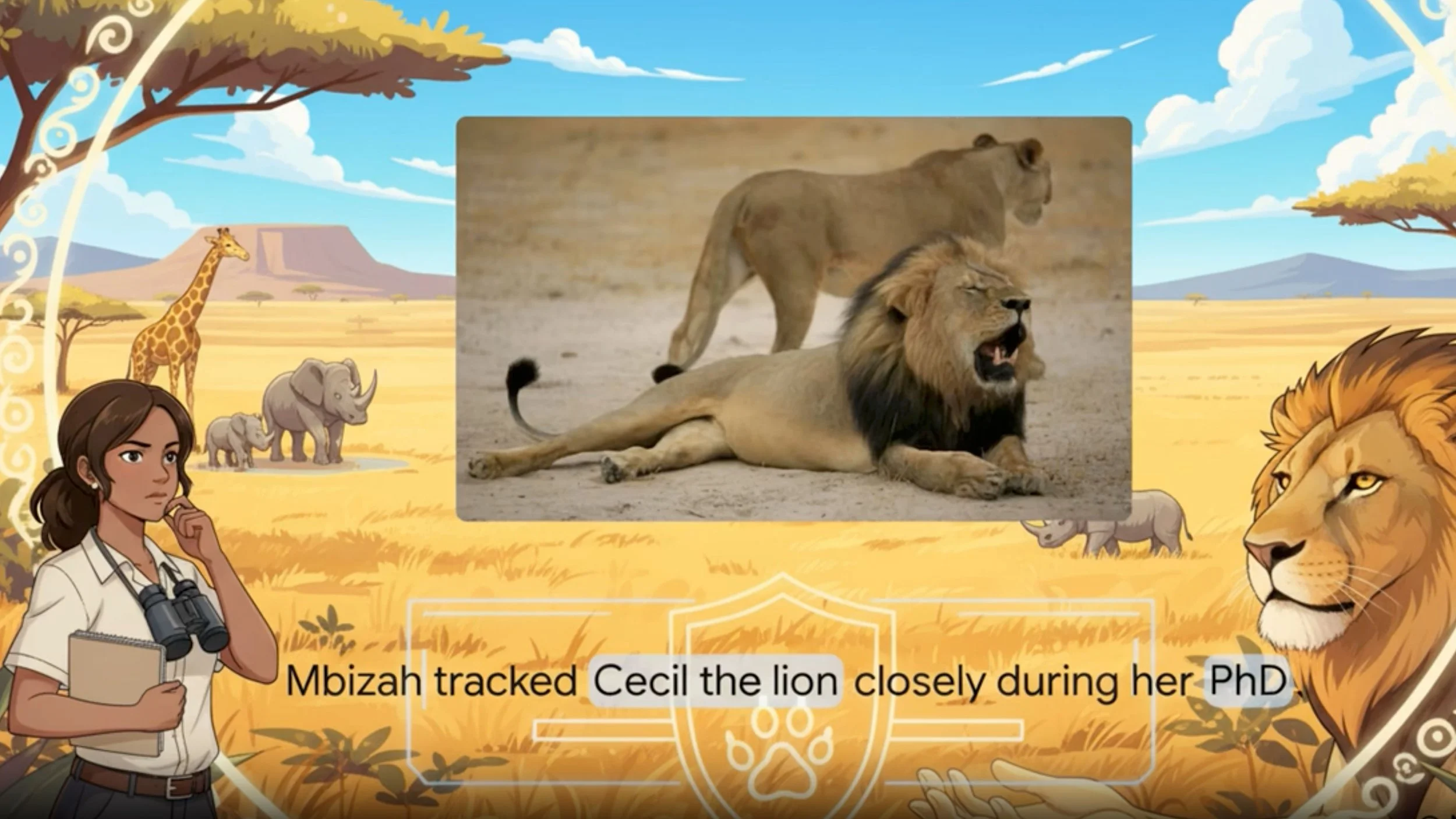
Moreangels Mbizah: Pioneering Human-Wildlife Coexistence in Zimbabwe
Biologist Moreangels Mbizah founded Wildlife Conservation Action in Zimbabwe to address the tragic consequences of human-wildlife conflict. Her mission shifted after witnessing a lion attack on a young child, leading her to realize that protecting nature requires supporting the local communities living alongside it. The organization utilizes innovative tools like GPS tracking and mobile bomas—opaque enclosures that prevent predators from seeing and attacking livestock. These community-led strategies have successfully reduced lethal encounters by up to 98% in targeted regions, safeguarding both vulnerable lion populations and the livelihoods of rural villagers. Additionally, Mbizah serves as a pioneer for African women in the field by providing mentorship and outreach to ensure a more inclusive future for conservation efforts. Through this holistic approach, she demonstrates that the survival of apex predators is inextricably linked to the security of the people who share their habitat.
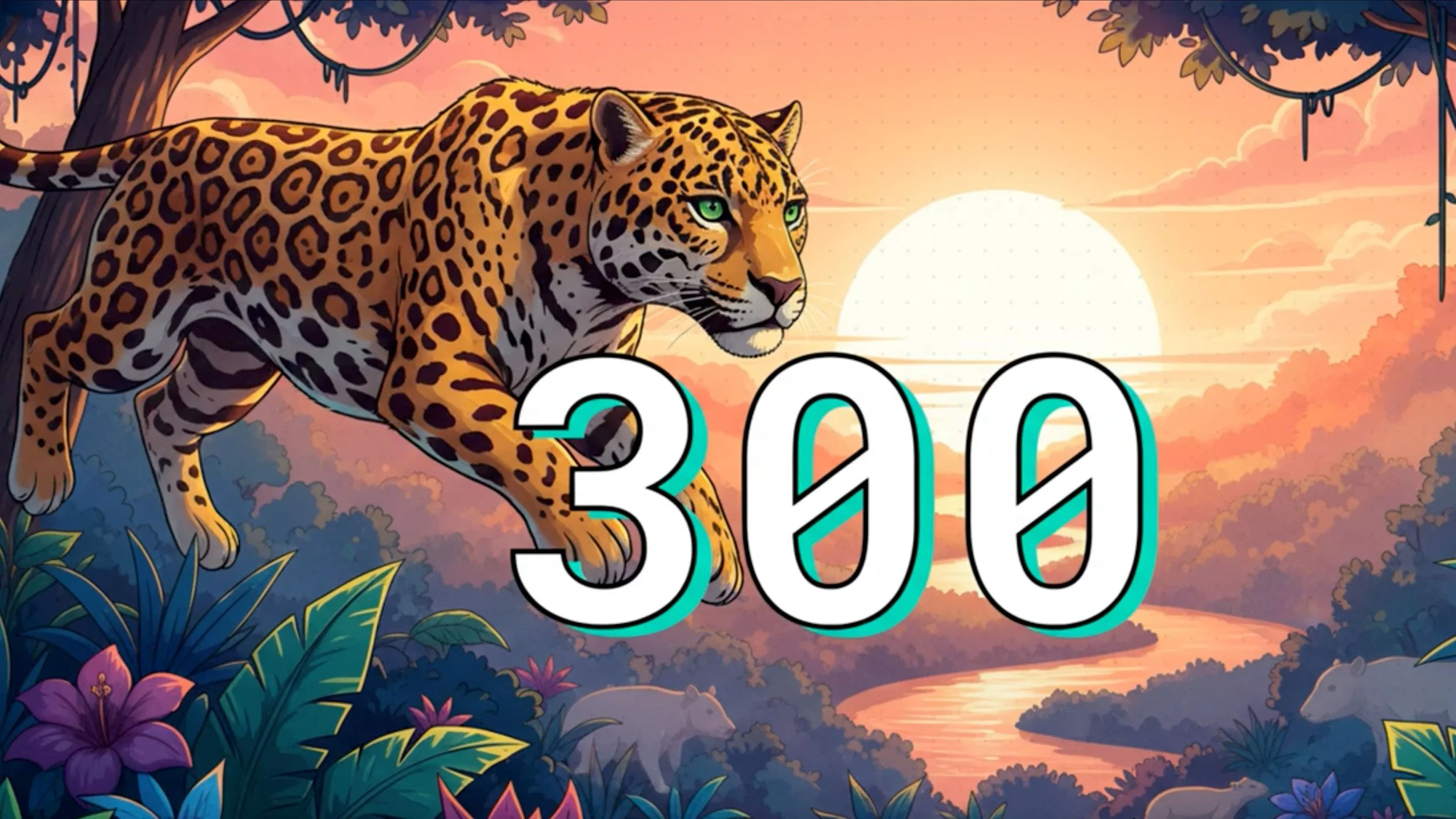
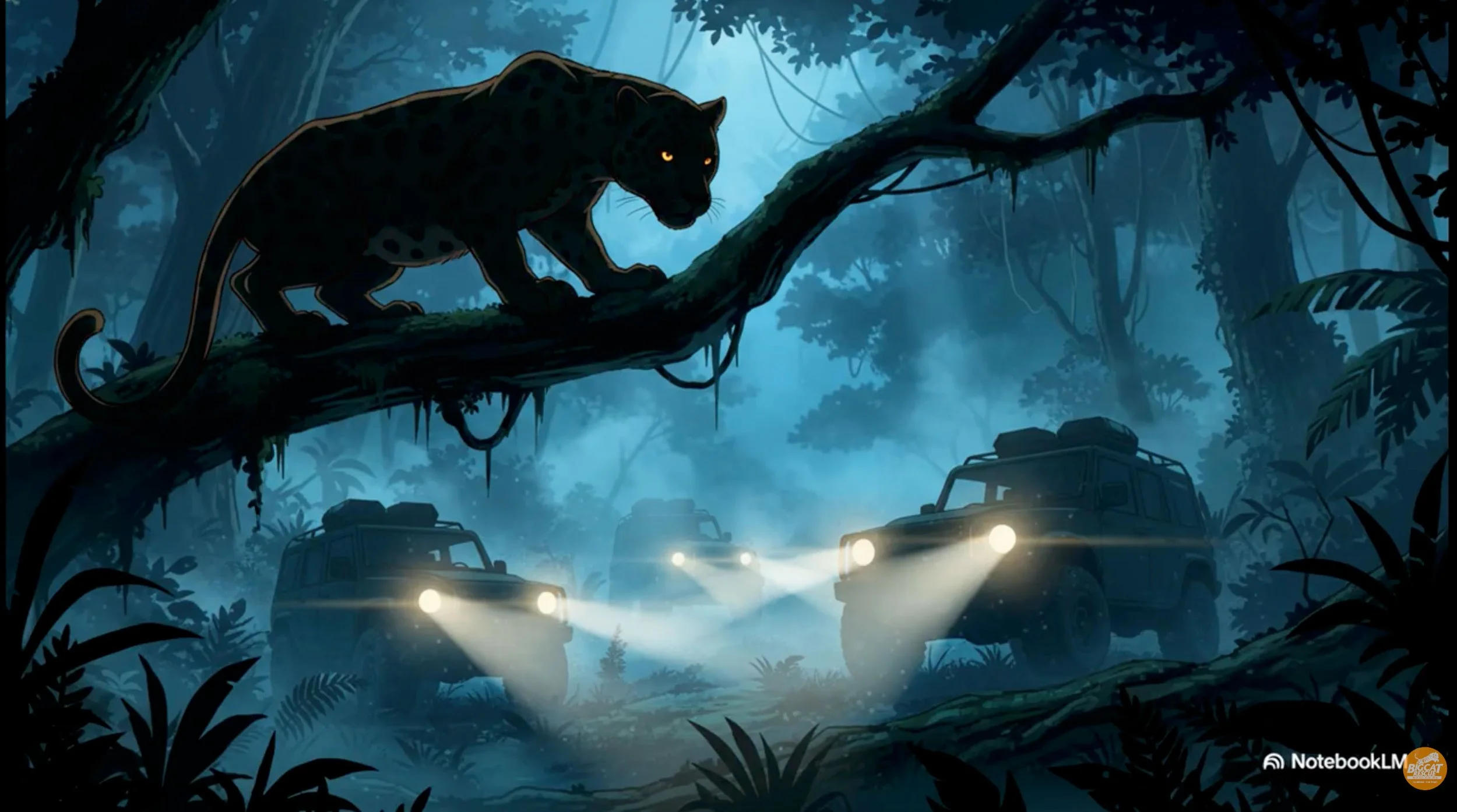
A recent camera trap sighting of a male jaguar at an elevation of 2,200 meters in Honduras has sparked optimism among conservationists. This rare encounter in the Sierra del Merendón mountains is significant because these big cats typically reside in lower habitats, suggesting they are using high-altitude corridors to travel between fragmented landscapes. While the species faces ongoing threats from deforestation, poaching, and climate change, this discovery indicates that protected areas and anti-poaching efforts may be facilitating their return to historical territories. Global and local initiatives like the Jaguar 2030 Roadmap aim to further secure these vital migratory paths to ensure the predator's long-term survival. Ultimately, the presence of this "cloud jaguar" reaffirms the resilience of the species and the importance of maintaining ecological connectivity across Central America.
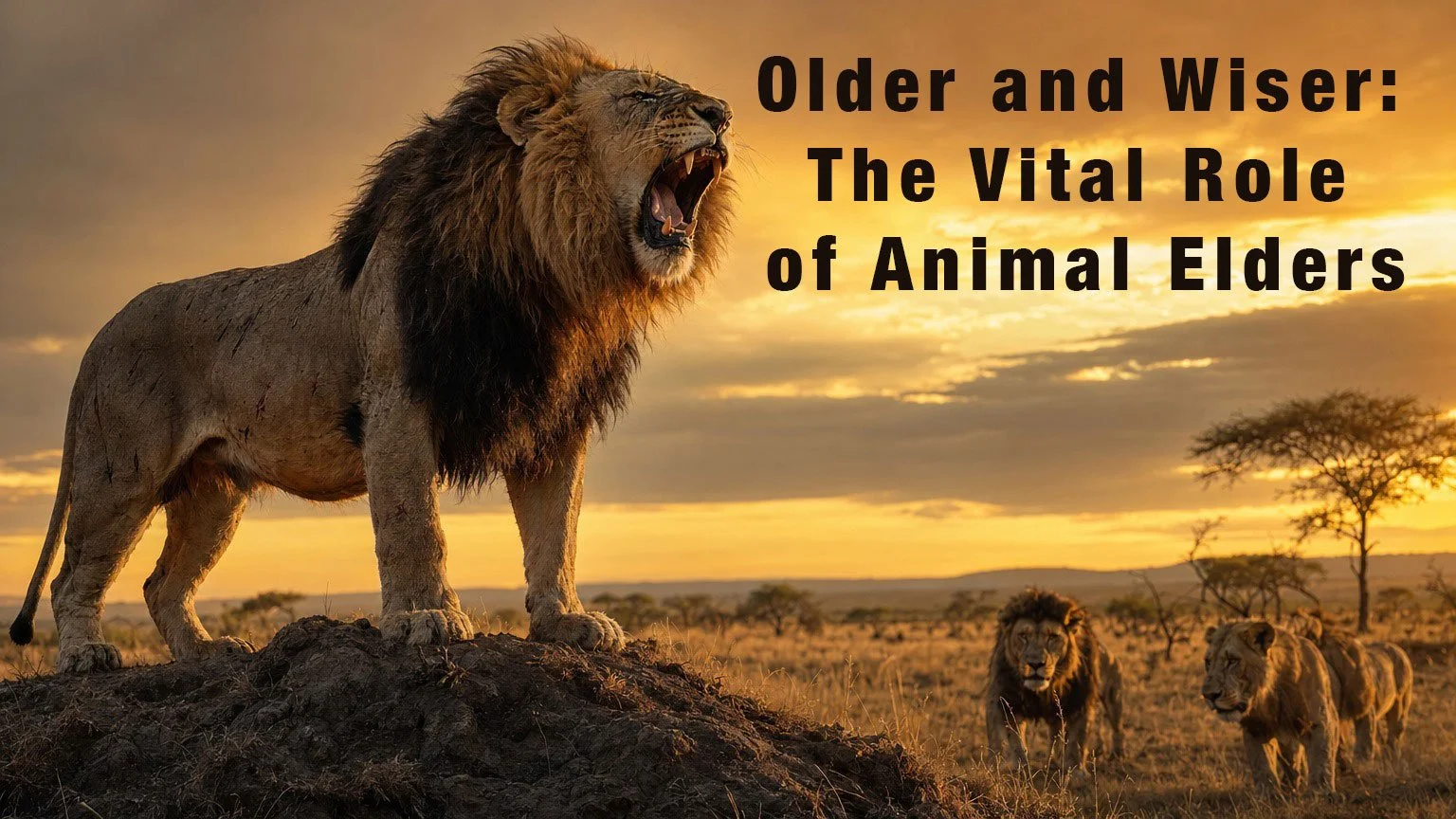
Older and Wiser: The Vital Role of Animal Elders
Recent research emphasizes that older animals are vital for the survival of wildlife populations because they possess accumulated knowledge and specialized skills. These elders serve as essential leaders who guide their groups toward resources and help maintain social stability among younger individuals. Beyond their wisdom, aging members often provide enhanced reproductive success and possess stronger immune systems developed over time. Traditional conservation efforts frequently focus on total population counts, yet this source argues that protecting the age structure is just as critical. The loss of these senior animals through human activities can result in a profound disappearance of survival strategies that simple numbers cannot replace.
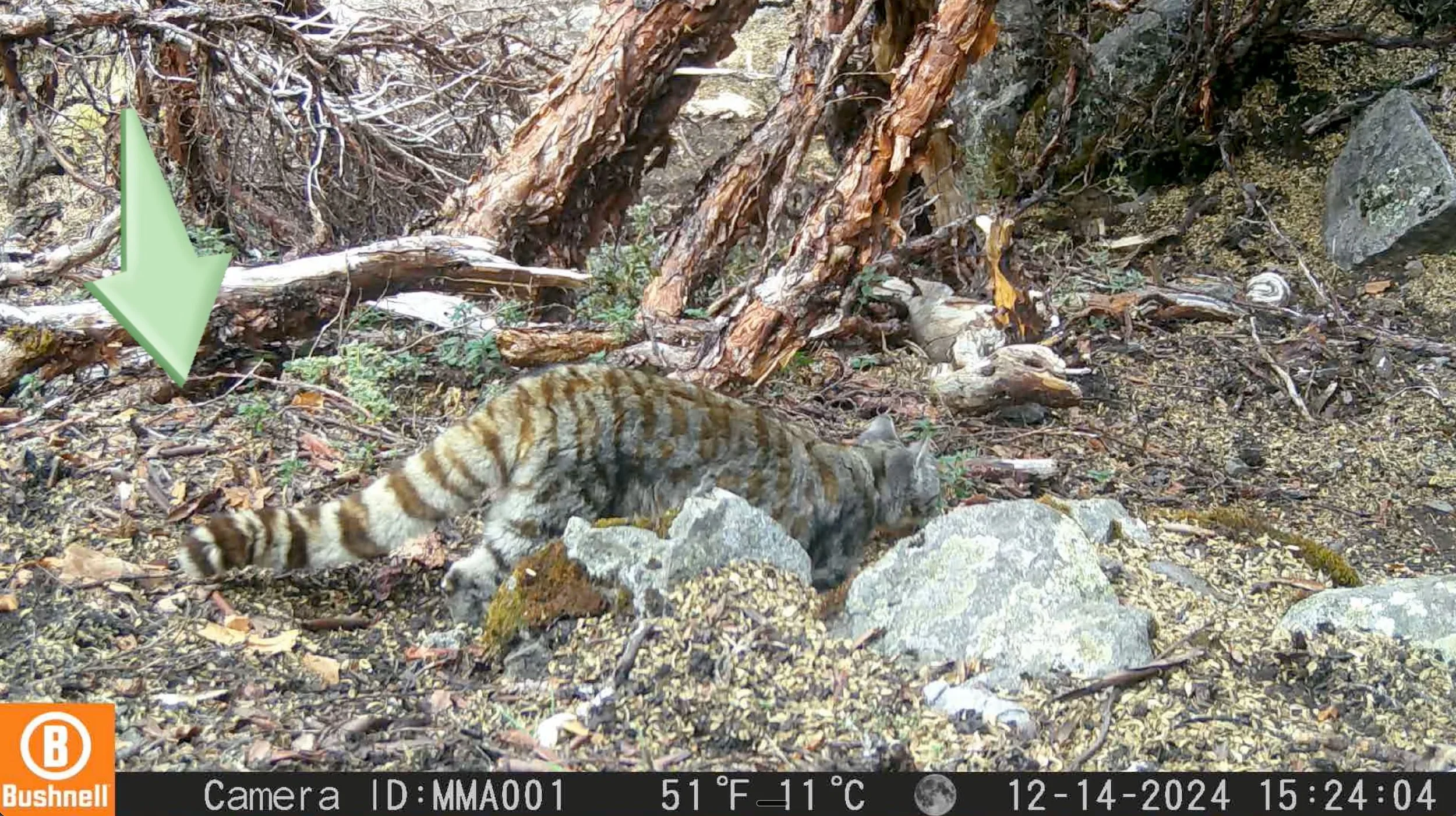
These sources examine the genetic crisis facing isolated wild cat populations, where human-driven habitat fragmentation forces inbreeding and triggers a decline in biological fitness. Researchers identify morphological abnormalities, such as kinked tails and thoracic cowlicks, as visible biomarkers of a deeper "extinction vortex" that includes heart defects and reproductive failure. While the Florida panther serves as a primary case study for these issues, the texts document similar patterns of genomic decay in California mountain lions, European wildcats, ocelots, jaguarundi, Andean cats, cheetahs and Asiatic lions. Conservationists highlight the 1995 genetic restoration project in Florida—which used Texas pumas to diversify the gene pool—as a successful model for reversing these trends. Ultimately, the literature advocates for wildlife crossings and habitat corridors to restore natural gene flow and ensure the long-term survival of apex predators.
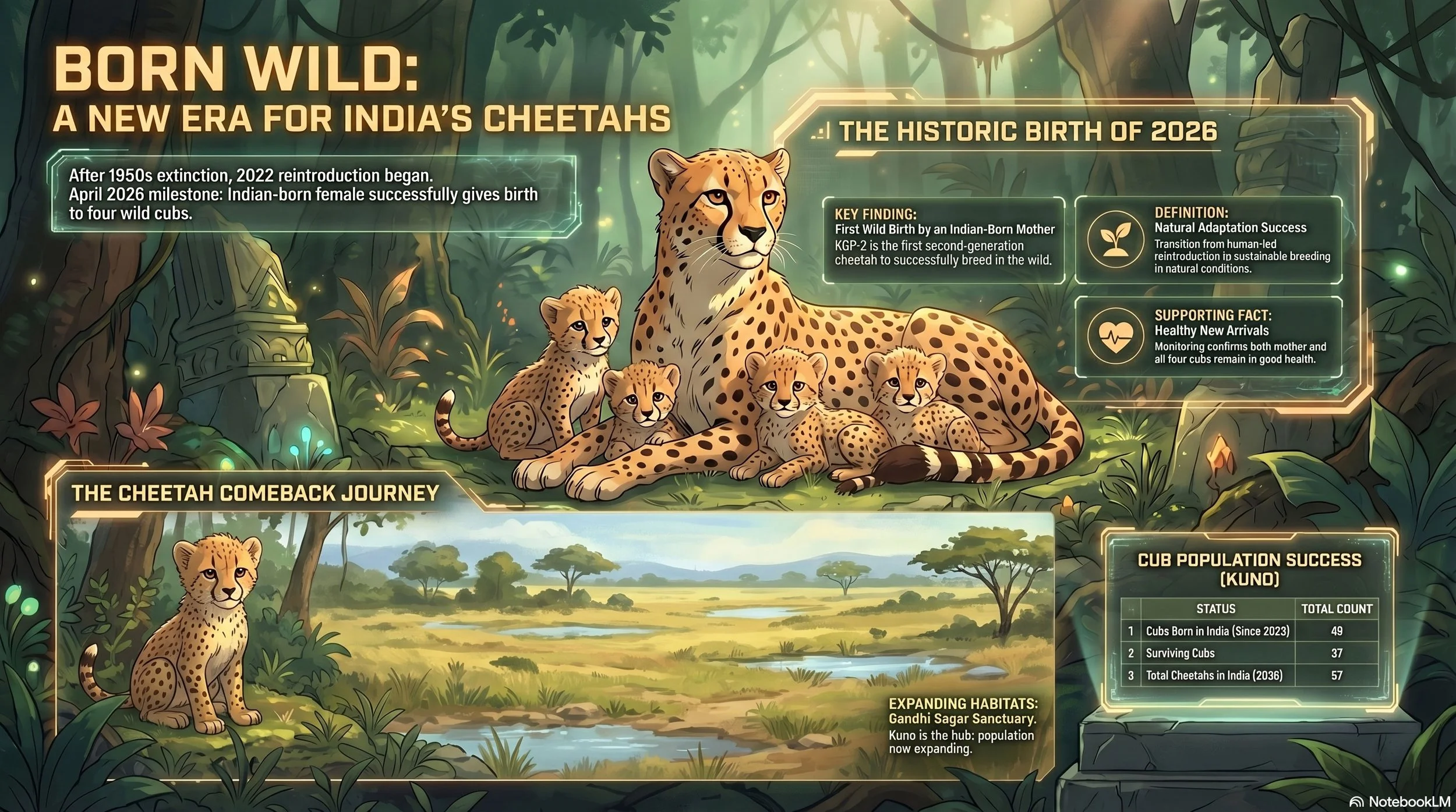
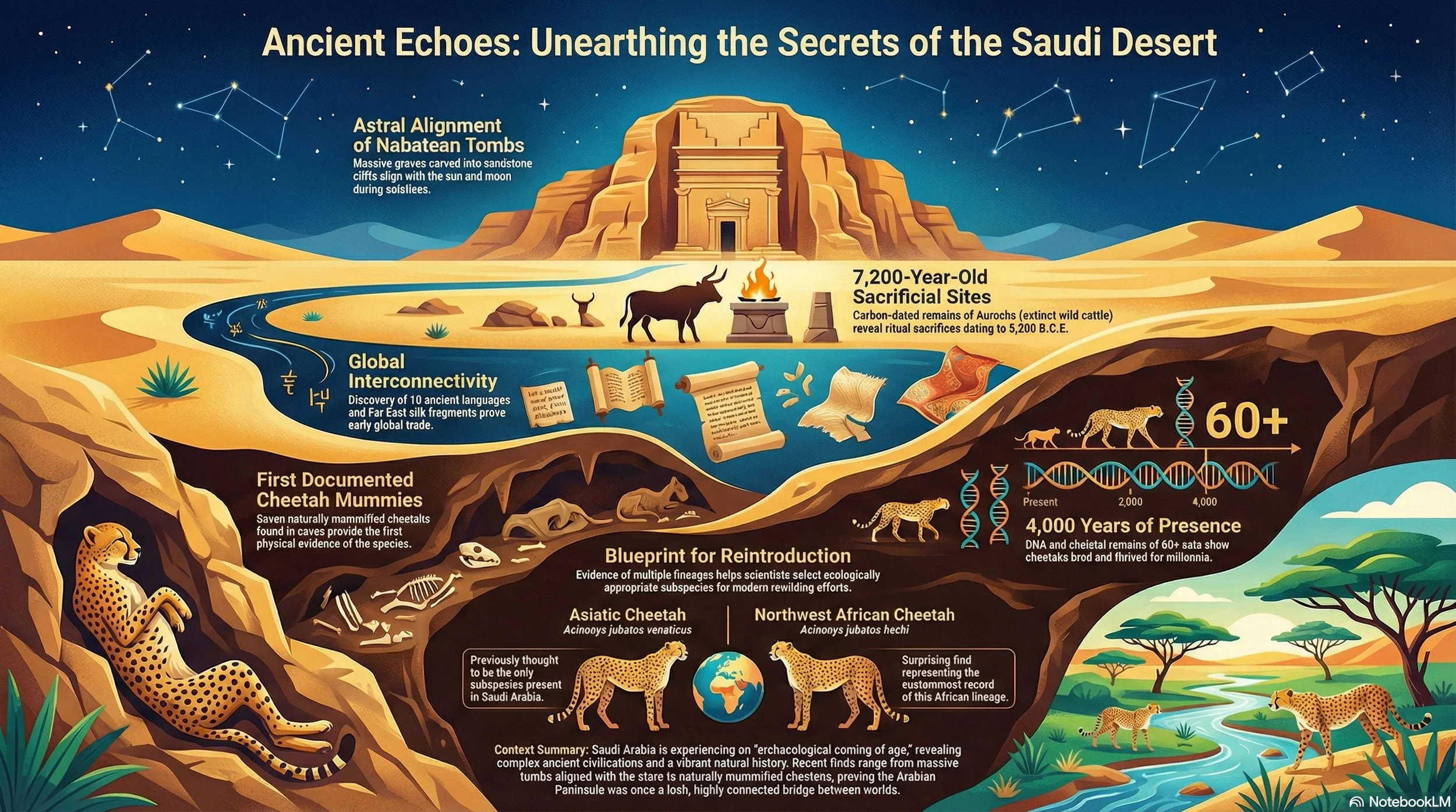
A female cheetah named KGP-2 has successfully delivered four cubs at Kuno National Park, marking a major achievement for India's wildlife restoration efforts. This event is particularly notable because the mother is a second-generation resident born in India, proving that the species can thrive and reproduce naturally in its new environment. With these new arrivals, the country’s total population of these big cats has climbed to 57 individuals across different sanctuaries. Government officials and conservationists view this milestone as evidence that the local ecosystem is capable of supporting the long-term sustainability of the species. This growth follows other recent births, signaling a transition from mere relocation to a self-sustaining biological success. Environmental leaders believe these developments solidify the region's status as a premier global hub for cheetah conservation.
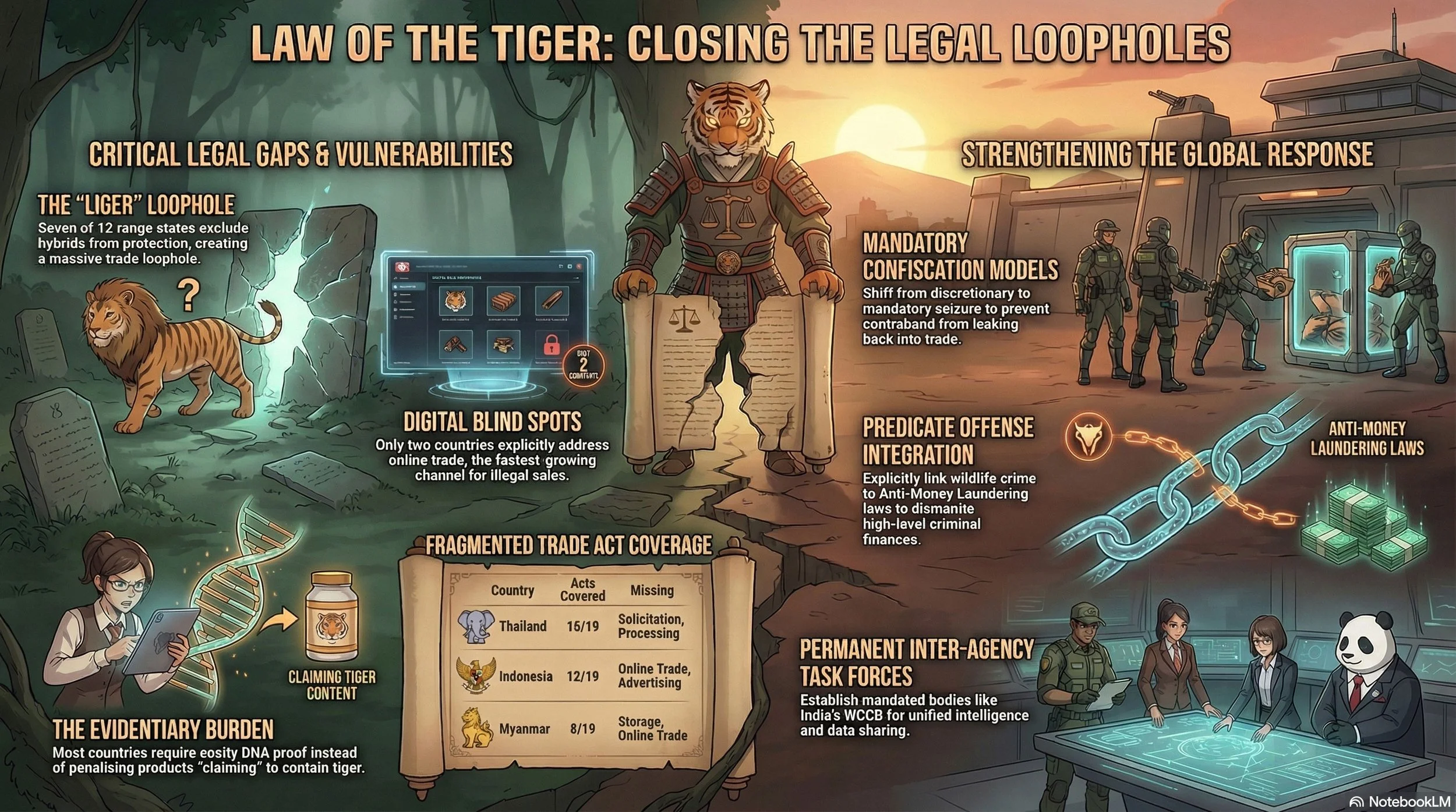
This report, titled Law of the Tiger, provides a comprehensive 2025 analysis of the legal frameworks governing tiger trafficking across twelve range states. It evaluates how national laws address critical issues such as interagency enforcement, mandatory confiscation, and the regulation of captive breeding facilities. The authors identify significant legal gaps regarding digital marketplaces, the status of hybrid tigers, and the management of confiscated stockpiles. To combat the transnational organized crime of wildlife trade, the document advocates for standardized definitions, enhanced investigative powers for frontline officers, and the integration of anti-money laundering tools. Ultimately, the publication serves as a guide for governments to harmonize their criminal justice responses and strengthen protections for wild tiger populations.
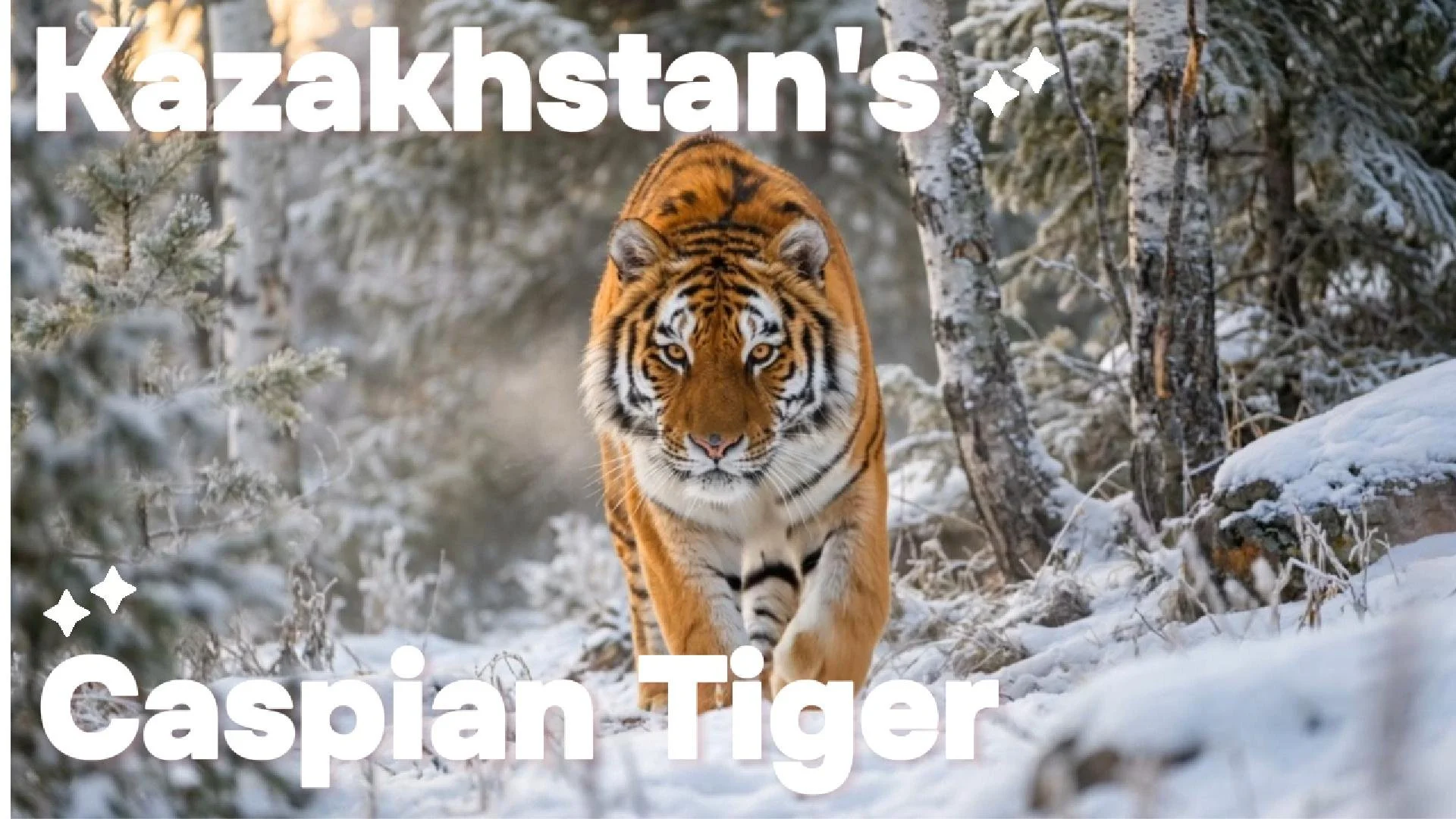
This article describes a monumental conservation initiative in Kazakhstan aimed at restoring the tiger population after more than seven decades of absence. To prepare for the predators’ arrival, the government and international partners have launched a massive reforestation project, planting tens of thousands of trees to create a sustainable habitat in the South Balkhash region. While two captive Amur tigers are already being used for breeding, the program anticipates the arrival of wild tigers from Russia by 2026. The strategy also includes efforts to rebuild prey populations and implement safety measures to ensure peaceful coexistence with local communities. This multifaceted approach seeks to revive a functioning ecosystem by reintroducing its most iconic apex predator.
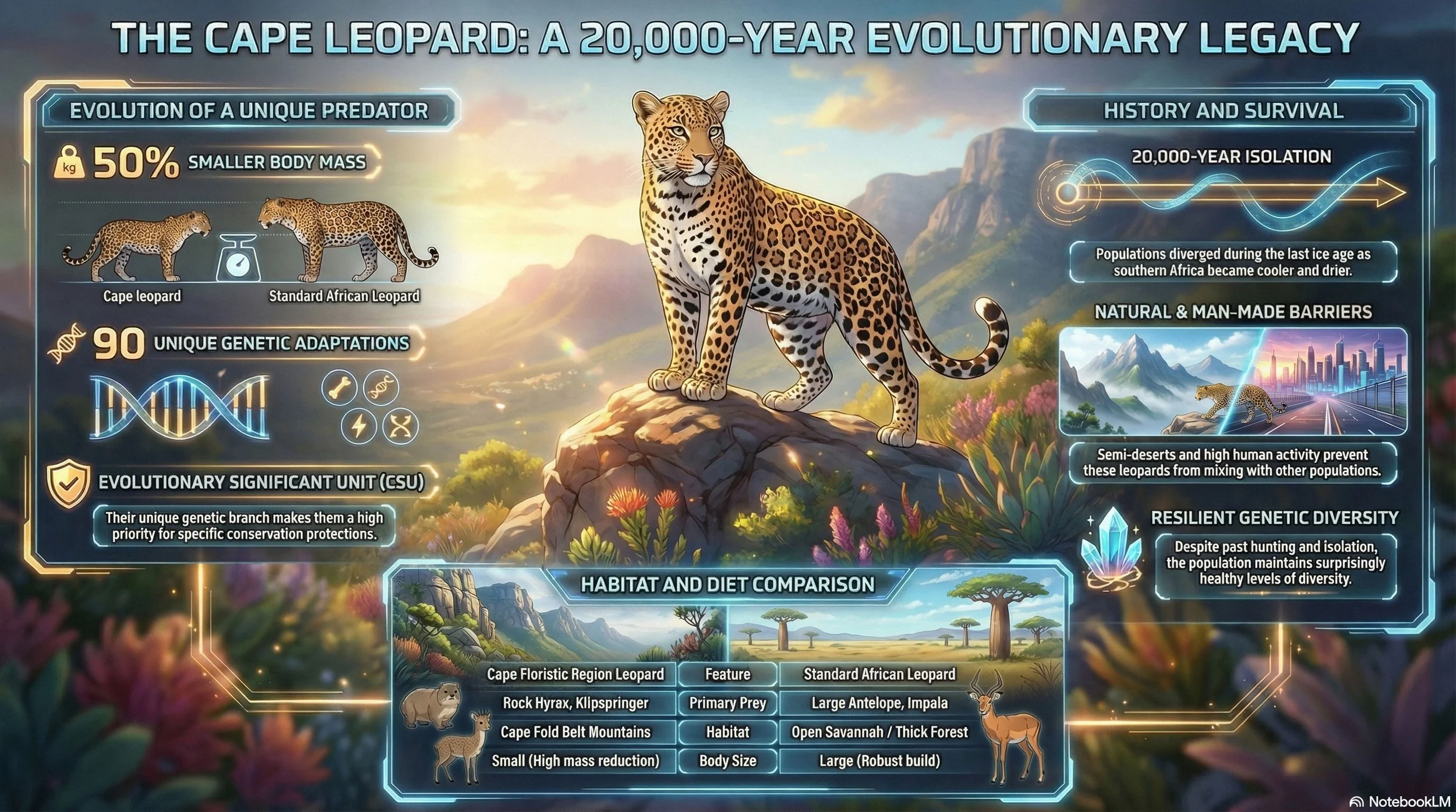
Researchers have discovered that leopards inhabiting South Africa’s Cape Floristic Region are a genetically distinct population that has evolved separately from other African leopards for over 20,000 years. These cats are significantly smaller in size, an physical trait driven by specific genetic adaptations to a unique environment with limited prey rather than mere isolation. While their numbers were previously decimated by human hunting and habitat loss, genomic analysis reveals surprisingly healthy levels of genetic diversity within the remaining population. This scientific breakthrough identifies the Cape leopard as an evolutionarily significant unit, highlighting an urgent need for specialized conservation strategies to protect their mountain corridors. Preserving these predators requires mitigating human conflict and ensuring landscape connectivity to safeguard a unique evolutionary legacy.