Heroes of the Wetlands: Meet the Champions Saving Asia's Fishing Cats
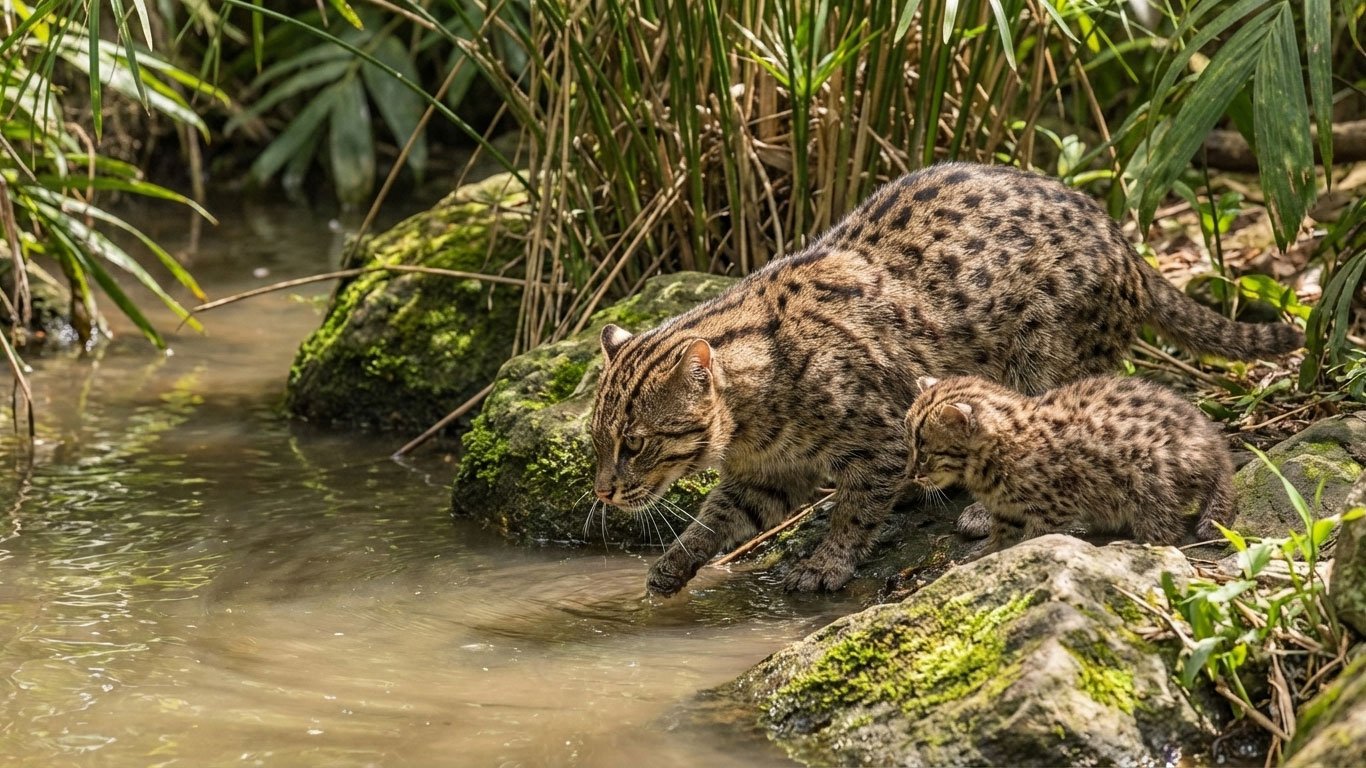
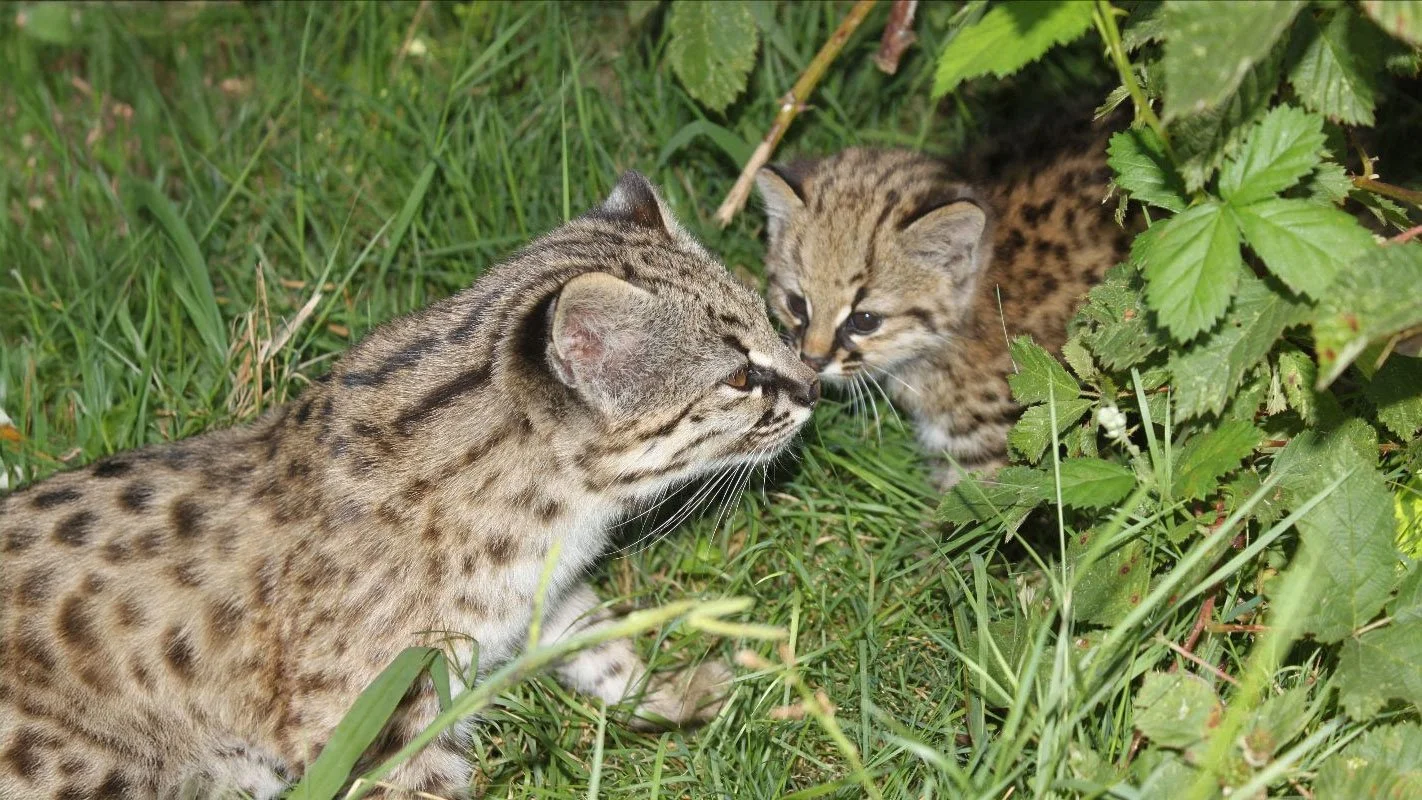
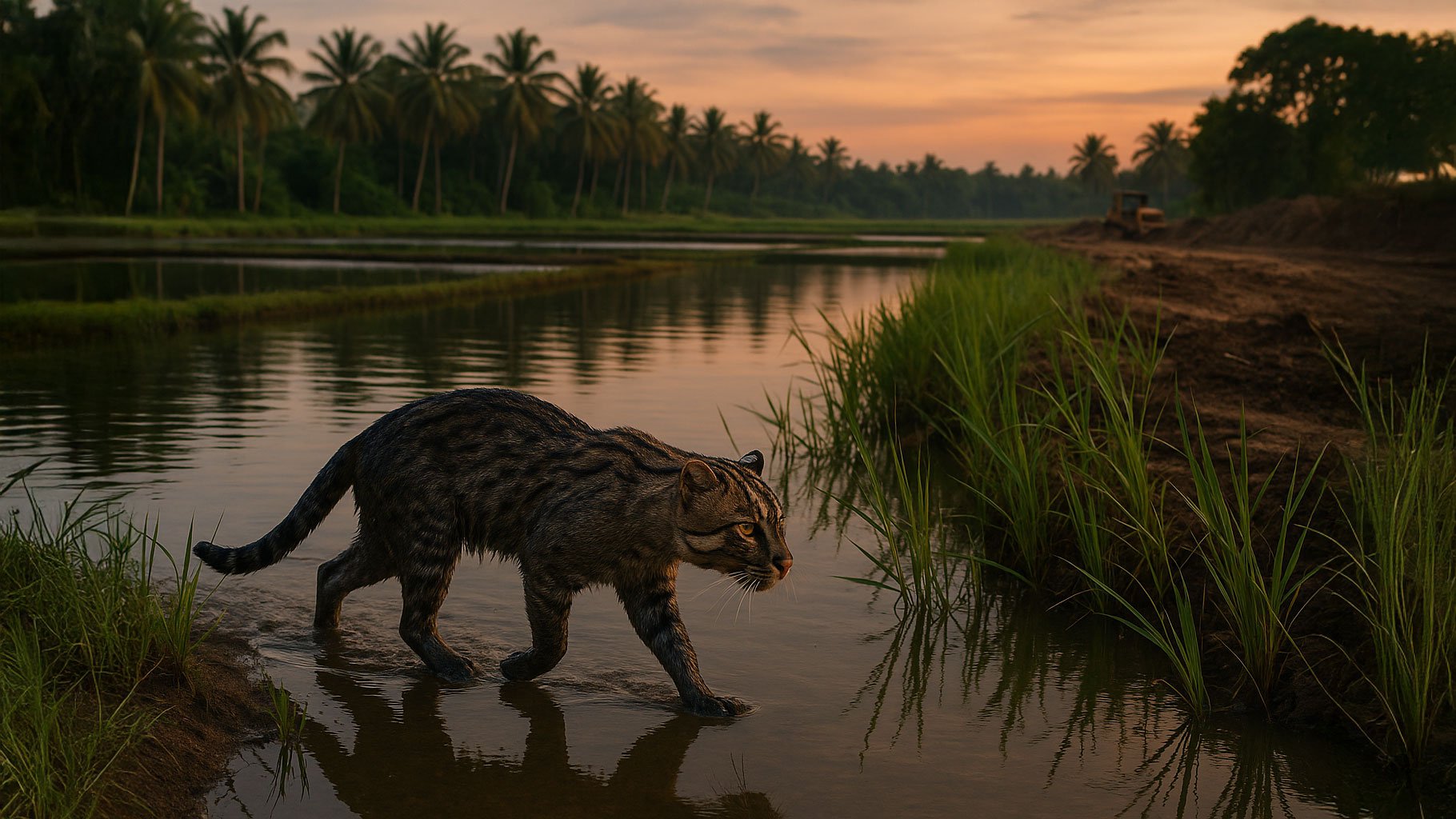
A photo realistic image of a fishing cat and her kitten. The tails are only half as long as a domestic cat and the ears are very small, rounded and set low. They should be in a typical waterside environment for a fishing cat. Created w/ AI via OpenArt
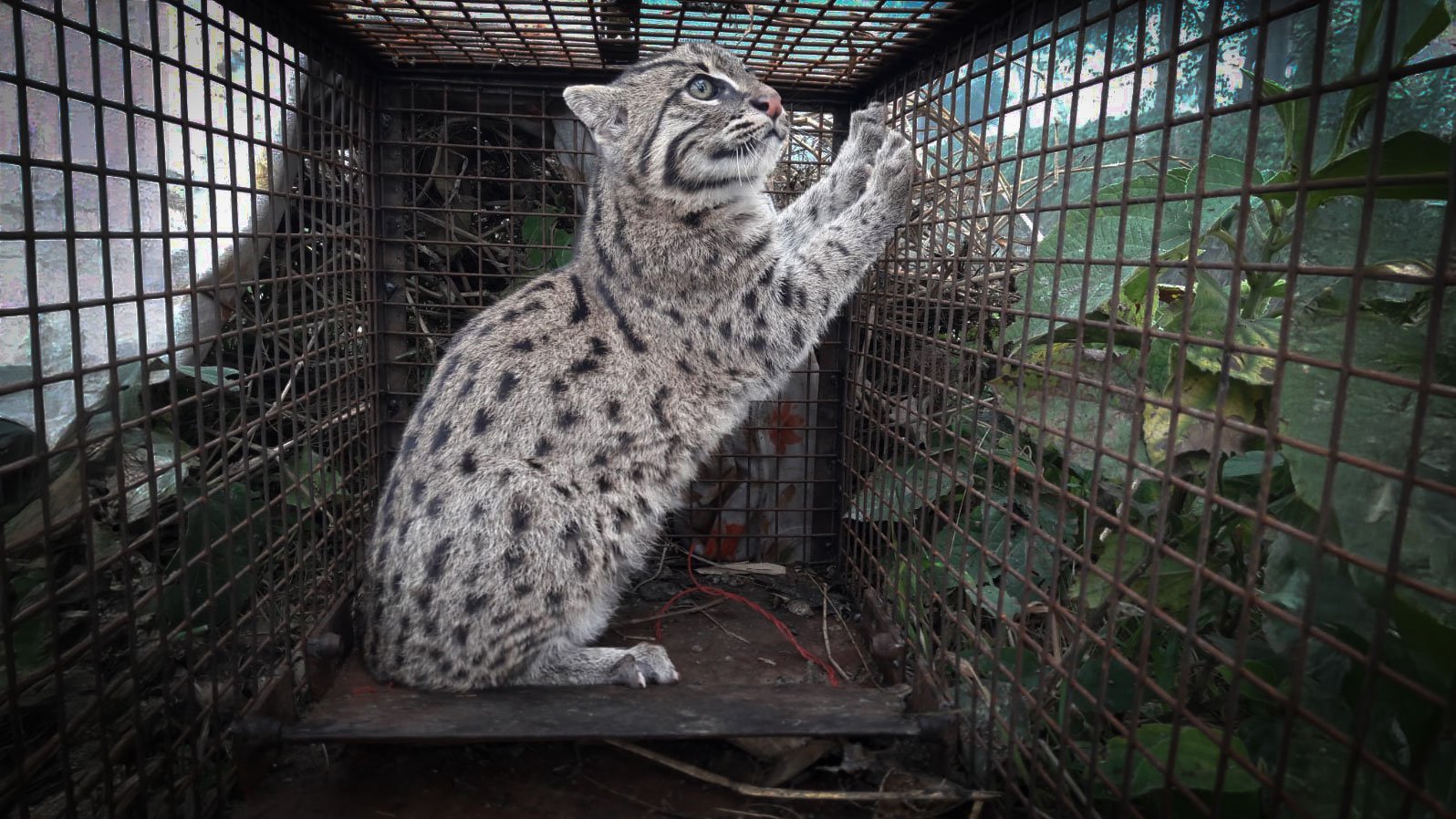
In the fading wetlands of Asia, where development threatens ancient ecosystems, a remarkable group of conservationists is fighting to save one of the world's most elusive wild cats. The fishing cat, listed as Endangered with populations declining across its range, has found unlikely champions in researchers, community leaders, and dedicated field workers who refuse to let this unique species disappear.
At Big Cat Rescue, we're proud to support the Fishing Cat Conservation Alliance (FCCA), a network of passionate conservationists working across eight countries to protect these water-loving wild cats. What makes these heroes extraordinary isn't just their scientific expertise—it's their innovative, community-centered approach to conservation that's creating real change on the ground.
Meet the Champions
In India, Dr. Tiasa Adhya leads The Fishing Cat Project (TFCP)—the world's longest-running fishing cat research initiative, active since 2010. Her groundbreaking work helped make the fishing cat West Bengal's state animal in 2012, transforming local attitudes from fear to pride.
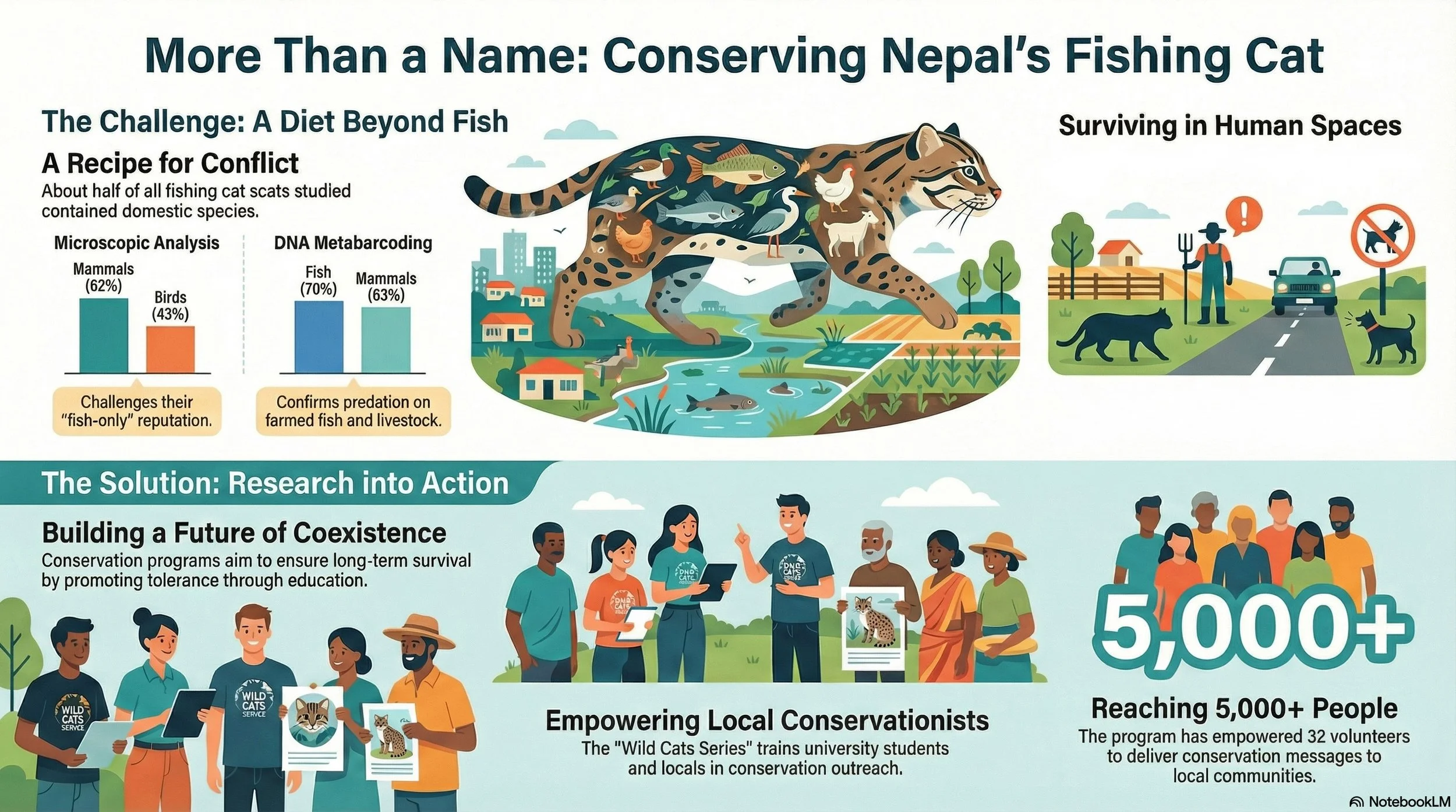
Across the border in Nepal, Rama Mishra of the Terai Fishing Cat Project has pioneered an ingenious solution: providing 10,000-15,000 fish hatchlings to stock farmers' ponds in exchange for their commitment not to harm fishing cats. This win-win approach protects cats while supporting local livelihoods.
In the bustling capital of Sri Lanka, Anya Ratnayaka studies urban fishing cats through her Urban Fishing Cat Conservation Project in Colombo. Her research is revolutionizing how we understand cats living alongside humans in rapidly developing cities.
Pakistan's Zafeer Ahmed Shaikh founded the Indus Fishing Cat Project in 2021, working directly with the Sindh Wildlife Department and local communities to establish Pakistan's first comprehensive fishing cat conservation program.
In Cambodia's pristine mangroves, Vanessa Herranz Muñoz leads Kla Trey (the Cambodian Fishing Cat Project), where she's documented fishing cats in seven locations while conducting awareness workshops with over 200 village participants.
Creative Conservation in Action
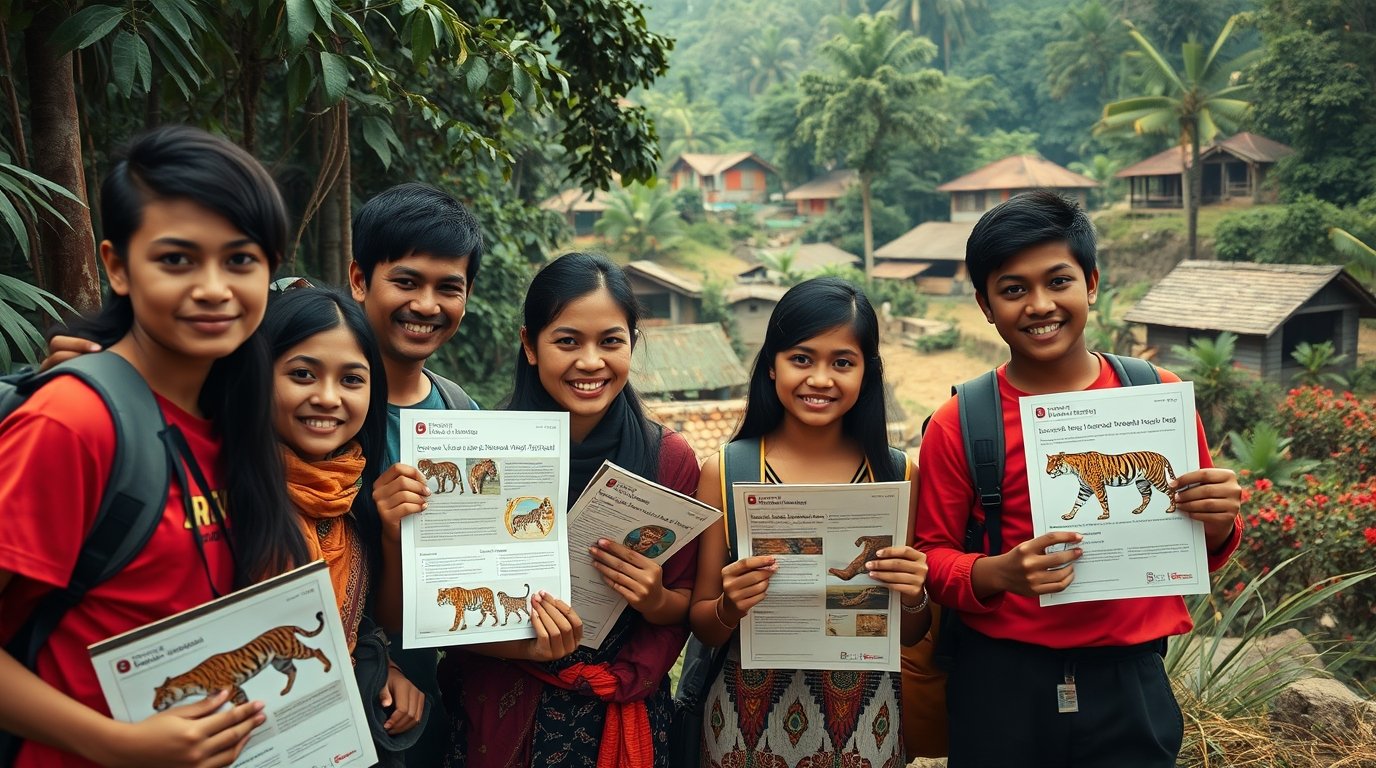
These heroes don't just study fishing cats—they develop creative solutions that benefit both wildlife and people. From predator-proof chicken coops that protect farmers' livelihoods to community-based fish pond programs, educational initiatives in schools, and training local residents as conservation ambassadors, their work proves that the best conservation happens when communities become partners, not obstacles.
Working in challenging conditions across wetlands, urban areas, and remote villages in India, Nepal, Sri Lanka, Bangladesh, Myanmar, Pakistan, Cambodia, and Java, these conservationists are writing a new chapter in fishing cat survival—one community partnership at a time.
These wetland heroes need our support. When you contribute to Big Cat Rescue's conservation programs, you're directly funding the innovative, community-based work that's giving fishing cats a fighting chance. Together, we can ensure these remarkable water cats continue to thrive in Asia's precious wetlands for generations to come.