Why a Tiny Country Just Made a Massive Bet on Wildlife
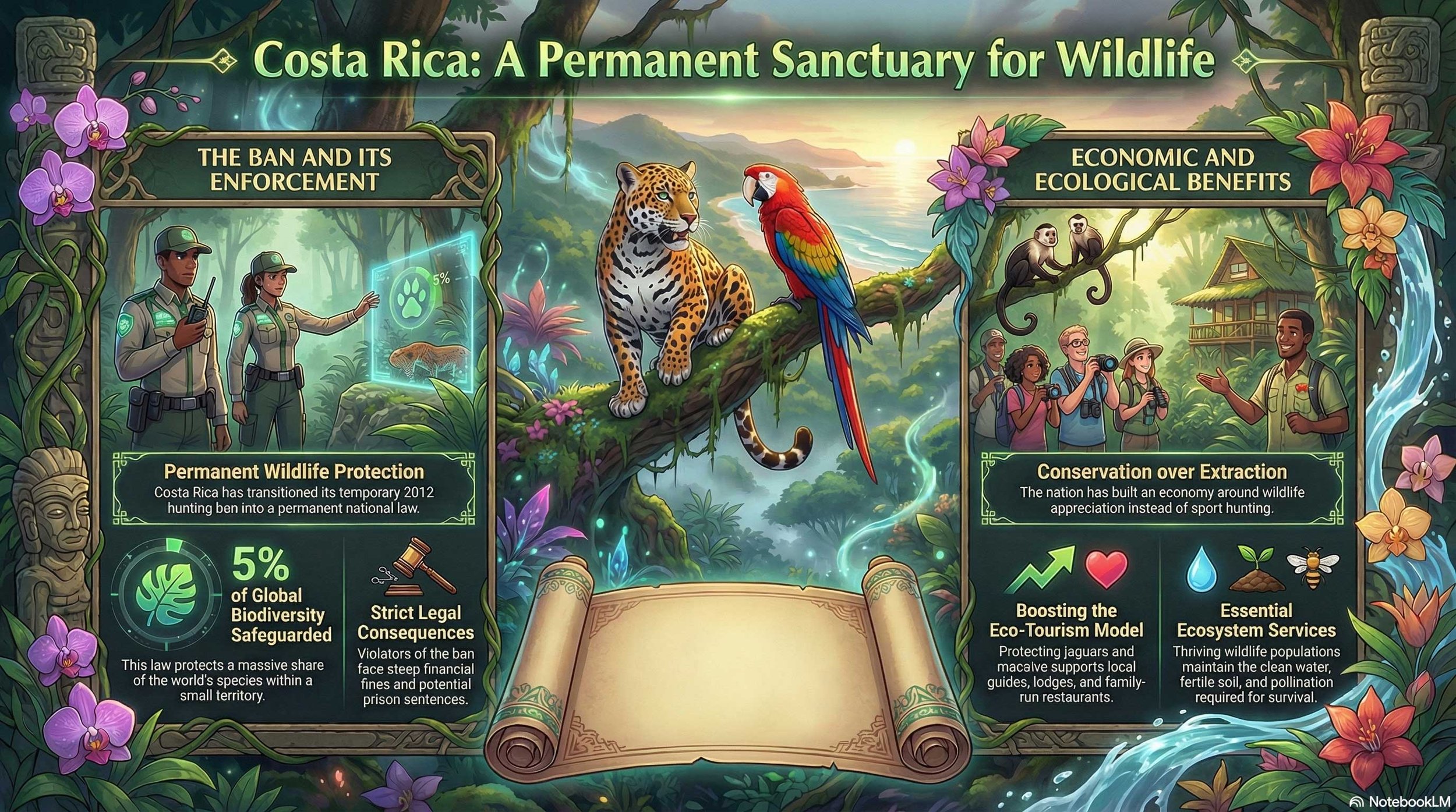
Costa Rica has reinforced its commitment to environmental leadership by establishing a permanent ban on sport hunting for all wild species. This legislative move aims to safeguard the nation’s vast biodiversity, including iconic animals like jaguars and macaws, while deterring illegal trafficking through strict legal penalties. By prioritizing wildlife conservation, the country supports a thriving eco-tourism economy that provides sustainable income for local communities and small businesses. Beyond financial benefits, the policy protects essential ecosystems that provide clean water and fertile soil, contributing to the overall health and longevity of the population. This shift from resource extraction to nature appreciation serves as a global model for how environmental protection can coexist with economic prosperity. Ultimately, officials hope this decisive action will inspire international efforts to adopt similar protections for the natural world.
Case Study How Advocacy Reshapes E-Commerce The Etsy Fur Ban
The global e-commerce giant Etsy has officially announced a prohibition on animal fur sales starting in August 2026, marking a significant victory for the Coalition to Abolish the Fur Trade after an intensive protest campaign. This policy update targets natural pelts from animals like mink and fox while still allowing for taxidermy and leather byproducts. This shift reflects a broader trend within the fashion world, as numerous international brands, publications, and countries are increasingly rejecting wildlife-derived materials. However, the industry remains polarized, as the European Union faces internal debates over farming bans while Canadian fur auctions report record-breaking prices and sustained demand. Ultimately, while animal rights advocacy is rapidly transforming the retail landscape, the debate over the ethics and economic value of fur continues globally.
Poll Says Uphold Lion Farming Ban
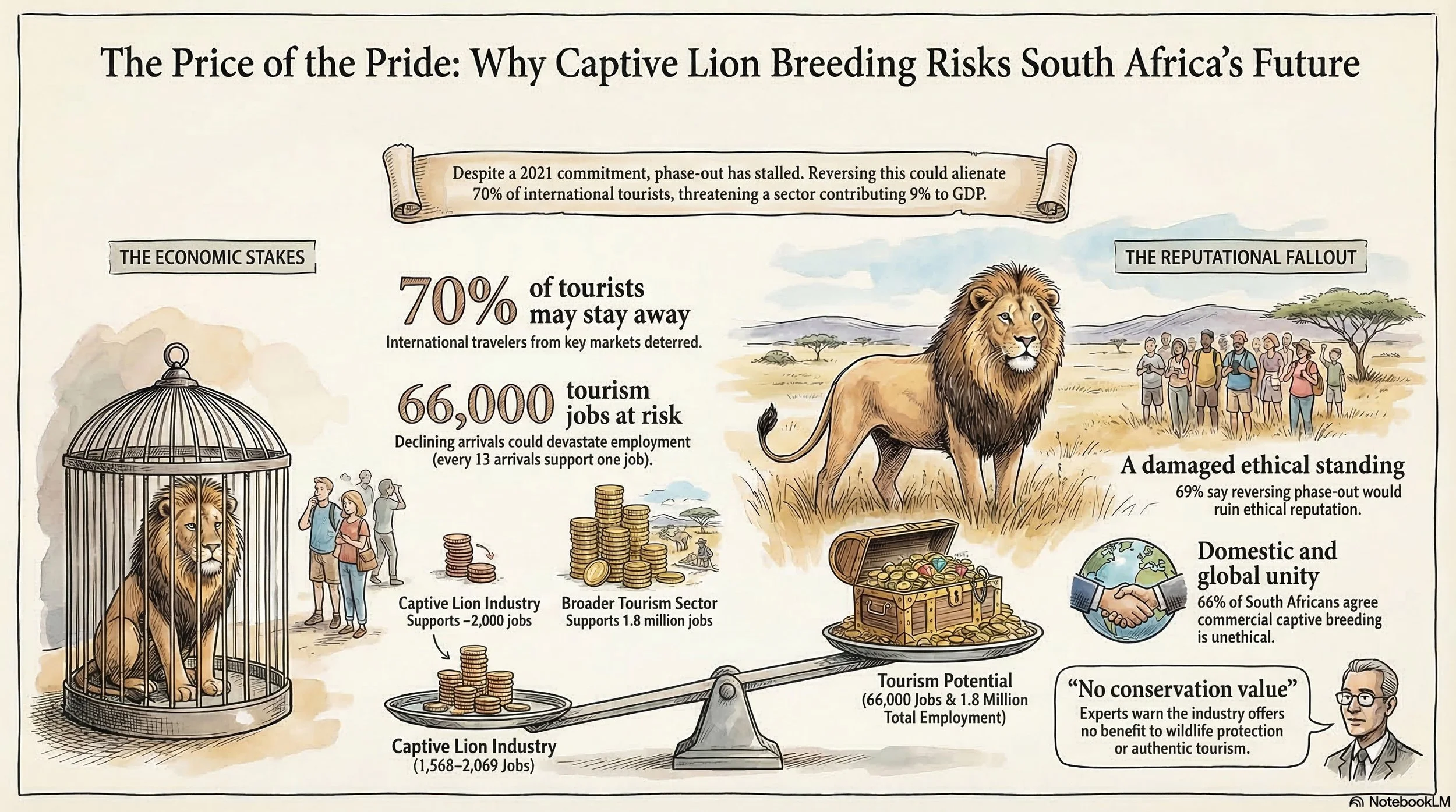
Recent polling data indicates that South Africa faces significant economic and reputational risks if it fails to dismantle its commercial captive lion breeding industry. A survey of over 2,500 respondents shows that a majority of international tourists would likely avoid the country if the government reverses its 2021 commitment to end the practice. Critics argue that activities like canned hunting and cub petting offer no conservation value and threaten approximately 66,000 tourism-related jobs. Both domestic and foreign audiences expressed a strong preference for ethical wildlife experiences over the exploitation of captive predators. Advocacy groups are now urging officials to eliminate further delays and implement a formal phase-out plan to protect the nation's vital travel sector.
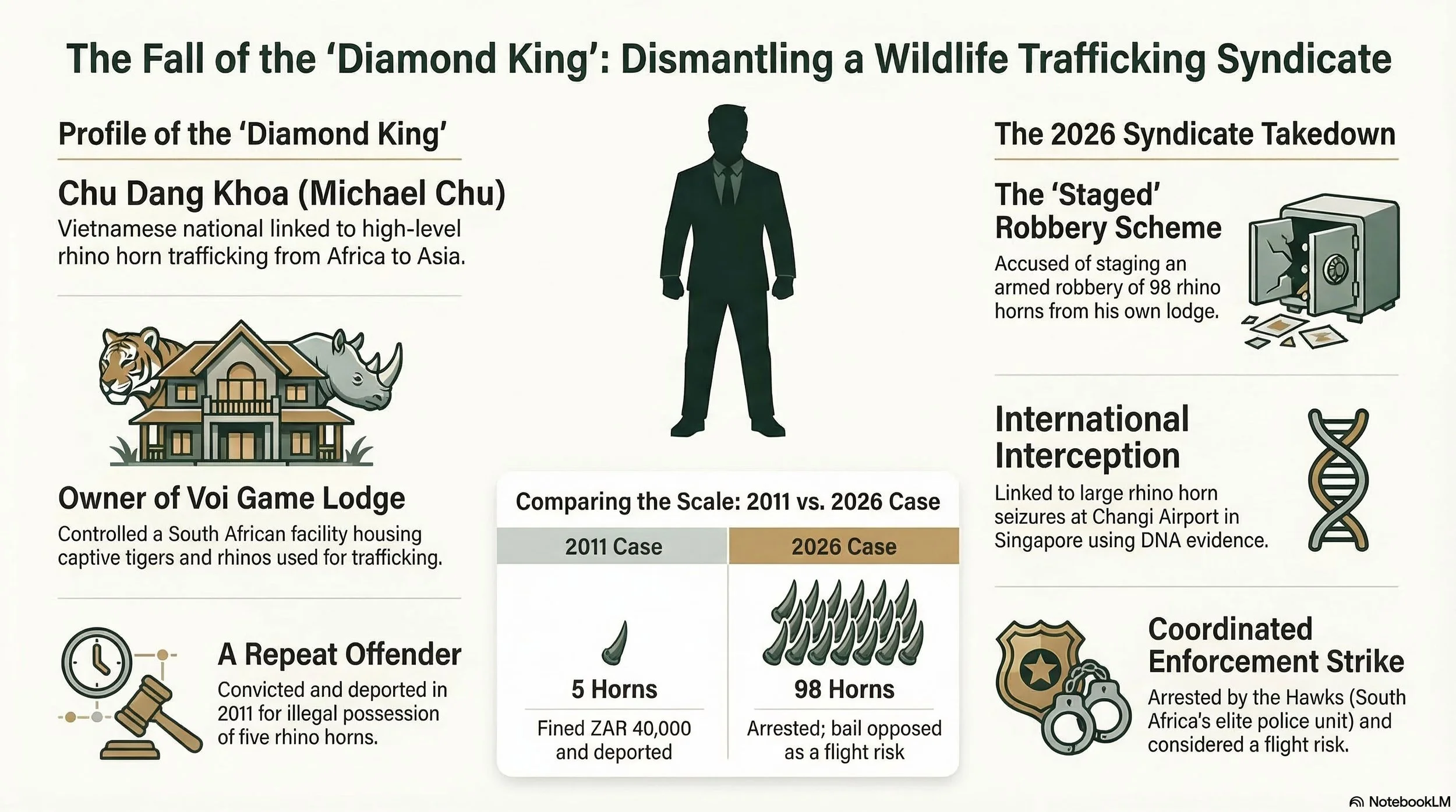
The Fall of the Diamond King
The provided text chronicles the apprehension of Chu Dang Khoa, a notorious figure in the illegal wildlife trade known as the "Diamond King." Authorities in South Africa arrested Khoa for his leadership role in a syndicate responsible for smuggling rhino horns and tiger parts to Asian markets. Investigators linked his legitimate business fronts to a staged robbery involving nearly one hundred rhino horns, exposing the criminal operations behind his wildlife facilities. According to Education for Nature - Vietnam, this arrest represents a critical achievement in the global effort to dismantle transnational organized crime. By targeting high-level traffickers, law enforcement aims to disrupt established networks and provide a deterrent against future poaching. Ultimately, the source highlights the necessity of international cooperation in bringing high-profile environmental criminals to justice.
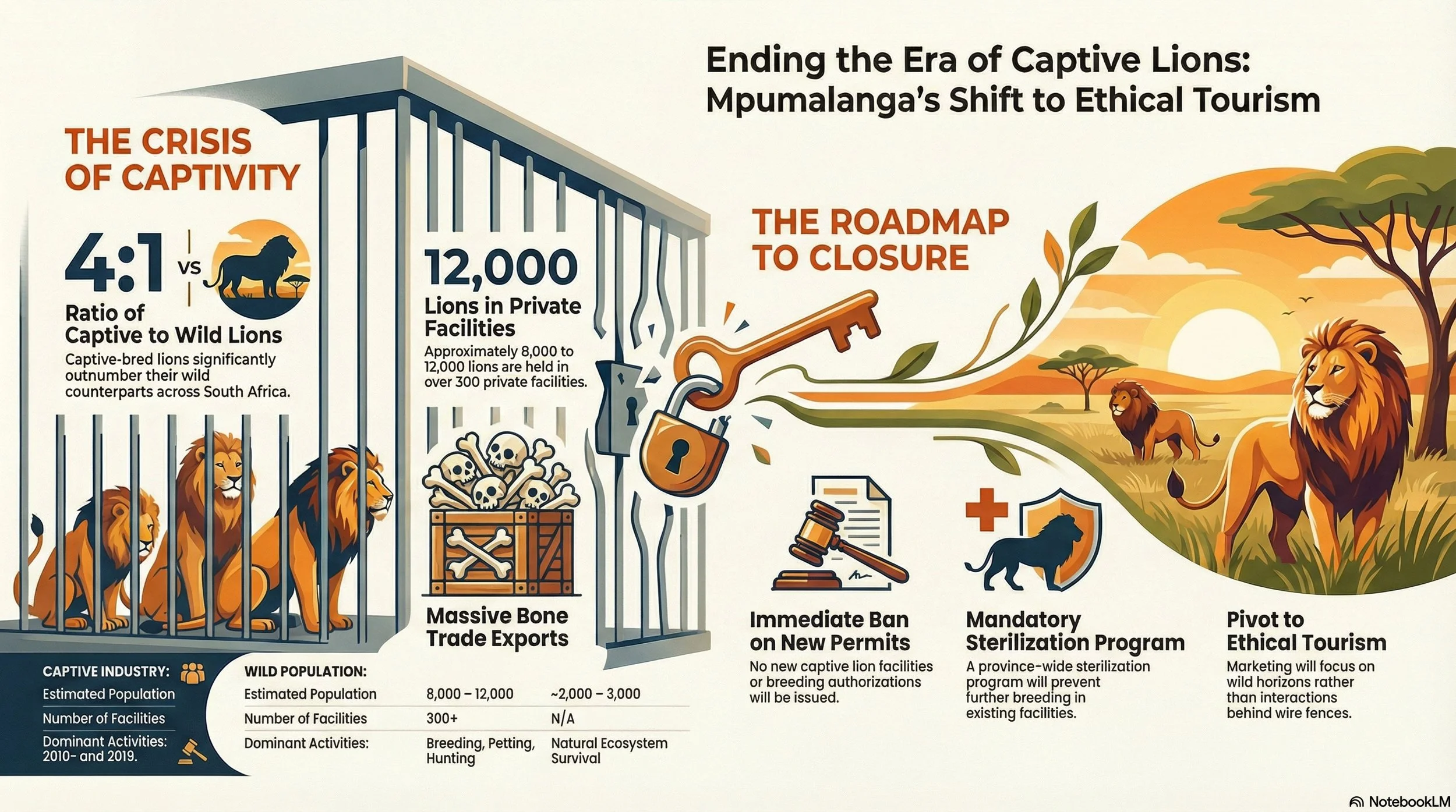
The End of the Cub Selfie
The provided sources detail a landmark decision by the Mpumalanga Tourism and Parks Agency to officially ban new permits for captive lion facilities in South Africa’s Mpumalanga province. This regulatory shift aims to phase out the controversial industry by prohibiting future breeding, stopping the importation of captive lions, and implementing a sterilization program. By aligning with national conservation mandates, provincial authorities are moving away from commercialized animal interactions, such as cub petting and canned hunting, to protect the country's international reputation. The transition focuses on fostering ethical, wild-based tourism and prioritizing the welfare of lions in their natural habitats. While existing facilities will not close immediately, they must adhere to strict welfare standards as the province redirects investment toward nature reserves and sustainable wildlife management. This policy represents a significant victory for animal rights advocates and marks a decisive pivot toward authentic African safari experiences.
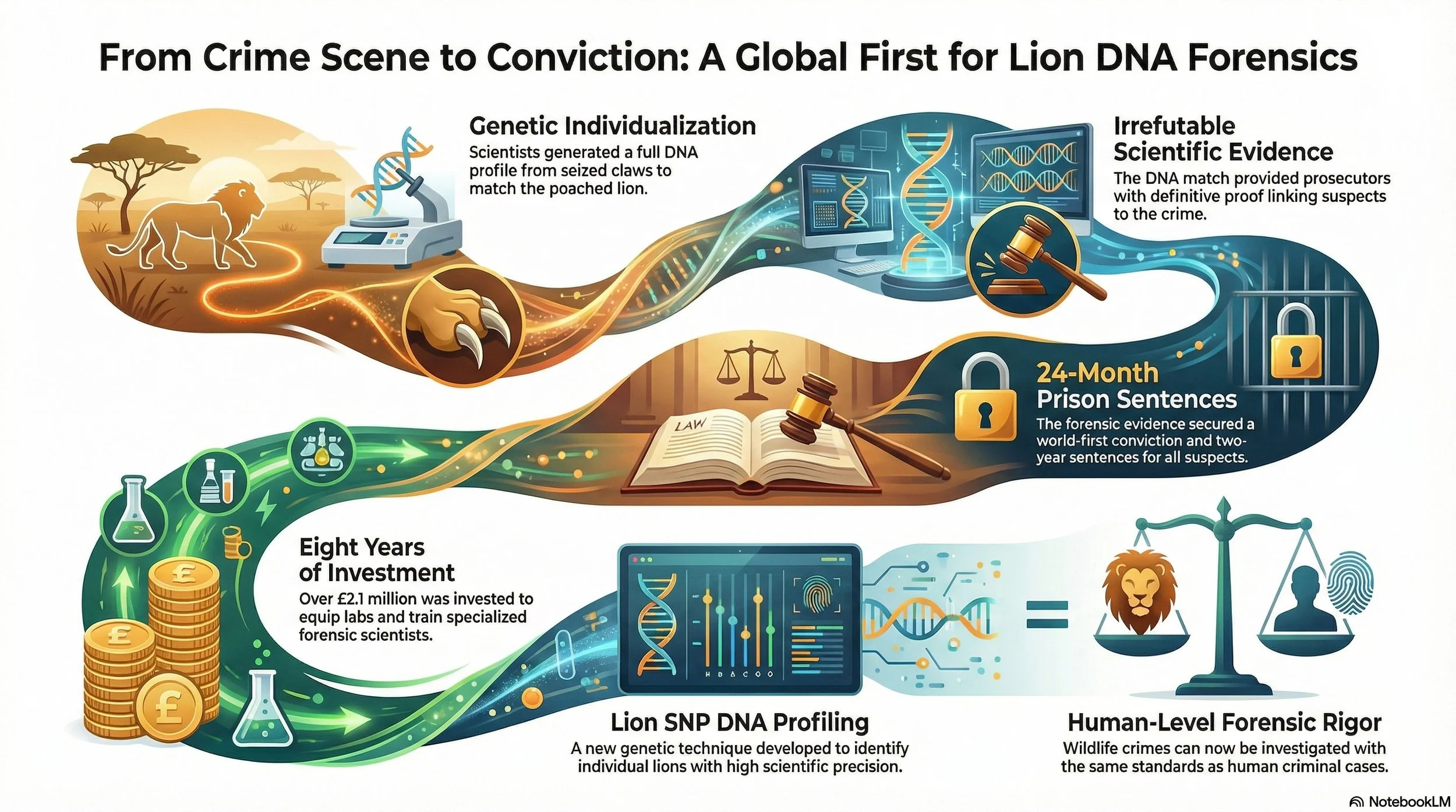
Justice for the King: The Landmark Case That Changed Wildlife Forensics Forever