4 Surprising Takeaways from Costa Rica’s Permanent Hunting Ban
The Vermont-Sized Powerhouse
Costa Rica is a geographical paradox. While it occupies a landmass only twice the size of Vermont, it punches far above its weight on the global stage, stewarding a staggering 5% of the entire planet's biodiversity. For years, this nation has been a pioneer in environmental policy, but its latest move signals a definitive macroeconomic pivot: Costa Rica has officially transitioned its 2012 temporary hunting ban into a permanent, nationwide law.
By de-risking its environment through the prohibition of sport hunting for all wild animals, the country is doing more than saving species—it is standardizing a new valuation of natural capital. This isn't merely a win for animal rights; it is a sophisticated blueprint for a modern economy that treats ecological health as the ultimate prerequisite for national prosperity.
1. From "Extraction" to "Appreciation" Economics
The permanent ban marks a fundamental shift in economic philosophy, moving the nation away from an "extraction" model—where wildlife is viewed as a finite resource to be consumed for sport—and toward an economy built on "wildlife appreciation." As a sustainability strategist would observe, Costa Rica is essentially choosing the compounding interest of a standing forest over the one-time liquidation of a trophy hunt.
In this model, conservation is the primary economic engine rather than a secondary concern. By protecting these living assets, Costa Rica supports a robust eco-tourism industry that provides a diversified livelihood for a wide network of local stakeholders, including:
Professional nature guides and park rangers.
Family-run lodges and boutique hotels.
Community-based restaurants and transport services.
This shift proves that long-term economic stability can be harvested from the observation and protection of nature, rather than its harvest for sport.
2. The High Stakes of Protection: Safety Through Sovereignty
The new permanence of the ban is backed by significant legal teeth, including steep financial fines and potential prison sentences. While these penalties are deterrents, the surprising strategic takeaway is how this ban improves human security.
By removing the legal cover for sport hunting, the law creates a more robust framework to curb illegal wildlife trafficking. Protecting "star" species like the jaguar and scarlet macaw is not just about biology; it’s about dismantling the criminal networks that often accompany poaching. This creates a more stable environment that is measibly safer for both local residents and international tourists. Reflecting the widespread public support for this decisive move, one citizen noted it is:
"A true win for wildlife! Thank you!!"
3. The "Blue Zone" Connection to Biodiversity
Perhaps the most counter-intuitive link in this legislation is the connection between a hunting ban and human longevity. Costa Rica is home to one of the world’s rare "Blue Zones"—regions where residents live significantly longer, healthier lives than the global average.
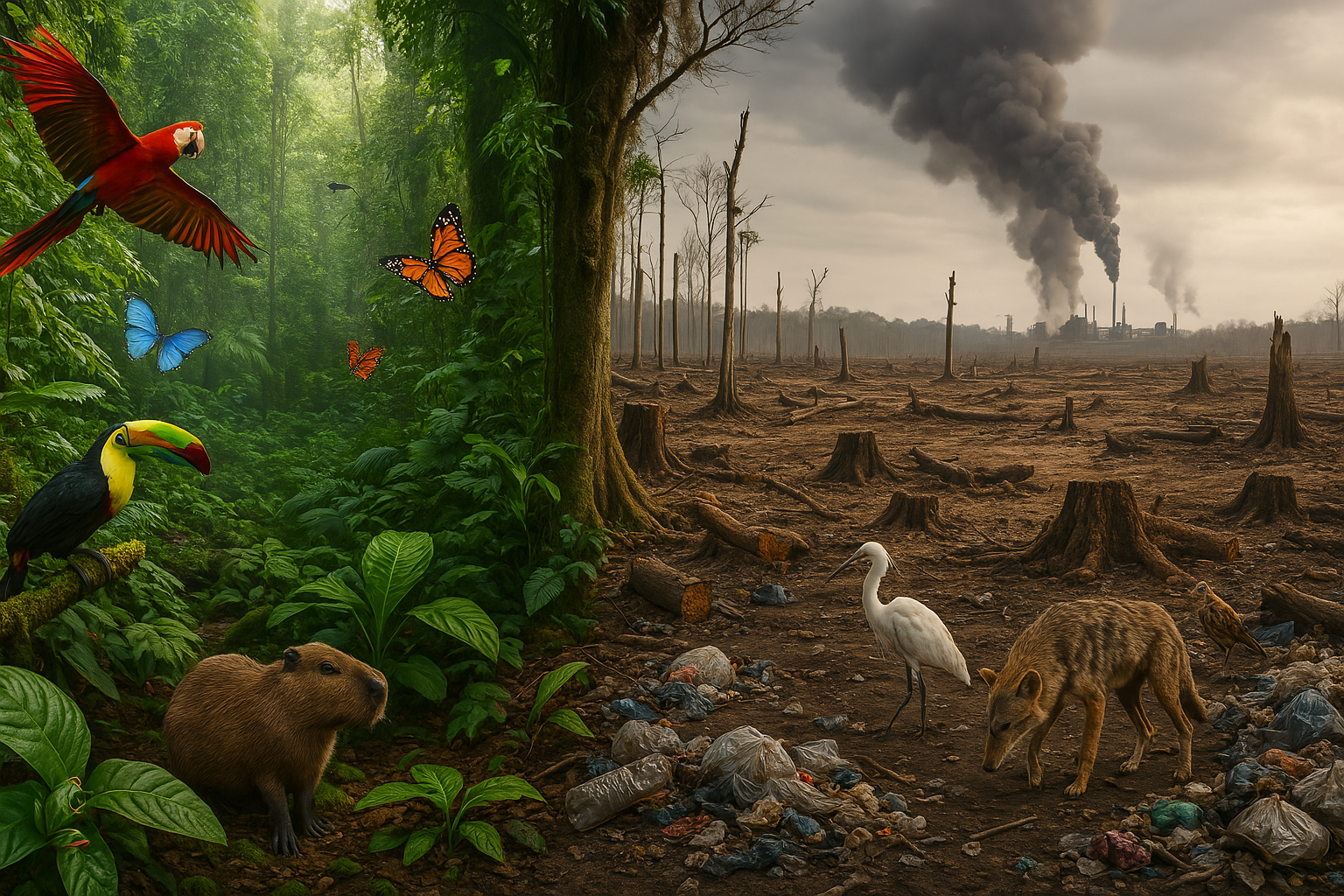
From a strategic standpoint, protecting wildlife is a foundational tactic in the fight against deforestation. Healthy populations of pollinators are essential for "rewilding" forests and maintaining the fertile soil and clean water systems that underpin the national food system. The ban recognizes that human well-being is inextricably linked to the integrity of the surrounding ecosystem. Access to these protected green spaces and vibrant rainforests acts as a public health asset, directly impacting the mental and physical health of the population.
4. A Global Domino Effect: Exporting the Proof of Concept
Costa Rica’s internal success with its "Blue Zones" and eco-tourism serves as the "proof of concept" that the nation is now exporting to the rest of the world. By doubling down on this ban, Costa Rica is positioning itself as a global laboratory for successful conservation-based governance.
As other nations grapple with biodiversity loss and the economic fallout of climate instability, they are watching this tiny powerhouse to see if a country can flourish by valuing its wildlife as living assets rather than trophies. This bold step has sparked a global hope that Costa Rica is the first domino in a larger shift toward international conservation standards. As one observer aptly put it:
"Hopefully other countries will take notice."
Conclusion: A Question for the Future
Costa Rica has demonstrated that a nation does not have to choose between a thriving economy and a healthy environment. They have placed a massive bet on the long-term value of a standing forest over the short-term profit of a hunt, proving that nature can support a country through appreciation and stewardship rather than extraction and depletion.
As this "all-in" approach to wildlife protection yields results, it raises a provocative question for the rest of the global community: Could this model of permanent conservation be—or should it be—replicated in your own home country? Costa Rica has signaled its move; the world must now decide if it is ready to follow.