The Lion’s Share of Risk: 5 Surprising Reasons South Africa’s Caged Lion Industry Could Cost its Economy Dearly
For decades, South Africa has successfully marketed itself as the "Cradle of Conservation," a premier destination where the Big Five roam across untamed landscapes. Yet, a shadow falls over this carefully curated image: a commercial industry that breeds the King of Beasts in high-walled enclosures, treating an apex predator as little more than a farm commodity. This brings the nation to a volatile precipice. Can South Africa continue to sell an authentic wilderness experience to the world while operating what is essentially an industrial assembly line for lions?
In 2021, the government appeared to choose the wild over the wire, committing to a landmark phase-out of the captive lion industry. However, recent shifts in the environment portfolio—most notably under Minister Willem Aucamp—have introduced a destabilizing air of uncertainty. As the government wavers on the implementation of this promise, the economic fallout looms larger than the industry itself.
1. The 70% Deterrence Factor: The Moral Compass of the Modern Traveler
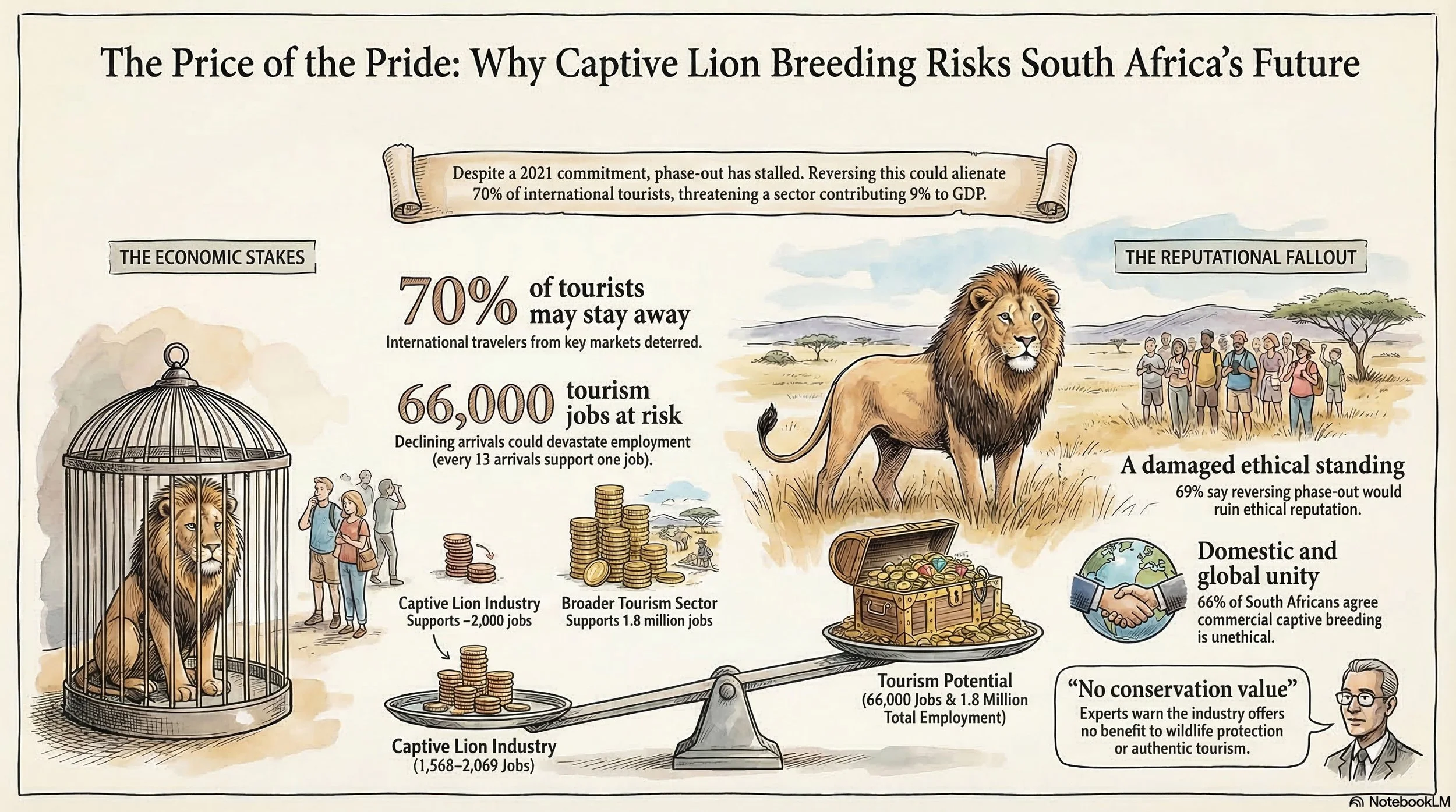
The data paints a portrait of a global traveler whose moral compass now dictates their itinerary. In a comprehensive Savanta poll of over 2,500 respondents across the United Kingdom, United States, Netherlands, and Germany, the results were unequivocal: 70% of international tourists would be deterred from visiting a country that allows for-profit captive lion breeding.
For these travelers, "guilt-free travel" is no longer a niche luxury; it is a prerequisite. The poll found that 65% would actively seek alternative destinations if South Africa’s industry continues, suggesting that the "canned" lion trade is not merely a PR headache—it is a direct threat to market share in an increasingly competitive global landscape where ethical alignment is a primary driver of consumer choice.
“Captive lion breeding is cruel, has no conservation value, and risks undermining South Africa's standing as a leader in wildlife protection. Tourists increasingly want authentic, responsible experiences and this poll findings show that protecting lions in their natural habitats aligns with both public sentiment and economic resilience.” — Edith Kabesiime, World Animal Protection Africa Wildlife Campaign Manager.
2. The 66,000 Job Gamble: A Disproportionate Economic Trade-off
To understand the magnitude of the risk, one must look at the sheer scale of South African tourism. In 2025, the nation welcomed nearly 10.5 million international arrivals, a vital engine that contributes roughly 9% to the GDP and supports 1.8 million jobs. Within this ecosystem, the math is unforgiving: the tourism sector supports one job for every 13 international arrivals.
Focusing on the four key markets of the UK, USA, Netherlands, and Germany—which accounted for over 1.2 million visitors last year—the 70% deterrence factor could result in a loss of roughly 860,000 tourists. This drop-off translates to the potential evaporation of 66,000 tourism-related jobs. When contrasted against the captive lion industry, which employs a mere 1,500 to 2,000 people, the government’s hesitation appears less like a policy debate and more like a high-stakes gamble with remarkably poor odds.
3. A Damaged Global Brand: The Fragility of "Ethical Destination" Status
In the prestige economy of international travel, brand perception is a fragile asset that is far harder to rebuild than it is to break. According to the Savanta poll, 69% of international travelers believe that a reversal of the 2021 phase-out decision would cause irreparable damage to South Africa's reputation as a responsible and ethical destination.
This reputational rot is not easily contained. As global standards for animal welfare evolve, 77% of respondents believe the South African government must prioritize wildlife-friendly tourism over commercial exploitation. For a nation that relies on its natural heritage to attract high-value visitors, the "Lion’s Share" of the risk lies in becoming a global pariah of conservation, losing the trust of a conscious consumer base that equates premium travel with ethical integrity.
4. Domestic Discontent: South Africans are Reclaiming the Narrative
While proponents of the industry often dismiss criticism as "Western meddling," the data reveals that the push for change is a powerful local mandate. South Africans are increasingly vocal about the irreconcilable nature of captive breeding and national pride. The poll results within the country mirror the international sentiment:
72% of South Africans reject the promotion of exploitative wildlife industries over wildlife-friendly alternatives.
66% find the practice of captive breeding fundamentally unethical.
66% explicitly stated that it is unacceptable for the government to risk international tourism demand for the sake of the breeding industry.
63% warned that a policy reversal would shatter their trust in the government’s commitment to "evidence-based governance."
This internal pressure suggests that by delaying the phase-out, Minister Willem Aucamp and the current administration are ignoring not only the economic logic of the global market but also the ethical standards of their own constituency.
5. The "Canned" Reality and the Looming Shadow of Health Risks
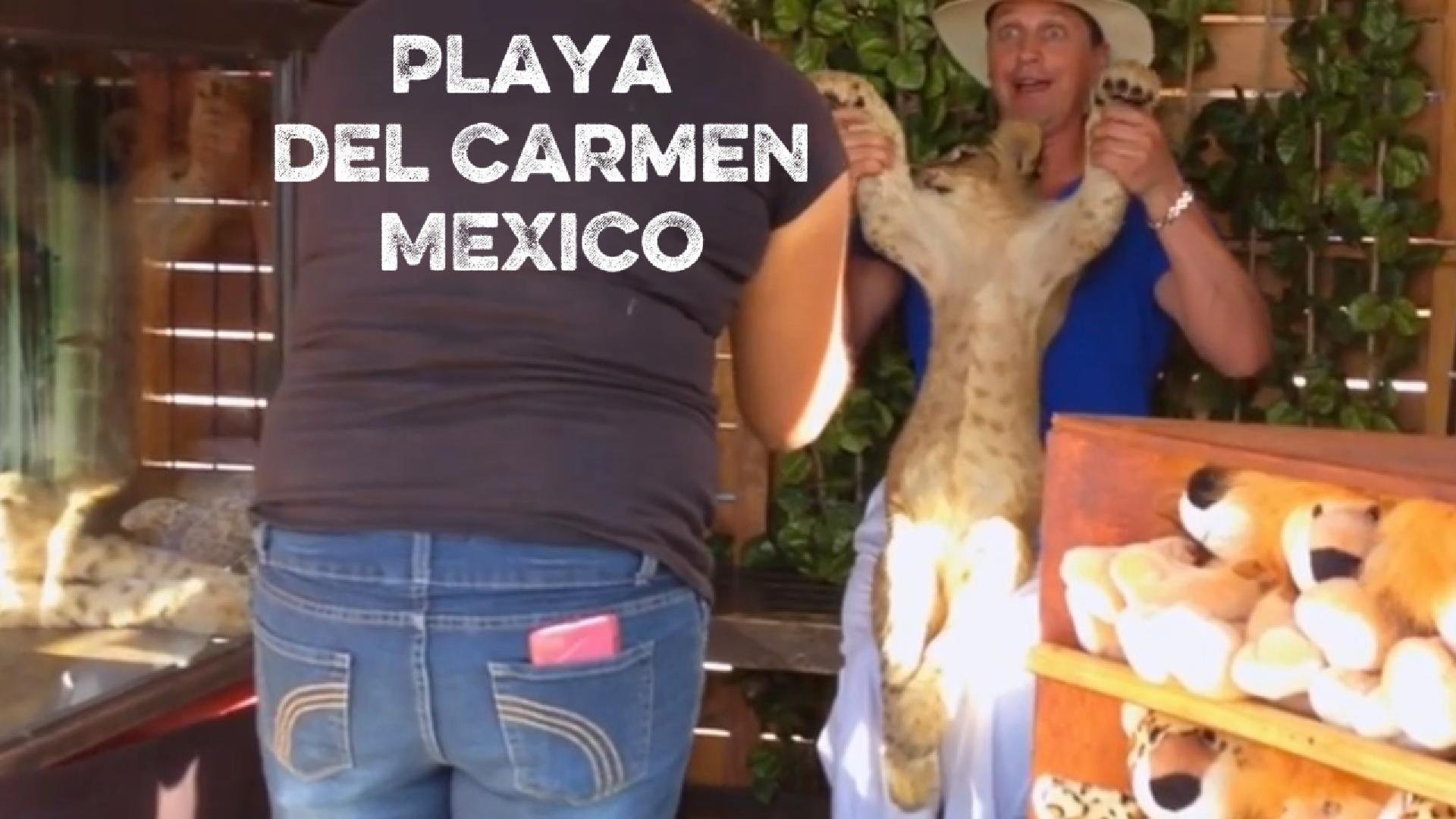
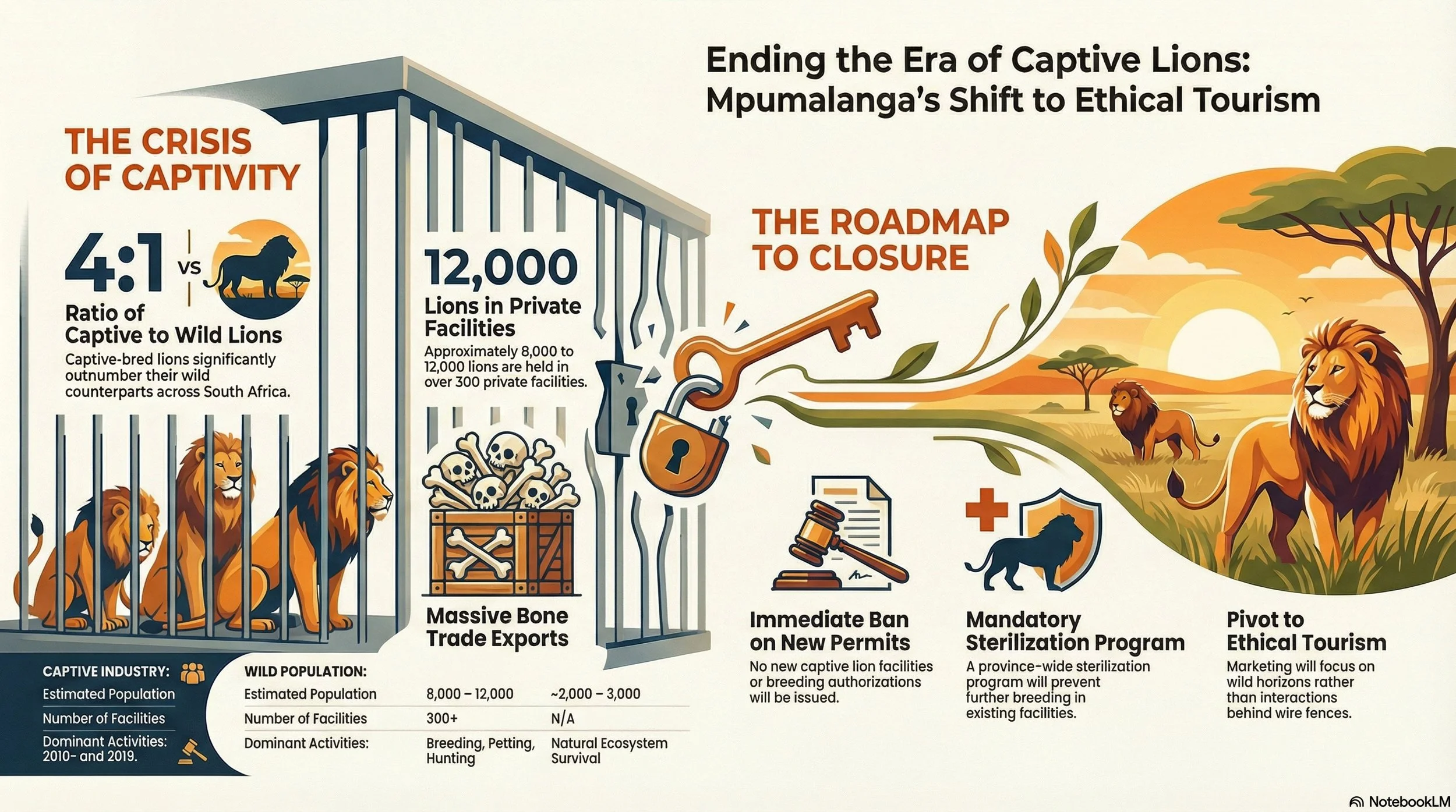
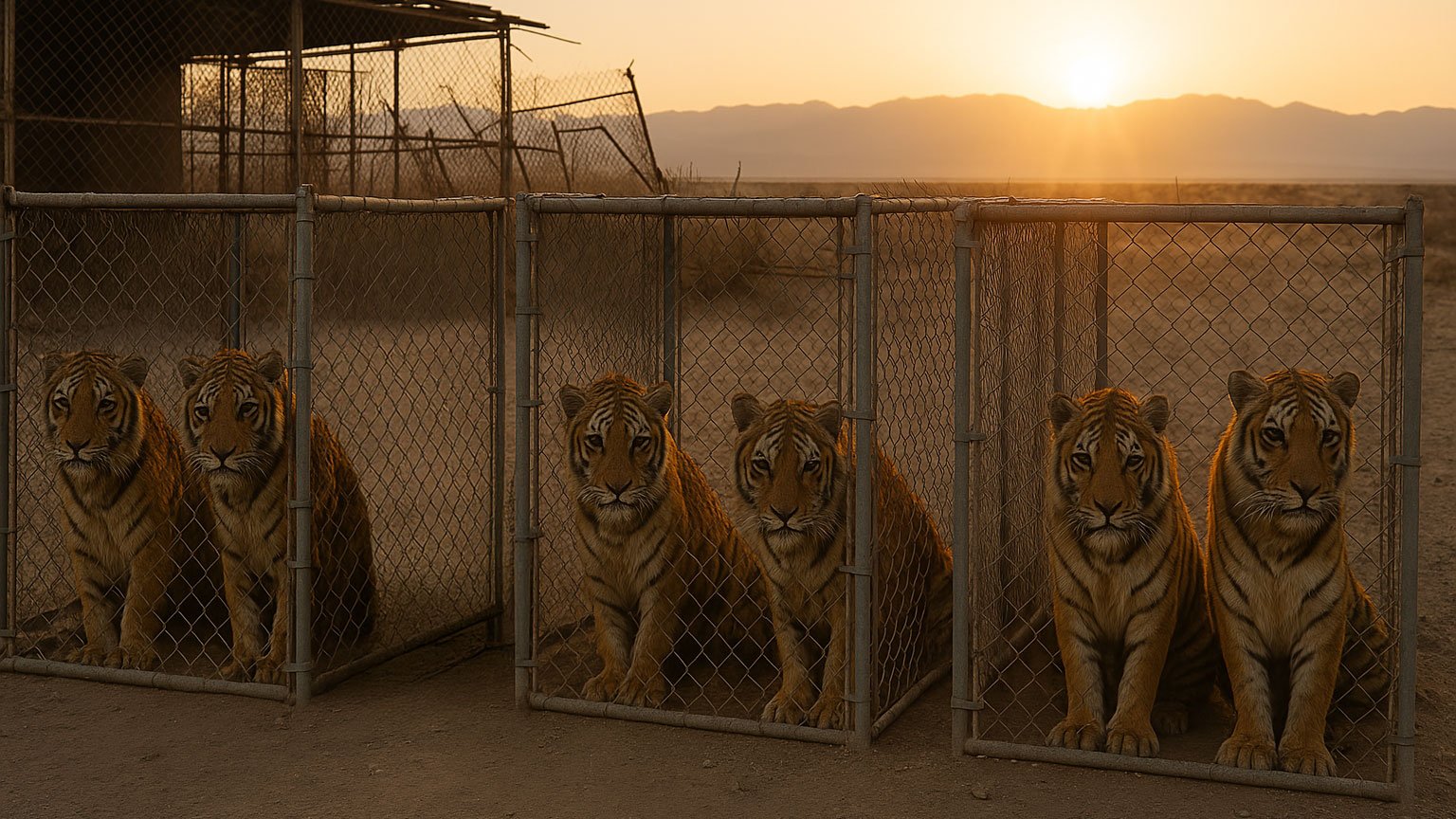
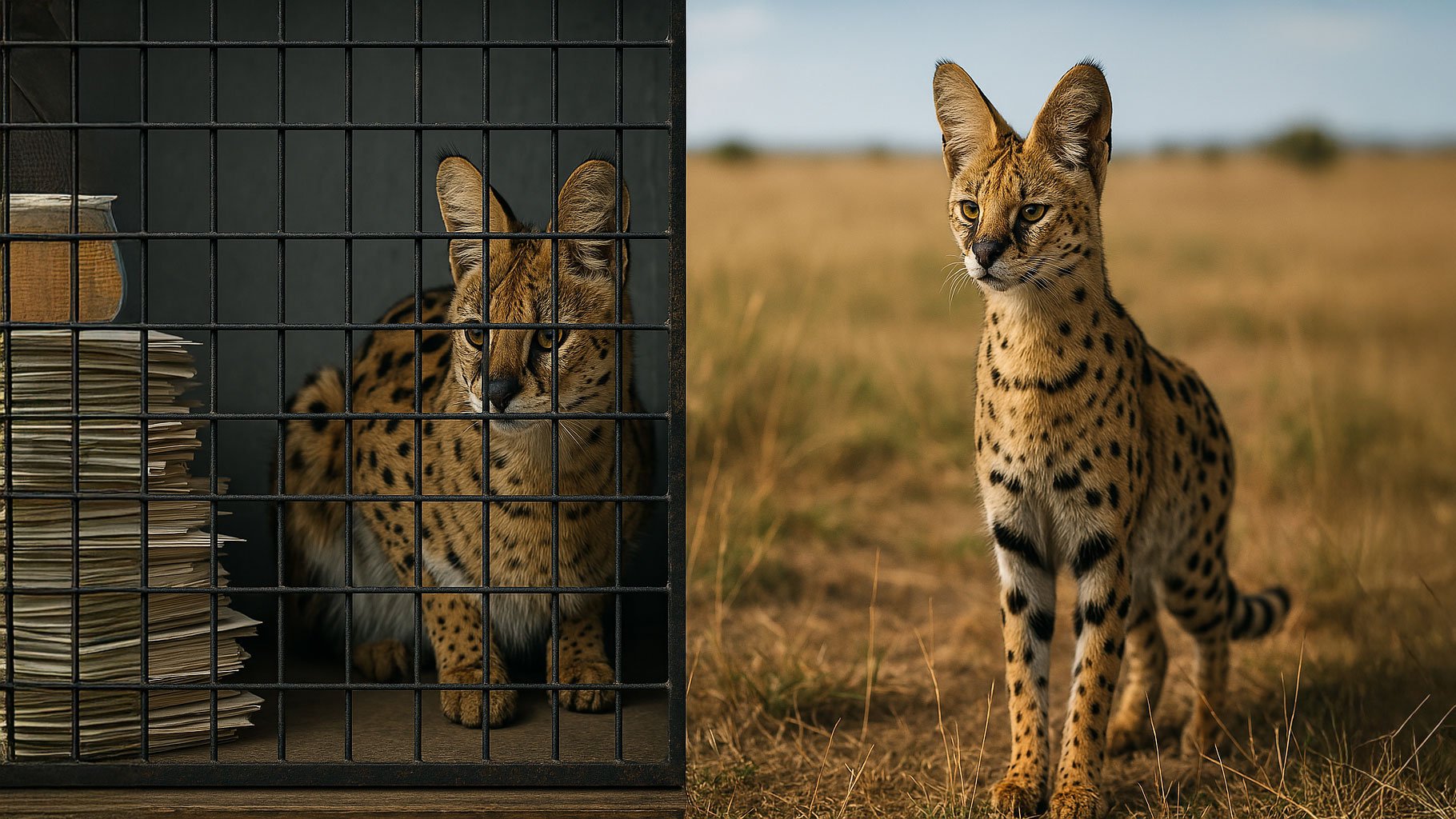
The industry is built upon a "deeply problematic" lifecycle designed for maximum extraction. It begins with "cub petting," a practice that has long angered tourists and serves as the primary supply chain for the industry. These hand-reared animals, having lost their fear of humans, eventually become the targets for "canned" hunts or are slaughtered for the export of lion skeletons to international markets.
Beyond the ethical mire, there is a pragmatic safety concern: zoonotic diseases. The intensive breeding and close handling of these predators create a potential health hazard that could trigger future travel bans or even a pandemic-level crisis. In an era still reeling from the global impact of zoonotic outbreaks, the continued operation of these facilities adds a layer of catastrophic economic risk that far outweighs any short-term profit.
“South Africa's commercial captive lion industry has been proven to be deeply problematic, creating issues around reputational damage, ethical and animal welfare concerns and zoonotic diseases. Our new polling data shows that failing to end this industry also risks serious harm to our vital tourism industry. We call on Minister Willem Aucamp to end the delays and uncertainty and urgently deliver the promised phase-out of this industry.” — Dr. Louise de Waal, Director of Blood Lions.
Conclusion: A Final Thought for the Road
The evidence is overwhelming: South Africa’s economic resilience is inextricably linked to its wildlife protection ethics. The nation stands at a crossroads where the narrow interests of a few hundred breeders are being weighed against the livelihoods of 66,000 tourism workers and the integrity of a multi-billion-rand national brand. As the world watches, South Africa must decide if the survival of an ethically bankrupt industry is worth the long-term sacrifice of its most vital economic engine.
South Africa’s economic future depends not on the lions held in cages, but on the courage to finally abolish the industry that imprisons them.