The 70-Year Wait is Over
This article describes a monumental conservation initiative in Kazakhstan aimed at restoring the tiger population after more than seven decades of absence. To prepare for the predators’ arrival, the government and international partners have launched a massive reforestation project, planting tens of thousands of trees to create a sustainable habitat in the South Balkhash region. While two captive Amur tigers are already being used for breeding, the program anticipates the arrival of wild tigers from Russia by 2026. The strategy also includes efforts to rebuild prey populations and implement safety measures to ensure peaceful coexistence with local communities. This multifaceted approach seeks to revive a functioning ecosystem by reintroducing its most iconic apex predator.
Cape Leopards
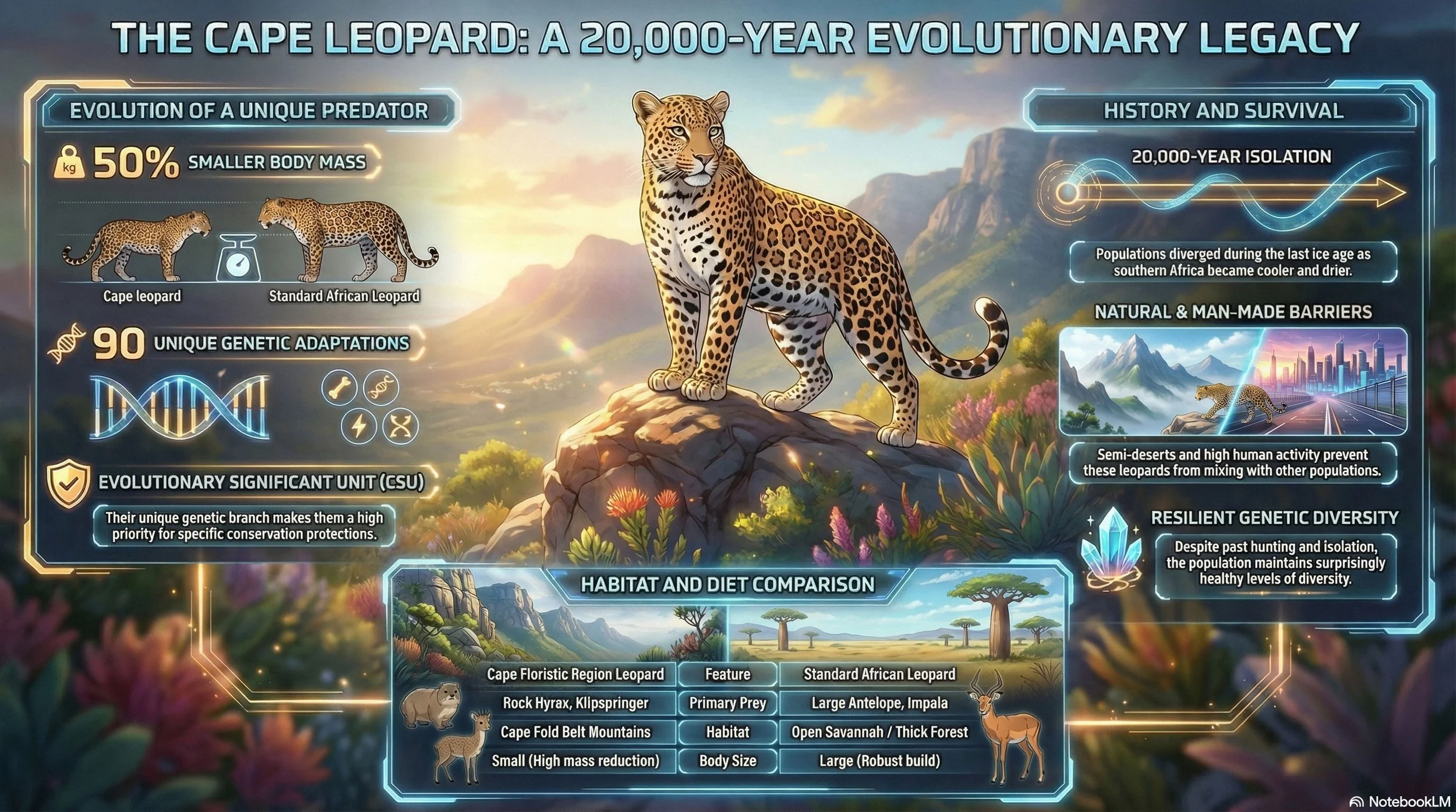
Researchers have discovered that leopards inhabiting South Africa’s Cape Floristic Region are a genetically distinct population that has evolved separately from other African leopards for over 20,000 years. These cats are significantly smaller in size, an physical trait driven by specific genetic adaptations to a unique environment with limited prey rather than mere isolation. While their numbers were previously decimated by human hunting and habitat loss, genomic analysis reveals surprisingly healthy levels of genetic diversity within the remaining population. This scientific breakthrough identifies the Cape leopard as an evolutionarily significant unit, highlighting an urgent need for specialized conservation strategies to protect their mountain corridors. Preserving these predators requires mitigating human conflict and ensuring landscape connectivity to safeguard a unique evolutionary legacy.
Ocelot Working Group
Poll Says Uphold Lion Farming Ban
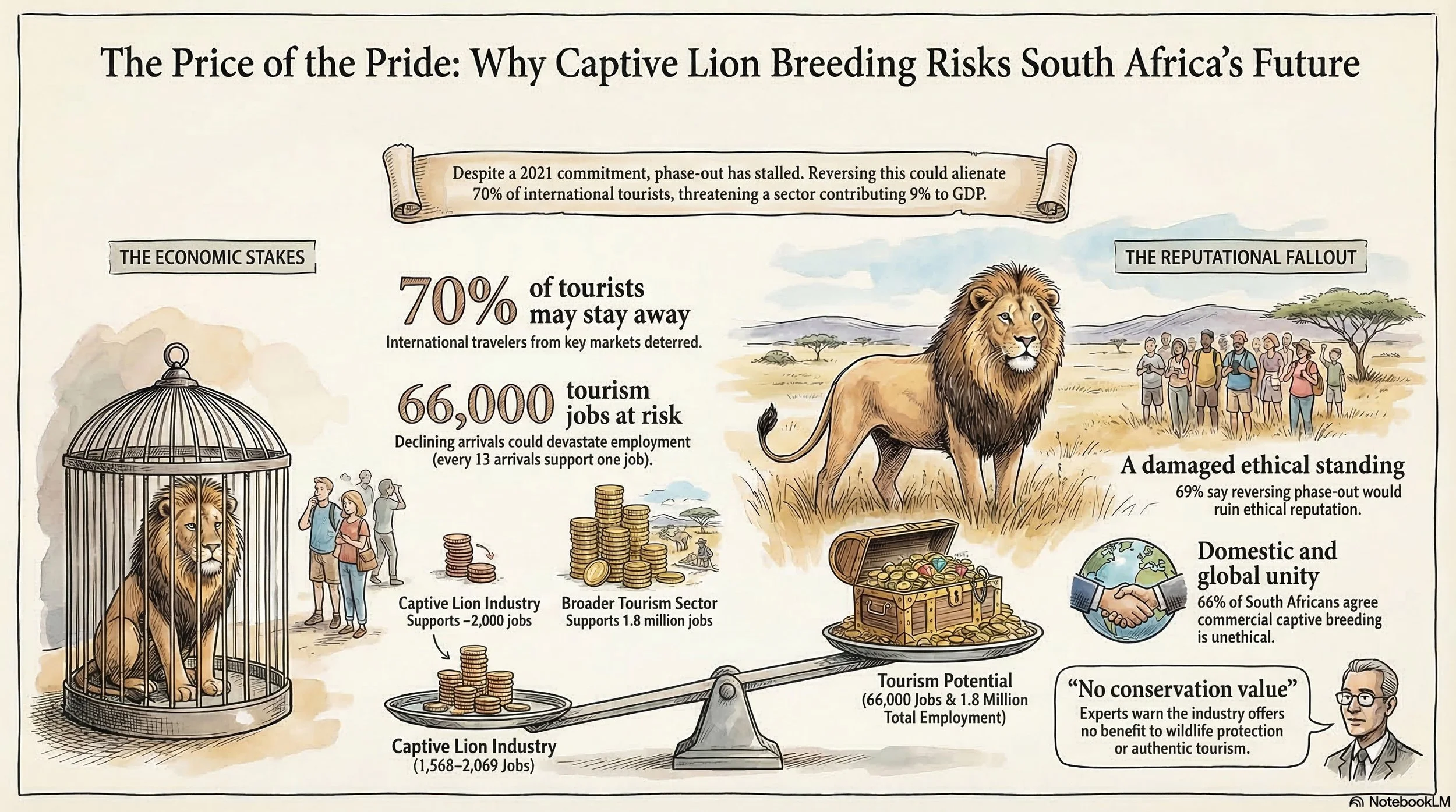
Recent polling data indicates that South Africa faces significant economic and reputational risks if it fails to dismantle its commercial captive lion breeding industry. A survey of over 2,500 respondents shows that a majority of international tourists would likely avoid the country if the government reverses its 2021 commitment to end the practice. Critics argue that activities like canned hunting and cub petting offer no conservation value and threaten approximately 66,000 tourism-related jobs. Both domestic and foreign audiences expressed a strong preference for ethical wildlife experiences over the exploitation of captive predators. Advocacy groups are now urging officials to eliminate further delays and implement a formal phase-out plan to protect the nation's vital travel sector.
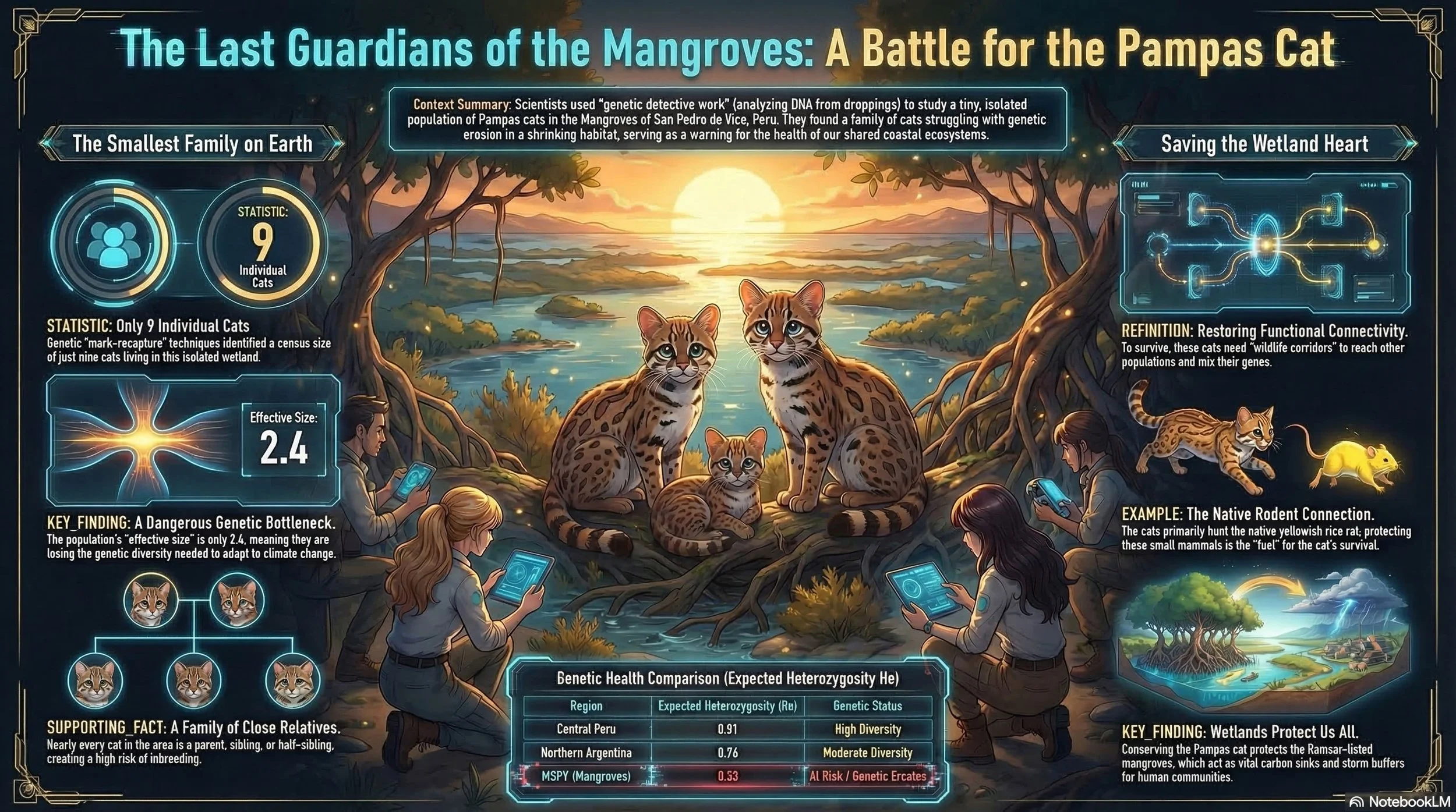
Peruvian Pampas Cat Leopardus garleppi
This research investigates the Pampas cat (Leopardus garleppi) population residing in the Mangroves San Pedro de Vice, a Ramsar-listed wetland in northwestern Peru. Scientists used noninvasive fecal DNA sampling between 2019 and 2021 to examine the species' genetic diversity, demographic trends, and trophic ecology. The findings reveal a critically small, kin-structured population of only nine identified individuals suffering from a recent genetic bottleneck and low effective population size. DNA metabarcoding of the samples indicates a diet primarily composed of the native yellowish rice rat, with no major dietary differences found between males and females. Ultimately, the study emphasizes that habitat restoration and functional connectivity are essential to prevent the extinction of this isolated, coastal felid population.

CAT Garden Route
The provided reports detail the extensive operations of the Cat Assistance Team (C.A.T) across South Africa’s Garden Route from 2020 through mid-2025. This organization focuses on humane population control through mass sterilisations, medical care, and parasite treatments for feral and loosely owned cats. A primary conservation objective is protecting the endangered African Wildcat by preventing interbreeding with domestic felines in rural and urban fringes. To ensure the genetic purity of wild species, the team conducts DNA testing and focuses on trapping efforts in high-risk buffer zones. Despite facing operational capacity limits and logistical hurdles in remote areas, C.A.T. collaborates with various veterinary partners to improve community animal health. Their strategy combines direct veterinary intervention with educational outreach to stabilize cat populations and foster better animal welfare in marginalized settlements.