The 70-Year Wait is Over
How 2 Billion Trees are Bringing Tigers Back to Kazakhstan
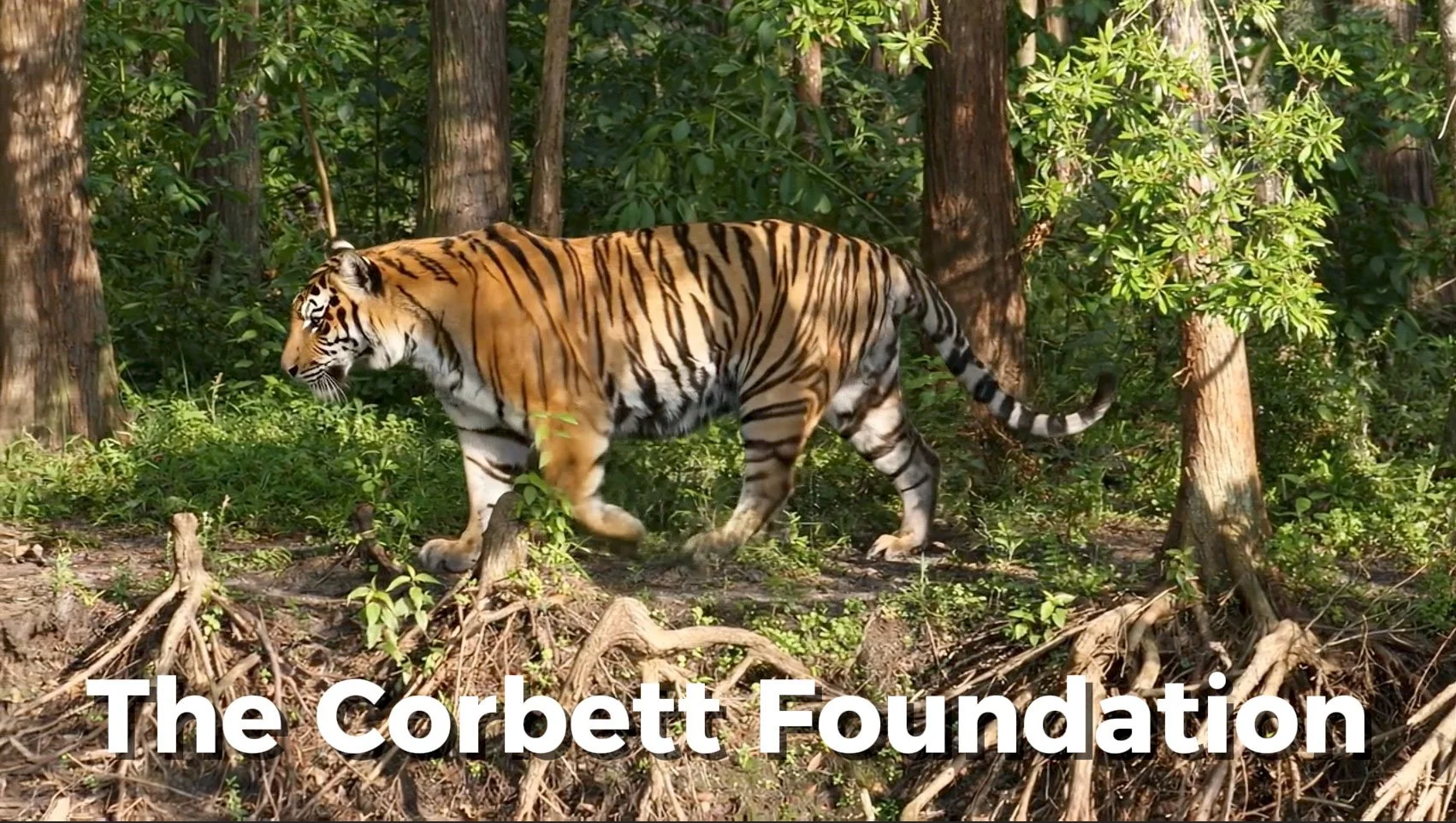
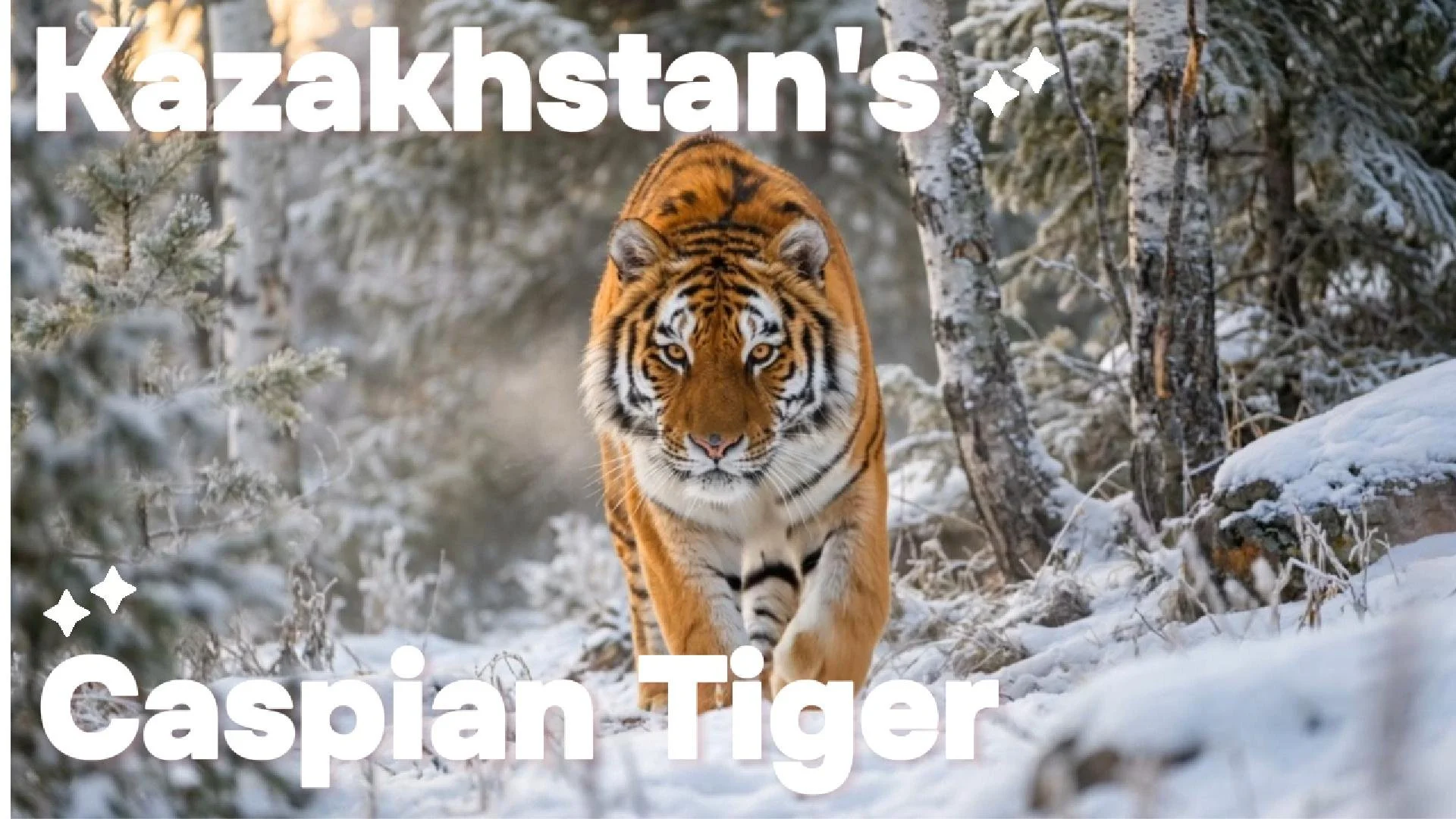
For more than seven decades, a profound silence has hung over the vast landscapes of Kazakhstan. The Caspian tiger, once the apex architect of this environment, vanished in the late 1940s—driven to extinction by relentless hunting, the fragmentation of its habitat, and the collapse of the prey populations it required to survive. For generations, the idea of their return was dismissed as a biological impossibility.
Today, that narrative is being rewritten through a multi-decadal ecological restoration strategy centered on the Ile-Balkhash Nature Reserve. By combining massive reforestation with precise genetic science, Kazakhstan is not merely "reintroducing" a species; it is engineering the return of a lost world.
The Genetic "Twin" Strategy
The first pillar of this strategy rests on a breakthrough in conservation genetics. For years, the loss of the Caspian tiger was thought to be final. However, a 2009 study published in the journal PLOS One revealed a startling reality: the Caspian tiger and the Amur tiger (currently found in the Russian Far East and China) are genetically identical.
The research suggests these two populations were a single, contiguous group until human expansion in the 19th century forced them into geographic isolation. This makes the Amur tiger a biological "twin" rather than a mere cousin. From a strategic perspective, this means we are not introducing a foreign species, but restoring a lineage that belongs in this soil. It is a powerful reminder that while human activity was the wedge that severed this population, human ingenuity is the bridge that can reunite it.
Building "Forest Islands" for a Predator
A predator is only as secure as the infrastructure of its habitat. To prepare the South Balkhash region, conservationists are executing a gargantuan planting effort along a 2.5-mile stretch of the Lake Balkhash shoreline. This body of water—the 15th-largest lake in the world at 6,500 square miles—requires a resilient green buffer to support an apex cat. In the last year alone, 37,000 seedlings were planted, adding to the 50,000 established between 2021 and 2024.
This is not a random greening effort; it is a selection of hardy, functional species chosen to survive the Ile-Balkhash climate:
Narrow-leaf oleaster (30,000 seedlings): Chosen for its resilience.
Willow (5,000 cuttings): Essential for riparian stability.
Turanga poplar (2,000 seedlings): A foundational species for Central Asian floodplains.
These "forest islands" act as more than mere cover; they are sophisticated water regulators designed to stabilize floods and overflows, ensuring the ecosystem remains habitable through seasonal shifts.
"Already, wild ungulates have been seen foraging on the restored sites, indicating that the ecosystem is beginning to function. Each planted seedling is therefore a direct contribution to the future of the tiger in Kazakhstan." — WWF Central Asia spokesperson.
The Prey is Already Vetting the Neighborhood
In the hierarchy of restoration, the prey must lead. The ultimate proof of concept for this strategy is the spontaneous return of wild ungulates to these restored sites. Sightings of wild boar and the Bukhara deer (Bactrian deer) foraging in the new "forest islands" confirm that the habitat connectivity is working. These species are acting as the primary scouts, vetting the corridors and food sources before the first tigers are released. Their presence is a biological green light, signaling that the energy flow of the ecosystem is ready to support a high-level carnivore.
Kazakhstan’s 2-Billion-Tree Ambition
The Ile-Balkhash project serves as the high-profile flagship for a much broader national macro-strategy. Since 2021, Kazakhstan has planted approximately 1.4 billion trees as part of a sweeping national greening initiative. The government remains on track to hit a 2-billion-tree target by 2027. This scale of reforestation is a prerequisite for apex predator survival; for a tiger to thrive, the restoration must be vast enough to support an entire trophic web, from soil-stabilizing poplars to the large mammals the tigers will eventually hunt.
High-Tech Coexistence and Conflict Management
Reintroducing a large predator is a delicate and high-stakes operation. The risks are underscored by a 2024 study in The Journal of Wildlife Management, which detailed a Russian case where six orphaned wild cubs were rehabilitated and released. While largely successful, one individual lost its fear of humans and killed 13 goats in a single event, requiring its recapture.
To mitigate such risks, Kazakhstan is implementing a rigorous, high-tech coexistence framework:
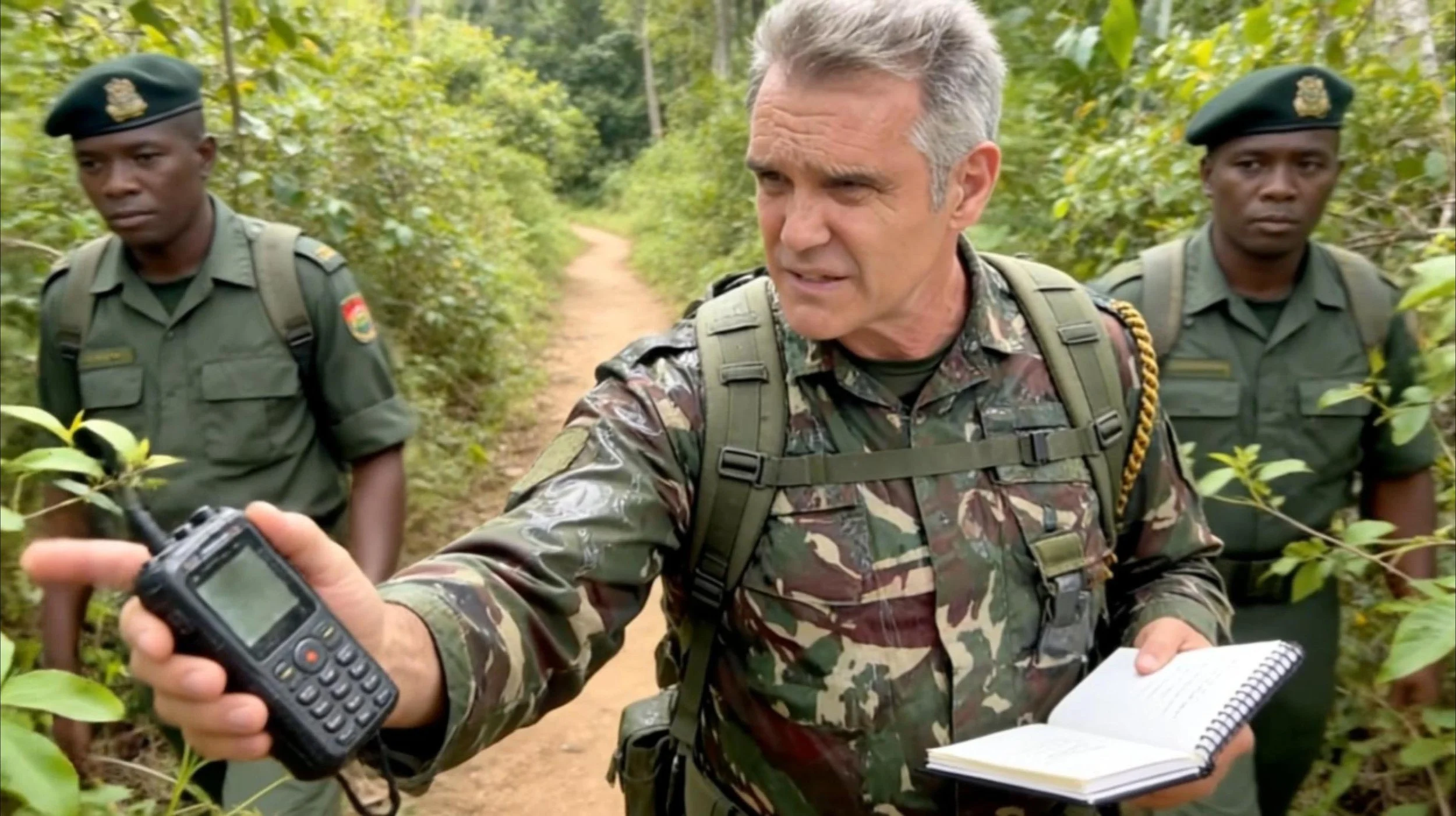
Precision Monitoring: Rapid response teams will utilize satellite collars to track every movement of the released tigers.
Early Warning Systems: Regular patrols and satellite data will provide early detection of any tiger approaching human settlements.
Community Integration: The program is currently providing grants for sustainable agriculture and ecotourism, ensuring that local residents see the tiger as a partner in prosperity rather than a threat.
Financial Safeguards: A robust compensation scheme is being established to cover any potential livestock losses.
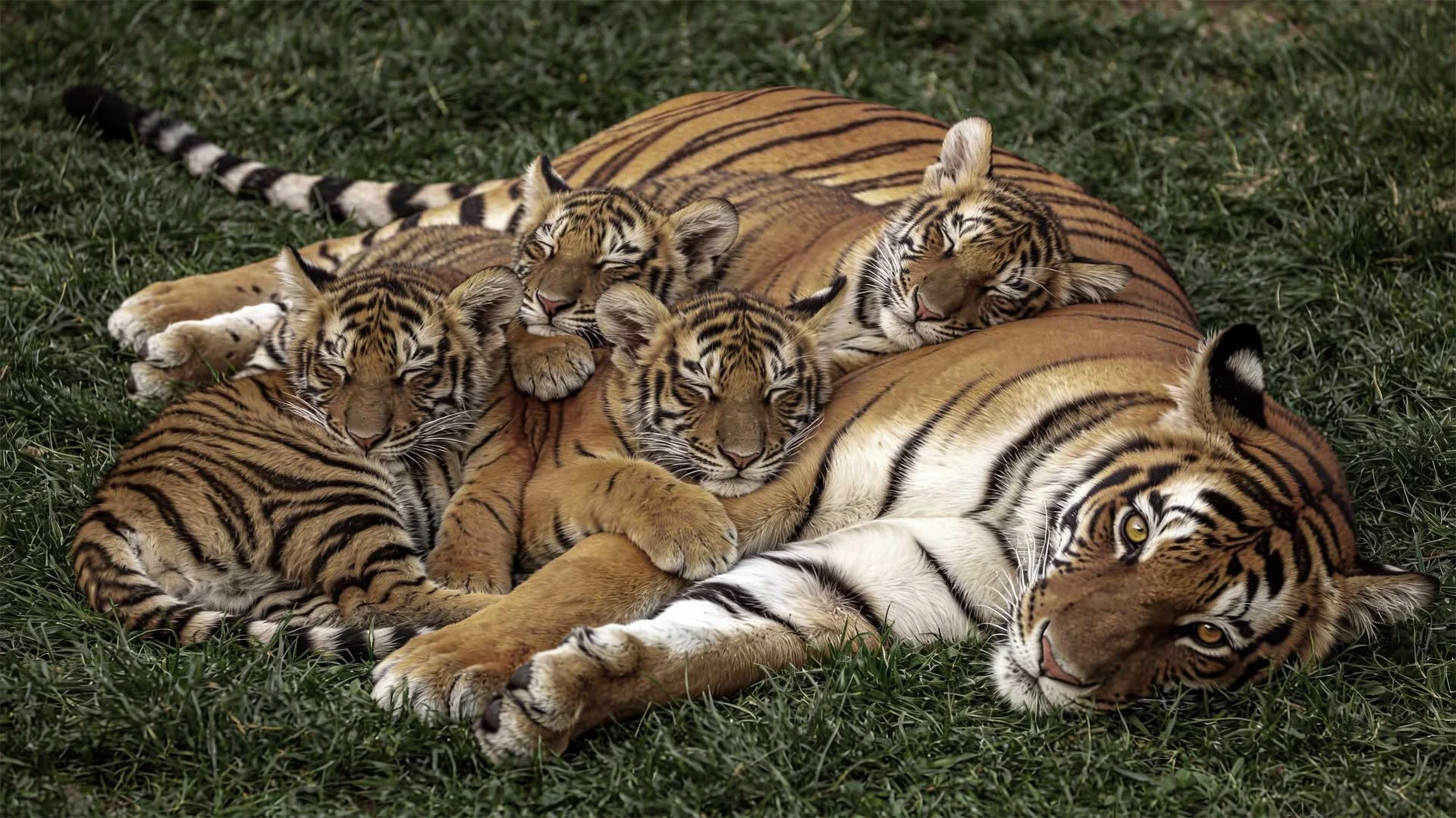
Currently, two captive Amur tigers—Bodhana and Kuma—are residing in enclosures within the Ile-Balkhash Nature Reserve. Sourced from an animal sanctuary in the Netherlands, these individuals are the founders; they will never be released, but their offspring will form the first generation of wild-born Kazakh tigers.
"All of this forms part of a long-term strategy for peaceful coexistence between people and predators." — WWF Central Asia spokesperson.
Conclusion: A New Wild Horizon
The timeline for this historic return is short. In the first half of 2026, the first wild-caught tigers are expected to arrive from the Russian Far East. As these forest islands mature and the first wild paws touch the soil of the Ile-Balkhash Nature Reserve, this project will stand as a global testament to the capacity for human-led ecological recovery.
It forces us to reconsider the limits of conservation: If we can rebuild the heart of an ecosystem from the ground up to support its most demanding and formidable predator, what excuse remains for allowing any other landscape to remain barren?