Peruvian Desert Cat Annual Report 2025
The Ghost of the Mangroves: How Nine Small Cats Are Redefining Peru’s Conservation Future
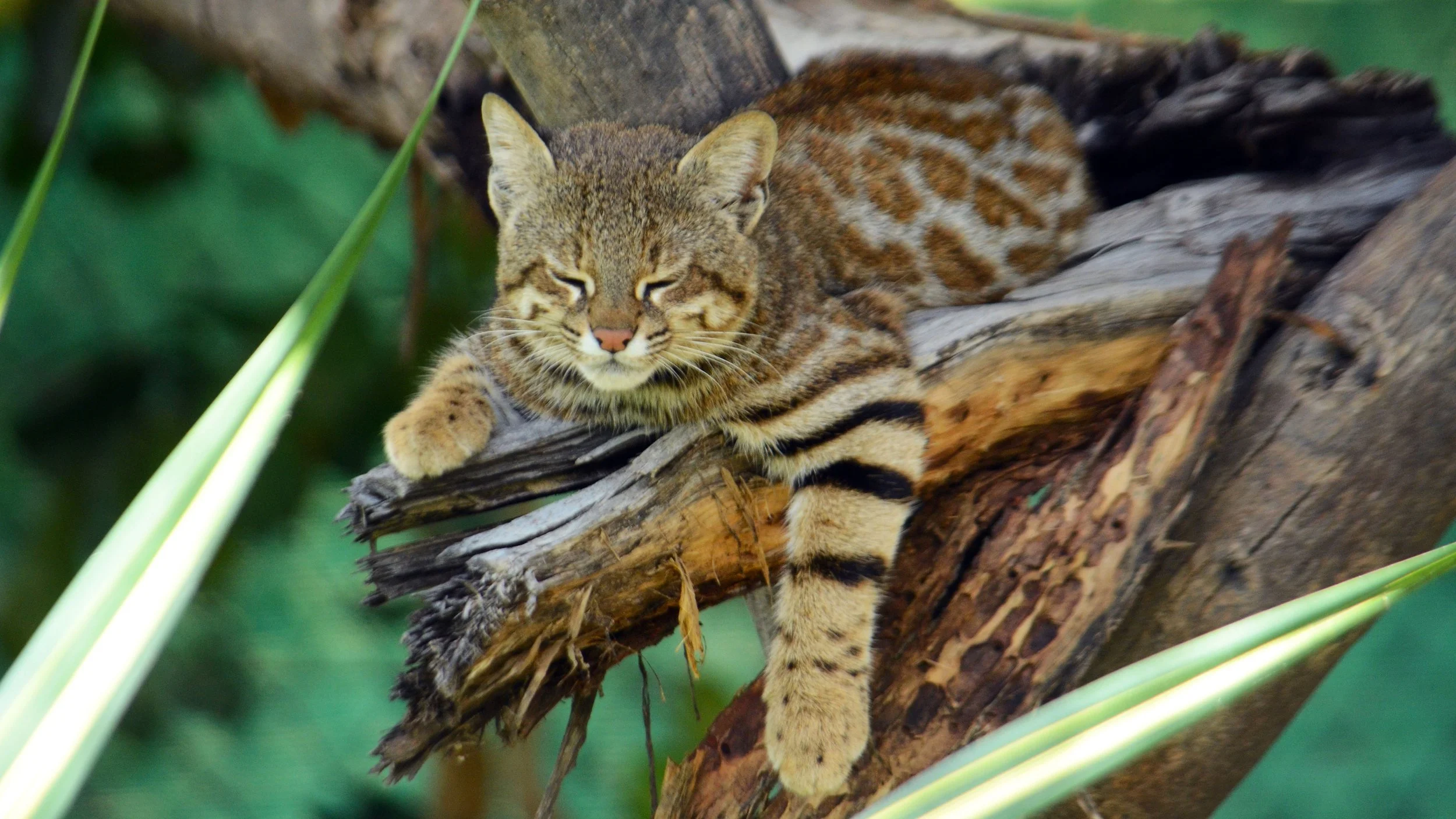
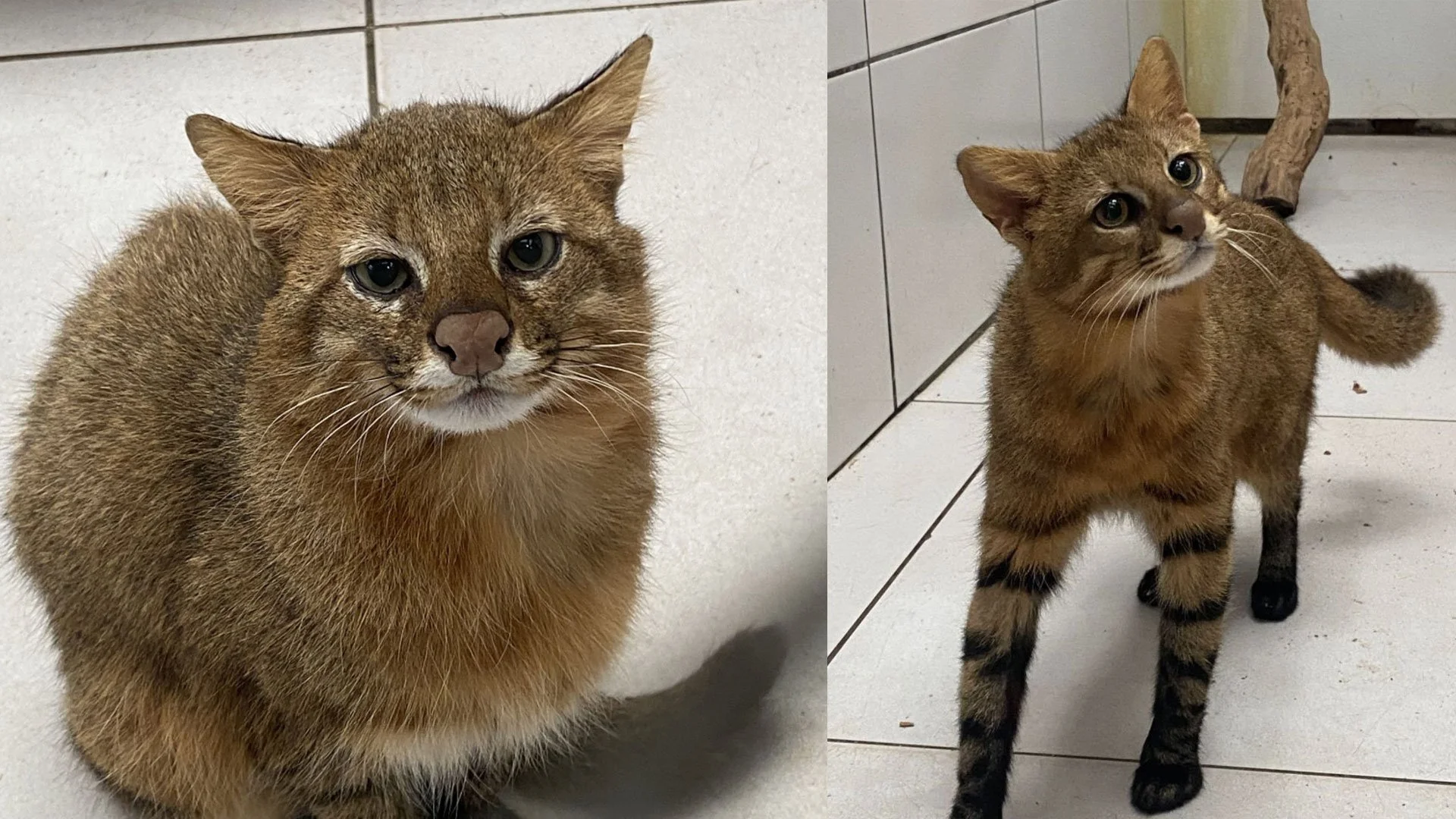
In the moonlit shadows of Peru’s harshest landscapes—from the sun-scorched coastal deserts to the jagged, high inter-Andean valleys—lives a master of adaptation: the Desert Pampas Cat (Leopardus garleppi). Known as a "ghost" for its ability to vanish into the scrubland, this resilient feline is the silent pulse of the dry forest. Yet, even the most elusive survivors are hitting their breaking point. Today, these cats face a lethal cocktail of threats: shrinking habitats, high-speed vehicle collisions, and a desperate cycle of retaliatory killings.
The 2025 Peruvian Desert Cat Project (PDC) report doesn't just offer data; it provides a narrative of survival and a roadmap for hope. By blending grassroots community alliance with high-tech genetic science, conservationists are proving that saving a species requires more than just a camera—it requires a village and a microscope.
Turning Shadows into Stewardship: The Cajamarca Initiative
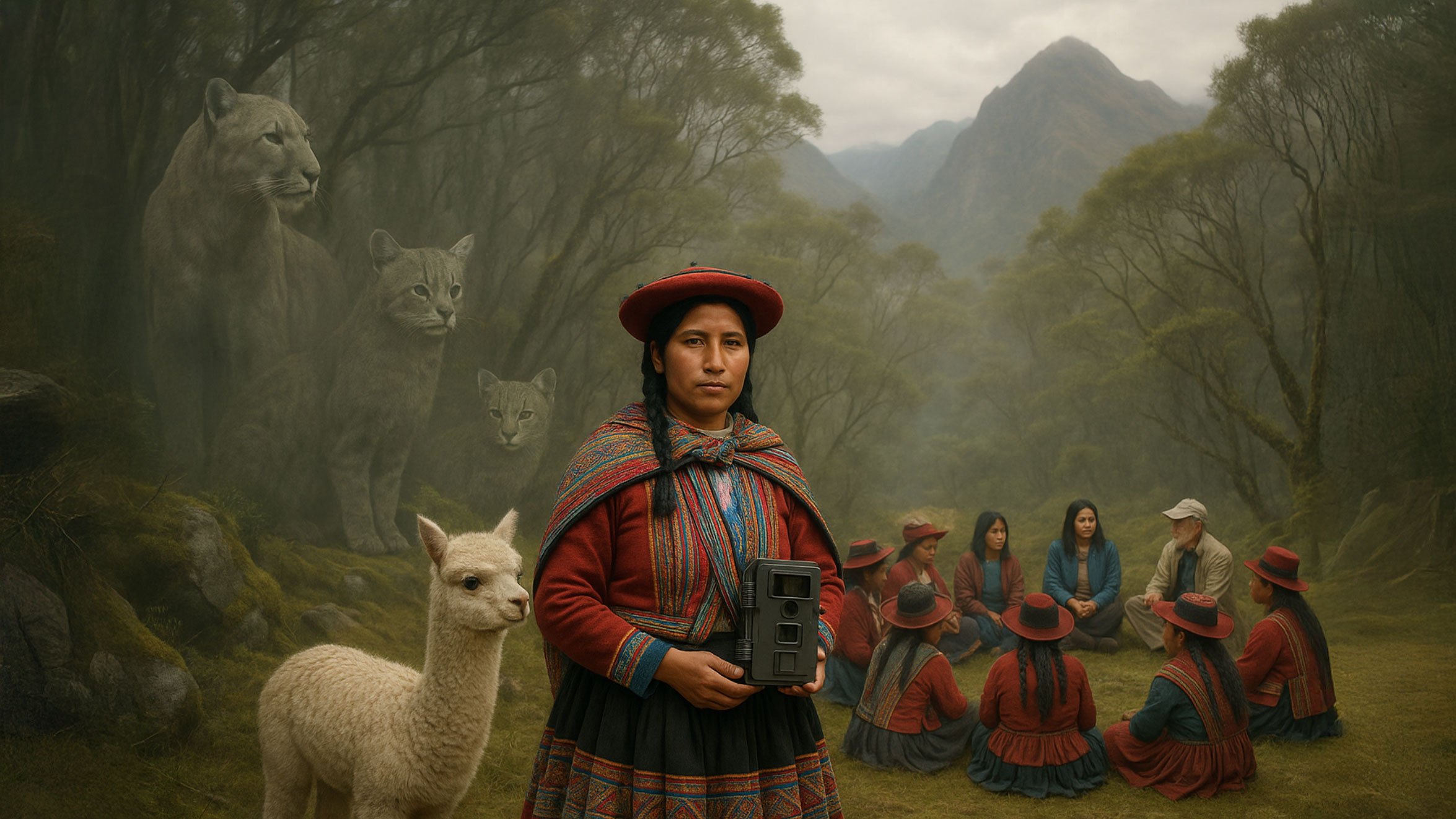
In the rugged, rolling terrain of the Cajamarca Region in northern Peru, the struggle for survival is shared by both cats and people. For rural families with limited resources, the loss of a single chicken to a predator isn't just a nuisance; it’s a threat to their primary protein source. Historically, this led to a tragic but understandable result: retaliatory killing.
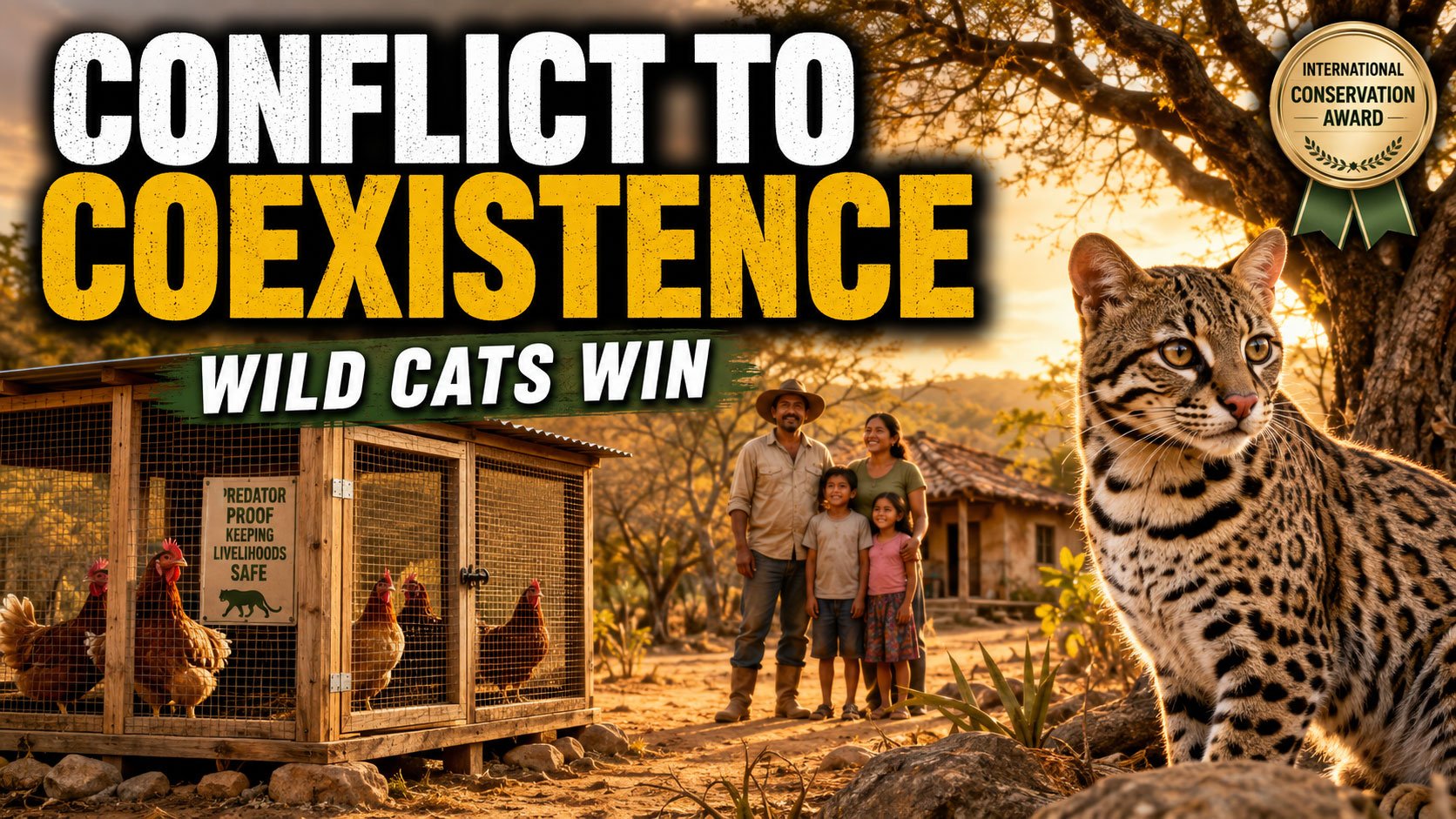
To break this cycle, the PDC project transformed the landscape of conflict into one of coexistence through the distribution of predator-proof chicken coops. This wasn't just a donation; it was an investment in trust. By securing poultry, conservationists have turned former "enemies" of the cat into its most fierce protectors. The logic is simple: when the community's livelihood is safe, the wildlife is safe.
Impact by the Numbers:
182 families have transitioned from conflict to stewardship, becoming active allies in the fight to protect small wild cats.
250 chickens (5 per family) were provided to establish secure, sustainable poultry systems.
1,200+ vaccinations were administered across three intensive health campaigns (over 400 chickens per campaign) to ensure flock longevity.
17 camera traps now stand guard around households, monitoring wildlife presence and helping families understand the nocturnal neighbors they once feared.
"By eliminating conflict and providing a reliable source of protein and extra income potential, this approach transforms conflict into coexistence and strengthens long‑term stewardship of native wildlife."
This local trust serves as the essential bedrock for larger goals. National legal designations and "fragile ecosystem" labels are only as strong as the people living on the ground; because these families now value the cat, they have become the informal rangers of the dry forest.
Speed and Shadows: Winning the War on Roadkill
In central Peru’s Junin Region, the silence of the desert is often shattered by the roar of transit. High-speed highways now slice through the cats’ ancestral hunting grounds. Because the Desert Pampas Cat is a creature of the night, it is particularly vulnerable to being blinded by headlights and struck while crossing open asphalt.
The PDC’s "I Brake for Wildlife" campaign is tackling this invisible threat head-on. By distributing 250 posters to bus terminals and transport companies, and placing reflective stickers on 14 environmental police vehicles, the project has moved the species from a "hidden ghost" to a national priority. This outreach reached its zenith through a massive coordination with the Illescas National Reserve, targeting over 1,000 road users to build a culture of caution. Every sticker and poster is a reminder that the road belongs to the wild, too.
A Line in the Sand: The 9,000-Hectare Shield
While community coops save individual lives, legal boundaries save entire lineages. The PDC is currently racing to secure 9,000 hectares of Dry Forest—one of the last true strongholds for the species—under formal protection.
Working alongside SERFOR (the Peruvian Wildlife Service), the team is pursuing two strategic legal pathways. The first is a conservation concession built on years of fieldwork and species inventories. The second is an alternative designation as a "Fragile Ecosystem," a critical status that would provide a permanent legal shield against the encroaching pressures of deforestation. Securing this land doesn't just protect the cat; it preserves an entire ecosystem that is among the most threatened in the country.
The Genetic Reality Check: Why Presence is Not Prosperity
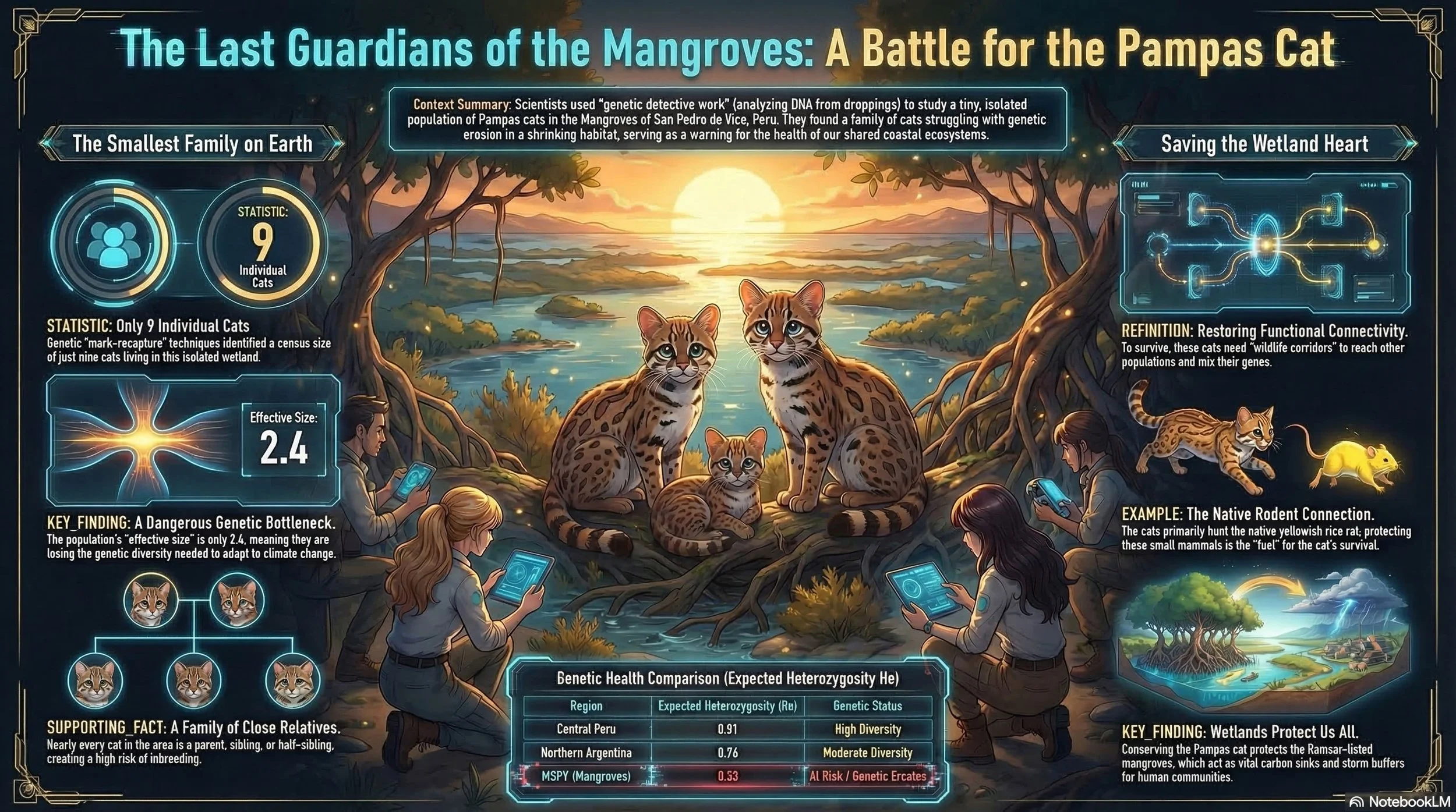
Perhaps the most jarring takeaway from the 2025 report comes from the mangroves of San Pedro de Vice. For years, this lush, "wildlife-rich" haven was thought to host a thriving population. To the naked eye, the cats were there. But the science told a different story.
Using cutting-edge DNA metabarcoding and non-invasive fecal genotyping, researchers analyzed 68 scat samples. The results were a "striking" wake-up call for the conservation world:
Only nine individual cats exist within the entire study area.
Extremely low genetic diversity indicates a population on the brink.
An effective population size (Ne) of approximately 2.4, which is critically, dangerously low.
Clear evidence of a recent genetic bottleneck, suggesting a massive, silent decline in the recent past.
"Seeing a species does not mean it is thriving. Photographs do not reveal genetic diversity. Presence does not equal population health."
This discovery has forced a total pivot in strategy. We can no longer settle for "maintenance." The team is now launching a science-based plan for connectivity, surveying nearby wetlands to find a "source population" that can inject vital genetic health back into the San Pedro lineage. This is the difference between "blind connectivity"—simply building corridors and hoping for the best—and evidence-based action.
A Model for the Future
The Peruvian Desert Cat Project proves that the future of conservation lies in the synergy between the coop and the lab. It is a model built on the understanding that you cannot protect nature by excluding people, and you cannot understand nature by ignoring its DNA.
As we look toward a future of restored corridors and protected strongholds, we are left with a sobering thought: If a seemingly "thriving" mangrove population can hide such a desperate genetic crisis, what does that mean for the small wild cats in our own backyards? Conservation requires us to look deeper than the lens of a camera. It requires us to look at the very blueprint of life.
Stay updated on the fight to save Peru’s small wild cats by following the project at @peruvian.desert.cat and here: https://bigcatrescue.org/conservation-news/pampas-cat-working-group





Dr. Hurtado's unwavering commitment to the conservation of endangered cats is evident in her tireless efforts to protect the Pampas Cat and the Andean Mountain Cat from the brink of extinction. Each day, she wakes up with a singular purpose: to ensure that these elusive and precious animals continue to thrive in their natural habitats.