Case Study How Advocacy Reshapes E-Commerce The Etsy Fur Ban
The global e-commerce giant Etsy has officially announced a prohibition on animal fur sales starting in August 2026, marking a significant victory for the Coalition to Abolish the Fur Trade after an intensive protest campaign. This policy update targets natural pelts from animals like mink and fox while still allowing for taxidermy and leather byproducts. This shift reflects a broader trend within the fashion world, as numerous international brands, publications, and countries are increasingly rejecting wildlife-derived materials. However, the industry remains polarized, as the European Union faces internal debates over farming bans while Canadian fur auctions report record-breaking prices and sustained demand. Ultimately, while animal rights advocacy is rapidly transforming the retail landscape, the debate over the ethics and economic value of fur continues globally.

The 70-Year Wait is Over
This article describes a monumental conservation initiative in Kazakhstan aimed at restoring the tiger population after more than seven decades of absence. To prepare for the predators’ arrival, the government and international partners have launched a massive reforestation project, planting tens of thousands of trees to create a sustainable habitat in the South Balkhash region. While two captive Amur tigers are already being used for breeding, the program anticipates the arrival of wild tigers from Russia by 2026. The strategy also includes efforts to rebuild prey populations and implement safety measures to ensure peaceful coexistence with local communities. This multifaceted approach seeks to revive a functioning ecosystem by reintroducing its most iconic apex predator.
Cape Leopards
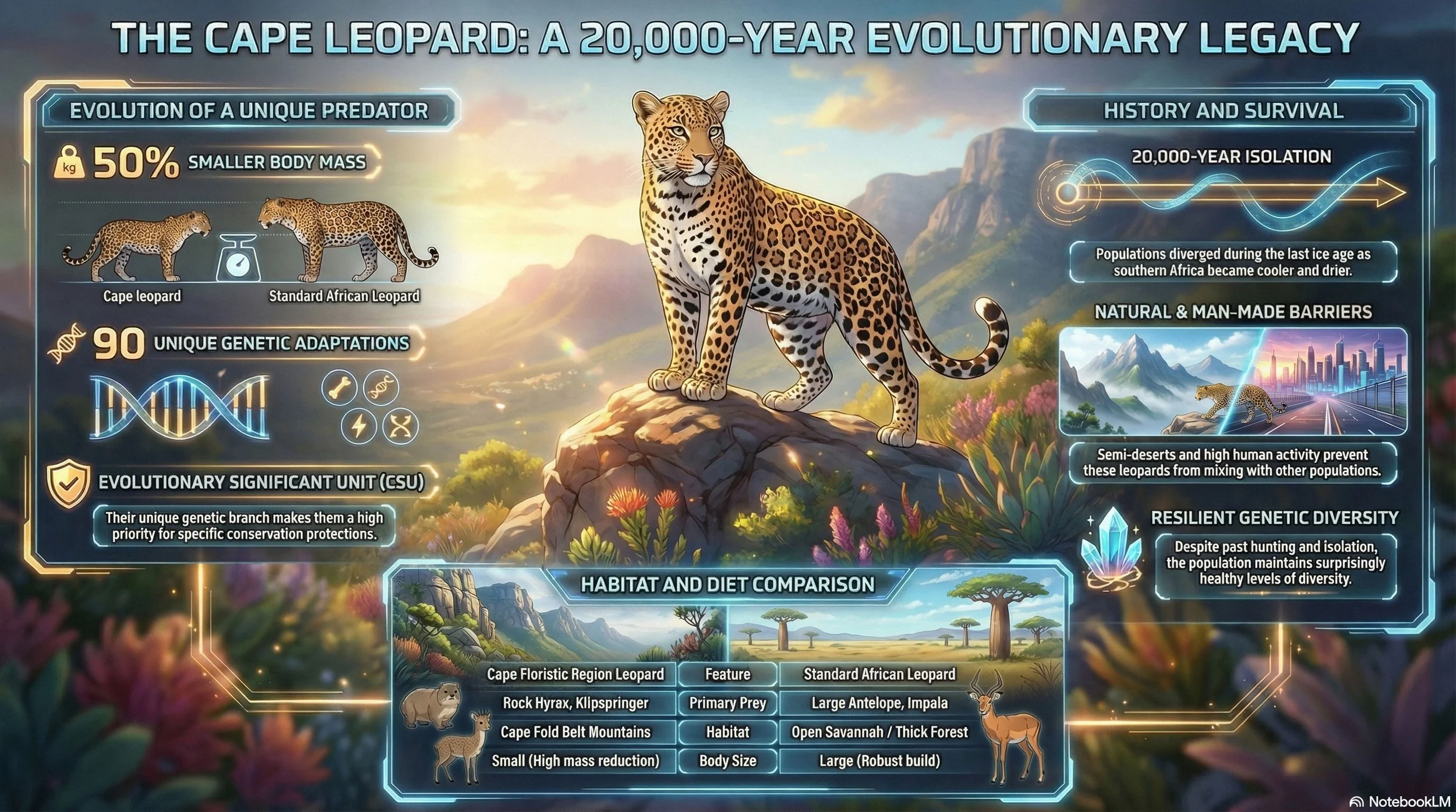
Researchers have discovered that leopards inhabiting South Africa’s Cape Floristic Region are a genetically distinct population that has evolved separately from other African leopards for over 20,000 years. These cats are significantly smaller in size, an physical trait driven by specific genetic adaptations to a unique environment with limited prey rather than mere isolation. While their numbers were previously decimated by human hunting and habitat loss, genomic analysis reveals surprisingly healthy levels of genetic diversity within the remaining population. This scientific breakthrough identifies the Cape leopard as an evolutionarily significant unit, highlighting an urgent need for specialized conservation strategies to protect their mountain corridors. Preserving these predators requires mitigating human conflict and ensuring landscape connectivity to safeguard a unique evolutionary legacy.

Adam Bied
A Massachusetts resident named Adam Bied was recently sentenced to prison for his involvement in an extensive international wildlife trafficking operation. According to the U.S. Department of Justice, the defendant illegally imported and traded parts from numerous endangered and protected species, such as orangutans, tigers, and jaguars. To avoid detection by federal authorities, he falsified shipping labels and ignored strict federal regulations like the Lacey Act and the Endangered Species Act. In addition to serving time in prison, Bied must pay a significant fine and forfeit over 100 animal parts seized during the investigation. Officials emphasized that this prosecution serves as a stern warning to those who profit from the exploitation of vulnerable wildlife across the globe.
Ocelot Working Group
Forgotten Felines
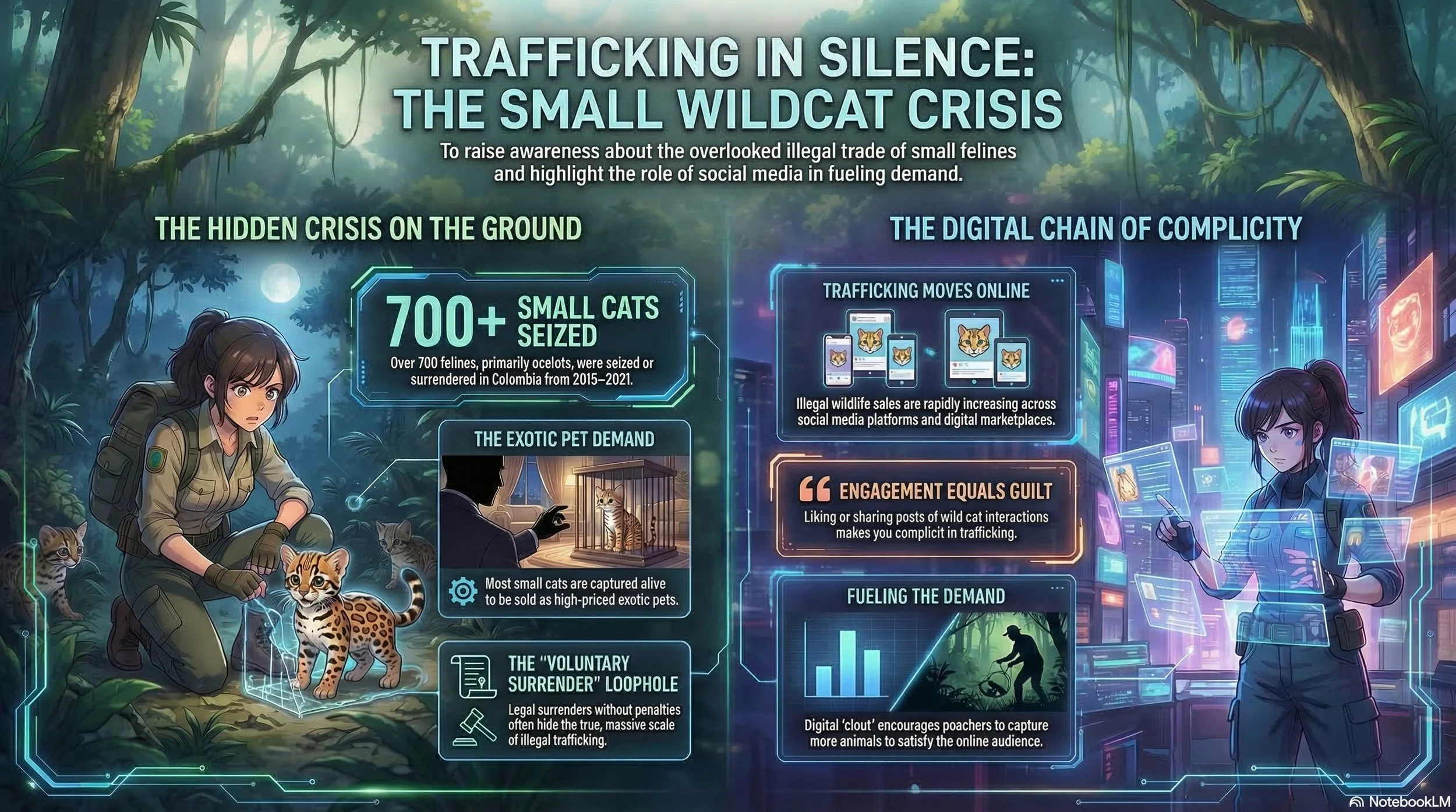
While large felines typically dominate conservation headlines, new research highlights a disturbing and overlooked spike in the illegal trafficking of small and medium-sized wildcats. In nations like Colombia, hundreds of species such as ocelots and margays are being removed from the wild to be sold as exotic pets or for their physical parts. This underground industry often operates through voluntary surrenders, a legal loophole that frequently masks the true magnitude of poaching activities. Experts warn that this crisis extends across Latin America, Asia, and Africa, where smaller cats are increasingly vulnerable due to their proximity to human settlements. Because these animals receive less monitoring and protection than their larger relatives, many species face a silent decline toward extinction. Greater international scrutiny and better data collection are essential to uncovering and halting this widespread wildlife crime.