The Journey of a Wildlife Crime: The Case of Adam Bied
1. Introduction: From Forest to Federal Court
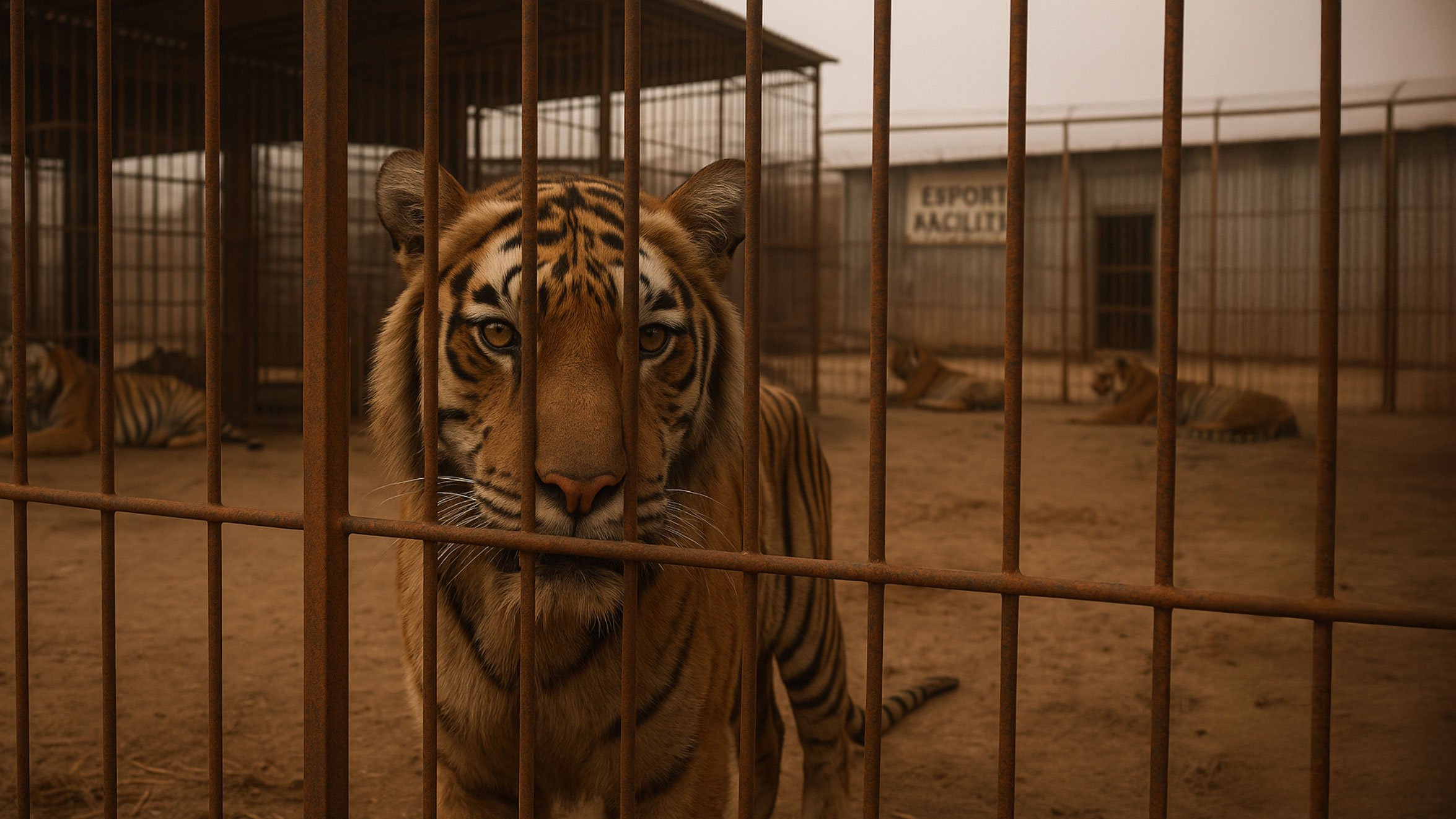
The case of Adam Bied strips away any romanticized notion of wildlife collecting, revealing a clinical and systematic exploitation of the world’s most vulnerable species. This was not a passive hobby; it was a deliberate, profit-driven enterprise involving the active direction of poachers to slaughter endangered animals in high-conflict zones. Bied’s operations bypassed the international legal frameworks designed to prevent extinction, demonstrating a total disregard for global conservation efforts.
Case Snapshot
Defendant: Adam Bied, 40
Location: Reading, Massachusetts
Presiding Judge: Senior District Court Judge F. Dennis Saylor IV
Convictions: Two counts of conspiracy to smuggle goods; two counts of violating the Lacey Act.
Final Sentence (April 2, 2026): 8 months in prison, 2 years of supervised release.
Financial Penalty: $75,000 fine (designated for wildlife enforcement).
To understand the scale of this criminal enterprise, one must trace the illegal supply chain from the forests of Africa and Southeast Asia to a federal courtroom in Boston.
2. The Source: Global Poaching Networks
Adam Bied did not merely purchase artifacts; he orchestrated the slaughter of wildlife through direct contact with international co-conspirators. Between 2018 and 2021, Bied established a network that allowed him to "hunt to order," specifically targeting species protected by international treaties.
The investigative record proves Bied’s role as a director of the kill. He explicitly instructed poachers to provide skulls with "no bullet holes," a demand that confirms the animals were being hunted specifically for his collection rather than being salvaged. In one of the most egregious examples of criminal facilitation, Bied offered to fund the hunt in Cameroon during an active civil war. When his contact lacked ammunition, Bied offered to send money for bullets to ensure the poaching could continue.
Source Region
Key Co-conspirator
Primary Species Targeted
Nature of Communication
Cameroon
CC-1 (Known poacher)
Chimpanzees, Gorillas, Elephants, Lions, Hippos
Bied offered to fund bullets during a civil war; requested "rare" and "large" animals; demanded "no bullet holes" to ensure specimen quality.
Indonesia
CC-2 (Wildlife supplier)
Orangutans, Javan leopards
Electronic coordination regarding the acquisition and sale of critically endangered species.
Once these animals were killed at Bied’s direction, the focus shifted to moving the remains across international borders while evading federal detection.
3. The Smuggle: Evading the Law
Bied’s operation required the systematic evasion of three primary legal pillars: The Endangered Species Act (ESA), the Lacey Act, and the Convention on International Trade in Endangered Species of Wild Fauna and Flora (CITES).
A critical legal hurdle was the requirement for a U.S. Fish and Wildlife Service (USFWS) import/export license for commercial purposes, which Bied lacked. To bypass these requirements, Bied and his co-conspirators employed several calculated deception tactics:
False Labeling: Shipments were deceptively described on customs documents as "decorative masks" or "rodents" to avoid inspection by specialized wildlife inspectors.
Lack of Licensing and Declaration: Bied failed to obtain necessary USFWS import/export licenses or CITES permits and consistently failed to file required wildlife declarations upon importation.
Fraudulent Provenance: To facilitate domestic sales, Bied lied to buyers—including undercover agents—claiming recently smuggled items were legal auction pieces from decades ago.
This pattern of calculated deception eventually generated the digital and physical trail that federal investigators utilized to dismantle his network.
4. The Evidence: Digital Footprints and Irony
The conviction of Adam Bied was secured through a combination of an undercover "sting" operation and a mountain of digital evidence that highlighted his criminal intent. The most damning evidence was a moment of stark irony captured on Bied’s own phone.
On December 26, 2019, Bied visited a zoo and photographed an educational exhibit about the dangers of wildlife trafficking, which identified pangolins as the most heavily trafficked wild mammal in the world. Later that same day, Bied messaged his poacher in Cameroon, stating: "I'd like to buy the pangolin skull."
Chronology of an Investigation:
January 2018: Bied begins the conspiracy, buying and trading protected wildlife via international contacts.
December 26, 2019: Bied photographs a zoo exhibit on trafficking, then immediately texts a poacher to order a pangolin skull.
Undercover Sting: Bied negotiates the sale of two illegally imported leopard skulls to an undercover agent, falsely claiming they were 60-year-old legal specimens.
July 2021: USFWS federal agents execute search warrants on Bied's residence, vehicle, and storage unit, seizing over 100 wildlife parts.
June 2024: Bied is officially charged with federal smuggling and Lacey Act violations.
January 7, 2026: Bied enters a formal guilty plea.
April 2, 2026: Senior District Court Judge F. Dennis Saylor IV sentences Bied to eight months in federal prison.
This extensive evidence led to a final legal reckoning that concluded with the forfeiture of Bied’s entire illegal collection.
5. The Recovery: The Price of Trafficking
The final judgment resulted in the civil forfeiture of over 100 wildlife parts. This recovery is vital for removing these items from the black market and documenting the biological toll of Bied's network. The $75,000 fine serves as a pivotal transition, converting a massive loss for biodiversity into a significant win for law enforcement.
Seized and Forfeited Items:
Great Apes: Orangutan skulls, chimpanzee skulls, Mandrill skulls.
Big Cats: Tiger skulls, Javan leopard skin/skulls/claws, jaguar skin/skulls, African lion skulls.
Marine Mammals: Polar bear skull, narwhal tusk, elephant seal skull, South American fur seal skull, harp seal skull.
Other Protected Species: Otter skeleton, pangolin skull, babirusa skulls, wallaby skull, jackal skull.
While the $75,000 fine is a financial penalty for Bied, it is specifically designated to fund future wildlife enforcement, providing the resources necessary to intercept the next trafficker.
6. Learning Synthesis: Why This Case Matters
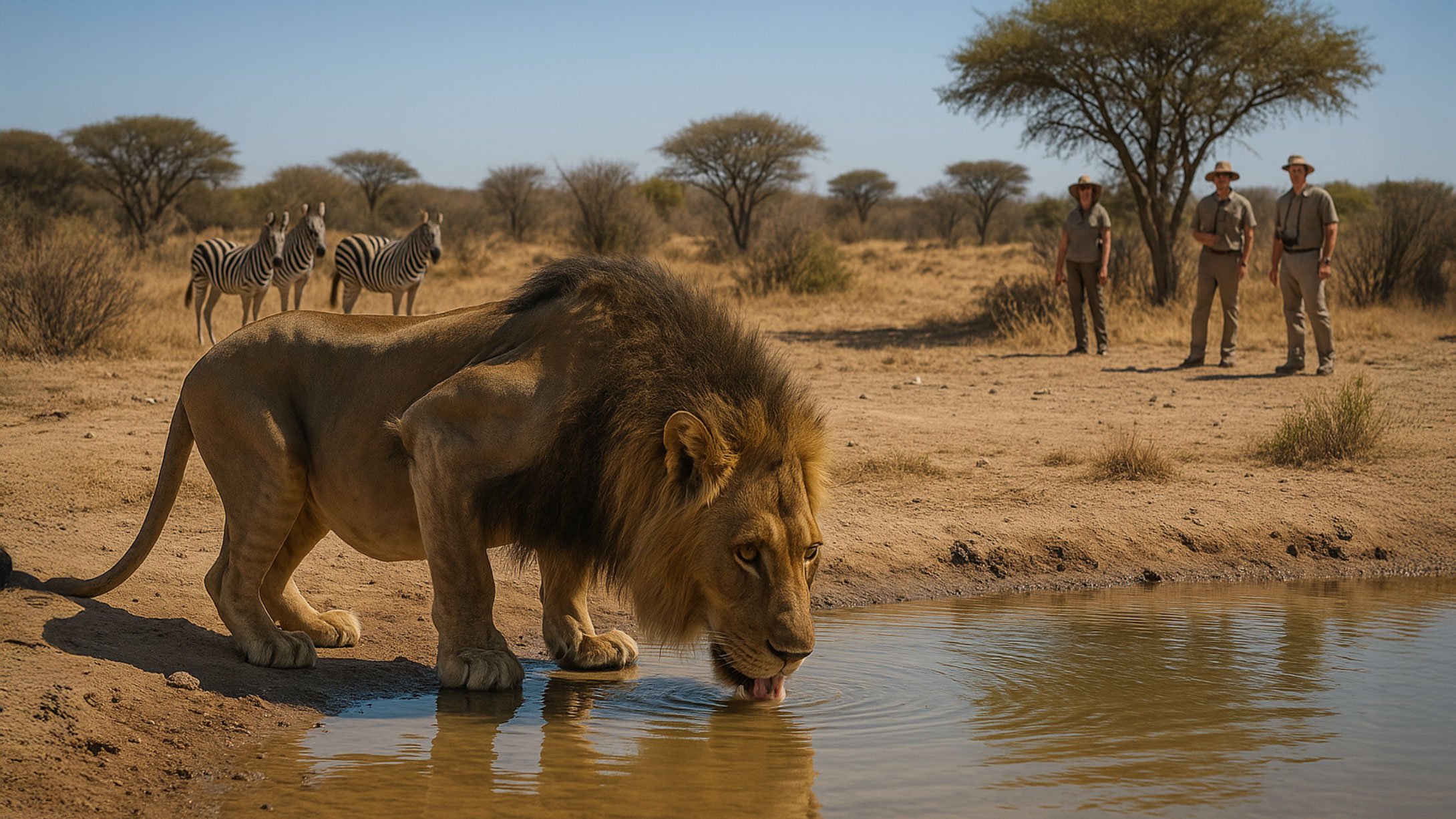
The prosecution of Adam Bied is a landmark victory for global conservation. By targeting an American "end-user," law enforcement disrupts the financial liquidity that sustains poaching networks in high-conflict and high-biodiversity regions like Cameroon and Indonesia.
The Criminal Action
The Conservation Impact
Active Facilitation
Sentencing Bied proves that directing the kill is just as legally perilous as pulling the trigger.
Funding the Hunt
Disrupting Bied’s ability to send money for bullets in conflict zones dries up the financial liquidity of poaching networks.
Commercial Smuggling
The seizure of over 100 parts breaks the local link in the illegal trade, preventing these items from generating further profit.
Regulatory Evasion
Reinforcing CITES and the ESA through prosecution signals that international borders will not protect those who bypass global treaties.
The Bied case serves as a warning that the demand for "rare" animal parts has a direct, devastating impact on global biodiversity. Protecting the natural world requires holding those who fund its destruction to the highest degree of accountability.
Source: 4/3/2026 District of Mass.