MYANMAR'S BIG CATS FACE EXTINCTION AS NEW RESEARCH REVEALS CRISIS
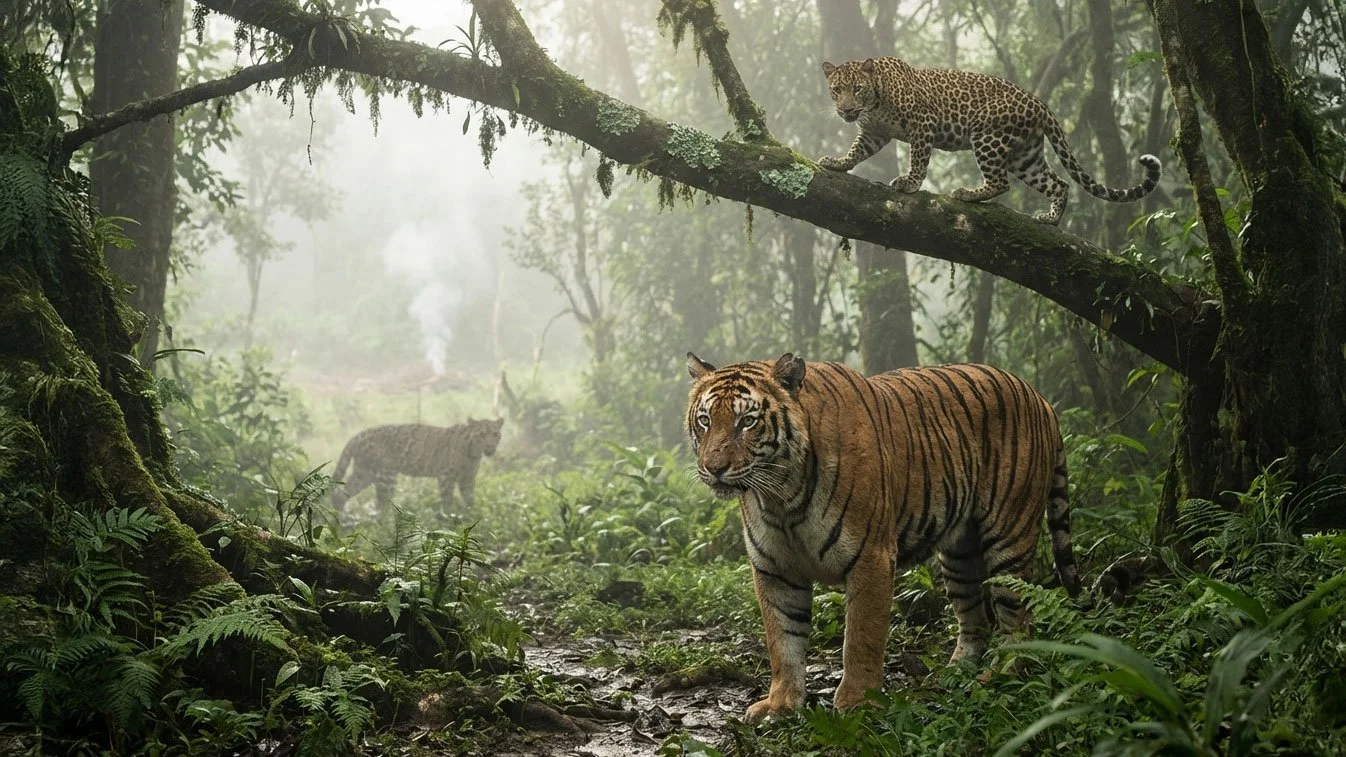
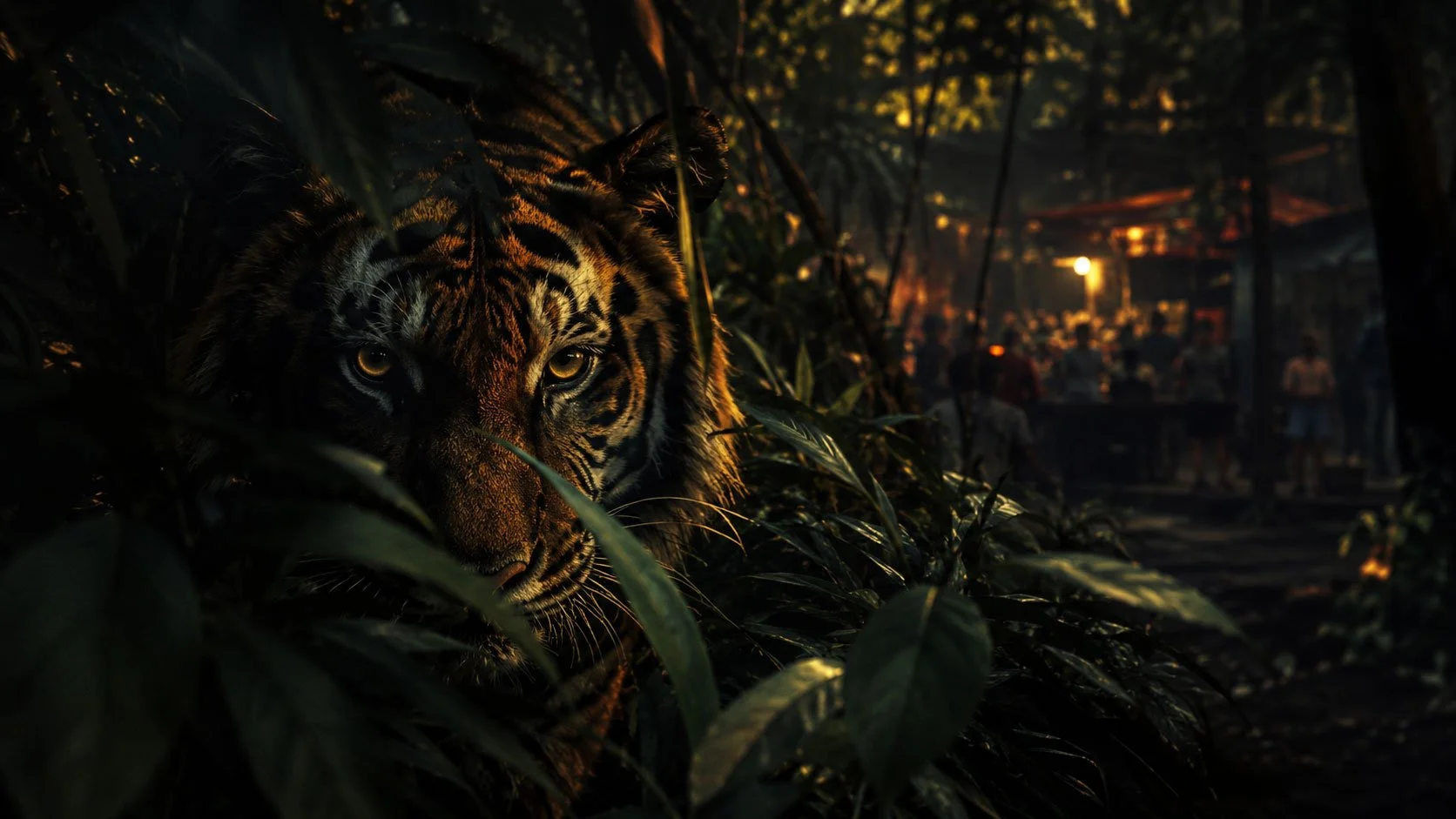
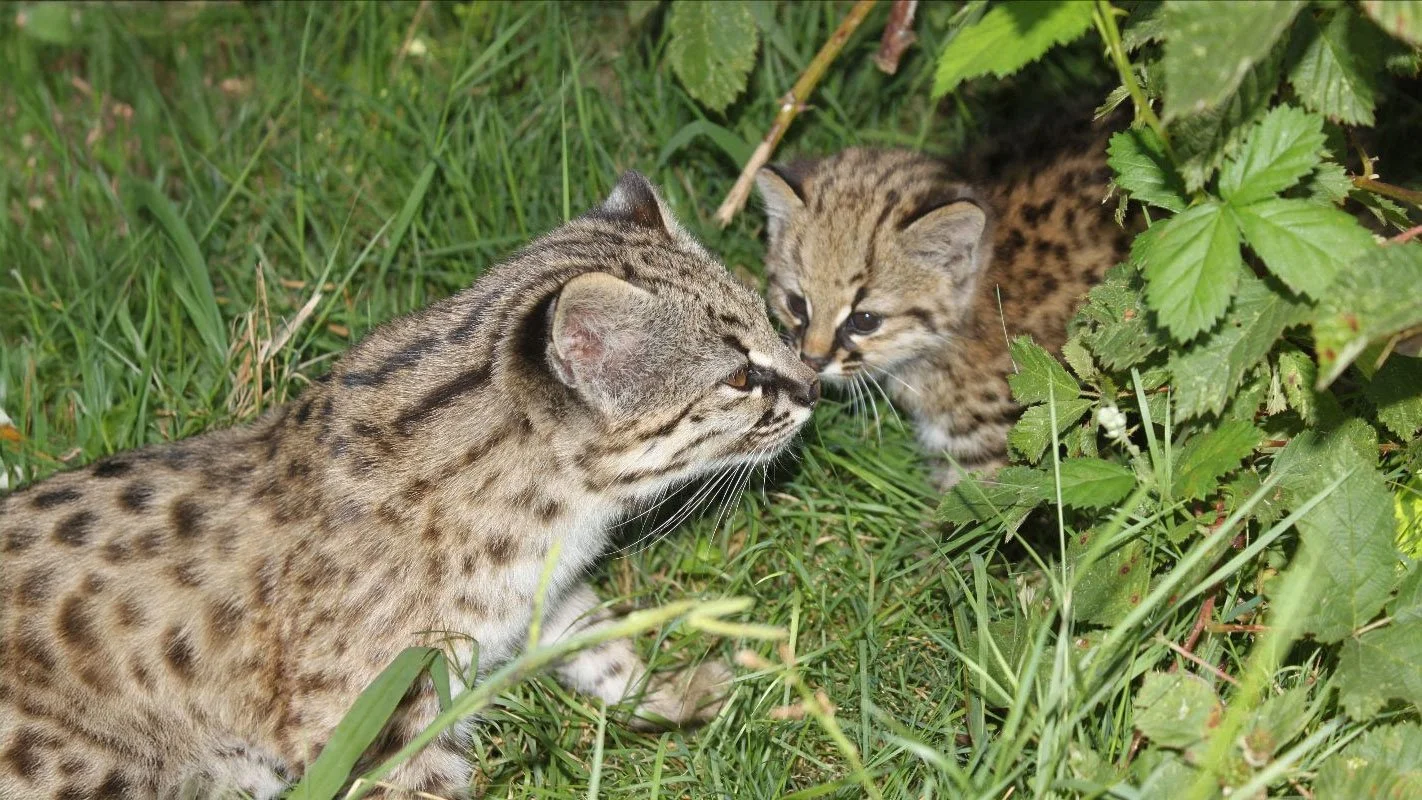
A dramatic conservation photography style image showing a Bengal tiger in the foreground standing in misty Myanmar rainforest, with an Indochinese leopard visible in the mid-ground on a tree branch, and a clouded leopard barely visible in the background fog. The scene should convey urgency and beauty - lush green vegetation of the Chindwin River Basin, dappled sunlight filtering through dense canopy, morning mist creating atmosphere. The tigers and leopards should look alert but endangered, with their habitat appearing fragmented. Photorealistic style, National Geographic quality, slight desaturation to convey the serious conservation message. Include subtle hints of human encroachment (distant agricultural clearing barely visible at the edge). Cinematic lighting, shallow depth of field focusing on the Bengal tiger's face showing determination and vulnerability. 16:9 aspect ratio for web header.
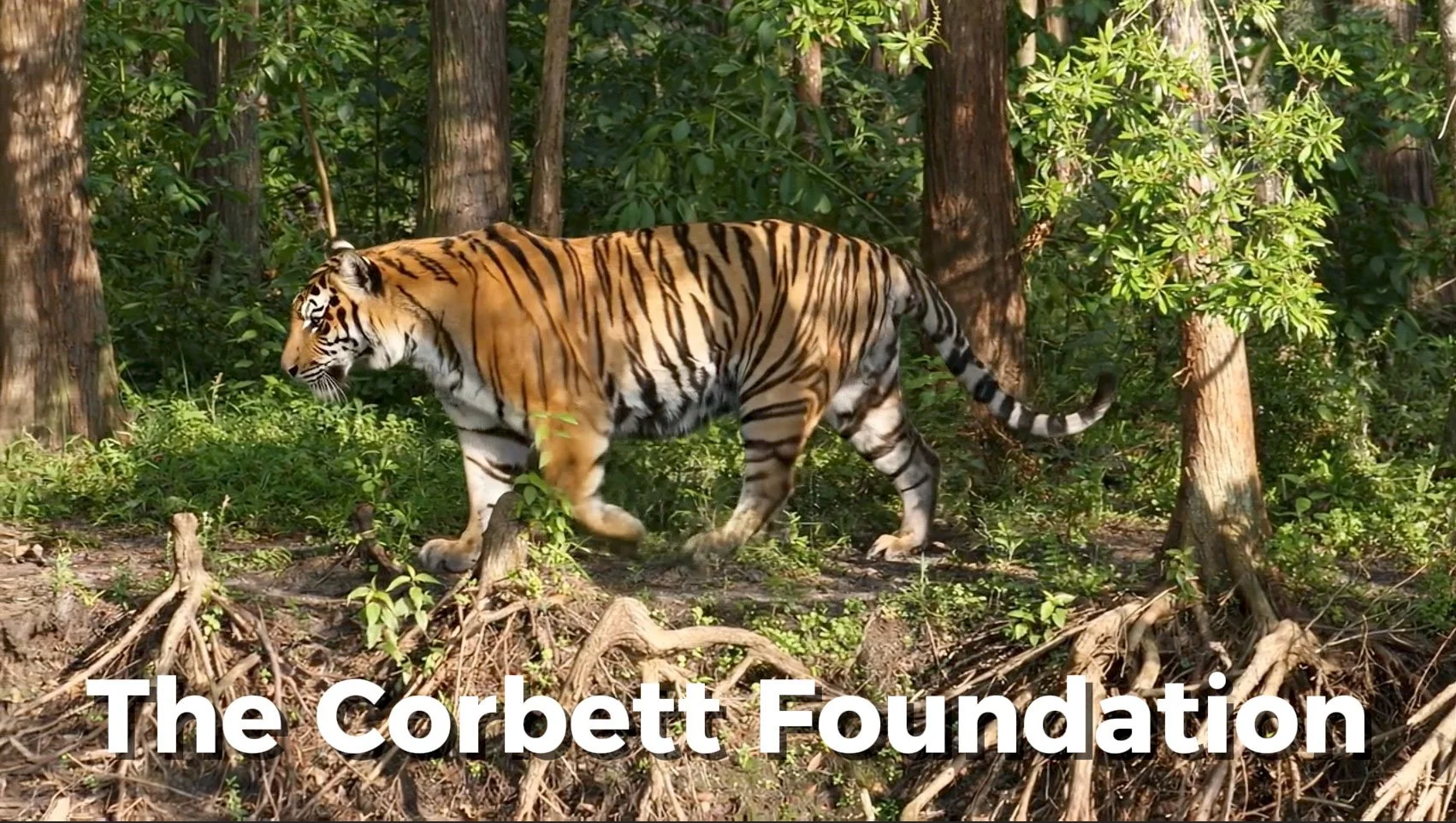
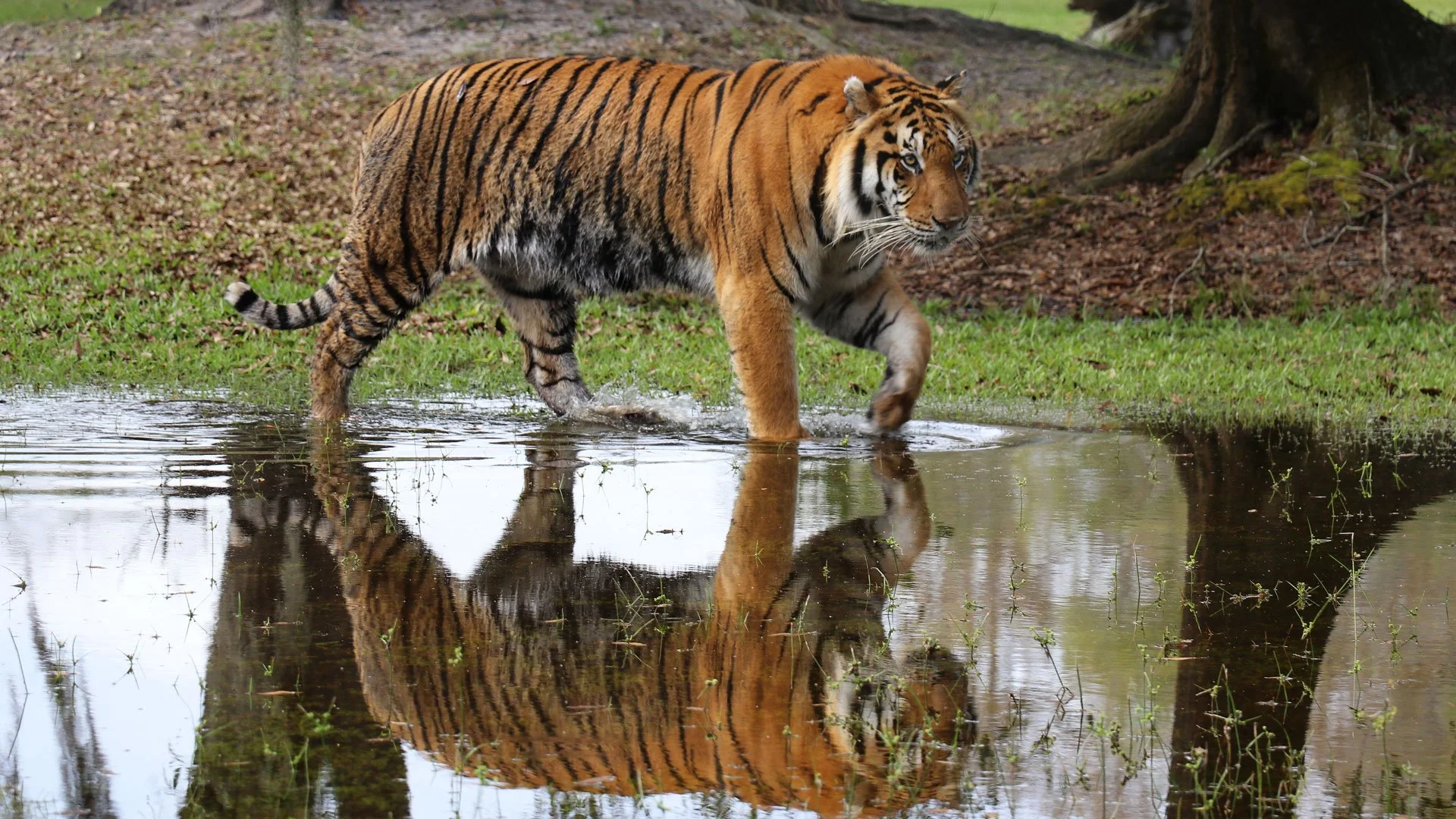
Only 22 tigers were found in a two-year survey of Myanmar's protected areas. New research from the University of Massachusetts Amherst shows that three big cat species—Bengal tigers, Indochinese leopards, and Mainland clouded leopards—are racing toward extinction unless urgent action expands conservation beyond today's protected lands.
A CATASTROPHE IN THE MAKING
Big cats in Southeast Asia are among the animals most threatened by deforestation, habitat loss, climate change, and poaching. These apex predators sit at the top of the food chain and play a crucial role as keystone species. Their loss would threaten the stability of entire ecosystems. Beyond their ecological importance, these cats also hold deep cultural significance across Asia.
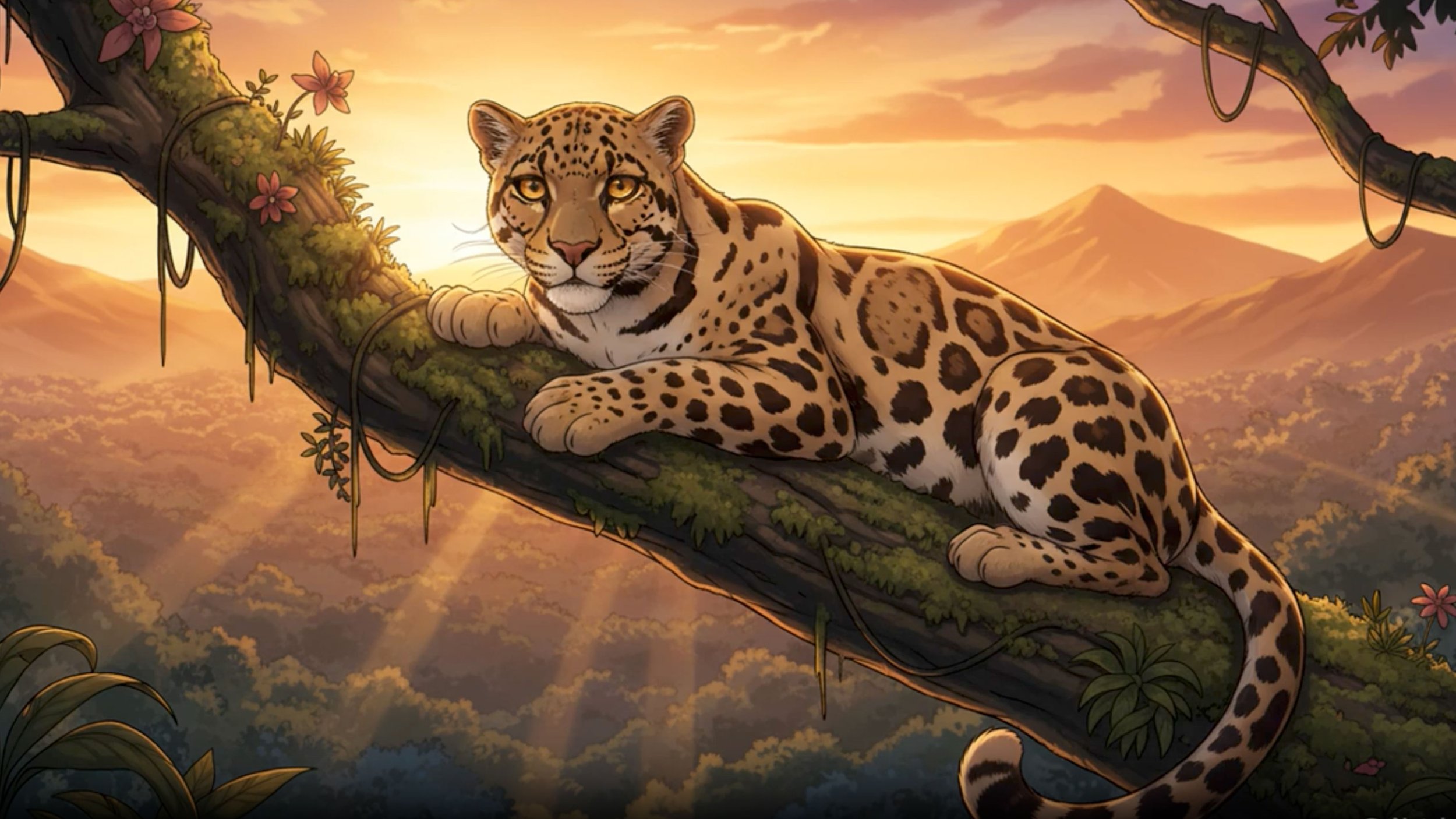
According to the International Union for Conservation of Nature (IUCN) Red List, all three big cat species in Myanmar face regional extinction. The numbers tell a stark story. In a two-year survey of one protected area, researchers found only 22 Bengal tigers. Indochinese leopards now occupy just 11% of their historical range. While exact numbers for clouded leopards haven't been calculated, only 10 of 17 camera-trapped locations surveyed between 1999 and 2002 still had clouded leopards.
"It's very difficult to figure out how to protect multiple species facing multiple threats," says Timothy Randhir, professor of environmental conservation at UMass Amherst and senior author of the research published in the Journal for Nature Conservation. "And adding to that the different kinds of landscapes each cat requires only increases the difficulty of finding a solution."
THE CHINDWIN RIVER BASIN: CRITICAL HABITAT
All three big cat species share critical habitat areas within Myanmar's Chindwin River Basin. This massive region covers 114,000 square kilometers and contains 11 protected areas and 25 Key Biodiversity Areas. Despite having much in common, Bengal tigers, Indochinese leopards, and Mainland clouded leopards each need different specific habitats to survive and thrive.
This difference makes conservation planning extremely challenging. What works for tigers might not work for leopards. What helps clouded leopards might not benefit the other species. Conservation teams need precise information about where each species will find suitable habitat in the coming years.
USING MODELS TO PREDICT THE FUTURE
Professor Randhir has spent the last twenty years developing and refining "population dynamics models." These sophisticated tools take into account many different variables including climate projections, weather patterns, land use scenarios, physical characteristics of the land, and topography. The models help predict where the most suitable habitats for large mammals will be in future years.
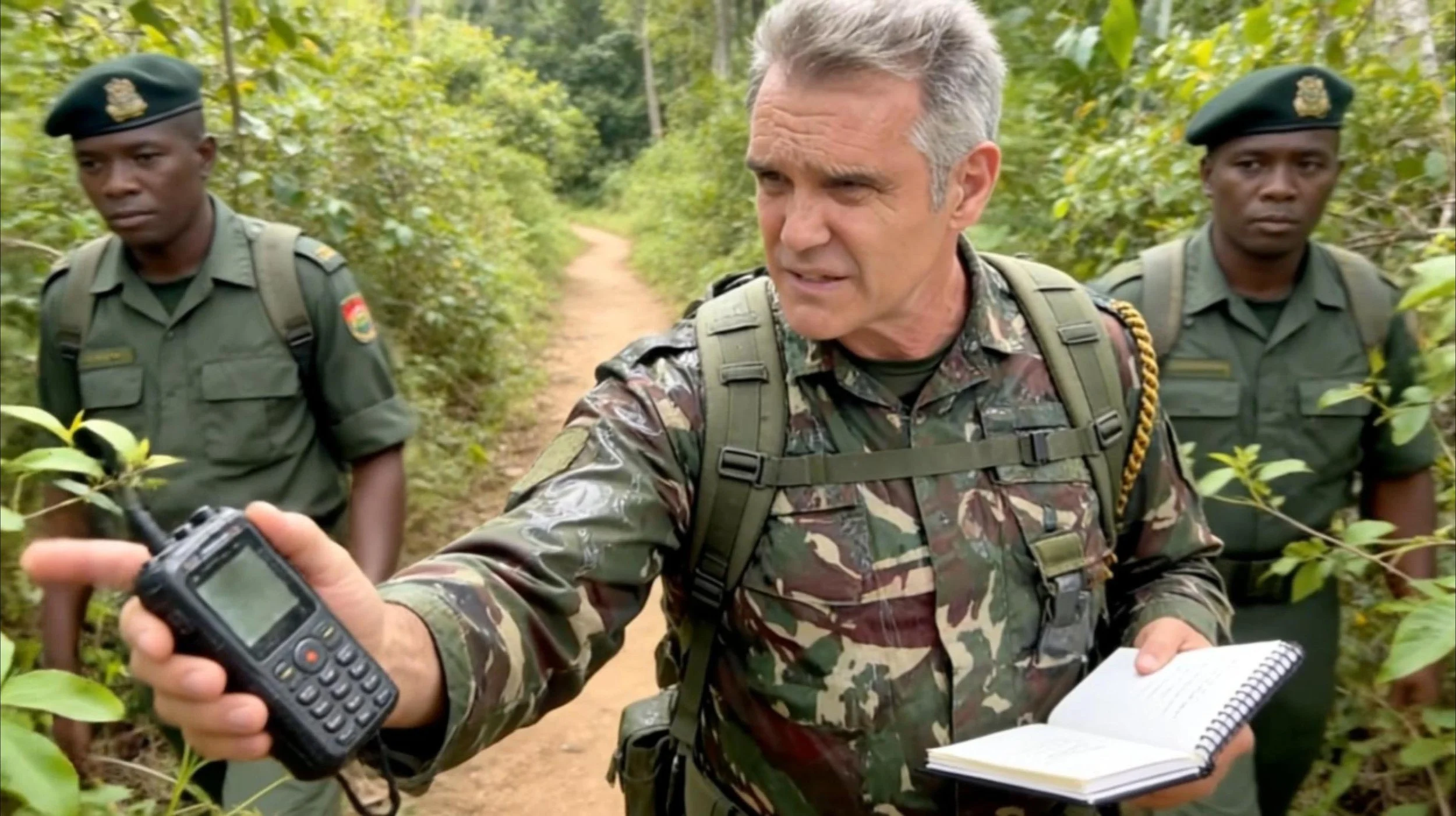
However, even the most advanced model is only as good as the data fed into it. This is where lead author Theint Thandar Bol made the critical difference. Bol, a Myanmar native, completed this research as part of her master's program at UMass Amherst. Before that, she worked for the Wildlife Conservation Society's Myanmar program from 2015 to 2020.
During her time in the field, Bol helped set up camera traps to collect data on big cats in protected areas within the Chindwin Basin. This region is one of the most critical hotspots and priority corridors in the Indo-Burma region. Her firsthand knowledge and careful data collection proved essential to the research.
OPENING DOORS FOR WOMEN IN CONSERVATION
"After Hla Naing, one of our co-authors who is now a graduate student at Oregon State University, left his master's program at UMass Amherst, he started the wildlife conservation intern program that motivated me to pursue wildlife conservation," Bol explains. She notes that field conservation roles have historically been offered to women in Myanmar. "Naing opened many conservation opportunities for women in Myanmar."
With Bol's field data and Randhir's modeling framework, the research team developed species distribution models. These models generated a series of precise maps showing exactly which areas will be most suitable for the big cats in coming years.
THE GOOD NEWS AND THE BAD NEWS
The research brought both encouraging and challenging findings. The good news: many of today's existing protected areas in the Chindwin Basin will continue to be critical for big cat survival in the future.
The less good news: if these big cats are going to have any future at all, they'll need more protection than what today's protected areas can offer alone.
"We need to extend our vision to habitat areas outside protected areas, which means we need to think about policies to change land use in the Chindwin Basin," Randhir explains.
Bol emphasizes the importance of connectivity through wildlife corridors—strips of land that allow cats to move safely through the landscape. "If we don't consider how to connect and conserve the areas that the big cats need," she warns, "they will be even more intensively destabilized. And this will have catastrophic effects, both ecologically and culturally."
WHY WILDLIFE CORRIDORS MATTER
Wildlife corridors serve as highways for animals, connecting separated patches of habitat. Without these corridors, big cat populations become isolated. Isolated populations face inbreeding, reduced genetic diversity, and higher risk of local extinction.
Corridors allow cats to move between different areas to find mates, hunt for food, and establish new territories. Young cats leaving their parents' territories need safe routes to find their own homes. During droughts or other environmental challenges, corridors give animals escape routes to better conditions.
Creating and maintaining these corridors requires thinking beyond protected area boundaries. It means working with local communities, changing land use policies, and sometimes buying or protecting private lands that connect existing reserves.
THE CULTURAL IMPACT OF LOSING BIG CATS
The potential extinction of these species would devastate not just ecosystems but also cultural heritage. Tigers, leopards, and clouded leopards appear throughout Asian art, literature, and spiritual traditions. They represent power, grace, and the wild spirit of nature.
In Myanmar and neighboring countries, these cats have been part of local folklore and cultural identity for thousands of years. Losing them would erase a living connection to cultural history and traditions. For many communities, the presence of big cats represents the health and vitality of their natural world.
REMEMBERING GRIFFIN THE CARACAL
In other big cat news, a zoo in the United Kingdom announced the passing of Griffin, a beloved caracal who lived at the sanctuary for over a decade. Griffin died peacefully on December 13, 2025, at 12 years old (some sources report 14 years old).
Griffin arrived at the zoo in 2014 and quickly became a favorite among visitors and staff. He was known for his intelligence and love of enrichment activities. Griffin amazed everyone with his impressive high jumps during counterweight feeding sessions, using his powerful legs to leap effortlessly into the air. He also loved exploring cardboard tubes scented with different smells.
Recently, Griffin began showing mobility issues and lameness in his hind legs. The keeper team and veterinary staff increased monitoring, watching for even small changes in his movement or comfort. After observing a rapid decline, Griffin was sedated for X-rays and a full assessment. Despite round-the-clock care from dedicated keepers and vets, his condition worsened as part of an age-related decline.
ABOUT CARACALS
Caracals are medium-sized wild cats native to Africa, the Middle East, Central Asia, and India. They're easily recognized by their distinctive long, black-tufted ears. Caracals are incredible athletes, capable of leaping up to 11 feet (over 15 feet) in the air to catch birds.
In the wild, caracals live in a variety of habitats including savannas, woodlands, and scrubland. They're solitary hunters that prey on rodents, birds, and small antelope. While caracals are currently listed as "Least Concern" by the IUCN, they face threats from habitat loss and human-wildlife conflict in parts of their range.
FISHING CATS MAKE RARE APPEARANCE
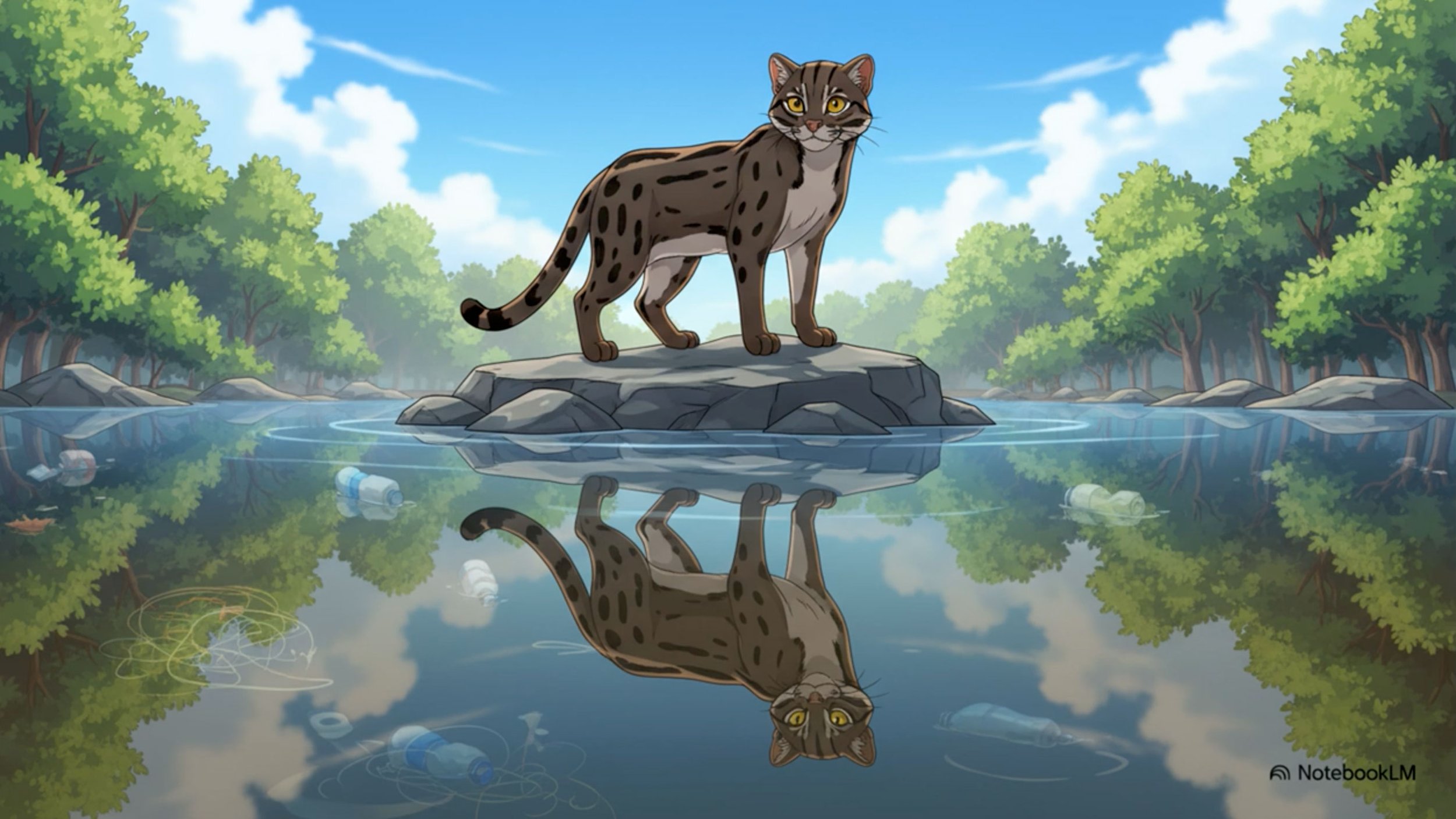
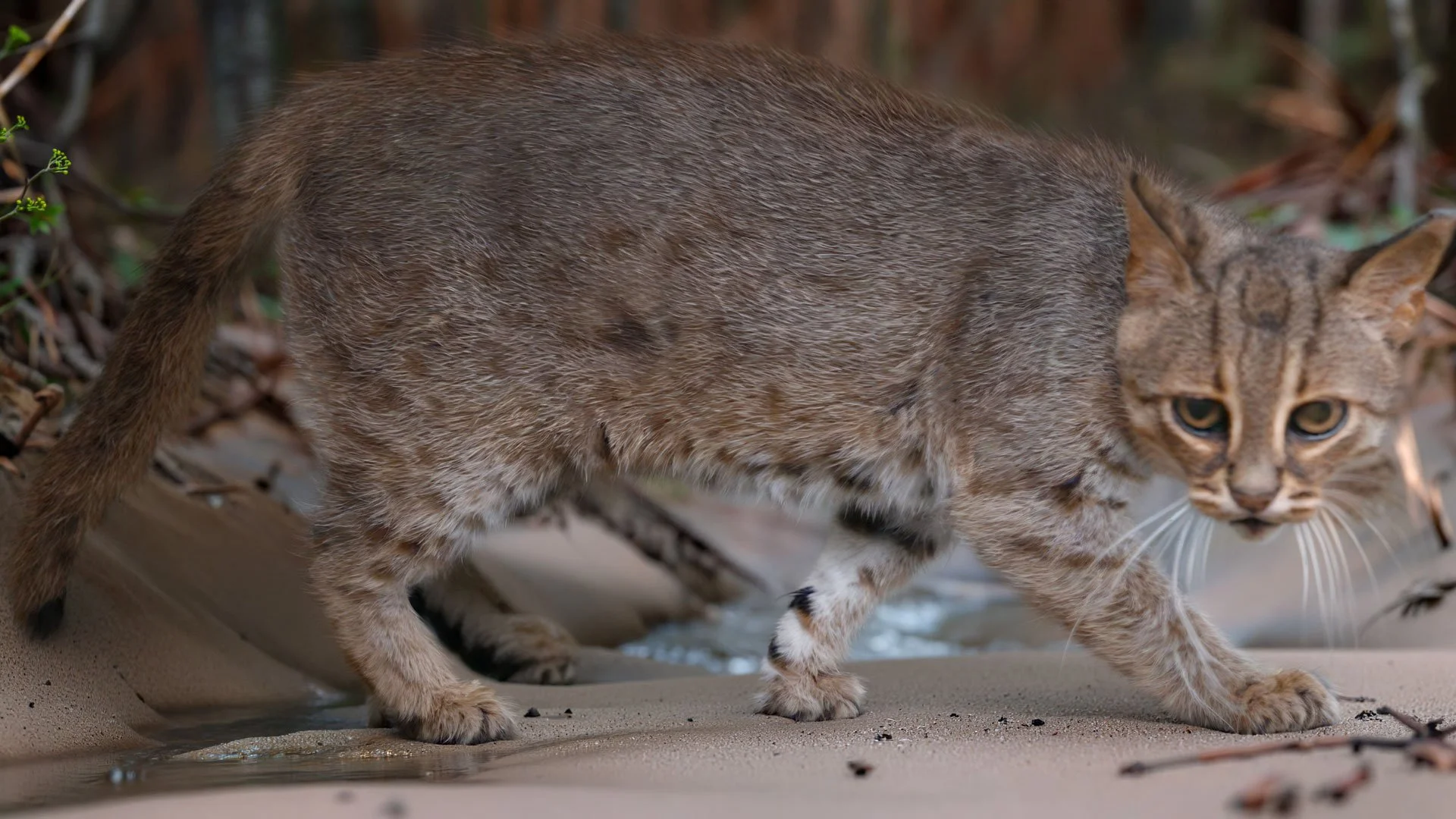
The Fishing Cat Conservation Alliance shared an exciting encounter from their field work in Asia. A fishing cat visited a temporary shack that team members use for meals and rest. The shack sits on raised ground surrounded by wet meadows and marshes in the middle of Asia's largest brackish water lagoon.
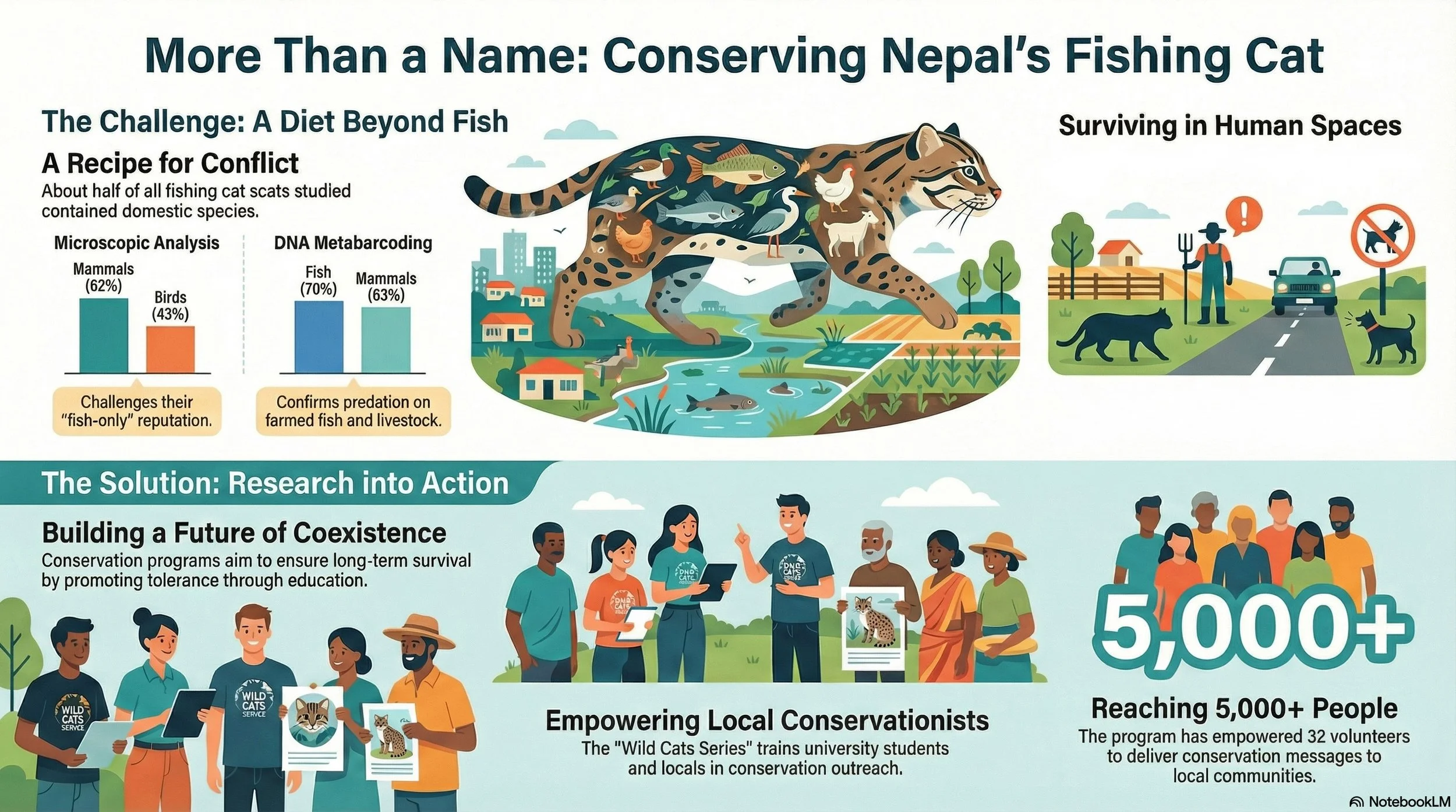
Fishing cats are rare and elusive medium-sized wild cats found across South and Southeast Asia. They have partially webbed feet and a dense, water-repellent coat that helps them hunt fish and aquatic prey. Unlike most cats, fishing cats are comfortable in water and are excellent swimmers.
These cats are listed as Vulnerable by the IUCN. They face serious threats from wetland destruction, pollution, and declining fish populations. Sightings like this one help researchers track fishing cat populations and understand their habitat needs.
WHAT YOU CAN DO
The crisis facing Myanmar's big cats might seem distant, but people around the world can help:
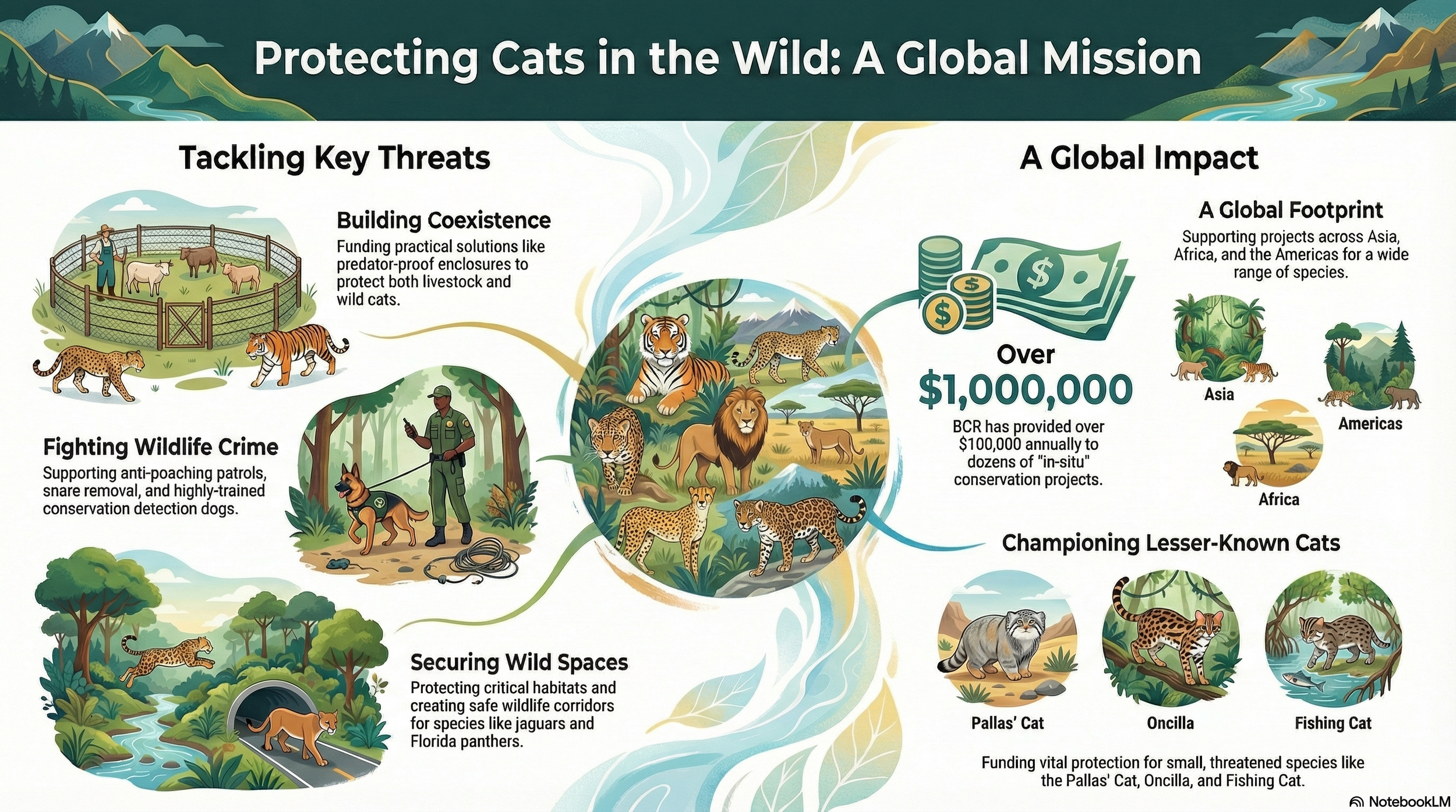
SUPPORT CONSERVATION ORGANIZATIONS: Groups working in Southeast Asia need funding for research, anti-poaching efforts, and community programs.
SPREAD AWARENESS: Share information about the plight of endangered big cats. Public awareness creates pressure for better policies.
MAKE SUSTAINABLE CHOICES: Products linked to deforestation, like certain palm oils or hardwoods, contribute to habitat loss. Look for sustainably sourced alternatives.
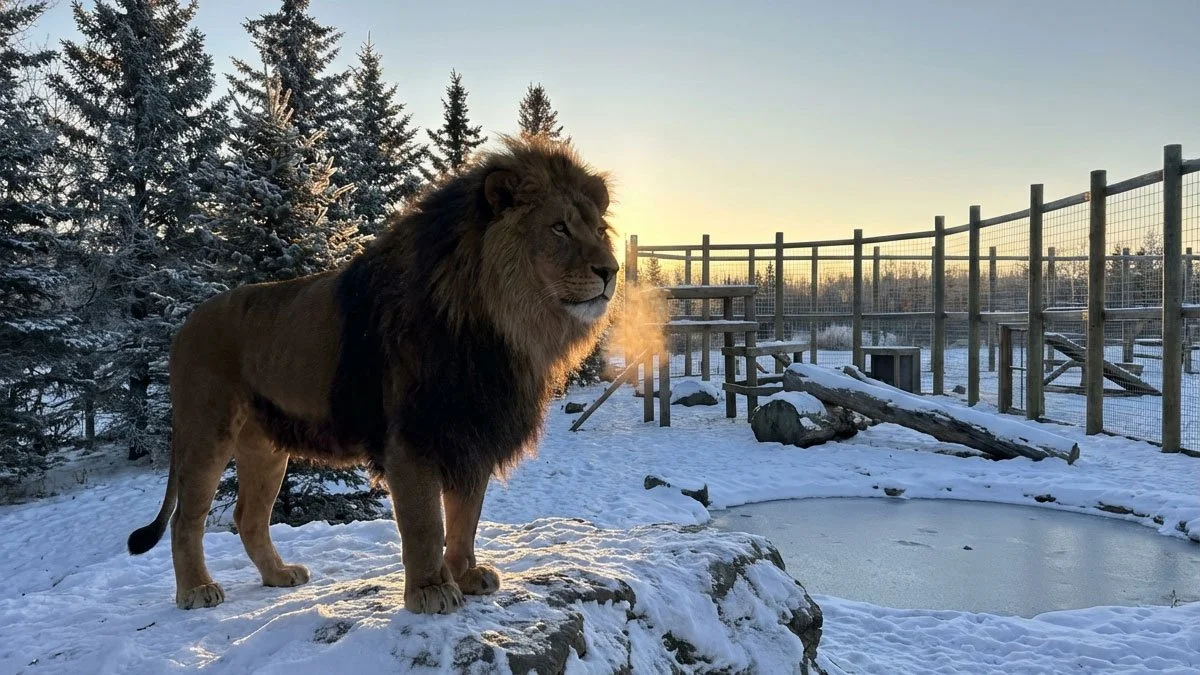
VISIT ACCREDITED SANCTUARIES: Supporting legitimate sanctuaries that rescue and care for big cats to help fund conservation education.
ADVOCATE FOR WILDLIFE CORRIDORS: Contact legislators to support policies that protect wildlife corridors and expand conservation areas beyond existing parks.
A RACE AGAINST TIME
The research from UMass Amherst provides conservationists with the precise maps and data they need to target their efforts effectively. But having a roadmap isn't enough—action must follow quickly.
With only 22 tigers found in surveyed protected areas and leopards occupying just 11% of their historical range, the window for preventing extinction is closing. The work of researchers like Theint Thandar Bol and Timothy Randhir shows what's possible when fieldwork combines with sophisticated modeling.
The question now is whether Myanmar and the international community will act fast enough to implement the land use changes, corridor protections, and expanded conservation areas these cats need to survive. The next few years will determine whether future generations will know Bengal tigers, Indochinese leopards, and Mainland clouded leopards as living animals or only as memories.
For Griffin the caracal, his legacy lives on through the thousands of people he helped educate about wild cats. For the big cats of Myanmar, their legacy—and their survival—depends on decisions being made right now.







12/15/2025 SOURCES:
UMass Amherst - Research on Myanmar Big Cats
https://www.umass.edu/news/article/umass-amherst-leads-effort-save-asias-big-cats-catastropheMassLive - Myanmar Big Cats Study
https://www.masslive.com/westernmass/2025/12/umass-study-looks-beyond-protected-lands-to-save-myanmars-big-cats.htmlFishing Cat Conservation Alliance - Field Update
https://www.instagram.com/reel/DSNRpMZkUwW/
