Vanishing Kings: Why Uganda’s Lions Are Declining While Hyenas Flourish
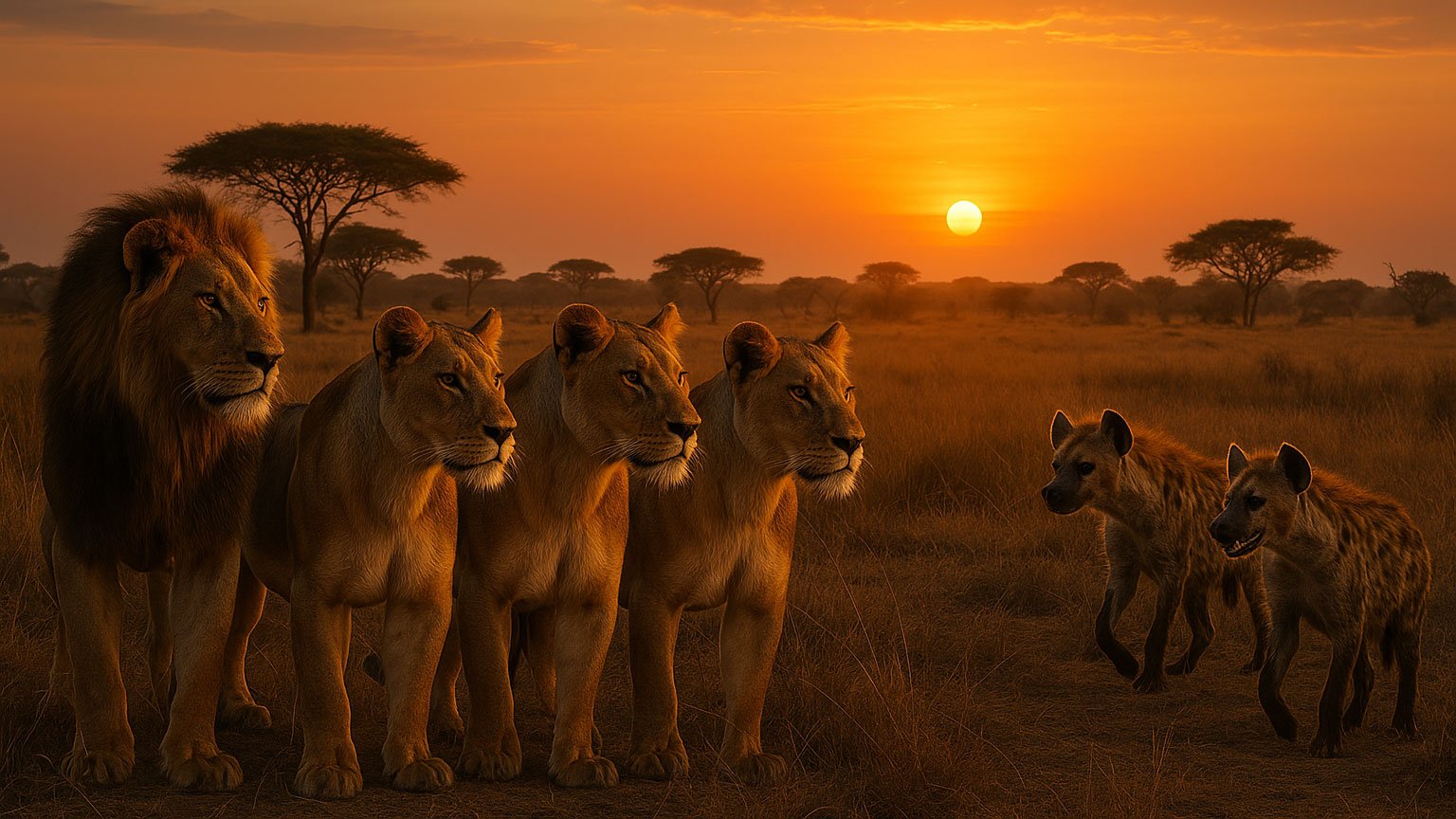
Lion, lionesses and hyenas
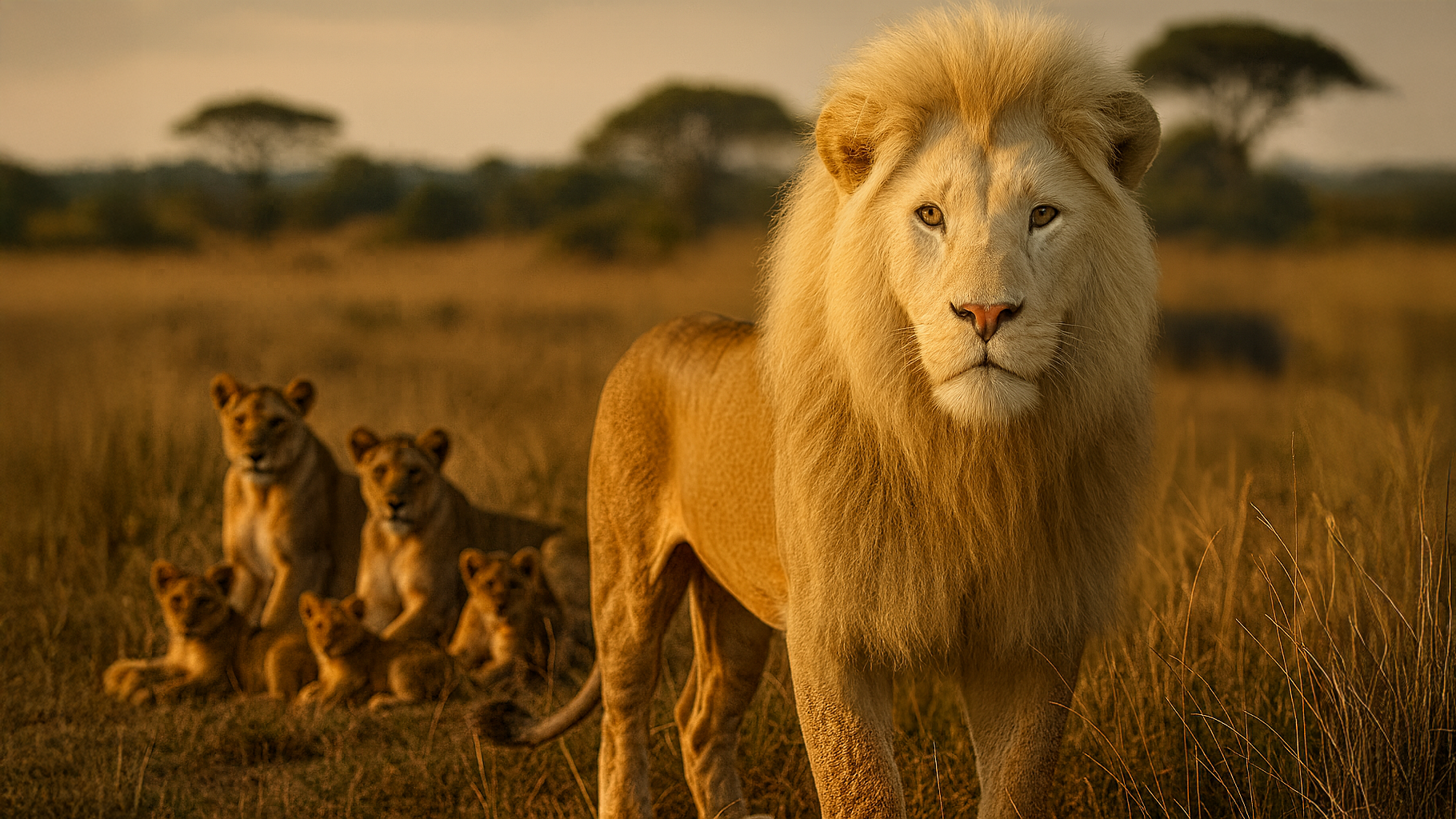
Deep in the heart of Uganda’s lush savannas and protected reserves, a silent battle unfolds. Lions—majestic symbols of strength and guardians of the ecosystem—are fading from the landscape. Their haunting roars grow fainter by the day as their numbers dwindle, while their rivals, the opportunistic hyenas, are thriving.
A recent carnivore count, the most extensive Uganda has ever conducted, paints a sobering picture. Lion populations are slipping away, victims of habitat encroachment, human-wildlife conflict, and dwindling prey. Meanwhile, hyenas—nature’s cunning scavengers—are multiplying, taking advantage of the gaps left behind.
🐾 Why Losing Lions Means Losing Balance
Lions are not just charismatic predators; they’re vital for maintaining a healthy ecosystem. As apex predators, they regulate herbivore populations, preventing overgrazing and maintaining the delicate balance of the savanna. Without them, the entire system risks collapse, paving the way for a less biodiverse and more fragile ecosystem.
Unfortunately, hyenas thrive where lions falter. Opportunistic and adaptive, they exploit dwindling lion territories and scavenge with ruthless efficiency. While hyenas play a critical role in nature’s cleanup crew, their unchecked growth can further destabilize ecosystems by shifting predator-prey dynamics.
And while Carole Baskin has a heart that beats for most animals, hyenas? Not so much! As she often says, “I just cannot care for those who destroy the cats I love.” 😾
⚠️ Why Lions Are Losing Ground
Habitat Loss: Expanding agriculture and human settlements push lions out of their natural homes, forcing them into conflict with humans.
Poisoning and Retaliation: When lions prey on livestock, local communities sometimes resort to poisoning to protect their livelihoods.
Loss of Prey: Overhunting of herbivores leaves lions struggling to find enough food.
🌱 Hope on the Horizon
Conservation efforts in Uganda, bolstered by partnerships with local communities, offer a glimmer of hope. Empowering locals to coexist with wildlife, promoting eco-tourism, and protecting key lion habitats can reverse this decline.
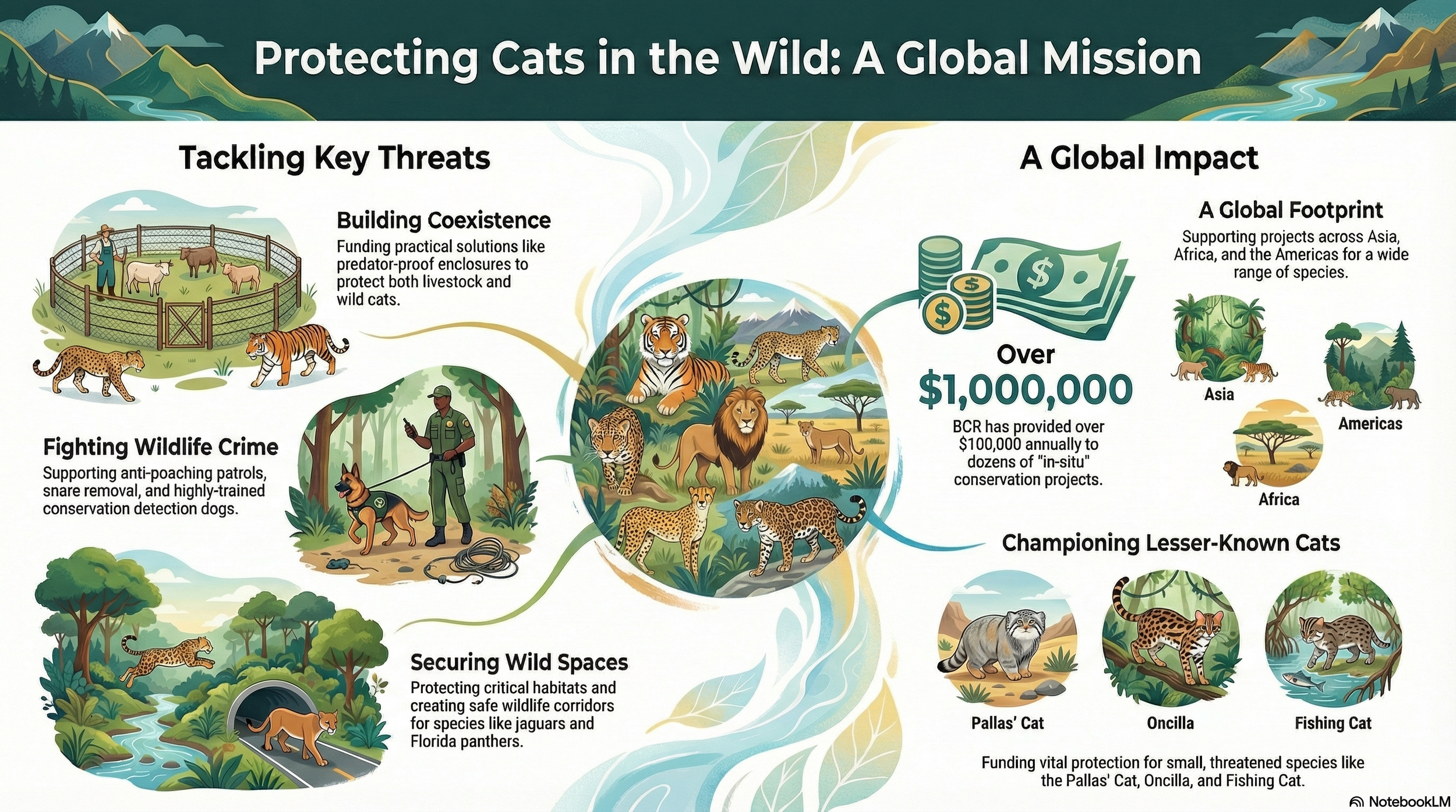
Big Cat Rescue is proud to support initiatives that safeguard wildcat populations globally, ensuring that future generations can witness lions ruling the savanna as nature intended. But it’s a race against time.
🧡 What You Can Do to Help:
✅ Support conservation organizations that focus on protecting lion habitats.
✅ Advocate for policies that mitigate human-wildlife conflict.
✅ Educate others about the critical role lions play in maintaining ecological balance.
Remember: Every roar that echoes across the African plains carries with it the heartbeat of an ecosystem. We cannot let that roar be silenced.
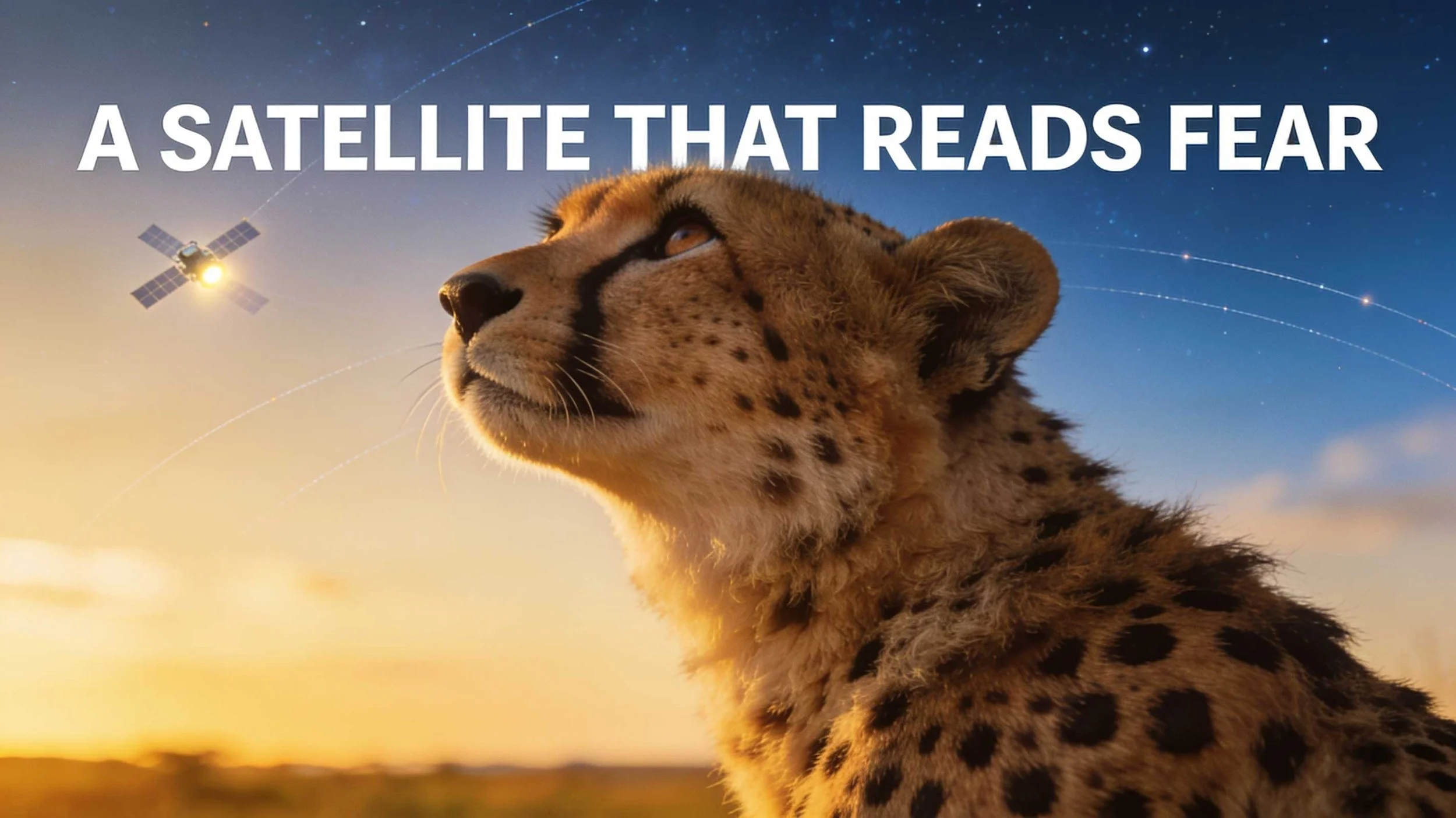
The Icarus satellite system, built by the Max Planck Institute of Animal Behavior, is creating an Internet of Animals. Tiny tags track location, movement, heart rate, and body temperature, then send the data to satellites in low Earth orbit. Scientists are training algorithms to recognize the panic patterns animals show when poachers approach, turning tagged herds into a live early warning network. For wild cats like cheetahs, leopards, tigers, lions, and Florida panthers and bobcats, this could mean protection across vast and remote landscapes that no single ranger could ever watch. Learn how Big Cat Rescue is following the Icarus project and how satellite tracking could change the future of wild cat conservation.
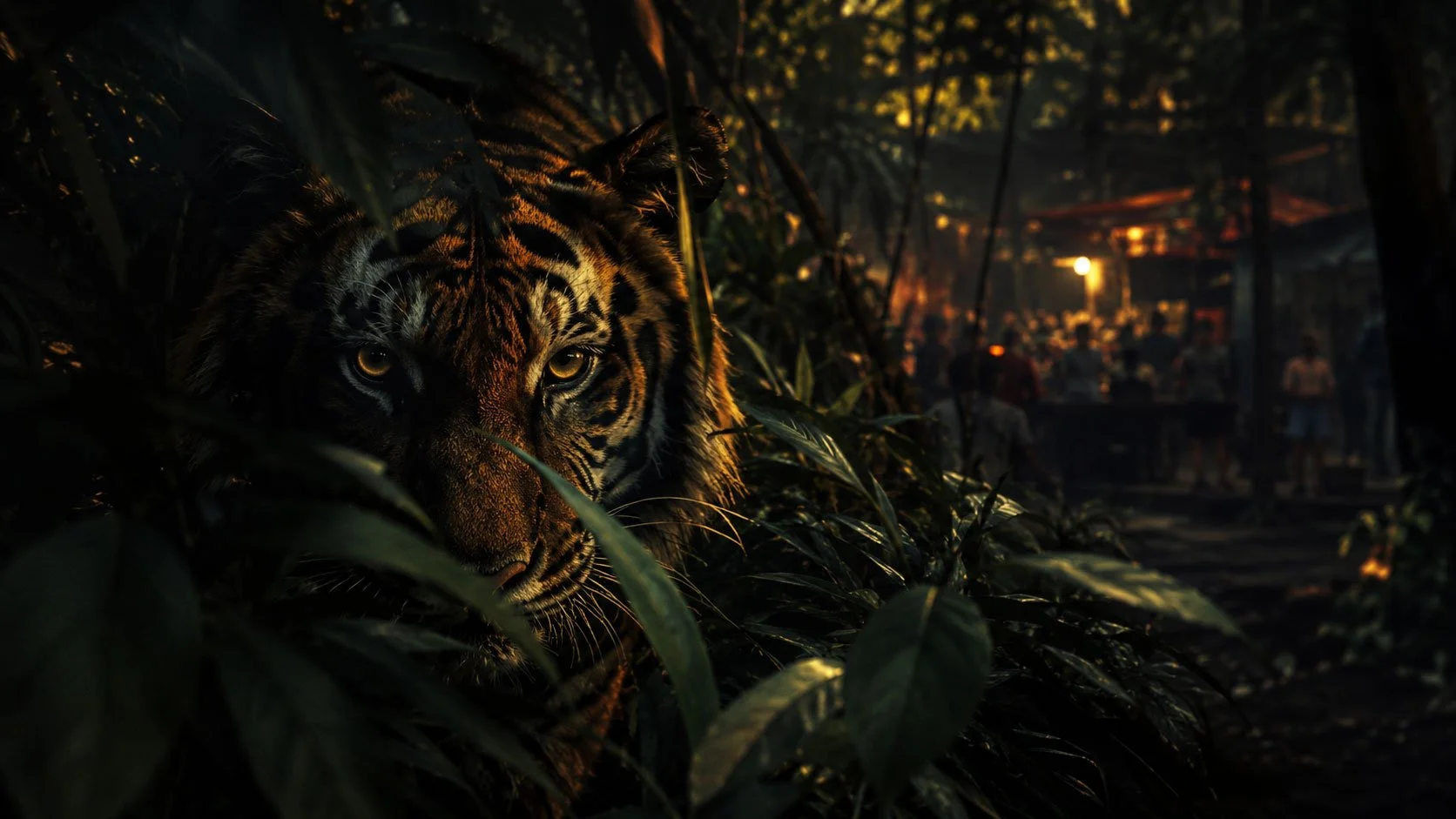
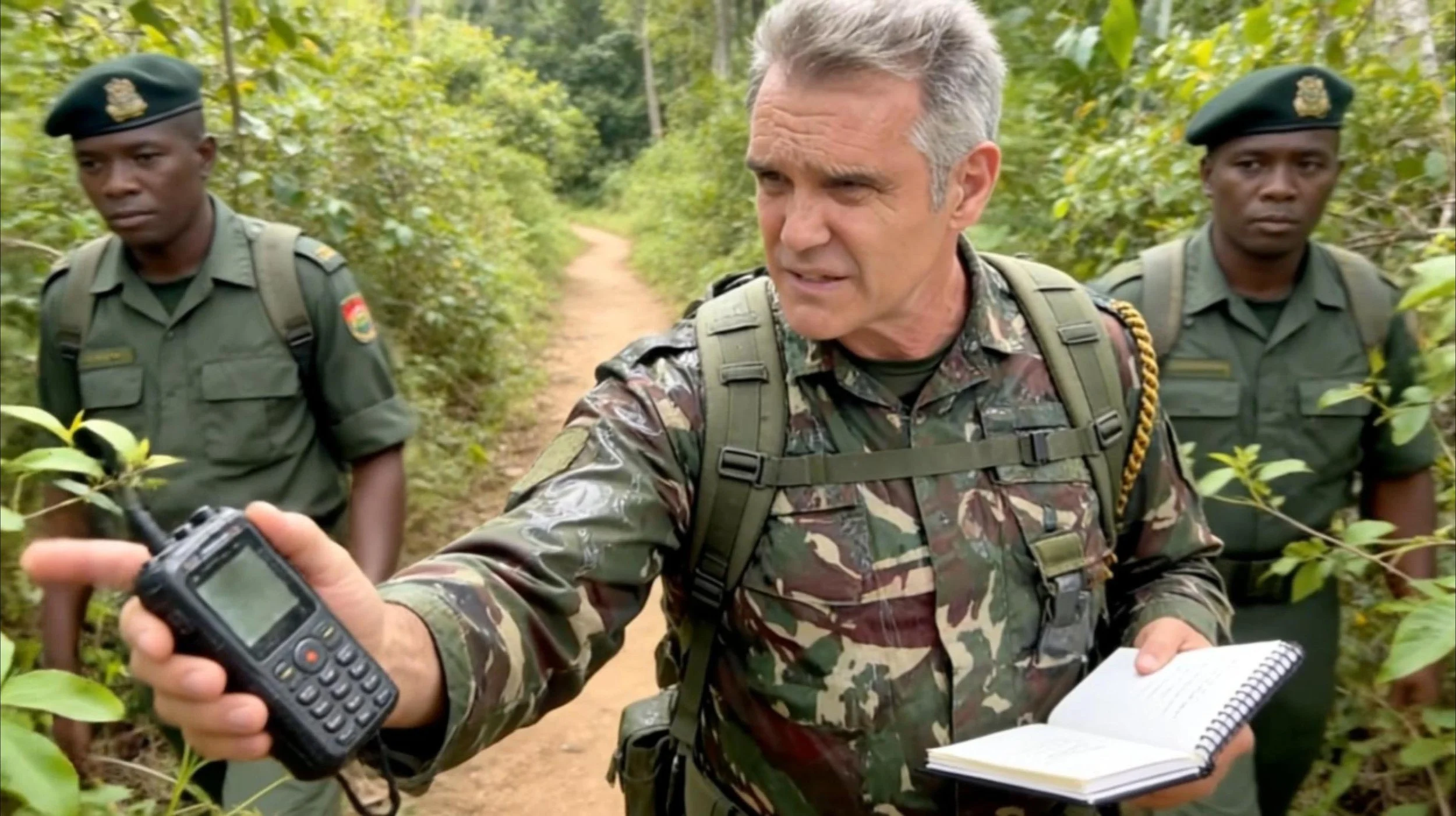
The provided text outlines the organizational goals and operations of Freeland, a non-profit entity dedicated to ending the illegal trade of humans and wildlife. By utilizing a specialized team of law enforcement and technical experts, the group actively disrupts criminal networks while assisting governments and businesses in creating prevention strategies. Their comprehensive approach includes training officers, conducting community patrols, and fostering behavioral changes through public education and awareness campaigns. Beyond enforcement, the organization focuses on environmental restoration and the rehabilitation of animals to ensure the long-term health of global ecosystems. Ultimately, the source serves as an overview of Freeland’s global impact and its ongoing mission to build a world free from exploitation and slavery.
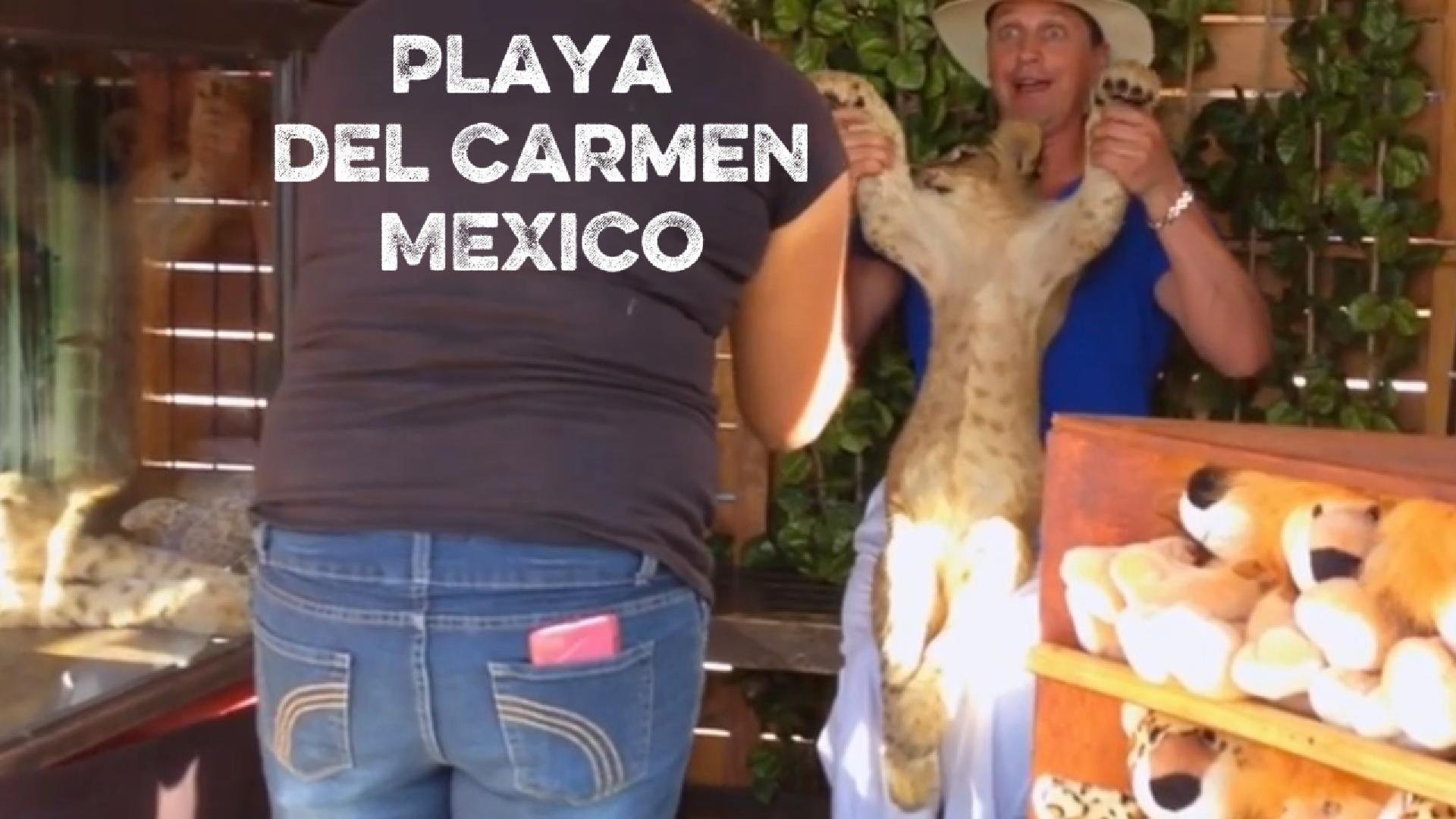
The Fall of Animalandia Maya: Playa del Carmen Shutdown In May 2026, Mexican law enforcement conducted a major raid on Animalandia Maya, a controversial tourist site in Playa del Carmen known for offering photos with exotic wildlife. The operation resulted in the arrest of the owner and several employees, as well as the seizure of tigers, lions, and monkeys that were allegedly being exploited. This intervention followed years of public outcry and pressure from animal welfare organizations regarding the suspected sedation and mistreatment of the animals. While the business has successfully used legal loopholes to reopen after past closures, the scale of this coordinated police action suggests a permanent shutdown. The incident highlights a significant victory for activists fighting against the commercial use of endangered species in the Riviera Maya.
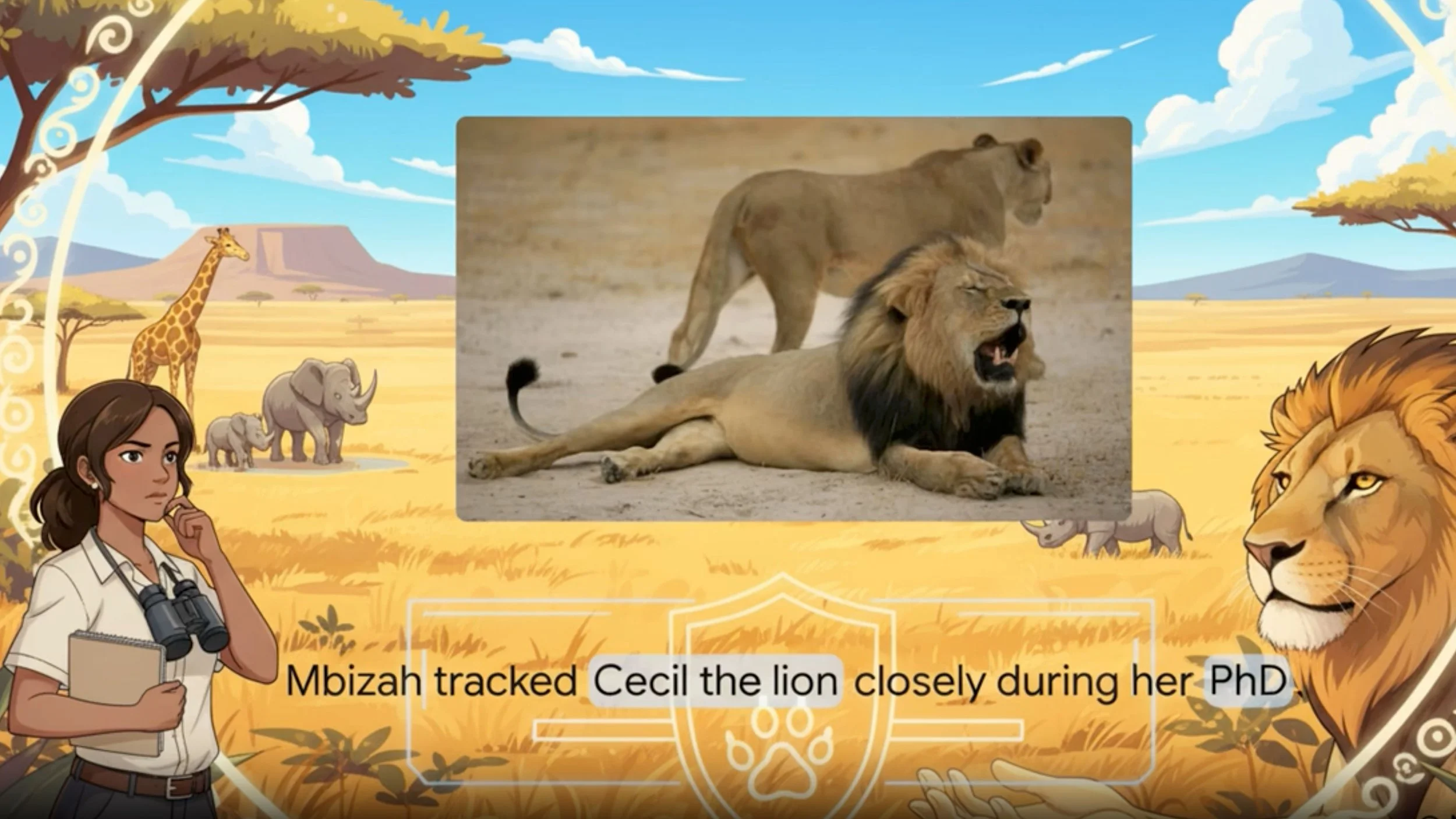
Moreangels Mbizah: Pioneering Human-Wildlife Coexistence in Zimbabwe
Biologist Moreangels Mbizah founded Wildlife Conservation Action in Zimbabwe to address the tragic consequences of human-wildlife conflict. Her mission shifted after witnessing a lion attack on a young child, leading her to realize that protecting nature requires supporting the local communities living alongside it. The organization utilizes innovative tools like GPS tracking and mobile bomas—opaque enclosures that prevent predators from seeing and attacking livestock. These community-led strategies have successfully reduced lethal encounters by up to 98% in targeted regions, safeguarding both vulnerable lion populations and the livelihoods of rural villagers. Additionally, Mbizah serves as a pioneer for African women in the field by providing mentorship and outreach to ensure a more inclusive future for conservation efforts. Through this holistic approach, she demonstrates that the survival of apex predators is inextricably linked to the security of the people who share their habitat.
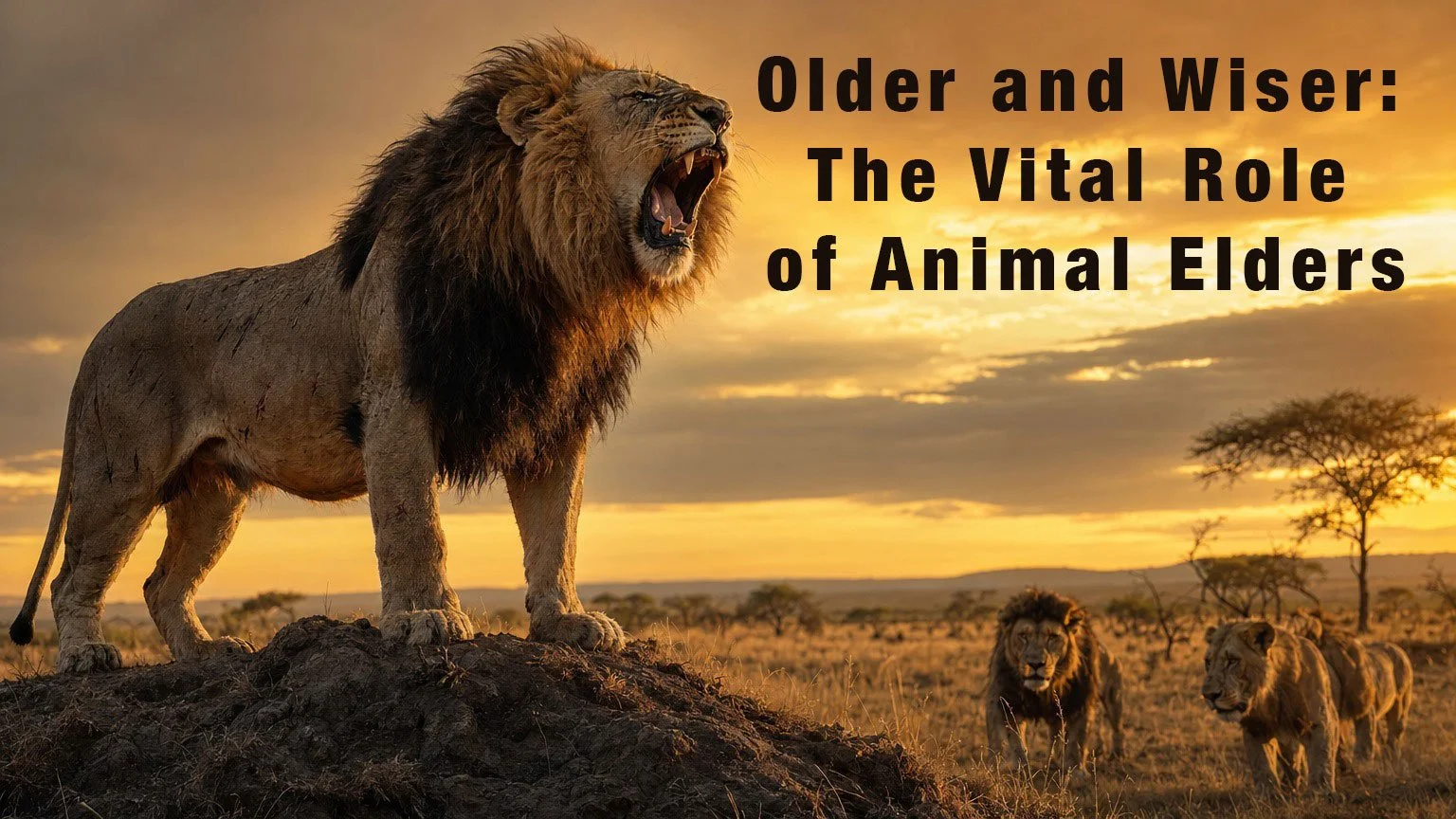
Older and Wiser: The Vital Role of Animal Elders
Recent research emphasizes that older animals are vital for the survival of wildlife populations because they possess accumulated knowledge and specialized skills. These elders serve as essential leaders who guide their groups toward resources and help maintain social stability among younger individuals. Beyond their wisdom, aging members often provide enhanced reproductive success and possess stronger immune systems developed over time. Traditional conservation efforts frequently focus on total population counts, yet this source argues that protecting the age structure is just as critical. The loss of these senior animals through human activities can result in a profound disappearance of survival strategies that simple numbers cannot replace.
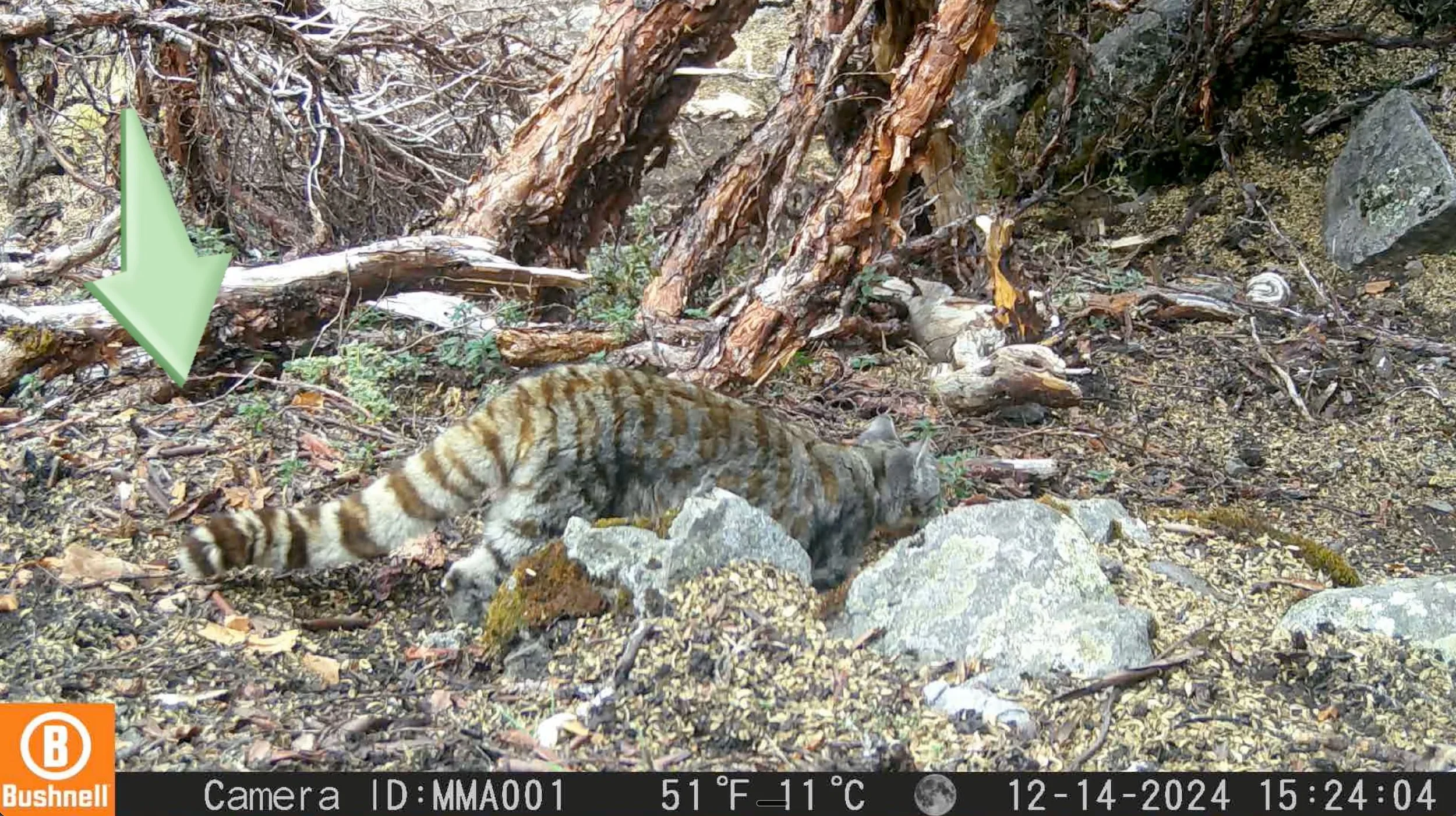
These sources examine the genetic crisis facing isolated wild cat populations, where human-driven habitat fragmentation forces inbreeding and triggers a decline in biological fitness. Researchers identify morphological abnormalities, such as kinked tails and thoracic cowlicks, as visible biomarkers of a deeper "extinction vortex" that includes heart defects and reproductive failure. While the Florida panther serves as a primary case study for these issues, the texts document similar patterns of genomic decay in California mountain lions, European wildcats, ocelots, jaguarundi, Andean cats, cheetahs and Asiatic lions. Conservationists highlight the 1995 genetic restoration project in Florida—which used Texas pumas to diversify the gene pool—as a successful model for reversing these trends. Ultimately, the literature advocates for wildlife crossings and habitat corridors to restore natural gene flow and ensure the long-term survival of apex predators.
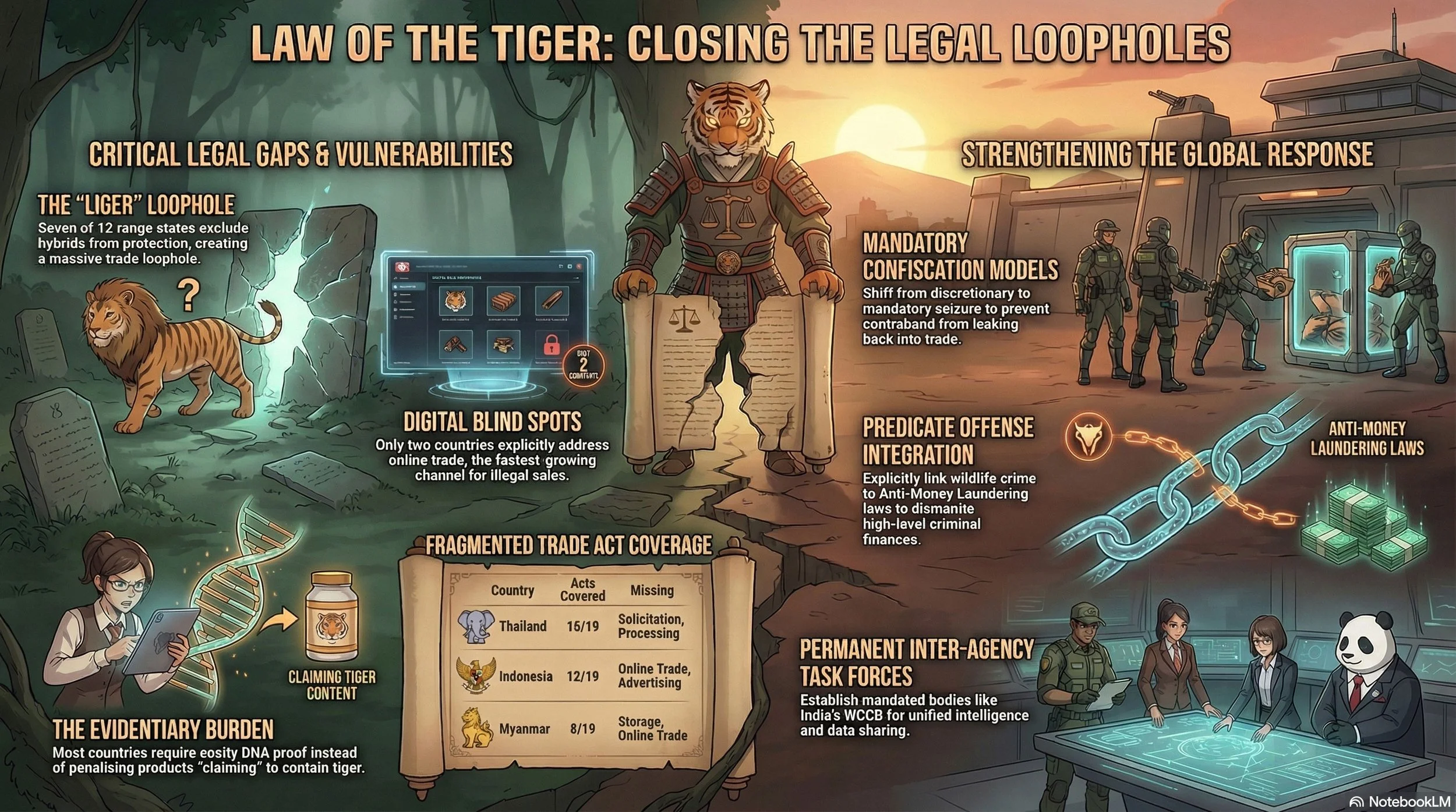
This report, titled Law of the Tiger, provides a comprehensive 2025 analysis of the legal frameworks governing tiger trafficking across twelve range states. It evaluates how national laws address critical issues such as interagency enforcement, mandatory confiscation, and the regulation of captive breeding facilities. The authors identify significant legal gaps regarding digital marketplaces, the status of hybrid tigers, and the management of confiscated stockpiles. To combat the transnational organized crime of wildlife trade, the document advocates for standardized definitions, enhanced investigative powers for frontline officers, and the integration of anti-money laundering tools. Ultimately, the publication serves as a guide for governments to harmonize their criminal justice responses and strengthen protections for wild tiger populations.
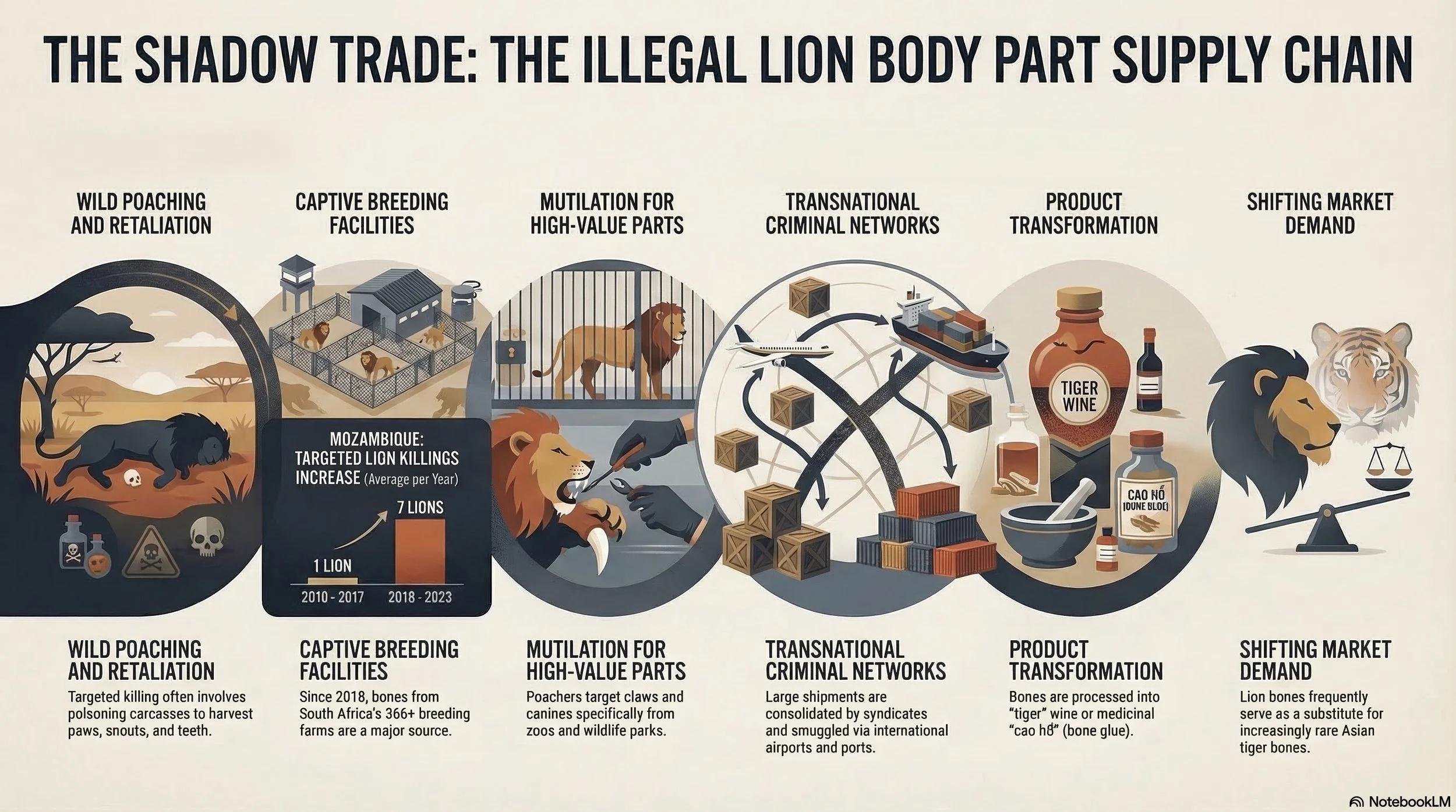
This report examines the increasing threat of targeted lion poaching for the illegal trade of body parts across Africa and Asia. While traditional factors like habitat loss still exist, lions are now specifically hunted for their claws, teeth, and bones to satisfy demands for traditional medicine and luxury ornaments. The author identifies three primary supply chains, including wild poaching, thefts from wildlife parks, and illegal exports from captive breeding farms. Detailed case studies from Mozambique and South Africa illustrate how organized criminal networks coordinate these activities, often using poisoning as a primary killing method. Despite international enforcement efforts and major arrests, the text concludes that this underreported black market continues to evolve through sophisticated smuggling routes. Overall, the source emphasizes that current data may underestimate the true scale of this transnational wildlife crime.
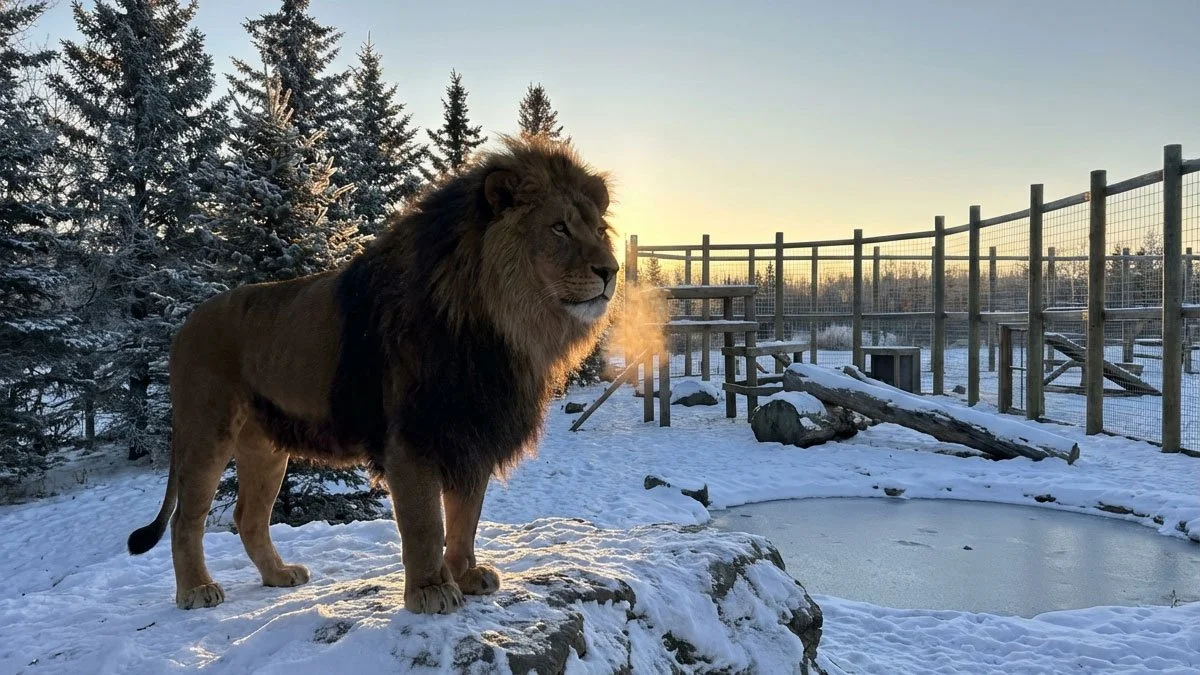
Muskoka facility becomes Canada's first big cat sanctuary as CTV investigation exposes roadside zoo abuses. New law ends private ownership of lions and tigers.
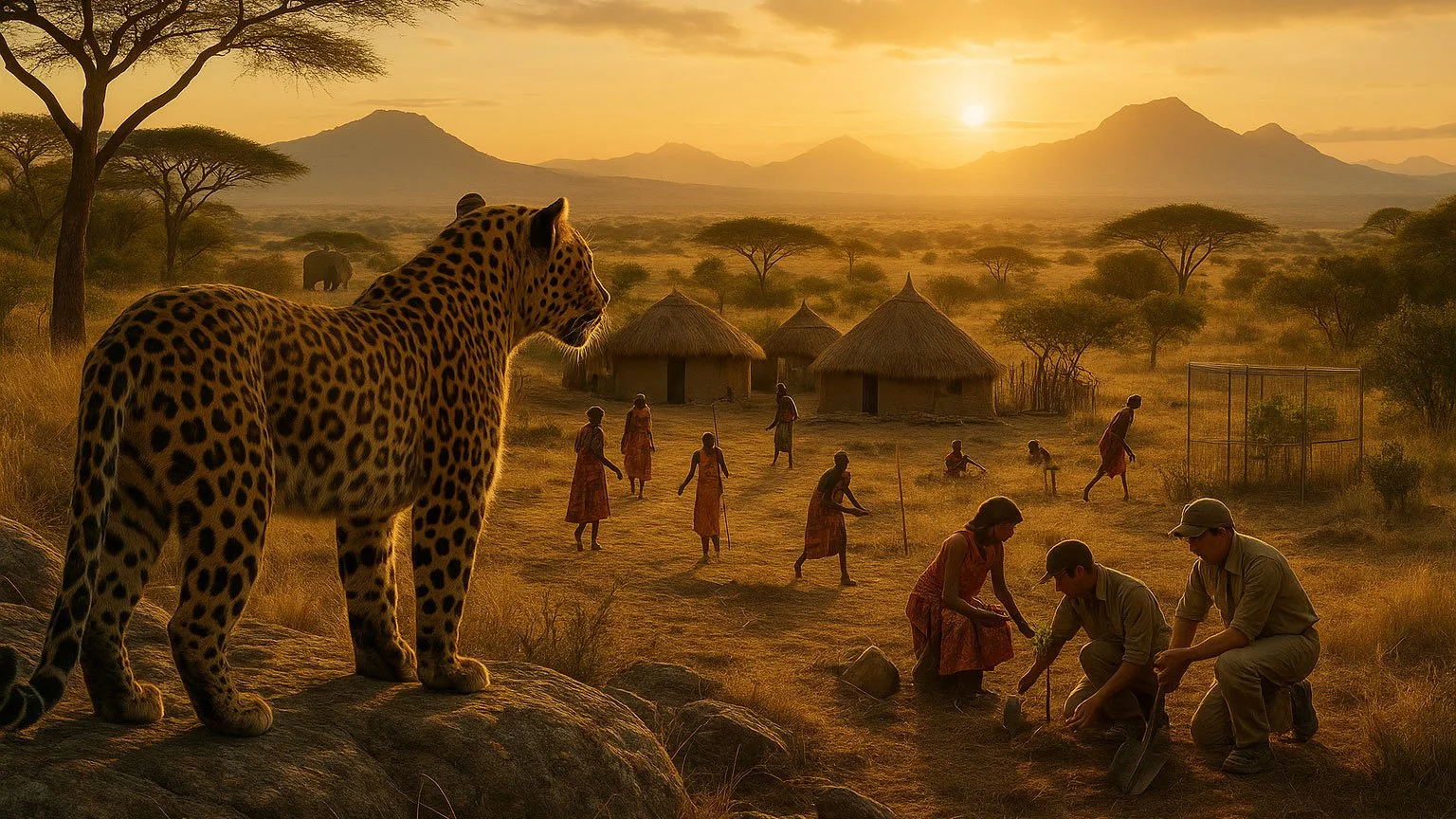

The removal of South Africa's progressive Environment Minister Dion George marks a dangerous setback for big cat conservation and wildlife protection worldwide.

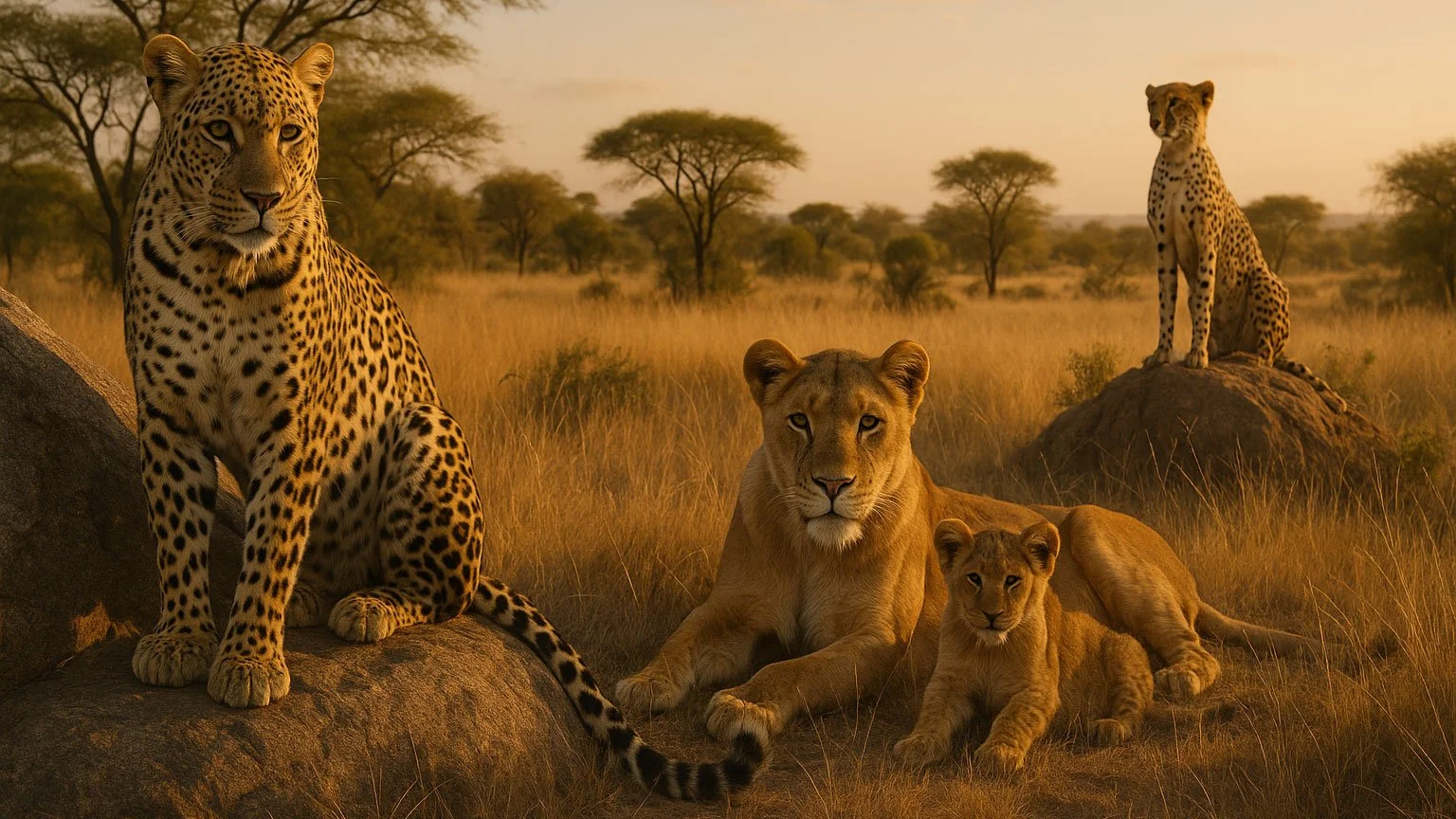

India’s Asiatic lions have surged 32% in 5 years, from 674 to 891, thanks to conservation and community action. Learn how to keep the roar alive.
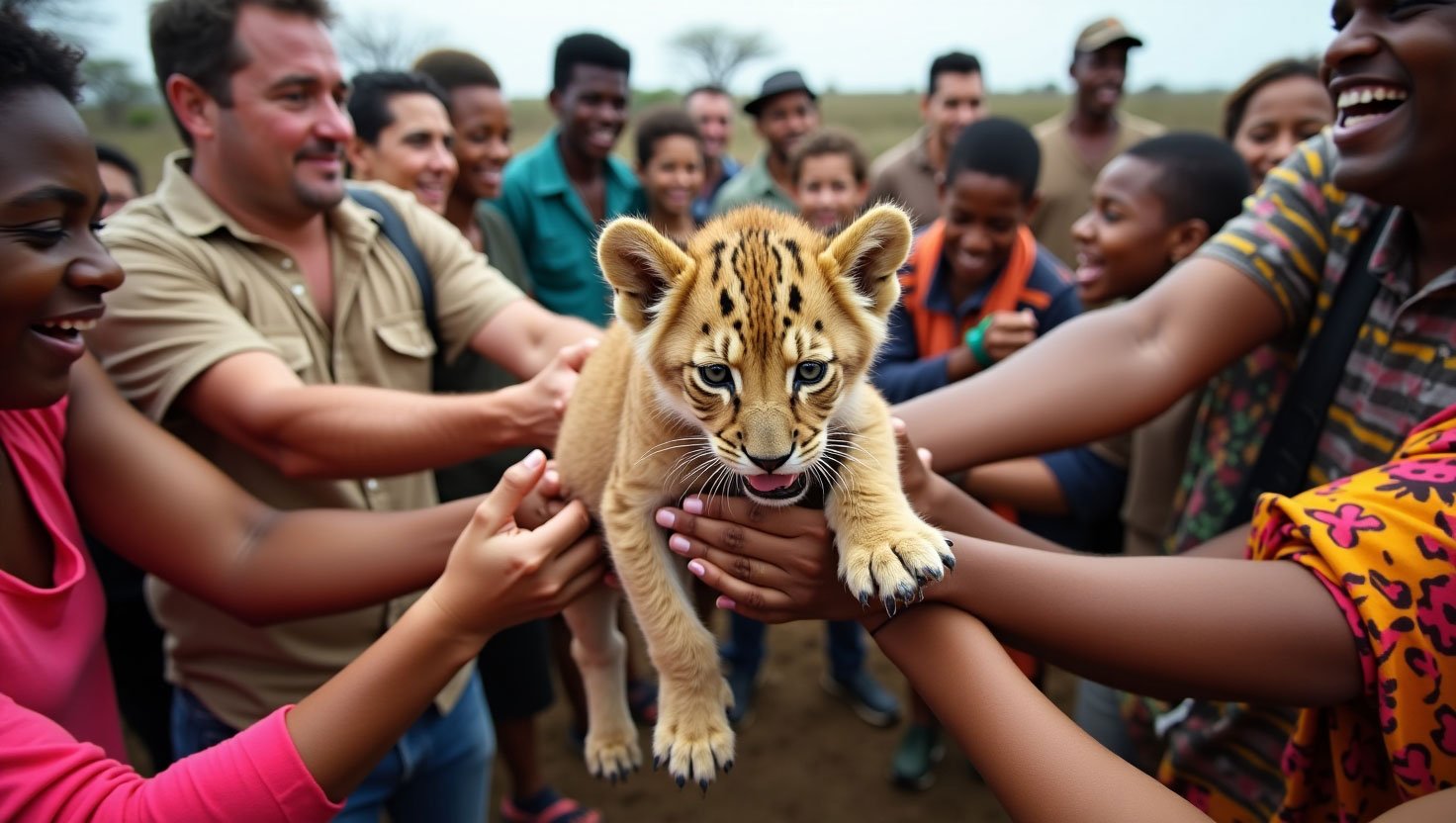
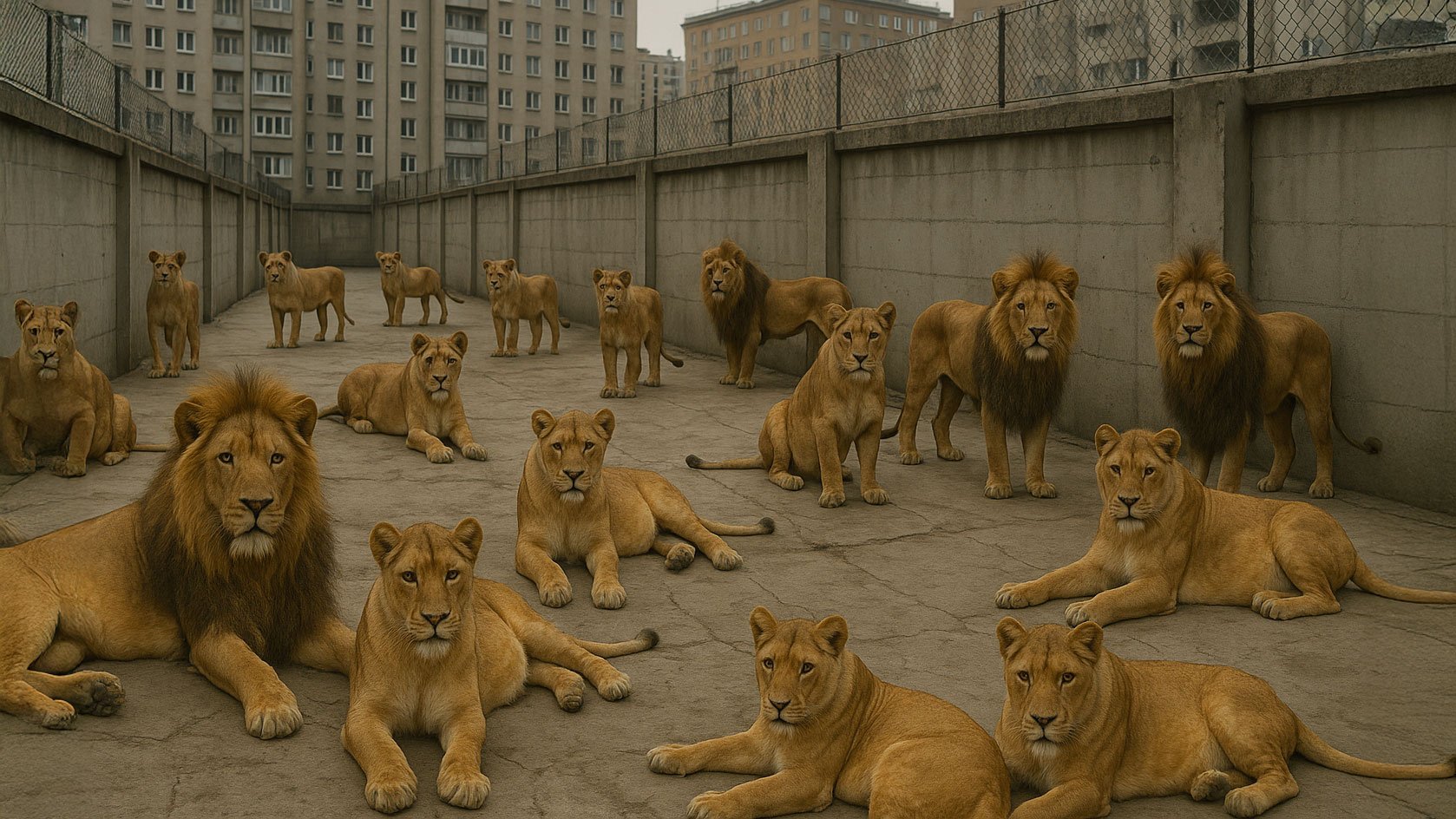
South Africa’s captive lion industry keeps 8,000 lions behind bars for profit. Ahead of World Lion Day, global advocates demand action to end breeding, cub petting, and exploitation—before it’s too late.
The tragic killing of Blondie, a legendary lion lured from Hwange National Park by trophy hunters, highlights the urgent need to ban this cruel practice and protect Africa’s wildlife.

An investigation into African Parks reveals the darker side of conservation—community exclusion, militarization, and human rights concerns. Discover how to support ethical, inclusive wildlife protection.

Read more: https://theconversation.com/ugandas-lions-in-decline-hyenas-thriving-new-findings-from-countrys-biggest-ever-carnivore-count-249724
 Carole Baskin
Carole Baskin is the founder and CEO of Big Cat Rescue and author of this web page. Since 1992, she has worked to end the exploitation of exotic cats and now leads the non profit's efforts to protect wild cats in the wild by funding innovative threat mitigation programs that allow humans and wild cats to co-exist in peace.
Lion Facts: Habitat, Population, Threats and Conservation. Learn where lions live, what threatens them, how many remain, and which conservation efforts are protecting wild lions.