Leopard Facts

Leopard
Quick Facts
Scientific Name:Panthera pardus
Common Name: Leopard, Panther
Kingdom: Animalia
Phylum: Chordata (Vertebrata)
Class: Mammalia
Order: Carnivora
Family: Felidae
IUCN Status: Vulnerable
Population Trend: Decreasing
Subspecies: 8 recognized subspecies (P. p. pardus, P. p. tulliana, P. p. fusca, P. p. kotiya, P. p. delacouri, P. p. orientalis, P. p. melas, P. p. nimr)
Habitat: Diverse, ranging from deserts to rainforests
Appearance
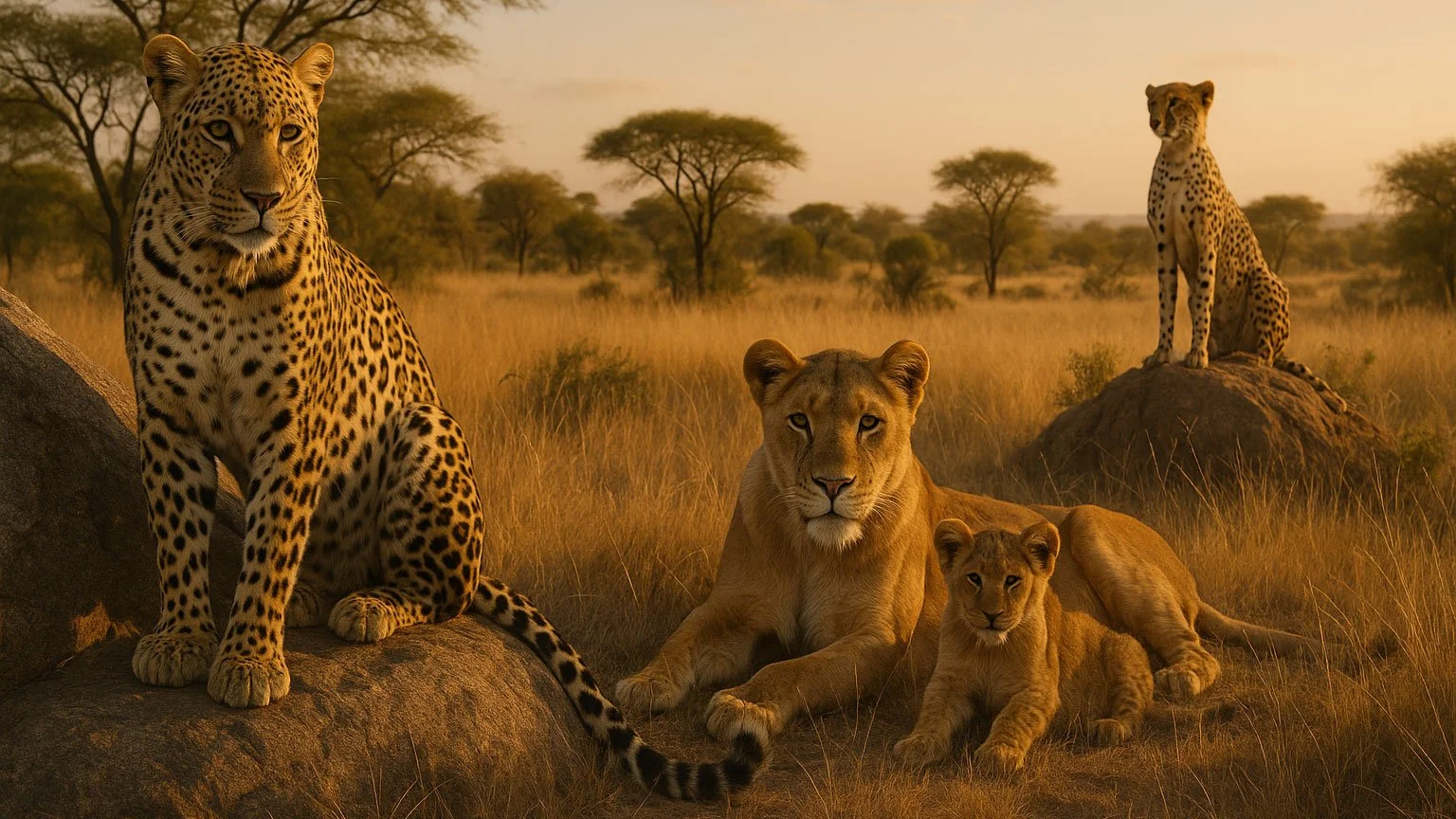
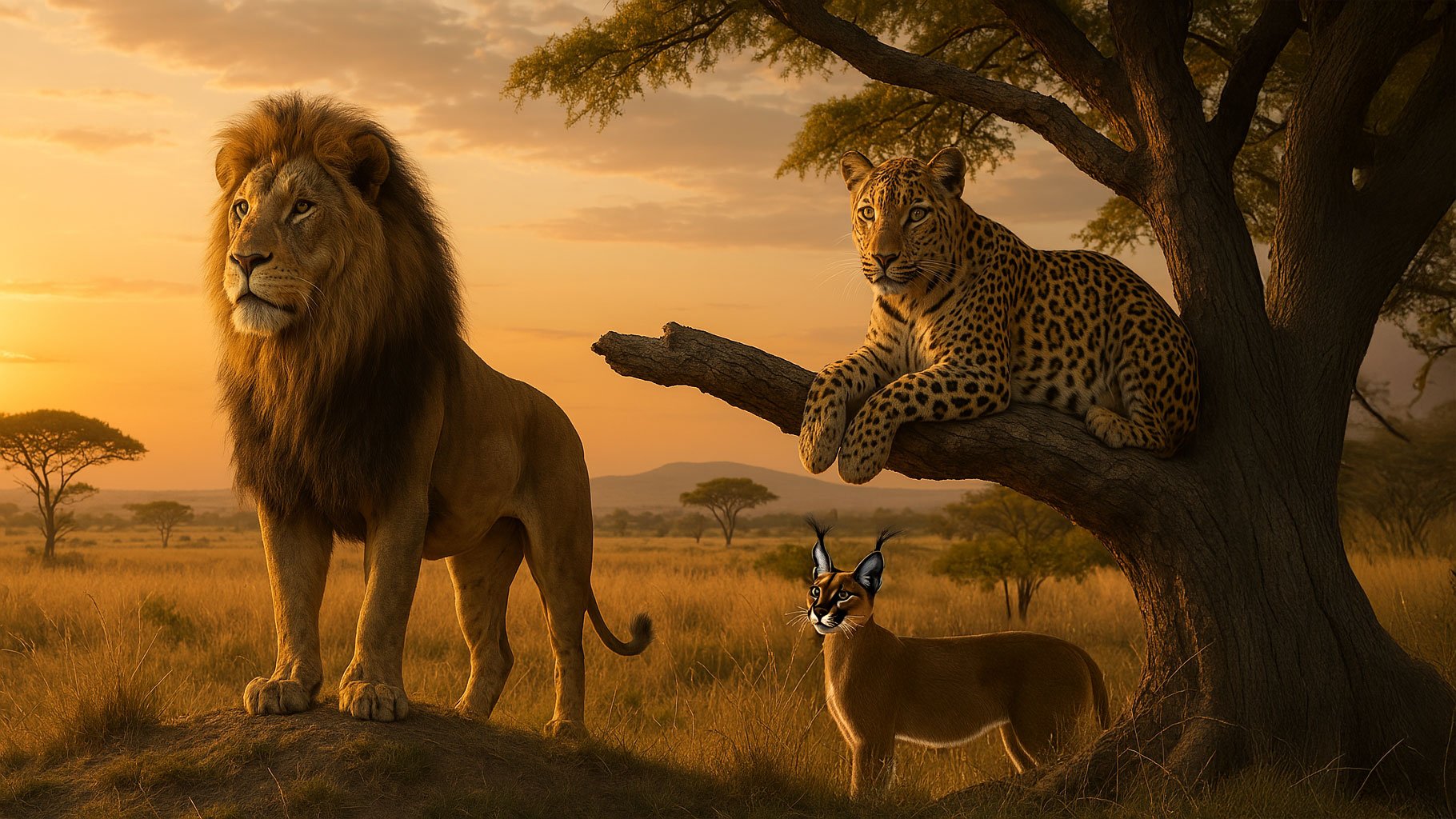
The leopard is the smallest of the "great cats," characterized by a powerful, heavy torso, short limbs, and a long tail that aids in balance. Their sleek fur varies in color from pale straw and gray-buff to deep chestnut. This coat is adorned with black spots that form unique groupings called "rosettes" on the back and flanks, while solid spots cover the head, throat, and limbs.
Melanistic leopards, frequently called "black panthers," possess a dark pigment that obscures their spots, though the rosettes are often still visible in certain lighting. These cats are built for agility; they can leap 20 feet horizontally and 10 feet vertically, and are capable of reaching speeds of nearly 40 miles per hour. Adult males typically weigh between 80 and 150 pounds, while females are smaller, ranging from 60 to 100 pounds.
See a playlist of this species at https://bigcatrescue.org/videos
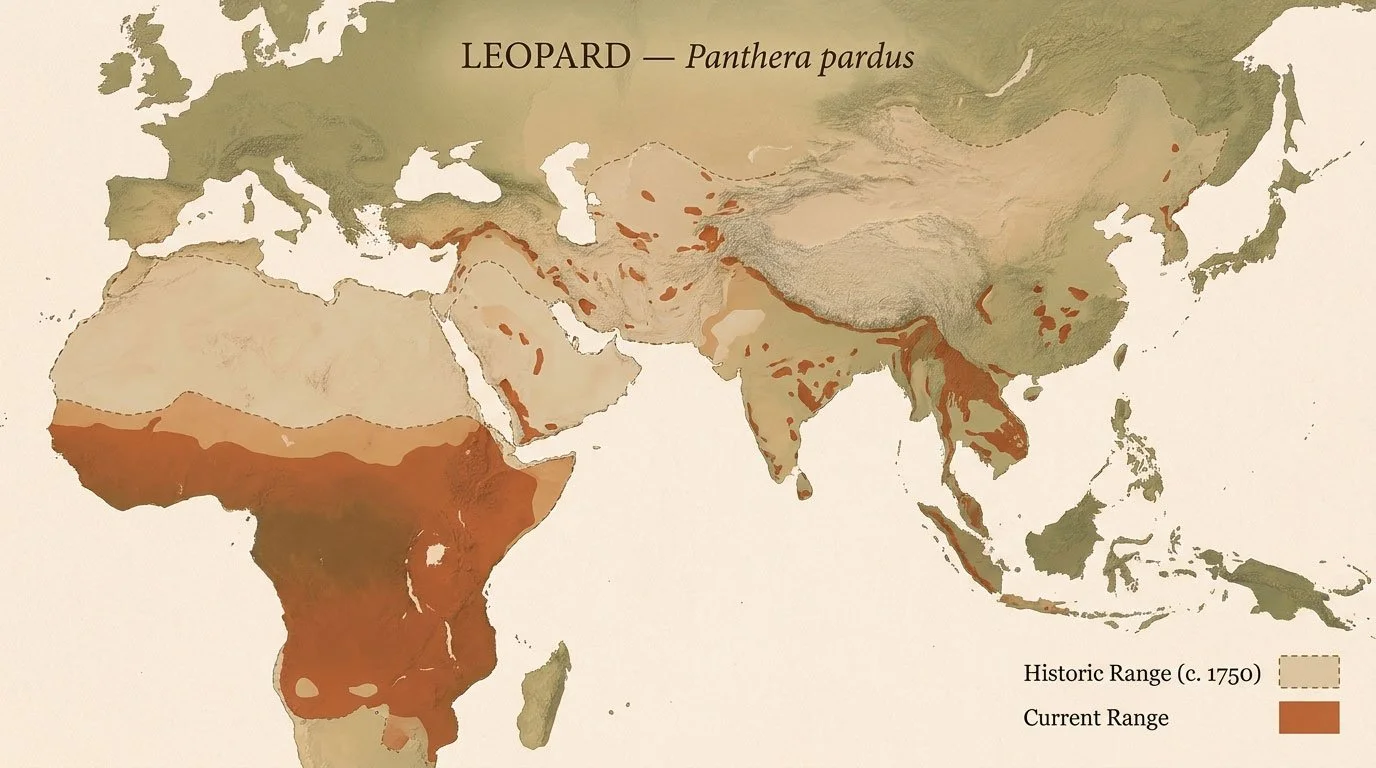
Leopard-Range-Map
Habitat and Range
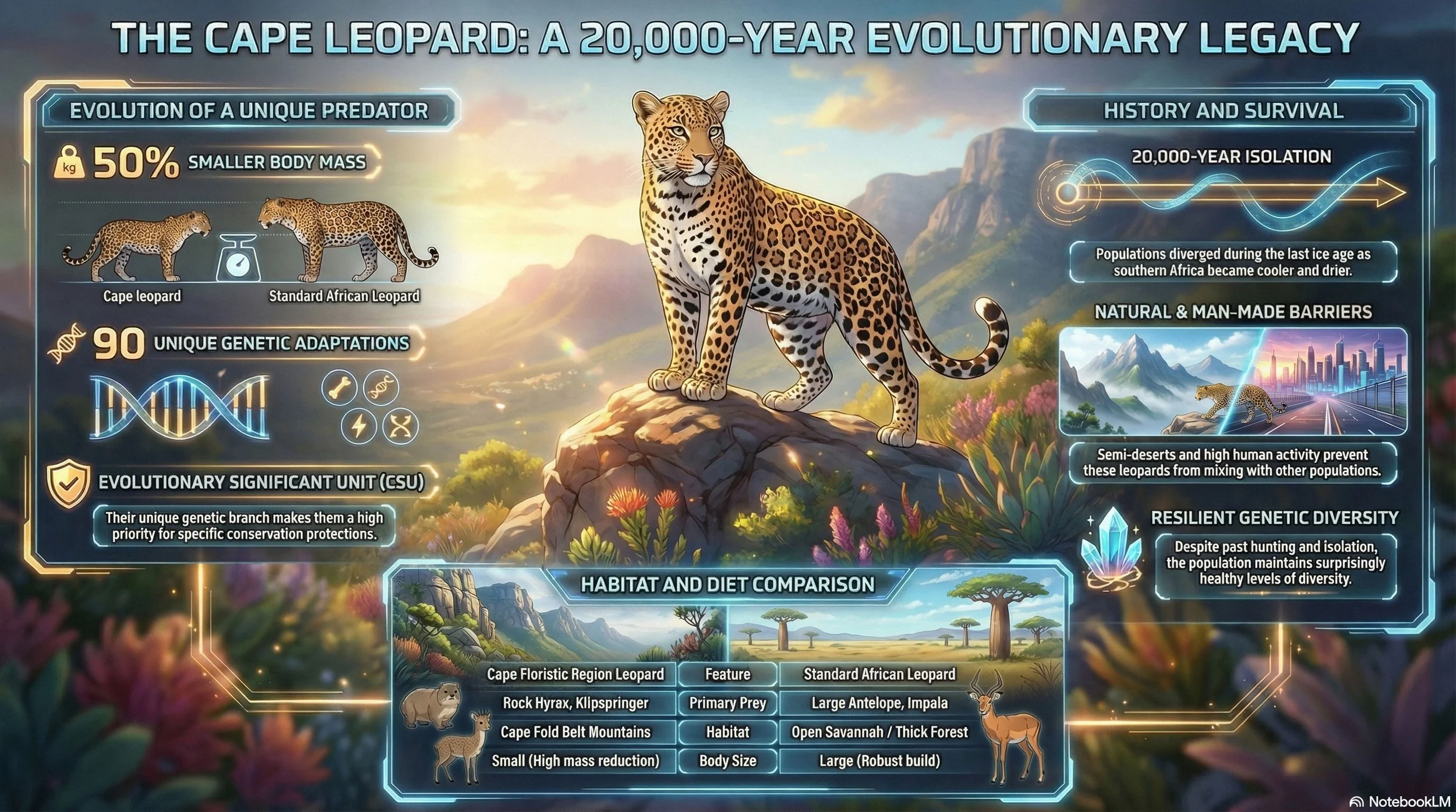
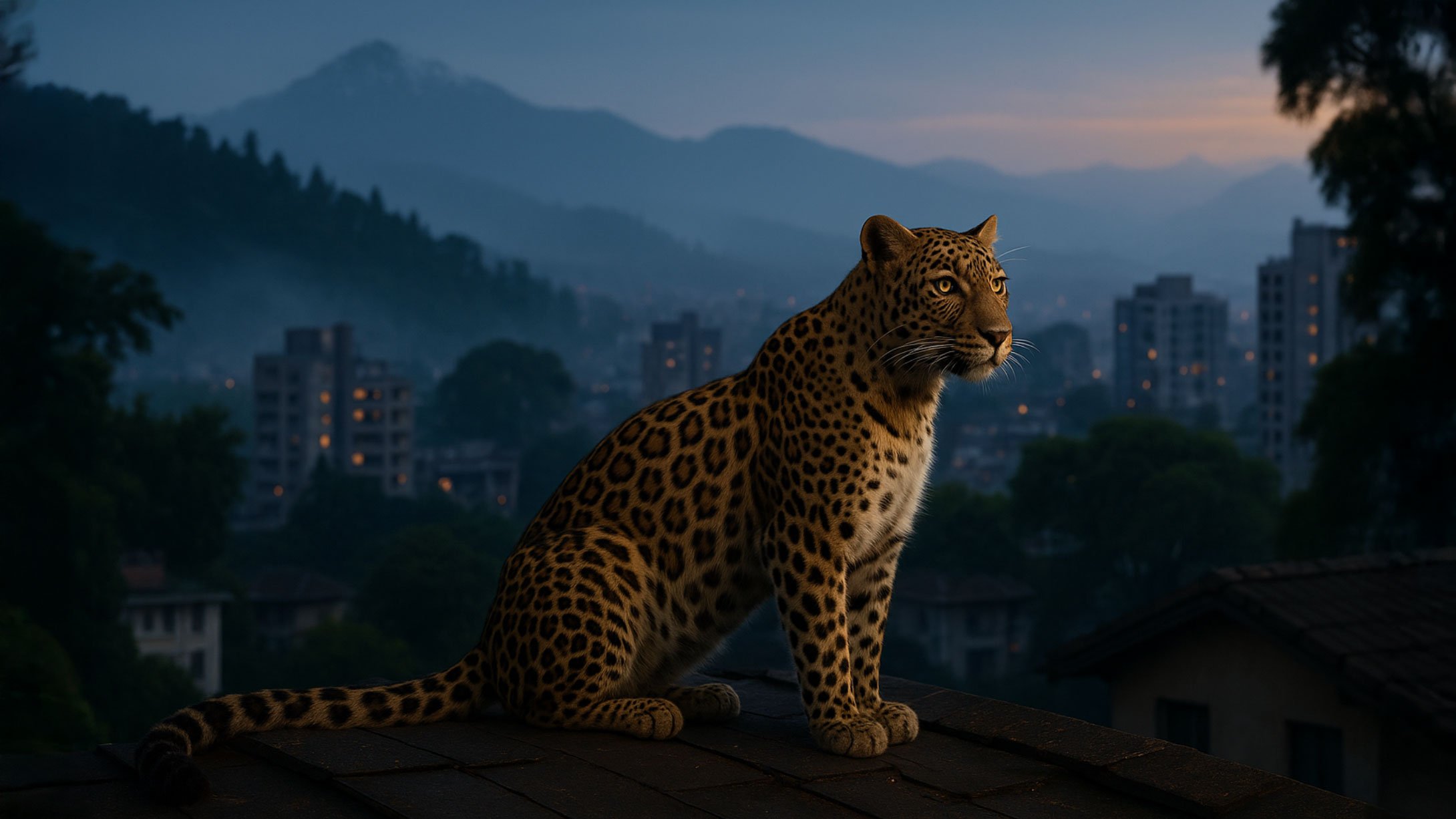
Leopards possess the most extensive geographic distribution of any wild cat in the Old World. They are highly adaptable, living in environments as varied as the arid deserts of Namibia, the snowy forests of the Russian Far East, and the tropical rainforests of Southeast Asia. They have even been documented at altitudes of 5,200 meters in the Himalayas.
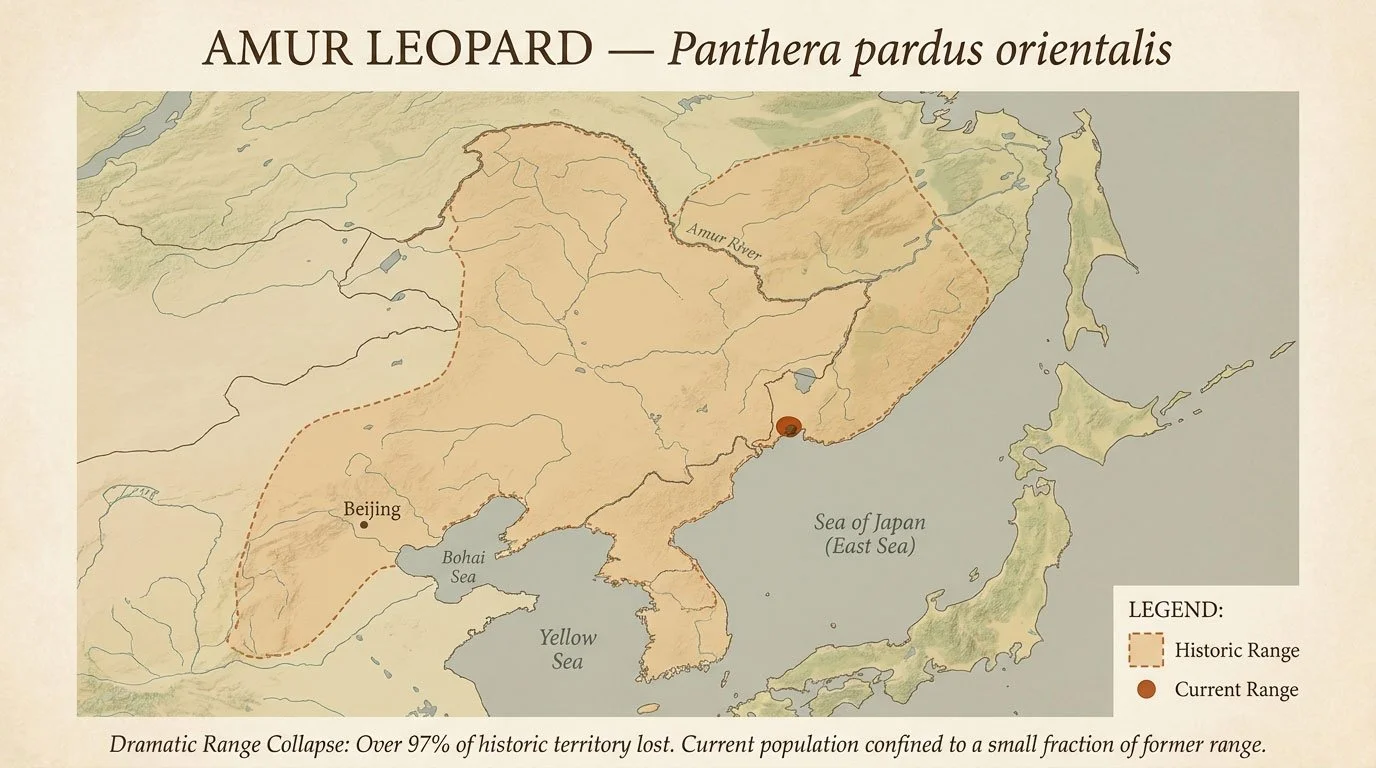
However, recent scientific data shows their range is shrinking rapidly. The species has faced an 11% reduction in its confirmed extant range since 2016 alone. In North Africa, the leopard is considered 100% extirpated from its former territory, and many populations in Southeast Asia have vanished or are functionally extinct. While some populations in India and Northeast China have shown modest gains due to intense conservation, the overall global trend remains one of significant decline.
Amur-Leopard-Range-Map
Diet and Behavior
Leopards are solitary, opportunistic hunters with an incredibly flexible diet. They consume protein in nearly any form, ranging from small beetles to large antelopes twice their size. While the species is a generalist, individuals often become specialists, focusing on specific prey available in their territory.
To protect their hard-earned meals from competitors like lions or hyenas, leopards are famous for their strength in "hoisting"—hauling heavy carcasses high into the branches of trees to cache them. In areas where wild prey has been depleted, leopards may rely on domestic animals such as dogs, goats, and cattle. They communicate through various sounds, including growls and hisses, but their most distinct vocalization is a distance call that resembles the sound of wood being sawed.
Reproduction
Leopards typically reach breeding age between 2 and 3 years. Following a gestation period of roughly 90 to 100 days, a female will give birth to a litter of 1 to 3 cubs. These youngsters remain with their mother for 13 to 18 months before becoming independent. While leopards in the wild generally live 10 to 11 years, those in managed care can live for over two decades. Recent studies have highlighted a growing concern regarding genetic inbreeding among isolated populations, which can lead to physical deformities and reduced cub survival.
Threats
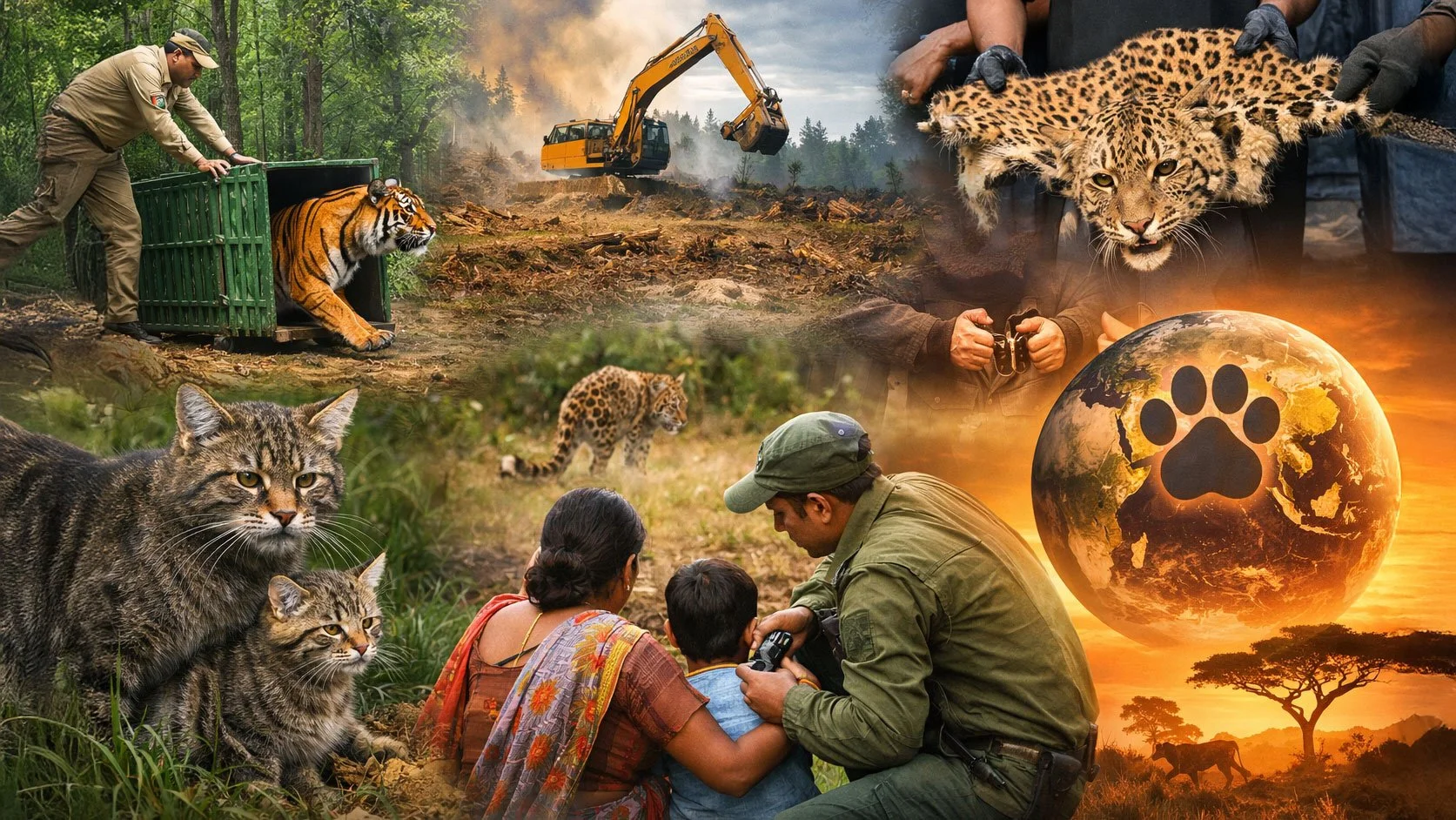
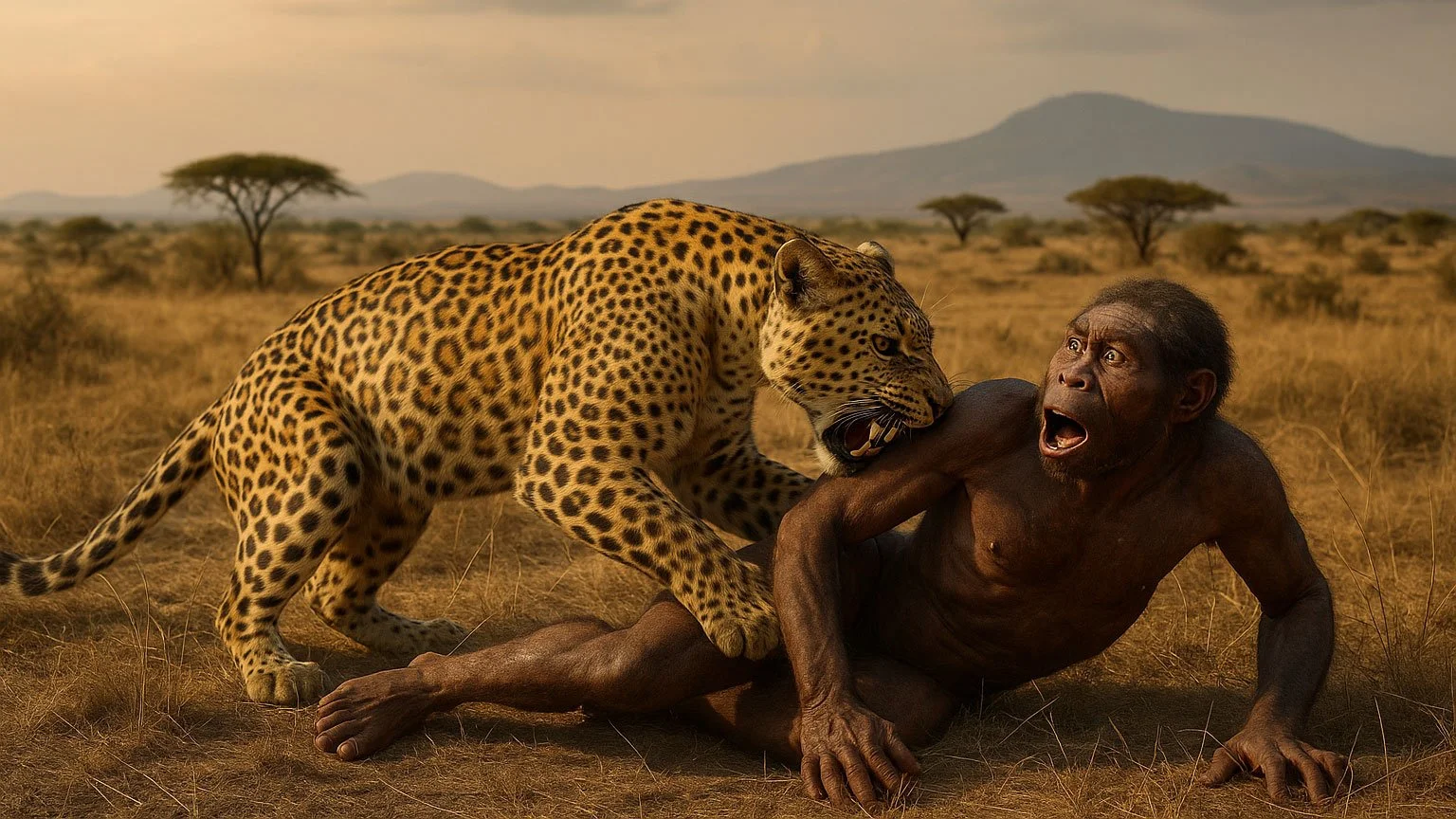
The survival of the leopard is primarily threatened by human activity. Key challenges include:
Habitat Fragmentation: As human populations expand, forests and savannas are converted into agricultural land and urban areas, isolating leopard groups.
Prey Depletion: The commercial bushmeat trade has caused a collapse in wild herbivore populations. In parts of West and East Africa, leopard prey has declined by as much as 52% to 85%.
Human-Wildlife Conflict: Leopards are often killed in retaliation for real or perceived threats to livestock.
Illegal Trade: There is a high demand for leopard parts, including skins for ceremonial use and bones for traditional medicines, particularly in Asia and parts of Africa.
Unregulated Hunting: Poorly managed trophy hunting can destabilize local populations, especially when breeding adults are targeted.
Question: Can I keep a leopard as a pet?
Conservation Efforts
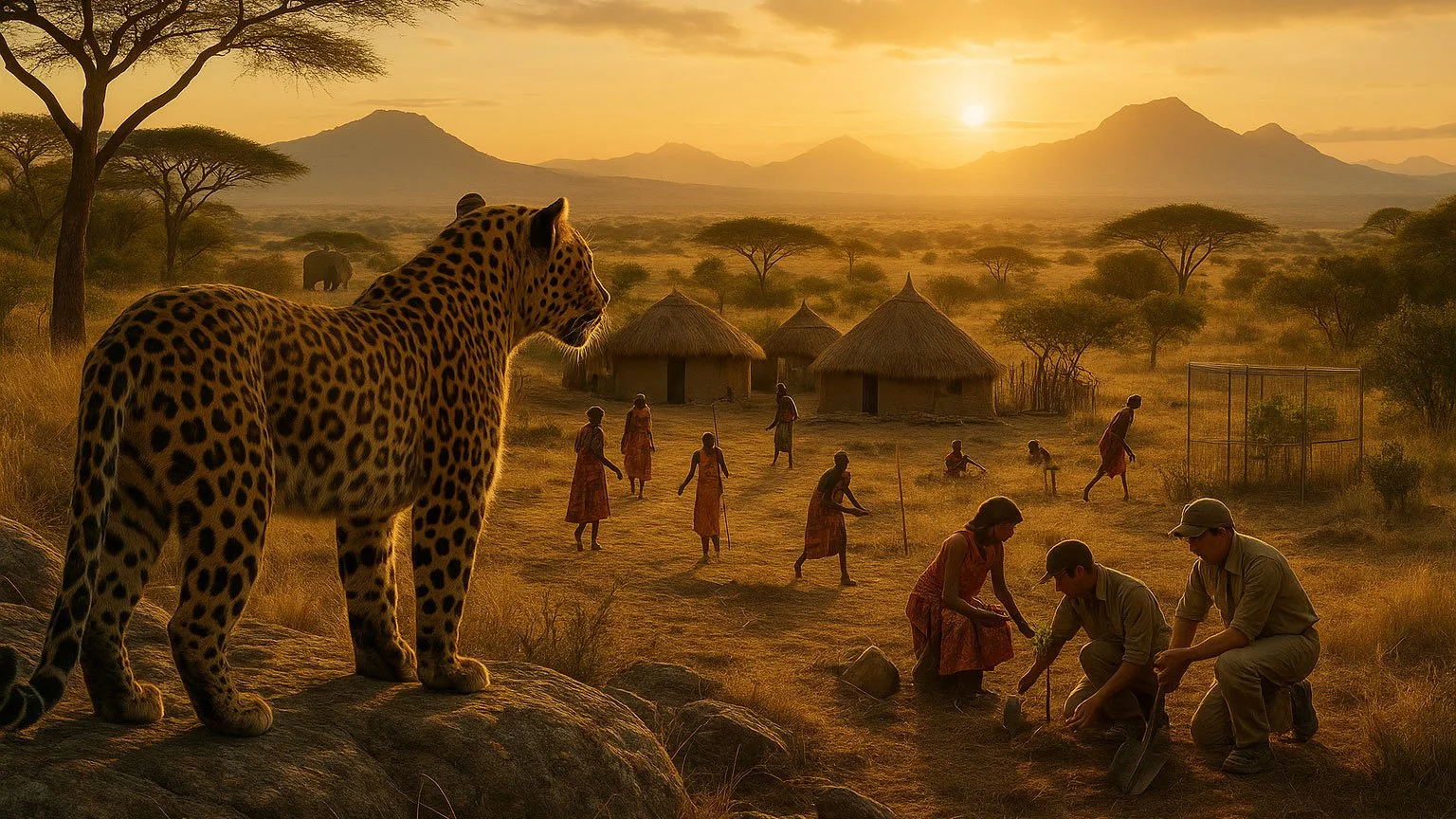
International protections for leopards are significant; they are listed under CITES Appendix I, which strictly regulates the trade of their skins and parts. Conservationists are also finding creative solutions to reduce poaching, such as the "faux-fur" initiatives in South Africa that provide high-quality fabric alternatives for traditional ceremonies.
Large-scale transboundary nature reserves, such as those on the Sino-Russian border, have proven successful in helping the Amur leopard population recover. Furthermore, reintroduction programs are underway in regions like the Greater Caucasus and the Russian Far East to restore the species to its historic range.
Big Cat Rescue actively supports these vital efforts by providing conservation funding for "in-situ" (in the wild) work. This includes supporting initiatives like WILD CARE in Nepal, coexistence and conflict mitigation projects in the central hills of Sri Lanka, and various protection programs across Africa and Southeast Asia aimed at safeguarding the future of these magnificent cats.


See Conservation Work Funded By Big Cat Rescue here:
All conservation insitu work: https://bigcatrescue.org/insitu/










Leopard Facts: Habitat, Population, Threats and Conservation. Learn where leopards live, what threatens them, how many remain, and which conservation efforts are protecting wild leopards.