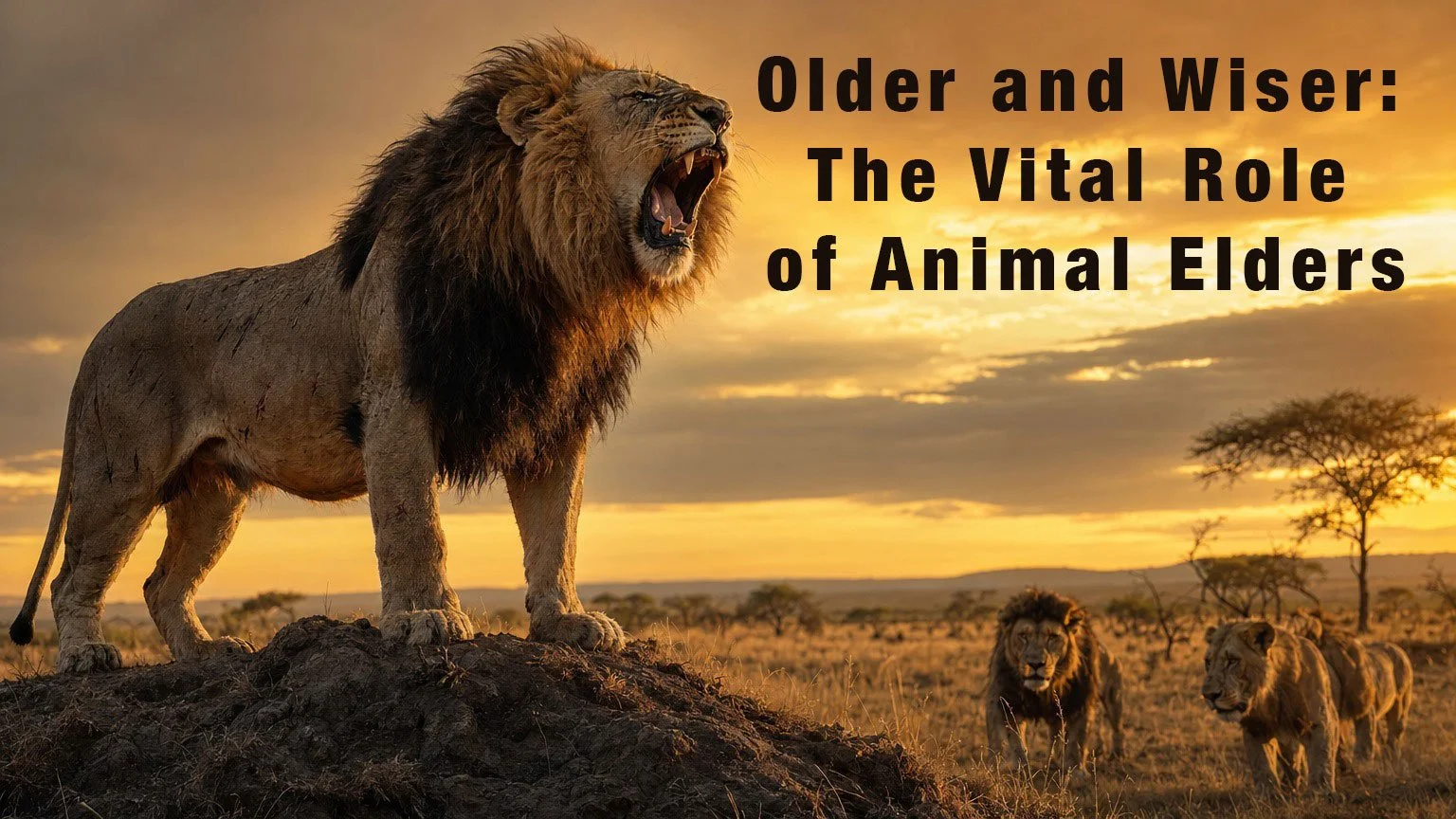
Wild Cat Lifespans
Beyond the Roar: 6 Surprising Secrets of the World’s Wild Cats
1. Introduction: The Familiar Stranger
For many, the image of a "wild cat" is synonymous with the thunderous roar of a lion across the Serengeti or the ghost-like prowl of a Bengal tiger through a saturated forest. These animals occupy a central place in our cultural imagination, symbolizing an untamed power and grace. We feel a deep, relatable curiosity toward them, often viewing them as the definitive "kings" of the animal kingdom, but this familiarity is frequently built upon a foundation of surface-level myths.
In reality, the lives of these predators are governed by complex biological trade-offs and taxonomic distinctions that often contradict popular belief. We assume that size dictates a cat's "big" status, that the fastest hunters are also the most formidable fighters, and that all felines share an inherent dread of water. Yet, recent research paints a much more nuanced picture—one where the world’s most specialized speedsters are easily bullied, and where some of the most elusive felines have mastered aquatic environments that others wouldn’t dare enter.
The purpose of this article is to move beyond the traditional roar and reveal the most counter-intuitive and impactful findings from recent wildlife research. By examining the "Big Cat" paradox, the high price of physiological specialization, and the sobering reality of captive aesthetics, we can better understand the magnificent complexity of these species and the fragile future they face in a rapidly changing world.
2. The "Big Cat" Club is Smaller Than You Think
While we frequently use the term "big cat" as a catch-all for any large, charismatic feline, scientific classification is significantly more restrictive. In the biological world, size is a deceptive metric; lineage is the true arbiter of identity. Taxonomic research divides the Felidae family into two distinct subfamilies: the Felinae and the Pantherinae.
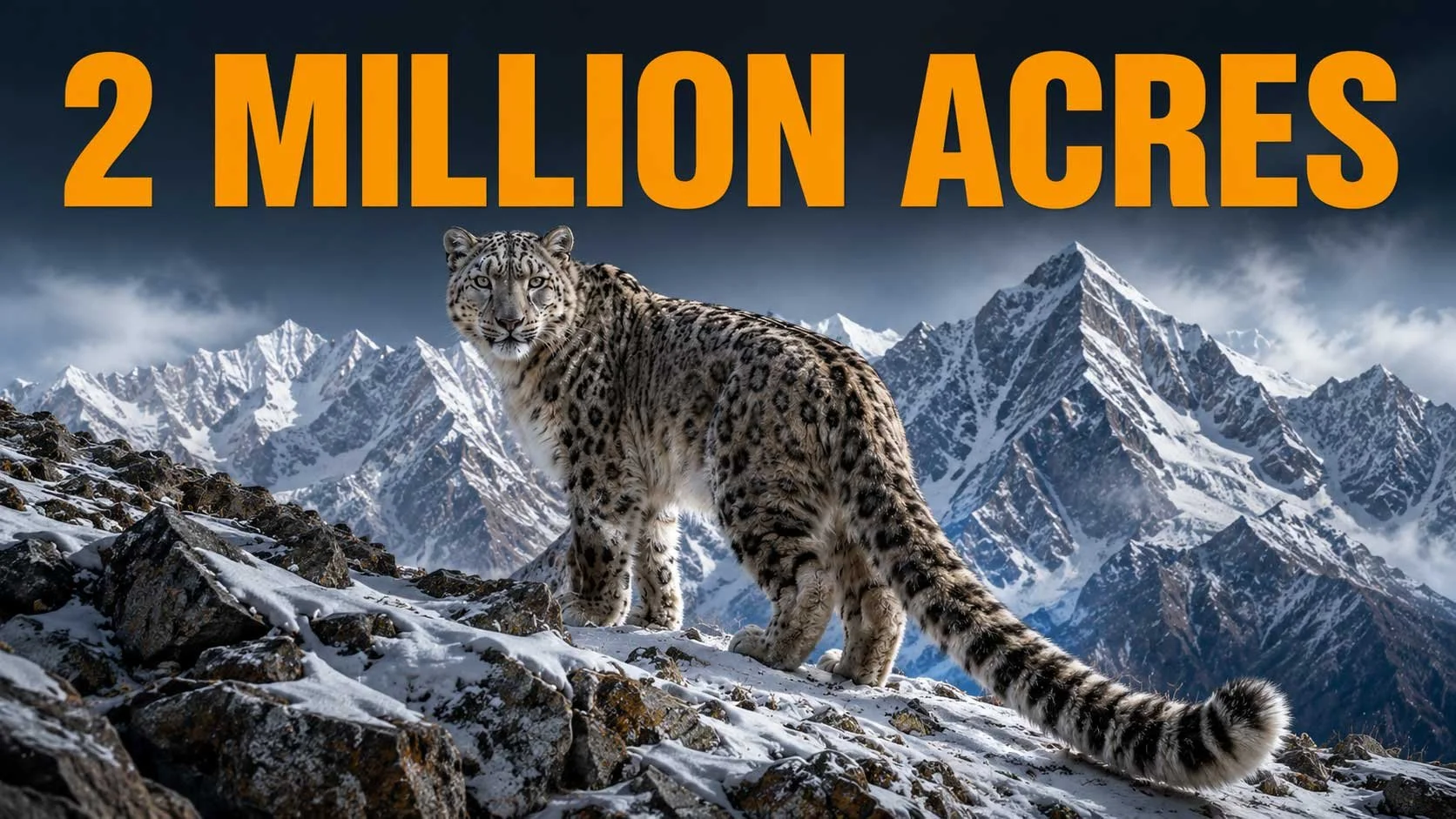
"The Pantherinae family includes the five big cat species, found within the genus Panthera: the lion (Panthera leo), tiger (Panthera tigris), jaguar (Panthera onca), leopard (Panthera pardus) and snow leopard (Panthera uncia)."
It is important for the scientifically rigorous reader to note a small distinction: while the source above refers to Pantherinae as a "family," it is technically a subfamily within the broader Felidae family. Under this strict definition, several massive and powerful felines—most notably the Cheetah and the Cougar—are biologically excluded from the "Big Cat" club. Despite their impressive scale, they reside within the Felinae subfamily alongside the domestic cat. This reveal highlights a fascinating quirk of human perception: we tend to group the natural world by visual impact and physical scale, yet a tiger is genetically closer to a snow leopard than it is to the equally large cougar.
3. The High Price of Ultimate Speed
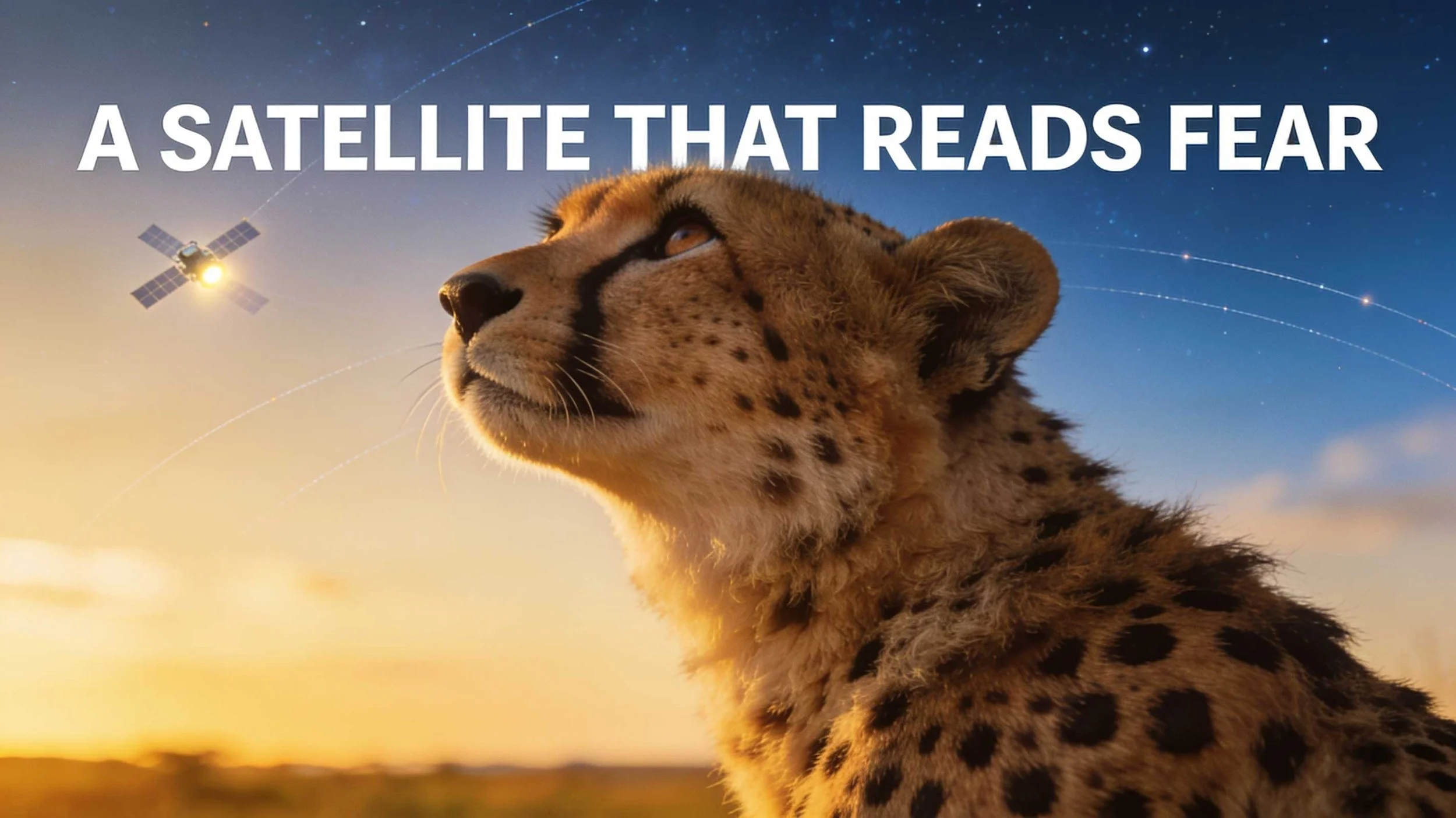
The Cheetah (Acinonyx jubatus) is a marvel of biological engineering, capable of accelerating from zero to 45 mph in a staggering 2.5 seconds. However, this pursuit of ultimate speed has necessitated a series of extreme physiological compromises. To remain lightweight and aerodynamic, the cheetah’s body has sacrificed the very "heavy hardware" that other predators rely on for defense.
Their large nasal passages, essential for the massive oxygen intake required during a 70-mph sprint, occupy so much space in the skull that there is little room for the deep roots needed to anchor large teeth. Consequently, cheetahs possess relatively small teeth and weak jaw muscles. This specialization forces a "flight vs. fight" survival strategy; because they lack the raw power to win a brawl, they must rely on their agility to survive.
Semi-retractable claws: These act as running spikes, providing essential traction during high-speed maneuvers.
Flexible spine and swiveling hips: Working like a massive spring, these adaptations allow for a stride length of 23 feet.
Tail as a rudder: The long, muscular tail counteracts body weight, allowing for sharp, banking turns at top speed.
For a specialist like the cheetah, even a minor injury sustained in a fight is a death sentence; if they cannot run, they cannot hunt. This vulnerability means they are frequently bullied away from their own kills by heavier predators like lions or hyenas, losing an estimated 50 percent of their hard-earned food to theft.
4. The Illusion of the White King
White lions and white tigers are often marketed as rare subspecies or mystical "albino" rarities. Science tells a far less romantic story: these animals are the result of a rare recessive mutation that affects coat color but does not constitute a separate species. While white lions occur naturally in the Greater Kruger region of southern Africa, their presence in the world today is largely a result of human intervention.
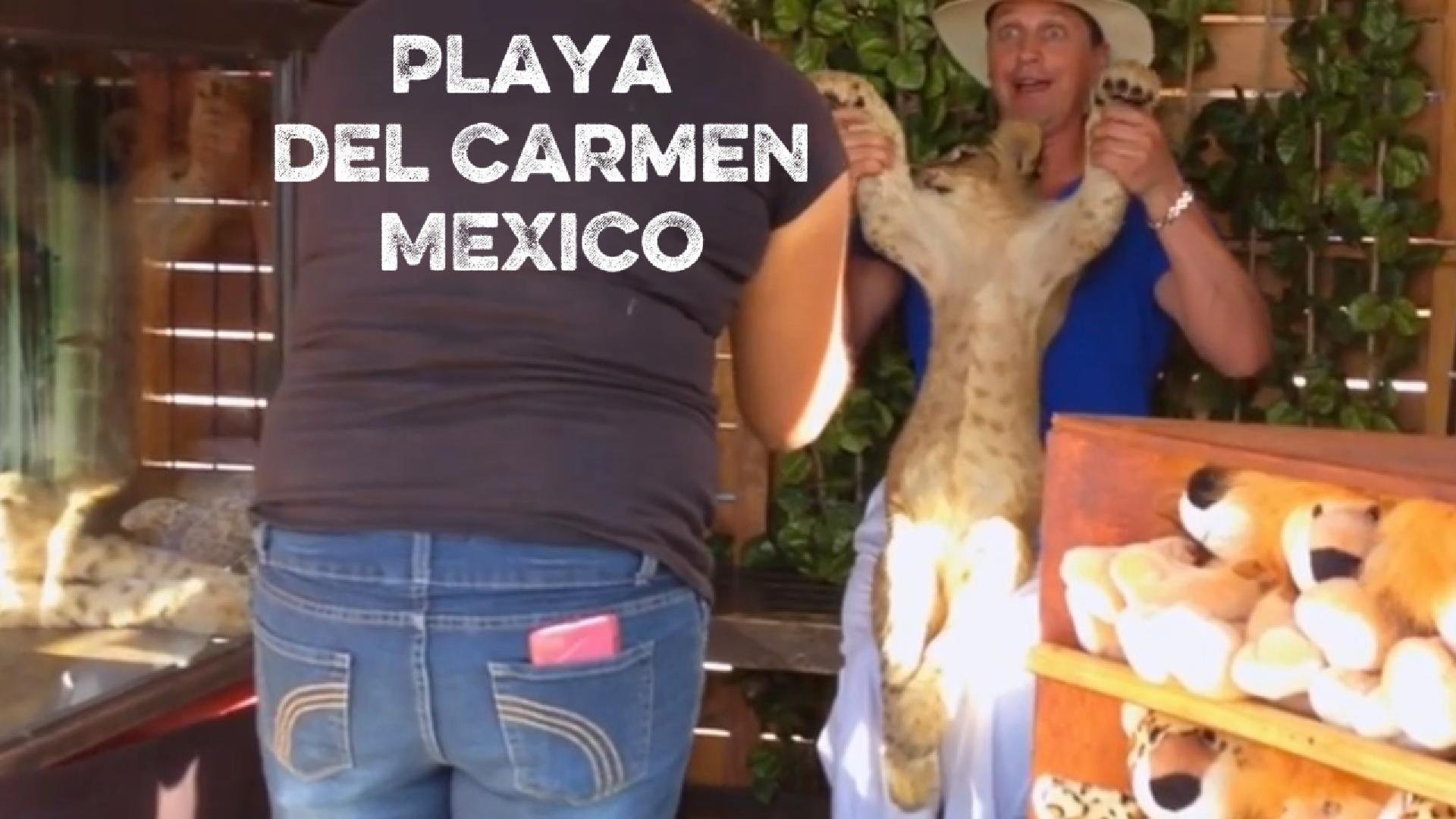
The human aesthetic preference for these striking animals has fueled a sobering welfare crisis. Because the mutation is recessive, producing white offspring in captivity almost always requires intensive inbreeding.
"As the mutation is recessive and rare, most captive white lions are inbred, negatively affecting their health and welfare. White lions are often cross-eyed, which is a sign of inbreeding."
This creates a profound ethical conflict. We must ask ourselves if our desire for "beautiful" and "rare" animals justifies the creation of genetic dead ends. These animals often suffer from chronic health issues, yet they continue to be bred to satisfy human demand, prioritizing a visual novelty over the biological integrity of the species.
5. Swimming with the Felines
The pervasive stereotype that cats hate water is a myth largely perpetuated by our experience with domestic tabbies. In the wild, several species have evolved to thrive in aquatic niches, with the Fishing Cat (Prionailurus viverrinus) and the Leopard Cat (Prionailurus bengalensis) leading the charge. These felines are as comfortable in the marsh as a leopard is in a tree.
The Fishing Cat, in particular, is a masterpiece of semi-aquatic adaptation. It possesses partially webbed toes for navigating mud and water, and a specialized "double coat"—a dense, compact layer of water-resistant underfur that acts as a dry suit, keeping the skin warm even when the cat is fully submerged in chilly waters.
The reeds of the Southeast Asian wetlands are thick with humidity and the low hum of insects as the Fishing Cat takes its position. It stands motionless on a mossy bank, its camouflaged spots blending into the dappled light of the mangrove roots. The air is still, and the cat is a statue of patience, its elongated head tilted down to break the surface tension with its gaze, waiting for the slight shimmer of a fish beneath the murky water.
Suddenly, the stillness shatters. With a muscular lunge, the cat dives or reaches deep into the water, using its powerful paws to scoop prey from the depths with lightning precision. In shallower pools, it may even be seen "playing" with its catch, demonstrating a comfort with the water that defies the feline norm. These traits allow these cats to dominate rich, protein-heavy niches that more terrestrial predators simply cannot exploit.
6. The Longevity Paradox: Wild vs. Captivity
The Reality of Predator Life In the natural world, the larger the animal, the longer the life—usually. However, wild cats present a "Size Paradox." While they are apex predators, the sheer violence and exhaustion of their lifestyles significantly truncate their natural lifespans. In the wild, large cats face the constant "harsh reality" of hunting injuries, territorial battles, and prey scarcity. Captivity, by removing these threats and providing veterinary care, reveals the true biological potential of these animals.
• Lion (Panthera leo): Record: 29 years (Captive) vs. 10–16 years (Wild). Wild females typically live 15–16 years, while males average 8–10 years and rarely exceed 12.
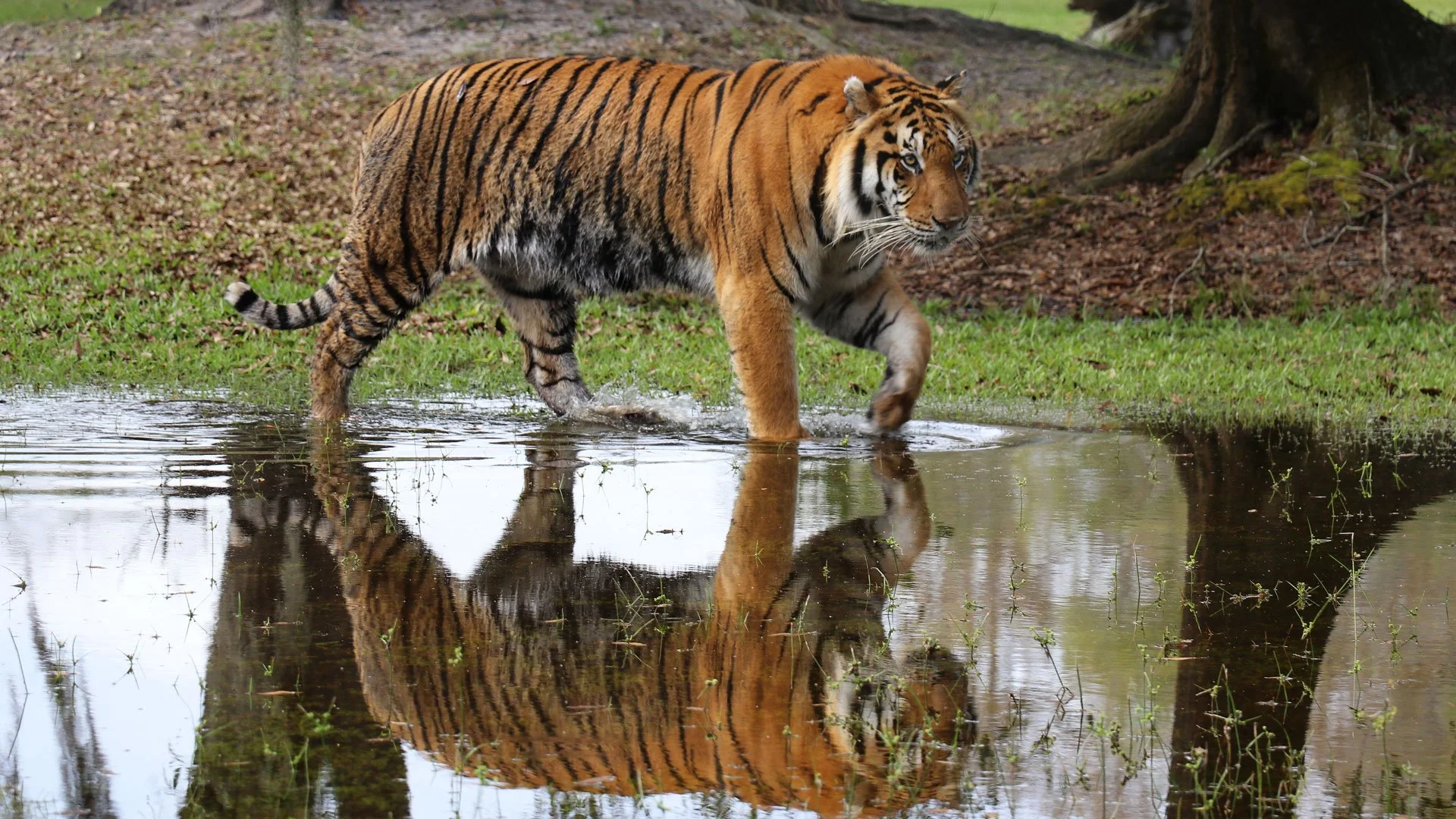
• Tiger (Panthera tigris): Record: 26 years (Captive) vs. 15 years (Wild Record). The average wild lifespan is 8–10 years, with life expectancy for captive females at 16 years and males at 12 years.
• Leopard (Panthera pardus): Record: 28 years (Captive) vs. 19 years (Wild Female Record). The average wild lifespan is 12–17 years, with wild males living approximately 14 years.
• Jaguar (Panthera onca): Record: 23 years (Captive) vs. 16 years (Wild Record). They typically live 11–15 years in the wild and can live over 20 years in human care.
• Snow Leopard (Panthera uncia): Record: 22 years (Captive) vs. 15–18 years (Wild). Some estimates place their presumed wild lifespan at 12 years.
• Cheetah (Acinonyx jubatus): Record: 18 years (Captive) vs. 14 years (Wild Record). Wild averages are 8–10 years, while they live 12–20 years in captivity.
Medium-Sized Cats
• Cougar (Puma concolor): Record: 30 years (Captive) vs. 18 years (Wild Record). Wild populations typically live 8–13 years.
• Clouded Leopard (Neofelis nebulosa): Record: 17 years (Captive) vs. 11 years (Wild). In captivity, they typically live up to 15 years.
• Eurasian Lynx (Lynx lynx): Record: 24 years (Captive) vs. 15 years (Wild). They typically reach 20 years in captivity.
• Canada Lynx (Lynx canadensis): Record: 26.75 years (Captive) vs. 15 years (Wild Record). Wild averages range from 10 to 14.5 years, while captive individuals typically live up to 22 years.
• Iberian Lynx (Lynx pardinus): 13 years (Wild).
• Bobcat (Lynx rufus): Record: 34 years (Captive) vs. 16 years (Wild Record). Wild averages are 6–8 years, and they can live up to 25 years in human care.
• Caracal (Caracal caracal): Record: 22 years (Captive) vs. 16 years (Wild Average). General wild lifespan is 12 years, and they typically reach 17–19 years in captivity.
• Serval (Leptailurus serval): 25 years (Captive) vs. 10 years (Wild).
• Fishing Cat (Prionailurus viverrinus): 17+ years (Captive) vs. 10–12 years (Wild).
• Leopard Cat (Prionailurus bengalensis): Record: 19 years (Captive) vs. 4–13 years (Wild). They typically live 8–10 years in the wild.
• Ocelot (Leopardus pardalis): Record: 25 years (Captive) vs. 7–10 years (Wild). They can reach 20 years in human care.
• Margay (Leopardus wiedii): Record: 24 years (Captive) vs. 12–14 years (Wild).
• European Wildcat (Felis silvestris): Record: 19 years (Captive) vs. 12 years (Wild Record). Wild averages are 7–12 years, and they typically live 12–16 years in captivity.
• Black-footed Cat (Felis nigripes): Record: 16 years (Captive) vs. 4–6 years (Wild Average).
• Sand Cat (Felis margarita): Record: 14 years (Captive) vs. 8–10 years (Wild).
• Jungle Cat (Felis chaus): Record: 20 years (Wild) vs. 14 years (Captive). General wild lifespan is 12–14 years.
• Geoffroy’s Cat (Leopardus geoffroyi): Record: 22 years (Captive) vs. 12 years (Wild).
• Jaguarundi (Puma yagouaroundi): Record: 16 years (Captive) vs. 10–12 years (Wild/Captive Average).
• Pampas Cat (Leopardus colocolo): Record: 16 years (Captive) vs. 9 years (Wild).
• Oncilla NKA Tiger Cat (Leopardus tigrinus): 17 years (Captive) vs. 11–14 years (Wild).
• Guigna (Leopardus guigna): 15 years (Captive) vs. 11 years (Wild).
• Flat-headed Cat (Prionailurus planiceps): Record: 14 years (Captive).
• Pallas’s Cat (Otocolobus manul): 11 years (Captive) vs. 8–10 years (Wild).
• Rusty Spotted Cat (Prionailurus rubiginosus): 12 years (Captive).
• Marbled Cat (Pardofelis marmorata): 12 years (Captive).
• Asian Golden Cat (Pardofelis temminckii): 20 years (Captive).
• African Golden Cat (Caracal aurata): 12 years (Captive).
• Domestic Cat (Felis silvestris catus): Record: 38 years (Confirmed). Indoor cats average 12–18 years, while outdoor/feral cats average 2–5 years.
--------------------------------------------------------------------------------
Other species mentioned in the sources but lacking specific lifespan data include: the Sunda Clouded Leopard, Bay Cat, Andean Cat, Chinese Mountain Cat, and Afro-Asiatic Wildcat.
7. The Social Outlier: Why Lions Stand Alone
Among all felines—from the massive tiger to the diminutive rusty-spotted cat—the lion is the only truly social species. While the tiger and leopard represent the pinnacle of stealth and self-reliance, the lion has opted for "safety in numbers."
A lion pride is a complex social unit consisting of 1 to 20 related females and 1 to 9 males. Interestingly, "pride cohesiveness" is not a constant; it fluctuates based on prey availability. When food is scarce, the pride may fragment into smaller groups. To manage this complex social life, lions have developed sophisticated ways to track their companions.
"It is possible to identify individual lions based on their whisker spot pattern."
While solitary life allows other cats to reduce competition and thrive on smaller prey bases, it leaves them vulnerable. The lion’s social structure is a radical evolutionary departure that provides a communal defense and increased hunting success against massive prey, standing in sharp contrast to the solitary, shadow-dwelling existence of every other cat on Earth.
8. Conclusion: A Future for the Felines
The surprising secrets of wild cats—from the aquatic mastery of the Fishing Cat to the social complexity of the lion—remind us that these animals are highly specialized and, by extension, incredibly fragile. Today, almost all wild cat populations are in decline. The tiger now occupies less than 7% of its historic range, and lions have vanished from 92% of the lands they once ruled.
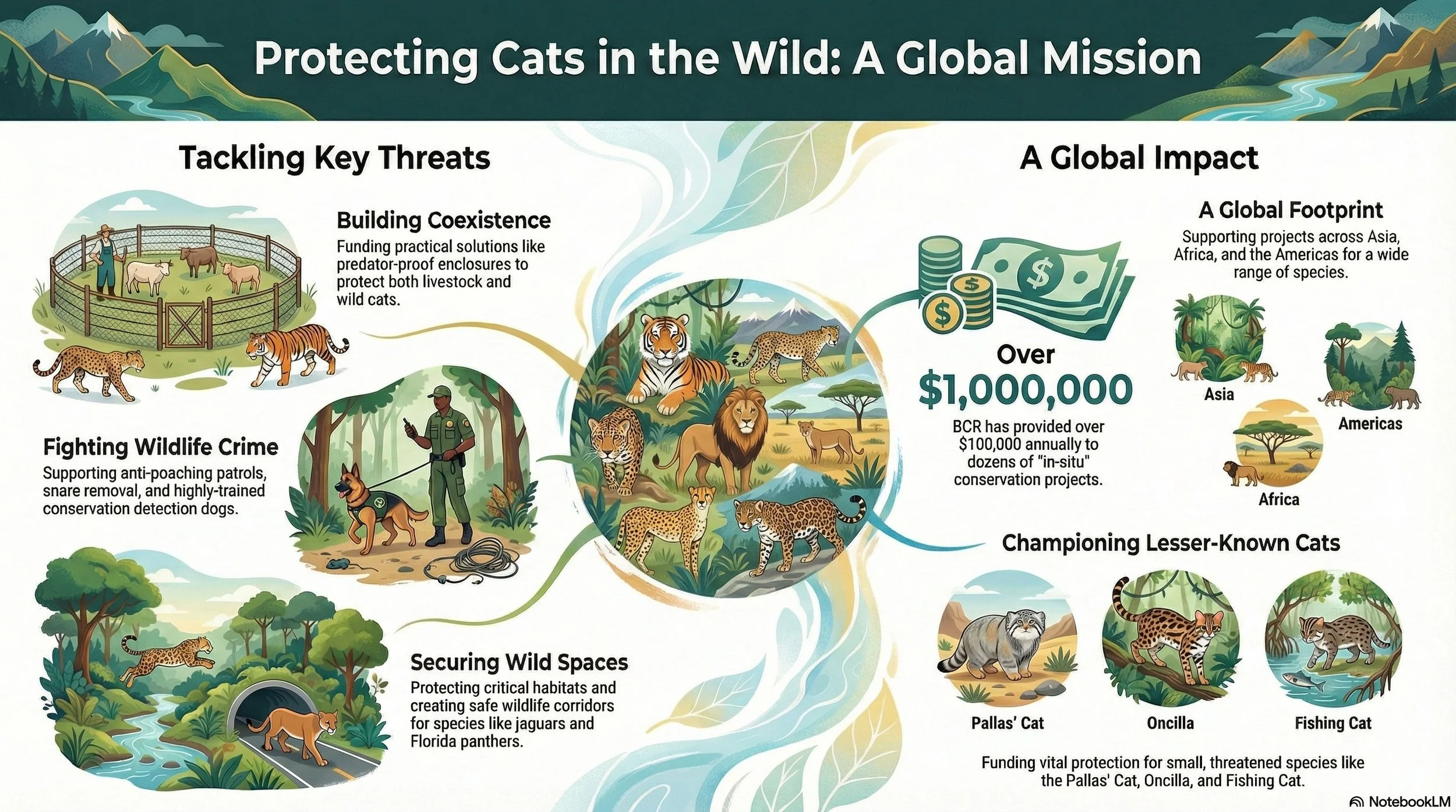
We must recognize these felines as "indicator species." Because they sit at the top of the food chain, their presence or absence tells us the truth about the health of the entire ecosystem; if the cats are failing, the "tropic cascade" below them is already in trouble. The core takeaway for the modern conservationist is that habitat protection, rather than captive breeding, is the only sustainable key to their survival.
Their future does not depend on our ability to curate them in enclosures or breed them for aesthetic rarity. It depends on our willingness to preserve the vast, wild spaces they require. As we look into the amber eyes of these predators, we must ask: are we prepared to share the planet with the masters of speed and stealth, or will we be the generation that watches the roar fade into silence?