Cozumel’s Hidden Wonders
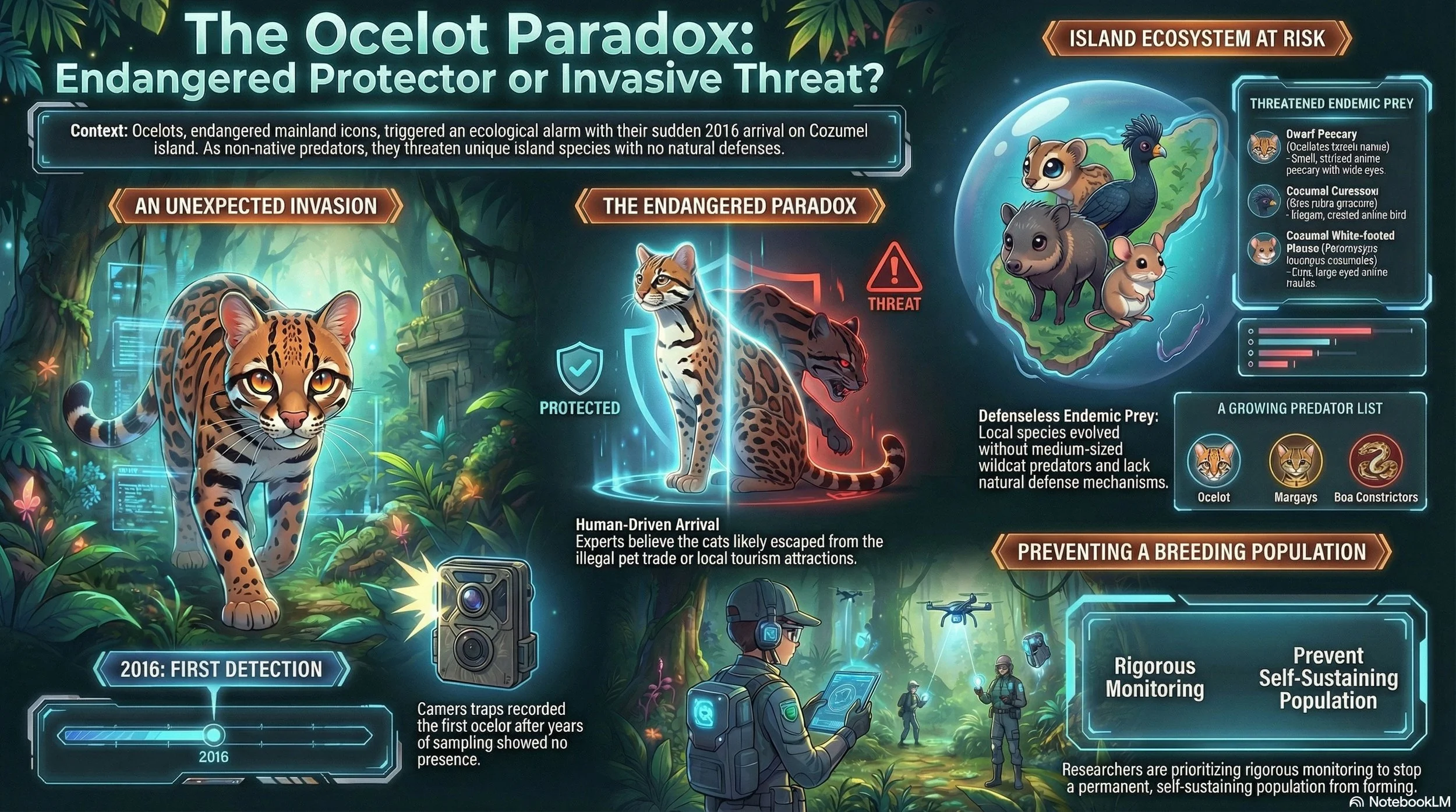
The provided text reports on the discovery of an ocelot on Cozumel Island, a wildcat that is nationally endangered but considered a dangerous invasive species in this specific environment. Researchers first identified the predator via camera traps in 2016, sparking fears for the safety of endemic wildlife such as the dwarf peccary and various unique rodents. Experts believe the cat was likely released from captivity or escaped from the illegal pet trade, as there is no historical record of the species on the island. This situation presents a complex conservation paradox where a protected animal threatens a delicate ecosystem with few natural defenses. To prevent a breeding population from establishing, scientists emphasize the need for rigorous wildlife monitoring and stricter controls on introduced species.
The 30x30 Paradox
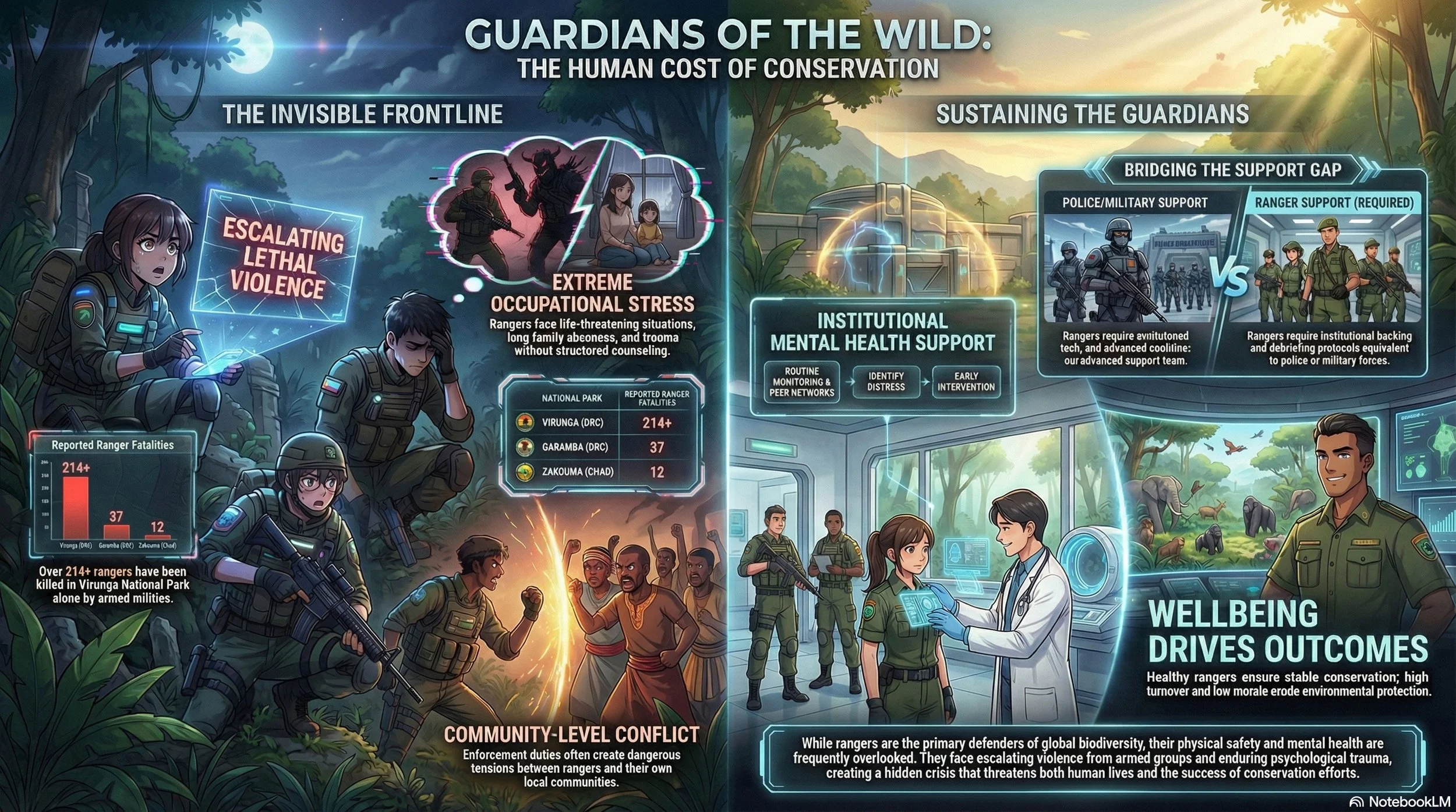
This report highlights the extreme dangers and psychological trauma experienced by wildlife rangers, who serve as the primary defense for global biodiversity. Recent violent attacks in the Democratic Republic of the Congo underscore a growing trend where these workers face armed militias and organized crime with insufficient institutional support. Beyond physical threats, the text emphasizes that mental health neglect leads to poor decision-making and high staff turnover, which ultimately compromises conservation goals. While some organizations are beginning to offer counseling and family aid, these support systems remain dangerously underdeveloped compared to other high-risk professions. Experts argue that the international community must prioritize ranger wellbeing to ensure the long-term sustainability of protected natural areas.

The 70-Year Wait is Over
This article describes a monumental conservation initiative in Kazakhstan aimed at restoring the tiger population after more than seven decades of absence. To prepare for the predators’ arrival, the government and international partners have launched a massive reforestation project, planting tens of thousands of trees to create a sustainable habitat in the South Balkhash region. While two captive Amur tigers are already being used for breeding, the program anticipates the arrival of wild tigers from Russia by 2026. The strategy also includes efforts to rebuild prey populations and implement safety measures to ensure peaceful coexistence with local communities. This multifaceted approach seeks to revive a functioning ecosystem by reintroducing its most iconic apex predator.
Cape Leopards
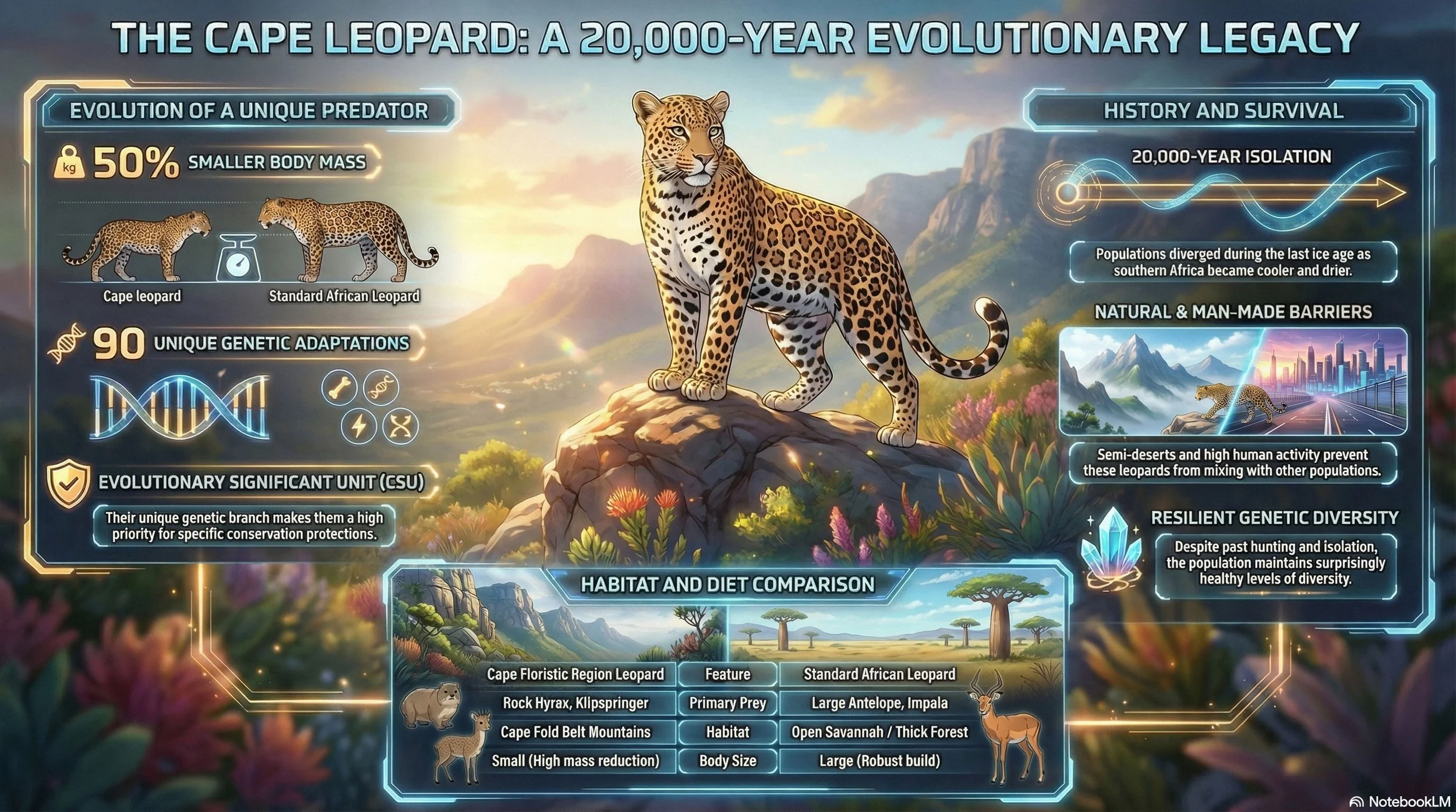
Researchers have discovered that leopards inhabiting South Africa’s Cape Floristic Region are a genetically distinct population that has evolved separately from other African leopards for over 20,000 years. These cats are significantly smaller in size, an physical trait driven by specific genetic adaptations to a unique environment with limited prey rather than mere isolation. While their numbers were previously decimated by human hunting and habitat loss, genomic analysis reveals surprisingly healthy levels of genetic diversity within the remaining population. This scientific breakthrough identifies the Cape leopard as an evolutionarily significant unit, highlighting an urgent need for specialized conservation strategies to protect their mountain corridors. Preserving these predators requires mitigating human conflict and ensuring landscape connectivity to safeguard a unique evolutionary legacy.
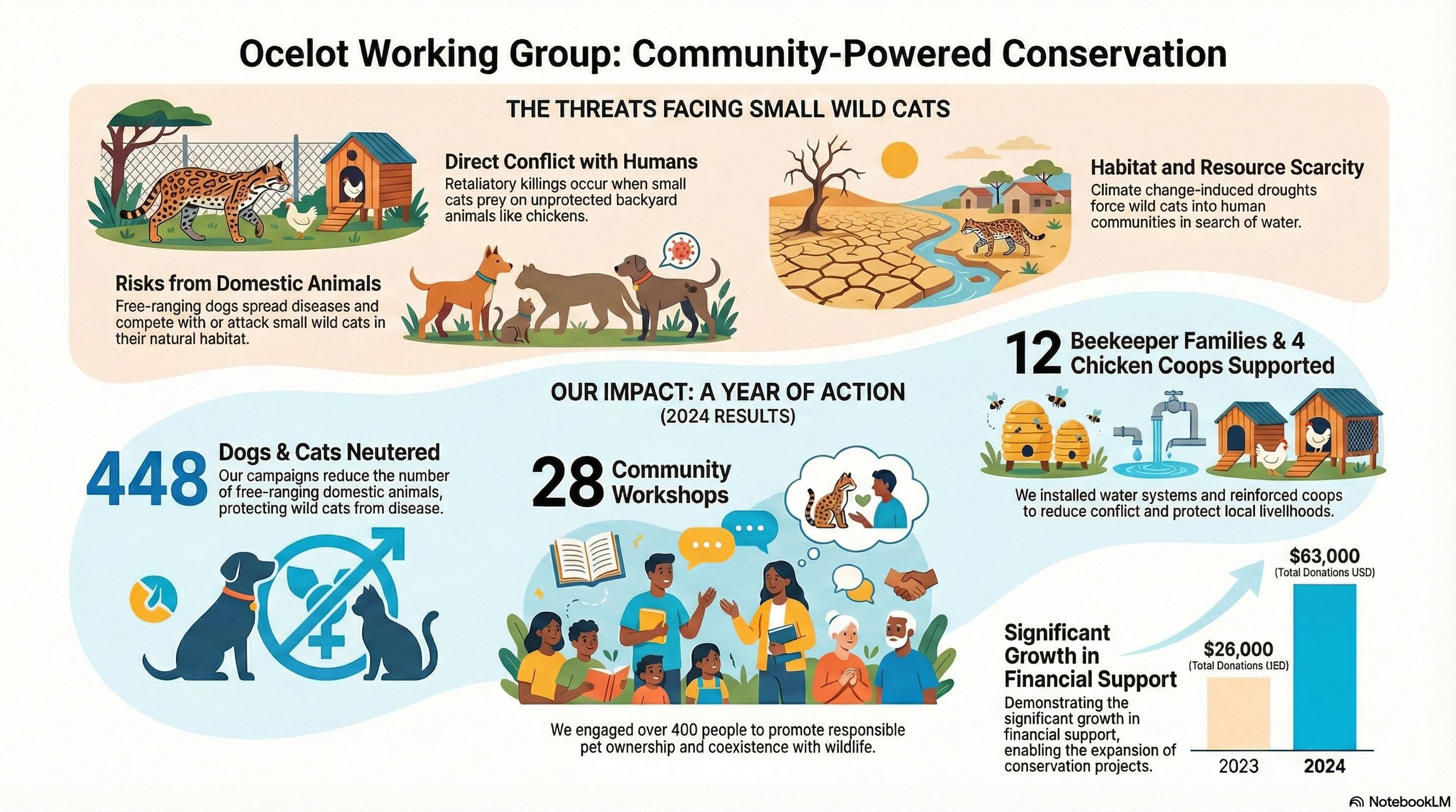
Ocelot Working Group
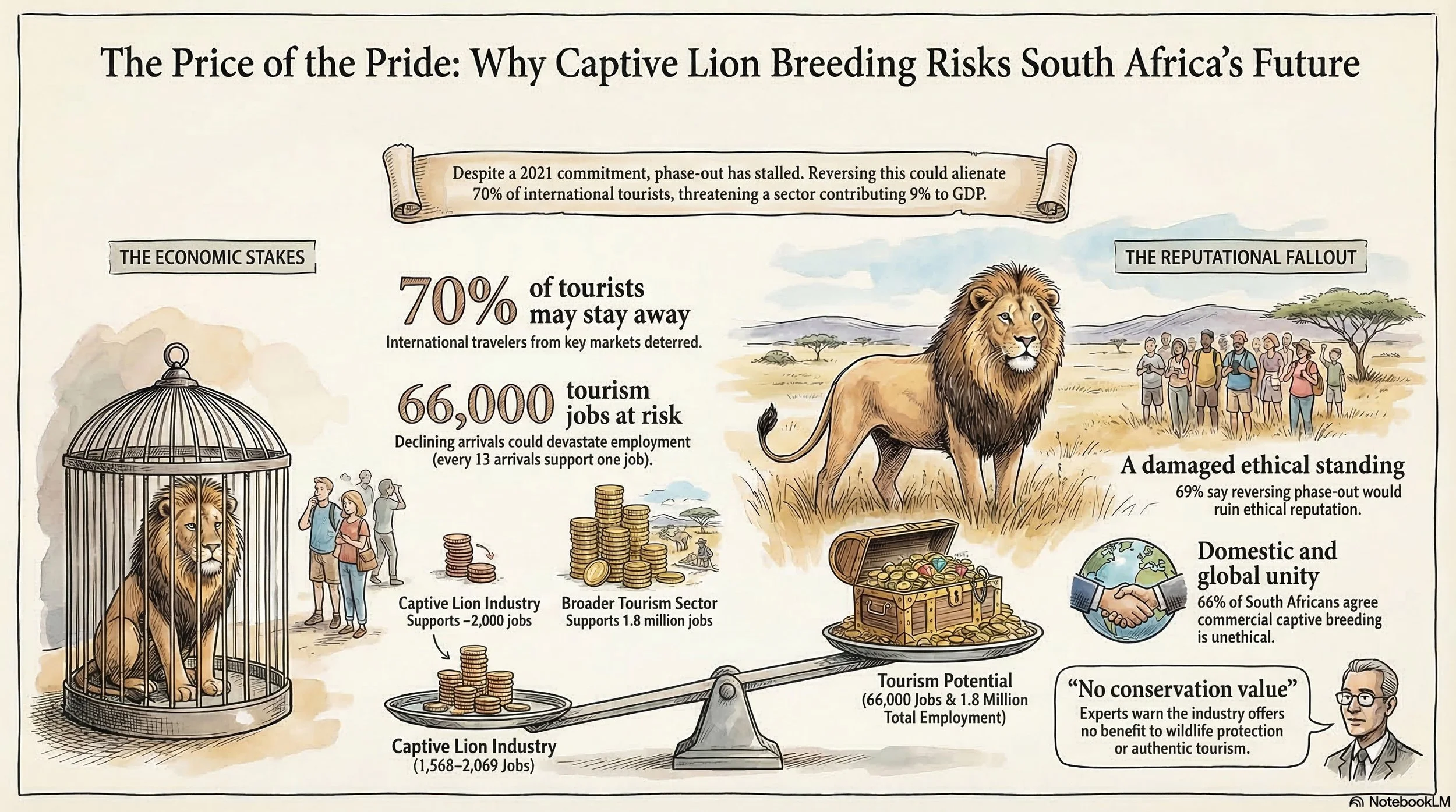
Poll Says Uphold Lion Farming Ban
Recent polling data indicates that South Africa faces significant economic and reputational risks if it fails to dismantle its commercial captive lion breeding industry. A survey of over 2,500 respondents shows that a majority of international tourists would likely avoid the country if the government reverses its 2021 commitment to end the practice. Critics argue that activities like canned hunting and cub petting offer no conservation value and threaten approximately 66,000 tourism-related jobs. Both domestic and foreign audiences expressed a strong preference for ethical wildlife experiences over the exploitation of captive predators. Advocacy groups are now urging officials to eliminate further delays and implement a formal phase-out plan to protect the nation's vital travel sector.