A Guide to an Island Ecosystem in Flux
1. Introduction: The Magic of Island Endemism
In the study of island biogeography, few concepts are as evocative as endemism. An endemic species is a biological treasure found in one specific geographic location and nowhere else on Earth. Islands like Cozumel function as isolated laboratories where life follows a distinct evolutionary trajectory, far removed from the pressures of the mainland. For thousands of years, Cozumel’s inhabitants evolved in a "predator-poor" environment. While this isolation allowed for the birth of unique forms, it also stripped these animals of the very defenses they would need to survive an encounter with a modern hunter.
Key Insight: The Island Evolution Difference On the mainland, life is defined by a constant "evolutionary arms race" between predator and prey, resulting in sharp instincts and rapid flight responses. On islands, however, species often develop "Island Tameness." Without the historical presence of large carnivores, island animals lose their fear and defensive behaviors. This makes them evolutionarily "naïve"—a trait that is charming to observers but catastrophic when a new predator is introduced.
To understand why this paradise is so fragile, we must first look at the unique inhabitants that have called Cozumel home for millennia.
2. Meet the Locals: Cozumel’s Exclusive Wildlife
Cozumel is home to a suite of mammals and birds that represent the island’s unique natural heritage. These species have adapted to the island's specific resources over countless generations, filling roles that keep the ecosystem thriving.
Common Name
Scientific Name
Ecological Role/Category
Cozumel white-footed mouse
Peromyscus leucopus cozumelae
Rodent: Primary consumer and critical seed disperser for native flora.
Cozumel harvest mouse
Reithrodontomys spectabilis
Rodent: Granivore; maintains plant diversity through selective seed consumption.
Cozumel rice rat
Oryzomys couesi cozumelae
Rodent: Ground-dwelling prey; essential link in the island's food web.
Dwarf peccary
Dicotyles tajacu nanus
Ungulate: Large herbivore; shapes forest structure through browsing and soil disturbance.
Cozumel curassow
Crax rubra griscomi
Bird: Large ground-dwelling frugivore; vital for the dispersal of large-seeded trees.
The Cozumel curassow and the Cozumel rice rat serve as flagship examples of this biodiversity. As flagship species, their health serves as a barometer for the entire ecosystem. Because the curassow is a large, ground-dwelling bird with no natural instinct to flee from a stalking feline, its survival—and by extension, the forest it helps plant—is in immediate jeopardy.
The existence of these specialized creatures is a testament to the island’s past, but a new, unexpected arrival is threatening to rewrite its future.
3. The Ocelot Paradox: Endangered vs. Invasive
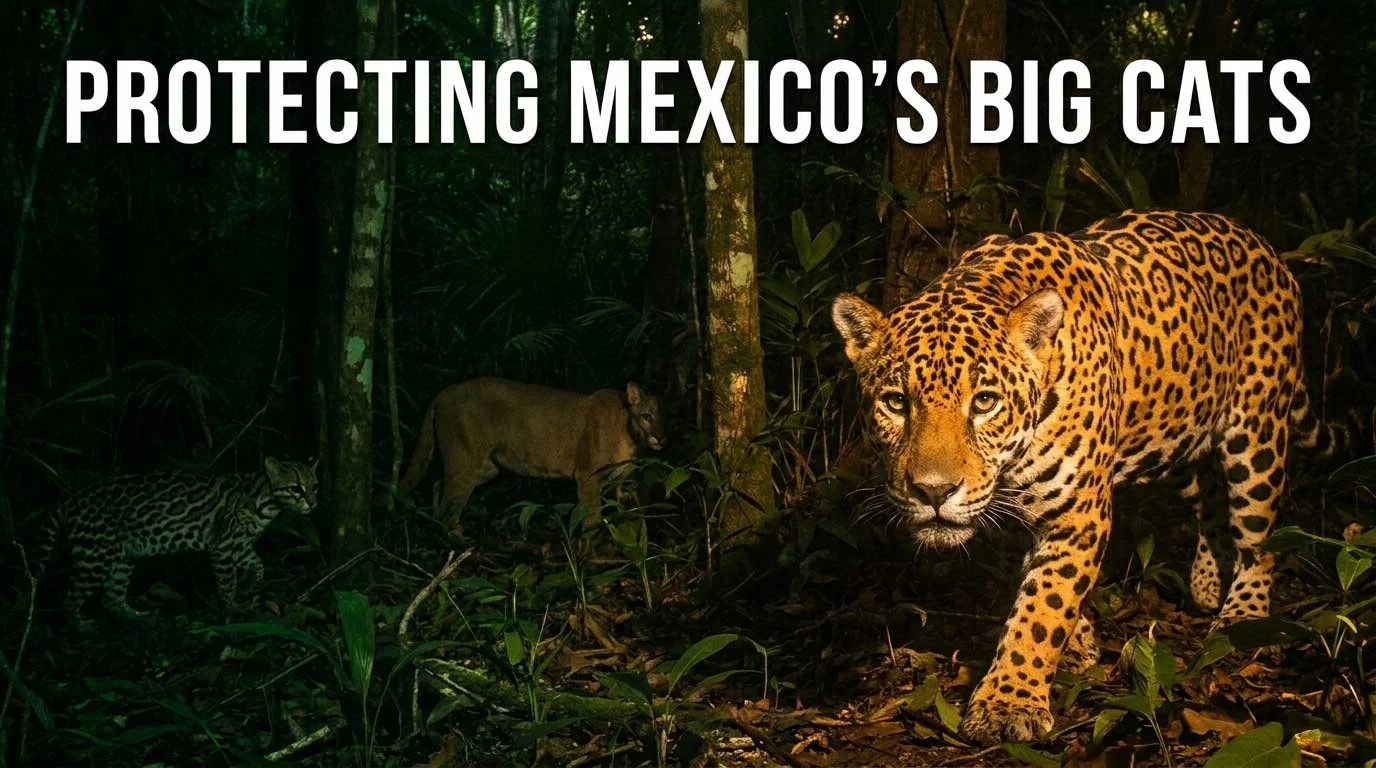
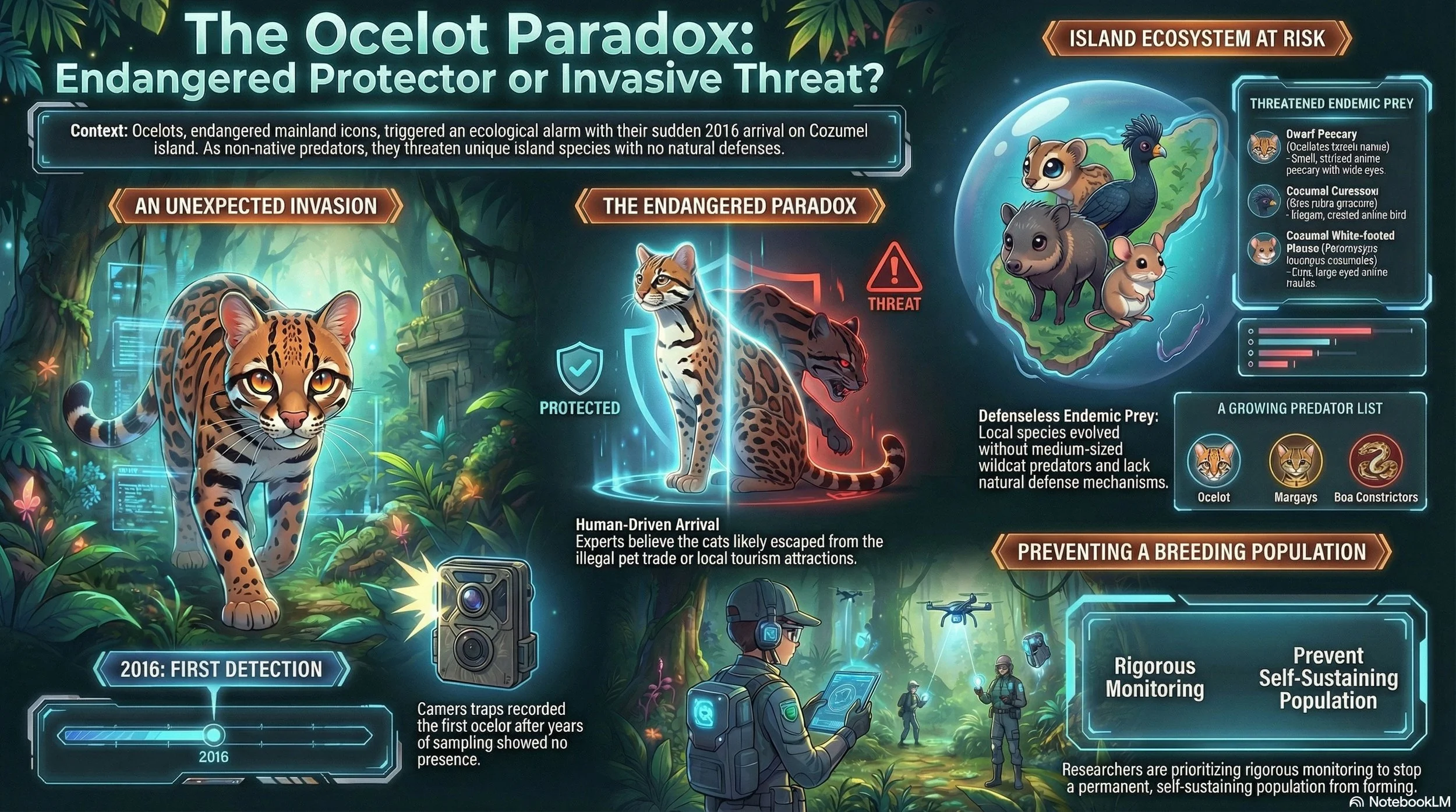
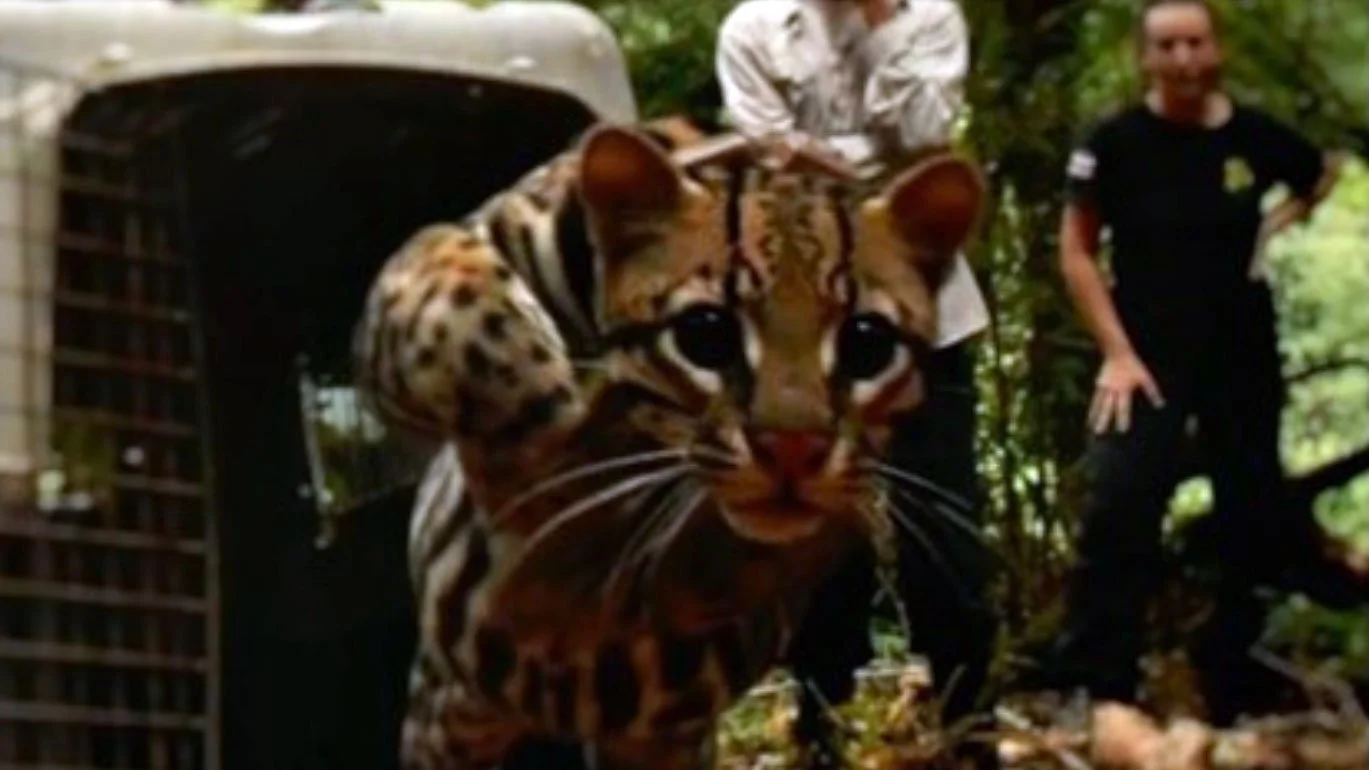
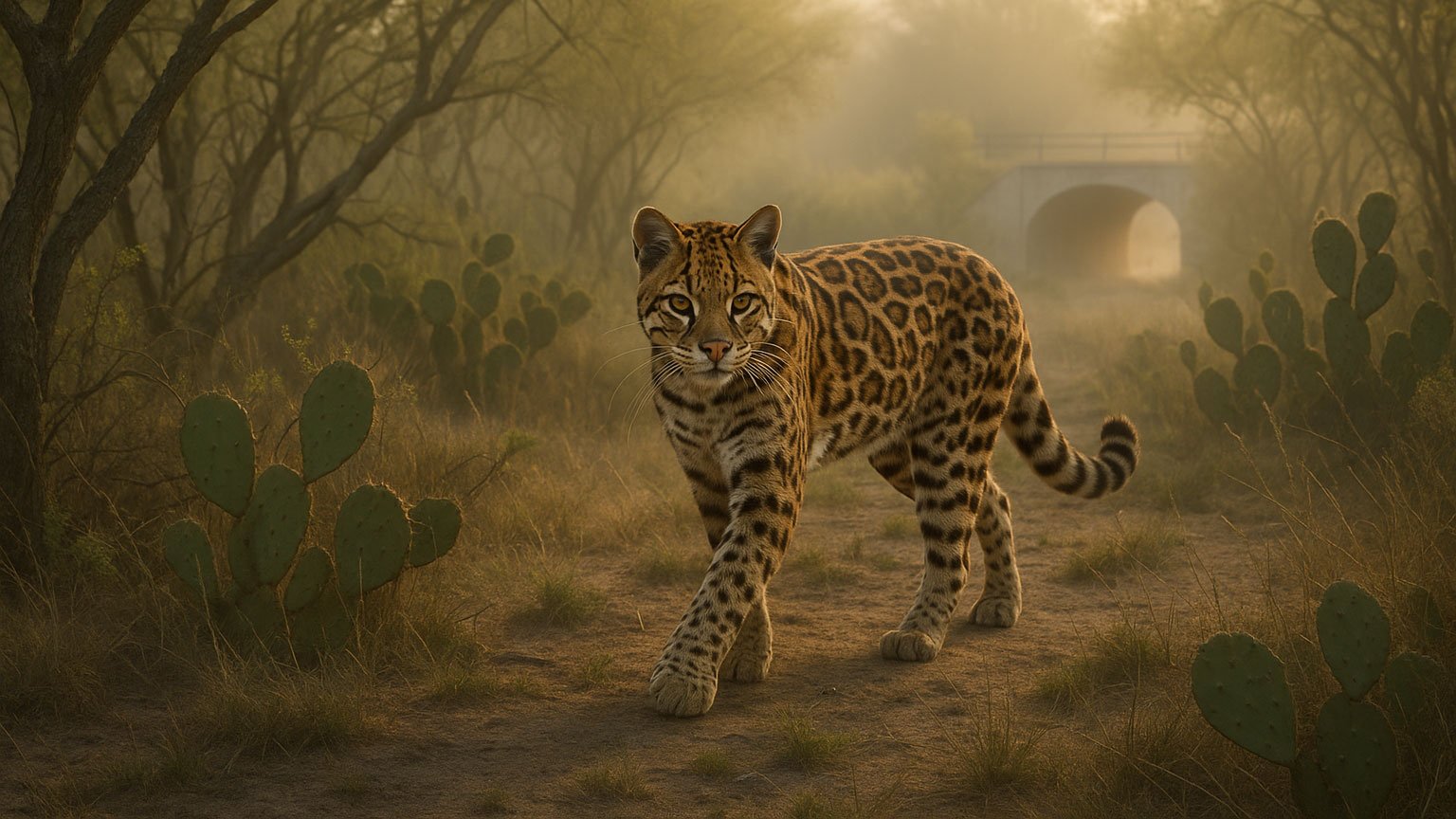
In 2016, Luis-Bernardo Vázquez and his research team from El Colegio de la Frontera Sur-SLCL made a startling discovery. Their camera traps captured images of an ocelot (Leopardus pardalis), a wildcat that had never been documented on the island before. This discovery presented a profound Conservation Paradox: a species can be a high-priority conservation target in its native range while simultaneously being a destructive "unwanted threat" in a new environment.
Global Range Status: Ocelots are declining across their range from Texas to Uruguay; they are listed as Endangered and are legally protected in both the United States and Mexico to prevent extinction.
Cozumel Island Status: On the island, the ocelot is considered an Invasive Threat; it is an apex hunter with no natural competitors, capable of decimating endemic populations that have no experience with such a predator.
Beyond the curiosity of its arrival, the ocelot represents a biological mismatch that challenges our traditional views on conservation.
4. The Vulnerability Gap: Why New Predators are Deadly
The appearance of the ocelot shatters the island's peace in a way that is difficult to overstate. While only one ocelot has been detected so far, the urgency stems from the lessons learned by other introduced species. Predators like the margay (Leopardus wiedii) and the boa constrictor (Boa constrictor) have already established breeding populations on Cozumel, turning the island’s evolutionary history against its residents.
The introduction of these predators poses three primary threats:
Exploitation of "Island Tameness": Because the dwarf peccary and Cozumel curassow lack a natural fear response to felines or large snakes, they are "easy targets" for these efficient hunters.
Irreversible Population Collapse: For endemic species with already small populations, even a single predator can cause a localized extinction before the species has time to adapt.
The Risk of a Breeding Foothold: While the margay and boa are already established, the primary goal regarding the ocelot is to prevent the establishment of a second individual, which would lead to a permanent, self-sustaining population of hunters.
By understanding this gap, learners can appreciate that the impact of a predator depends entirely on the evolutionary history of the habitat it enters.
5. The Human Fingerprint and the Future of Cozumel
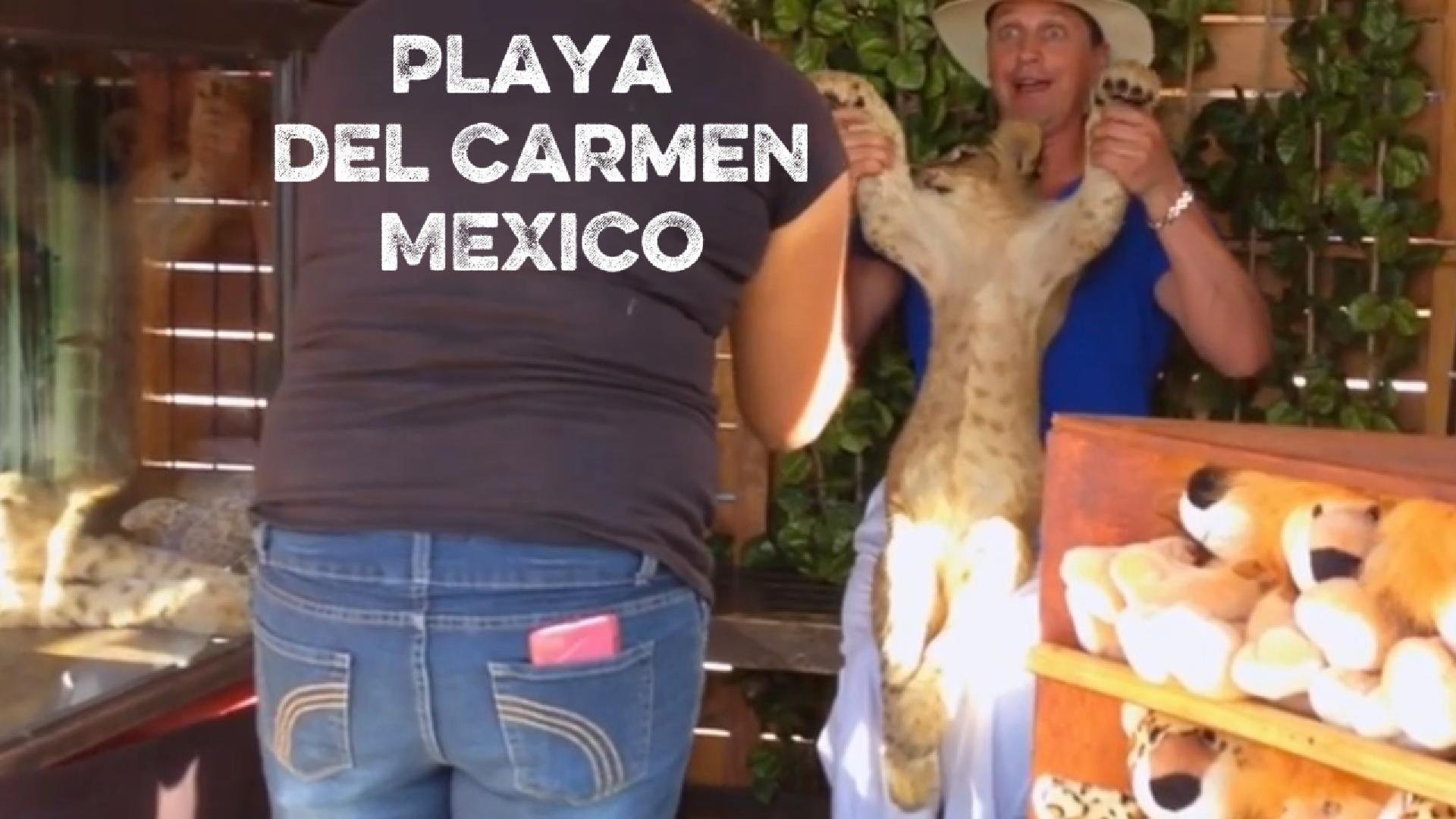
The ocelot did not reach Cozumel by swimming across the Caribbean. Luis-Bernardo Vázquez notes that the "human fingerprint" is likely responsible. The animal may have been an illegal pet that escaped or was intentionally released, or it may have been brought over for use in tourism attractions.
Addressing this crisis requires more than just biology; it requires a choice about what we value. As David Will of Island Conservation explains, "Cozumel's ocelot shows how conservation isn't just about species, it's about values. The real challenge isn't the cat; it's navigating competing conservation priorities in a rapidly changing world."
Conservation Call to Action
Vigilant Monitoring: Expand the use of camera traps, transects, and road surveys by teams like those at El Colegio de la Frontera Sur-SLCL to detect new arrivals early.
Strategic Management: Prioritize the removal of individual invasive predators before they can find mates and establish breeding populations.
Stricter Biosafety: Implement rigorous controls at ports and within the tourism industry to prevent the illegal trade and transport of exotic wildlife to the island.
6. Conclusion: Navigating a Changing World
The situation on Cozumel forces us to confront a difficult reality: protecting the "rare" is not always straightforward. We are currently navigating a conflict between the survival of a globally endangered cat and the survival of an entire suite of endemic species found nowhere else on the planet. To ensure that the Cozumel curassow and the dwarf peccary continue to roam their island home, we must commit to constant monitoring and a clear-eyed understanding of the ecological risks posed by human-driven introductions.
Reflection Point: If a species is endangered globally but threatens to wipe out an entire island's unique evolutionary history, how should conservationists decide which life to prioritize?