Cloud Jaguars
Above the Clouds: What a Rare High-Altitude Discovery Tells Us About the Future of the Jaguar
An Unexpected Guest at 7,000 Feet
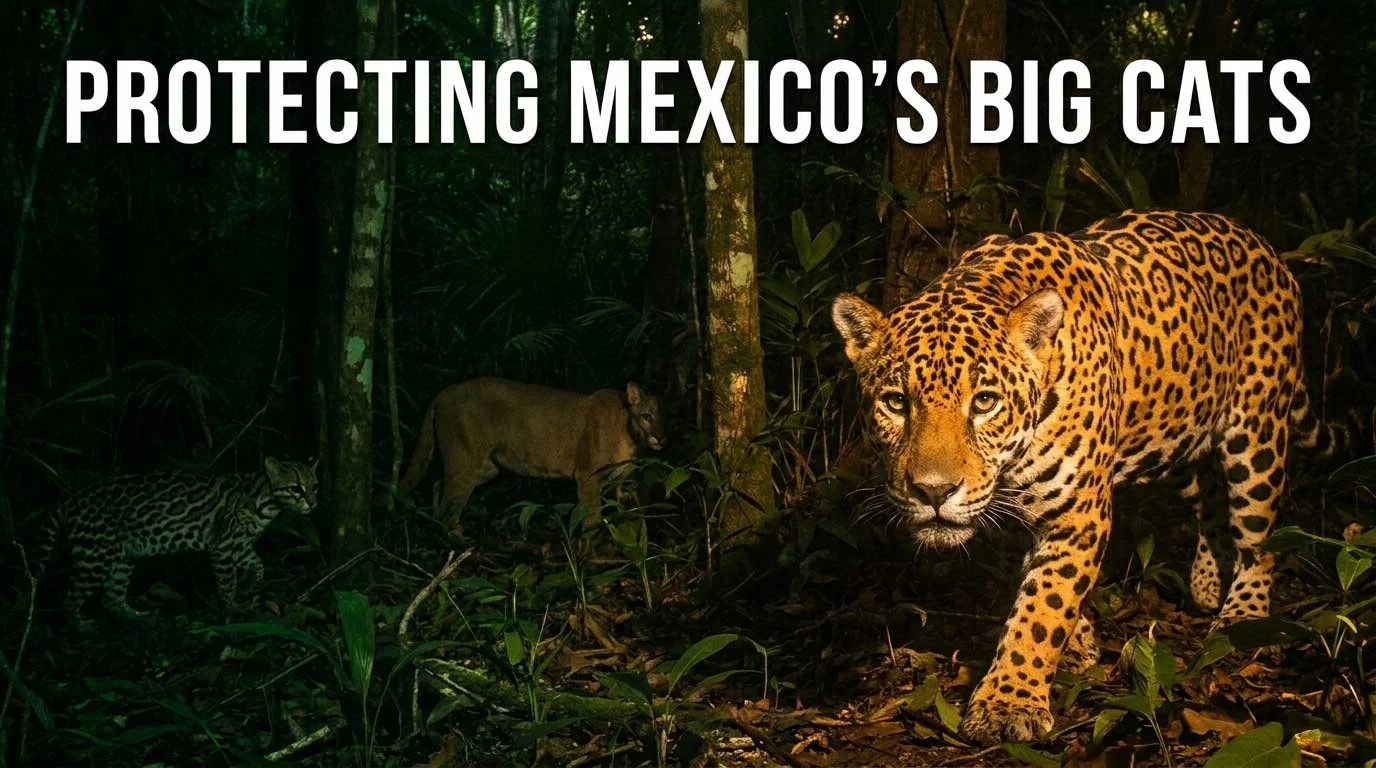
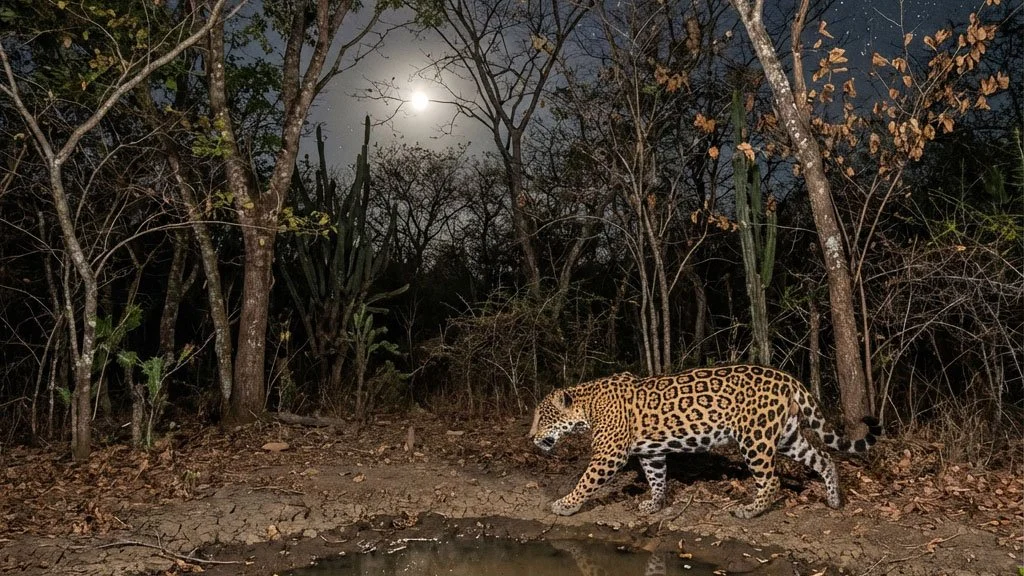
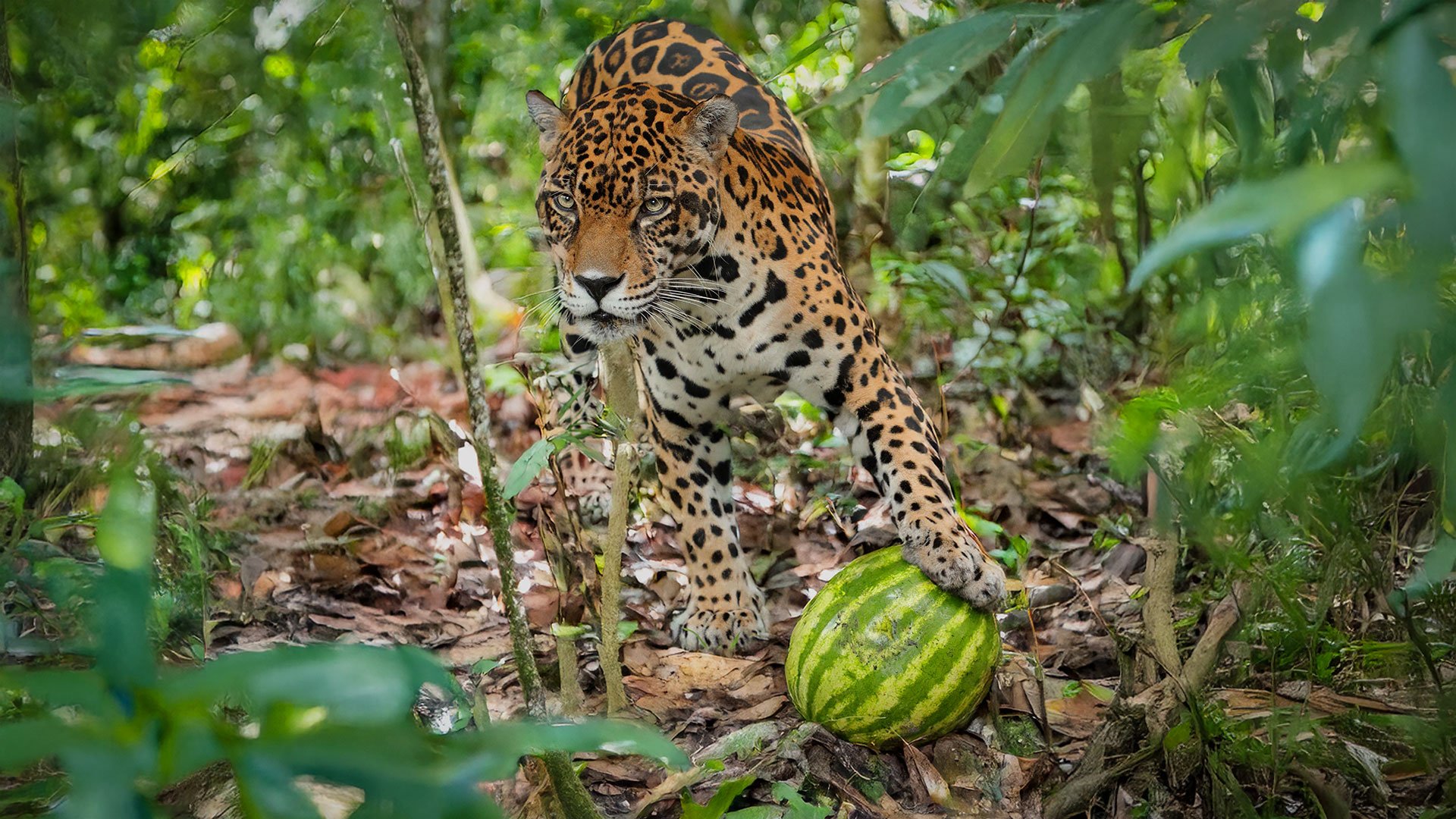
The Sierra del Merendón is a world of bone-chilling mists and razor-thin air. Here, in the rugged highlands of Honduras, the humidity of the tropical lowlands is replaced by a persistent, damp cold that clings to the ancient oaks and moss-covered stones. It is an environment that feels entirely alien to the apex predator of the Americas. Yet, on February 6th, the silent vigil of a remote camera trap was broken. In the flicker of a lens, a healthy young male jaguar emerged from the fog, stepping into frame at a staggering 2,200 meters (roughly 7,200 feet).
This sighting was a ghost story made real. It occurred almost ten years to the day after the first recorded glimpse of a jaguar in this specific location. To the casual observer, it is a striking photograph; to a conservationist, it is a flare sent up from the wilderness. This young male’s presence in the clouds is a powerful signal of resilience, forcing us to reconsider the boundaries of where these cats can survive and how desperately they need us to protect their secret highways.
The Rise of the "Cloud Jaguar"
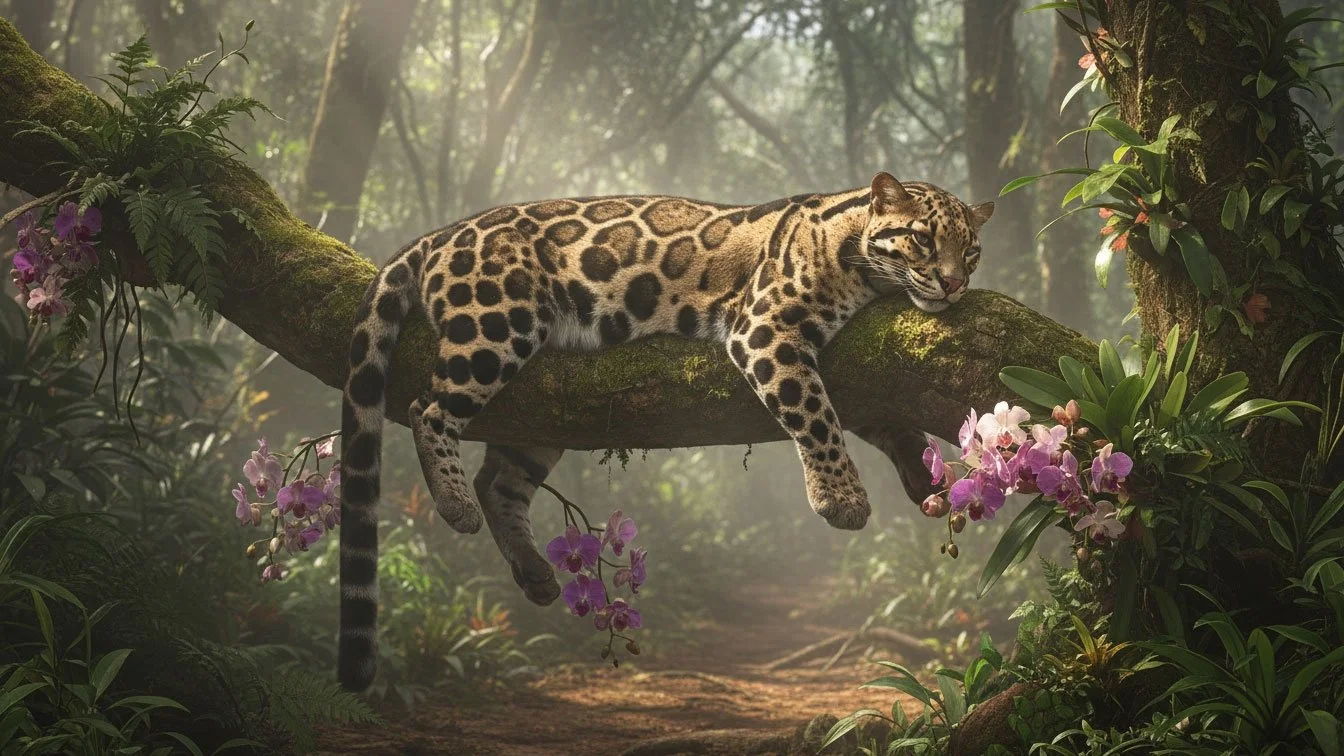
In the specialized language of conservation, we have begun to speak of the "cloud jaguar"—those rare individuals that ascend into the high-elevation cloud forests far above their traditional haunts. Most jaguars (Panthera onca) are residents of the sweltering lowlands, rarely venturing above 1,000 meters. This sighting at 2,200 meters represents an elevation more than double the species' typical limit.
This climb is not merely a change in scenery; it is a testament to the jaguar’s refusal to be hemmed in. As the sweltering forests below are squeezed by human expansion, the "cloud jaguar" suggests an adaptable spirit, finding sanctuary and passage in the most unlikely of places.
"The fact that they're able to travel through these high elevation areas also shows how resilient they are," says Allison Devlin, director of the jaguar program for the wildcat conservation NGO Panthera.
Nature’s Hidden Highways: The Power of Corridors
The Sierra del Merendón is far more than a mountain range; it is a vital biological artery. It serves as a high-altitude bridge connecting Honduras and Guatemala, a small but essential link in a historical range that once stretched unbroken from Mexico to Argentina.
For a young male like the one caught on camera, these mountains are a highway to the future. Conservationists celebrate this sighting because of "functional connectivity"—the ability of wildlife to move between isolated patches of habitat. When a young cat can navigate these peaks to find a mate in a distant territory, he brings with him the "genetic health" necessary to stave off the slow death of inbreeding. He is not just a cat on a mountain; he is a mobile reservoir of the species' survival.
The Unconventional Threats: From Drugs to Deforestation
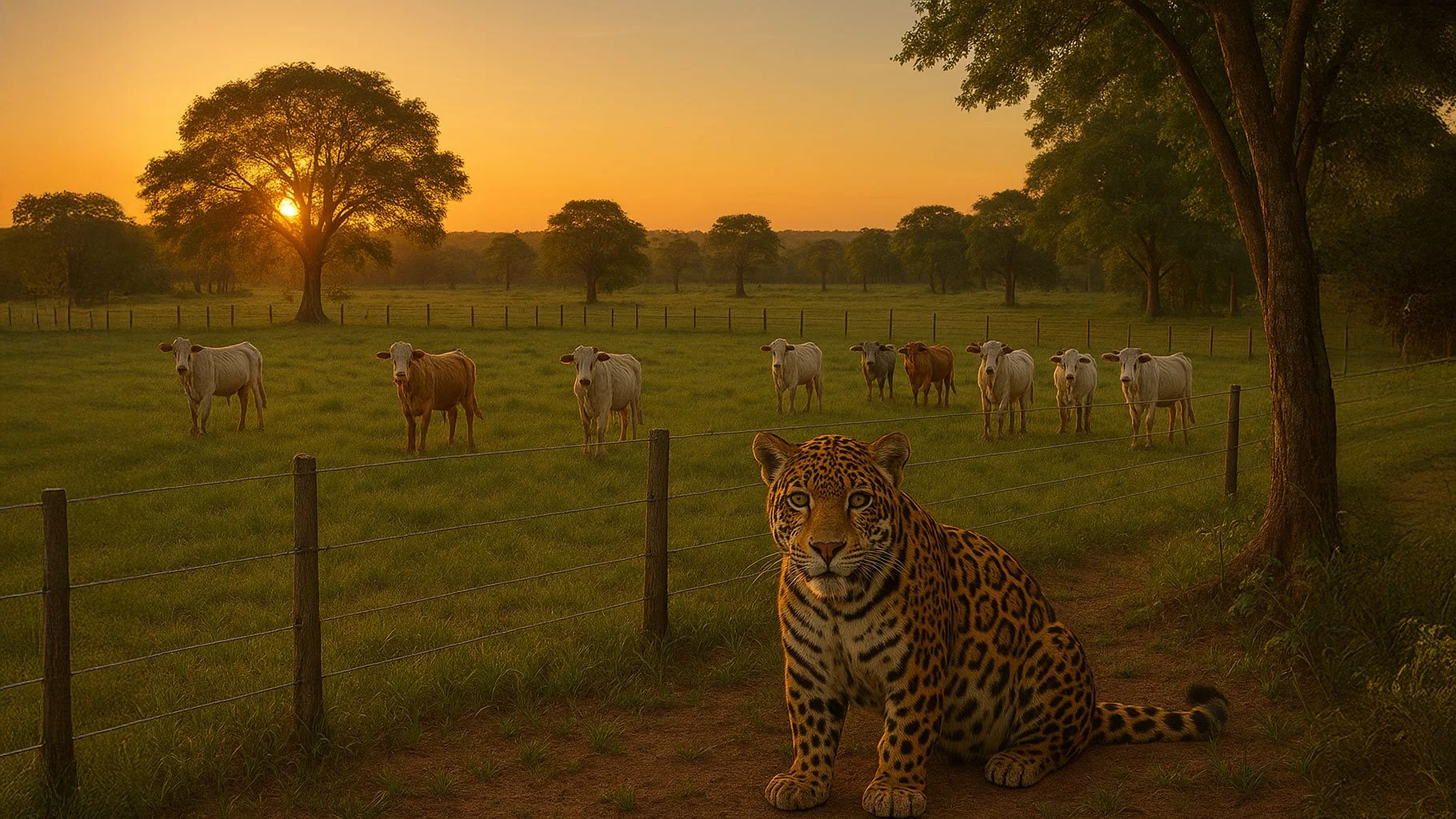
Despite their hardiness, jaguars are fighting a losing war on multiple fronts. Over the last two decades, their population has plummeted by 20–25%, earning them a "near threatened" status on the IUCN Red List. We often talk about the obvious culprits: ranching, mining, and the climate-driven fires that are currently parching the wetlands they call home.
However, there is an invisible, more sinister barrier. Jaguars are caught in the crossfire of the global "war on drugs." In a staggering irony of geography, drug-producing and trafficking groups operate in more than two-thirds of all jaguar habitat. This turns vast wilderness corridors into geopolitical battlefields, where the world’s third-largest feline must dodge not only poachers and habitat loss but the violent infrastructure of human conflict. These high-altitude sightings are miraculous precisely because the cats must navigate a gauntlet of human shadow-economies to reach the safety of the clouds.
A Radical Defense: 8,000 Soldiers and the Jaguar 2030 Roadmap
For too long, conservation was a matter of "paper parks"—protected areas that existed on maps but lacked protection on the ground. The urgency of the situation was highlighted in a 2021 WWF report, which noted that "minimal progress" had been made in the years following the launch of the Jaguar 2030 Roadmap.
The response in Honduras has been appropriately radical. Recognizing that treaties alone cannot stop a chainsaw, the government has pledged to end deforestation by 2029 by deploying 8,000 soldiers to the front lines of forest protection. This is the physical muscle required to support international frameworks like the 2026 renewal of the Jaguar 2030 Roadmap at the Convention on Migratory Species (CMS) meeting.
While governments provide the soldiers and the laws, organizations like Panthera provide the strategy. They are reintroducing prey species like peccaries to restore the food chain and running anti-poaching patrols to ensure that when a jaguar makes the arduous climb into the Merendón, he finds something to eat—and a safe path forward.
The Ripple Effect: Predators as Protectors
There is a profound, poetic irony in our struggle to save the jaguar. We often view ourselves as their protectors, but in truth, they are ours. As an apex predator, the jaguar regulates the health of the entire ecosystem. By keeping prey populations in check, they act as a biological shield against zoonotic diseases—those pathogens that jump from wildlife to humans when ecological balances are shattered.
A "cloud jaguar" on a high-altitude peak is a guardian of the valleys below. By maintaining the integrity of the mountain forests, these predators protect the water sources and the air quality of the human communities that live in their shadow. To save the jaguar is not an act of charity; it is a fundamental act of human self-preservation.
Conclusion: A Glimpse into the Future
The young male of the Sierra del Merendón has vanished back into the mist, but his image remains a beacon of possibility. His journey proves that the "high-altitude highways" still work, provided we are brave enough to keep them open.
As the jaguar climbs higher to escape a changing world, we are faced with a definitive choice. Will we meet them halfway with the protection and political will they deserve, or will we sit back and let the highways to their future be cut off forever? The next decade of sightings will be the ultimate judge of our resolve.
Source: https://news.mongabay.com/2026/04/rare-high-altitude-jaguar-sighting-in-honduras-raises-hope-for-conservation/