Poisonous Plants
The Green Killer in Your Living Room: Why Your Cat Doesn't Know Better (and Which Plants to Ban Today)
1. The Evolutionary Blind Spot
We all want that Pinterest-perfect home—the "clean aesthetic" of a sun-drenched living room overflowing with lush Monstera and cascading Pothos. But as a feline health advocate, I have to give you a reality check: that Instagram-worthy urban jungle could be a lethal minefield for your cat. The heartbreak of an emergency vet visit is a high price to pay for a trendy centerpiece.
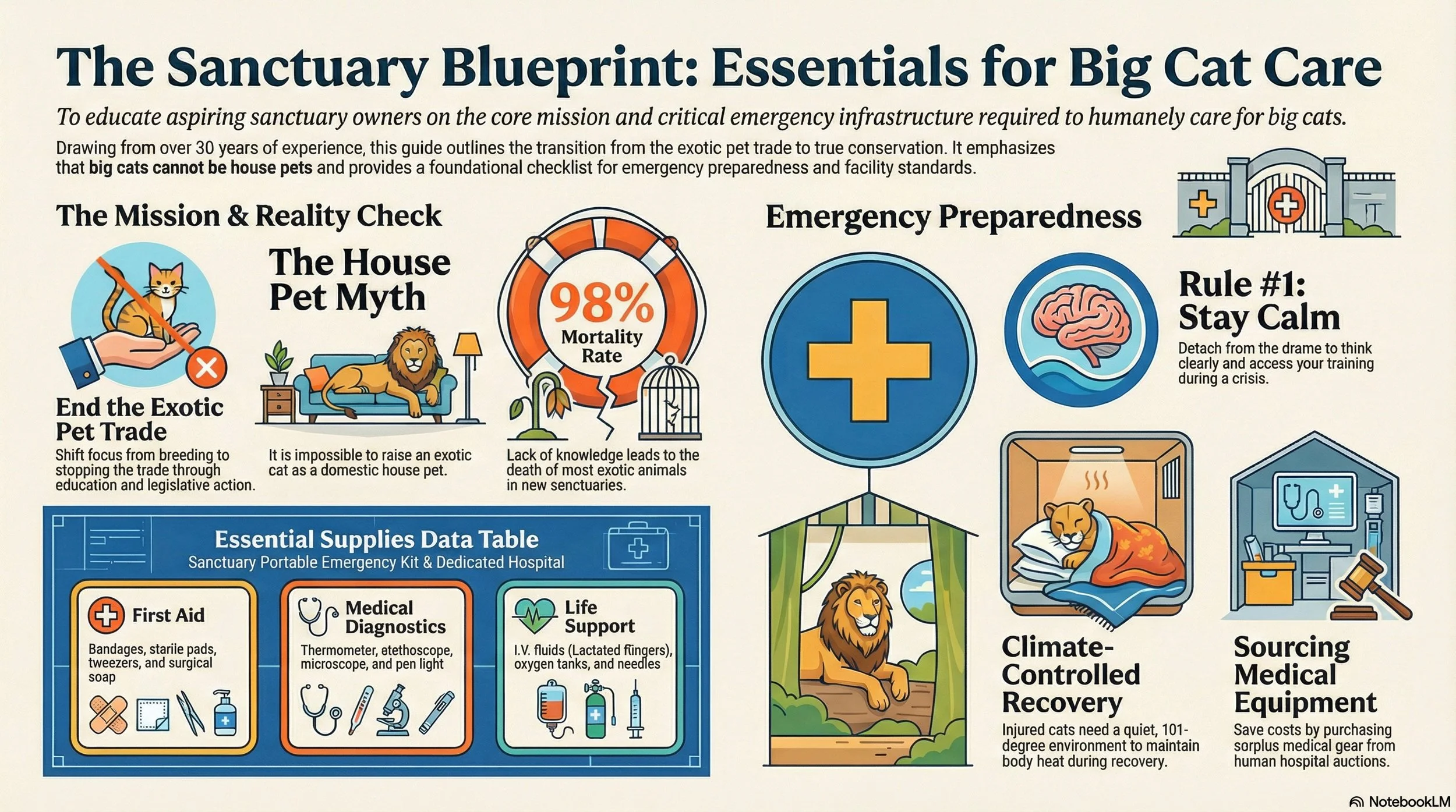
You might think your cat’s primal instincts would steer them away from danger. Unfortunately, as Jackson Galaxy often reminds us, cats are "obligate carnivores." Unlike pasture-roaming animals like horses, which evolved an innate sense for safe grazing, cats evolved to hunt prey, not forage for greens. They simply lack the evolutionary "mojo" to identify toxic flora. This biological blind spot applies to every feline on the planet, whether it's a 10-pound tabby in a studio apartment or a 400-pound tiger in a sanctuary. If it’s green and it’s there, they might bite it—and they won't know it’s a mistake until it’s too late.
2. Takeaway #1: The "One-Lick" Killer (The High-Stakes Toxicity of Lilies)
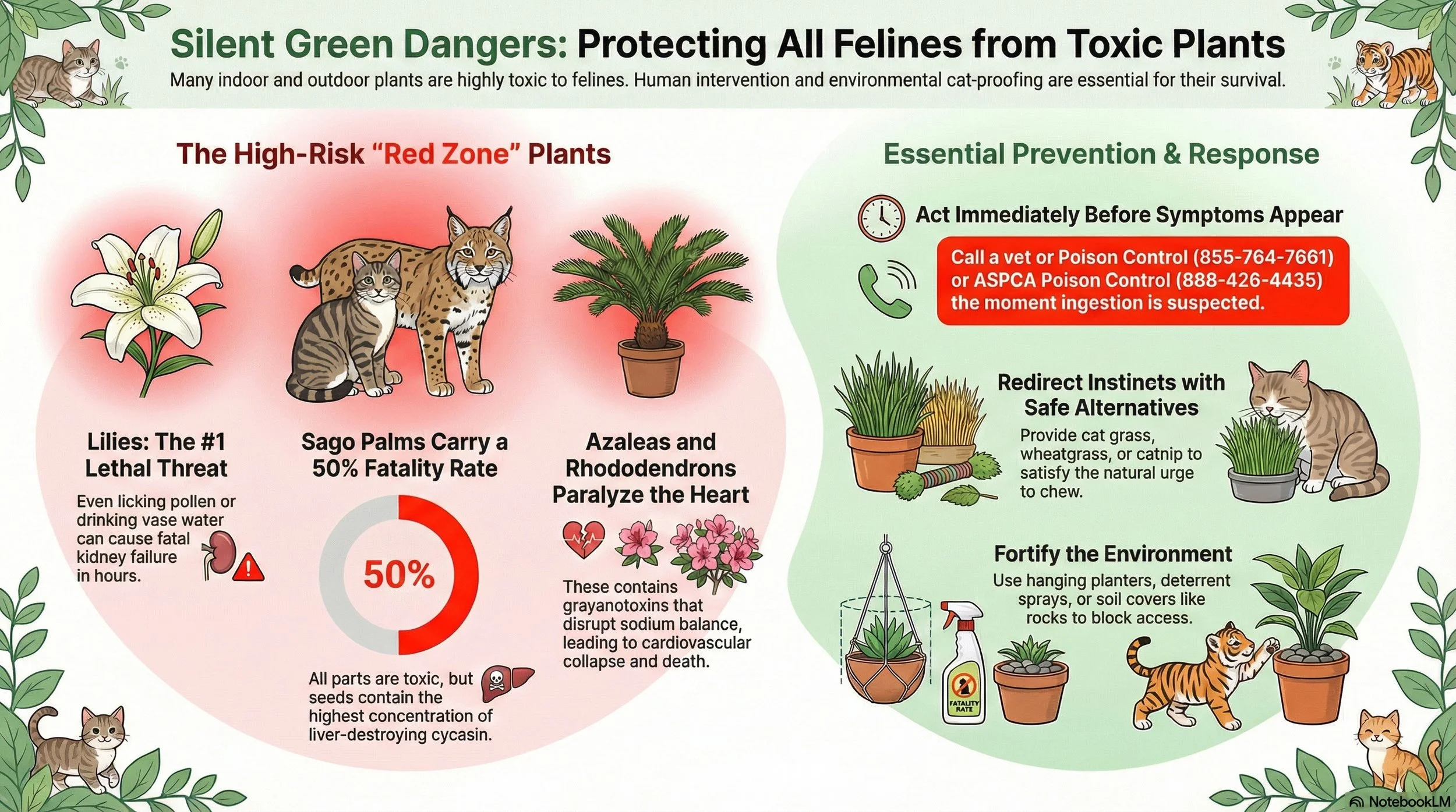
If you take only one thing from this guide, let it be this: True lilies (Asiatic, Easter, Stargazer, Tiger, Daylilies) have no place in a cat-lover's home. Lilies are the ultimate high-stakes hazard because they don't require your cat to be a "nibbler" to cause total organ failure.
As Dr. Tina Wismer, Senior Director of Toxicology at the ASPCA, warns: "Ingestion of any part of the plant, or even the pollen, can cause kidney failure... even just licking the pollen from the flowers or drinking water from the vase of lilies can spell death for a cat."
The Lethal Reality: Acute, potentially fatal kidney failure.
The Advocate’s Rule: There is no "safe" place for a lily in a house with a cat. Even a single petal or a dusting of pollen on their fur can be a death sentence.
3. Takeaway #2: The 50/50 Gamble (The Deadly Sago Palm)
The Sago Palm (Cycads) is a darling of tropical landscaping and chic interior design, but it is scientifically one of the most "lethal" plants your cat can encounter. It contains cycasin, a brutal toxin that attacks the liver with terrifying speed.
The most visceral truth? Even with aggressive, top-tier veterinary intervention, the survival rate is only 50%. The seeds are the deadliest part of the plant, containing the highest concentration of toxins.
Clinical Warning: Ingestion leads to hemorrhagic gastroenteritis (bloody vomiting and diarrhea), jaundice (yellowing of the skin/eyes), bruising, and total liver failure.
4. Takeaway #3: The Grooming Liability (The Hidden Danger on the Fur)
Most owners worry about their cats eating plants, but your cat’s natural hygiene is actually their biggest liability. This is the "Grooming Trap": a cat brushes against a plant, toxins or seeds stick to their coat, and they ingest the poison while cleaning themselves.
According to Cats Protection, this is a primary cause of poisoning in seemingly "picky" eaters. You must look beyond the leaves and consider the "Grooming Hazards" that can hitch a ride on your pet:
Sticky Sap: Found in varieties like Ficus or Dieffenbachia; it irritates the skin and is swallowed during grooming.
Pollen: Especially from Lilies and Tulips; it clings to fur like dust.
Spiky Seeds: Wood avens or grass spikes can become painfully lodged in ears, noses, and paws, leading to infection or internal migration.
Systemic Irritants: Brushing against Chrysanthemums or English Ivy can cause skin inflammation (dermatitis) that the cat then licks, leading to systemic poisoning.
5. Takeaway #4: Wild & Domestic—The Shared Risk
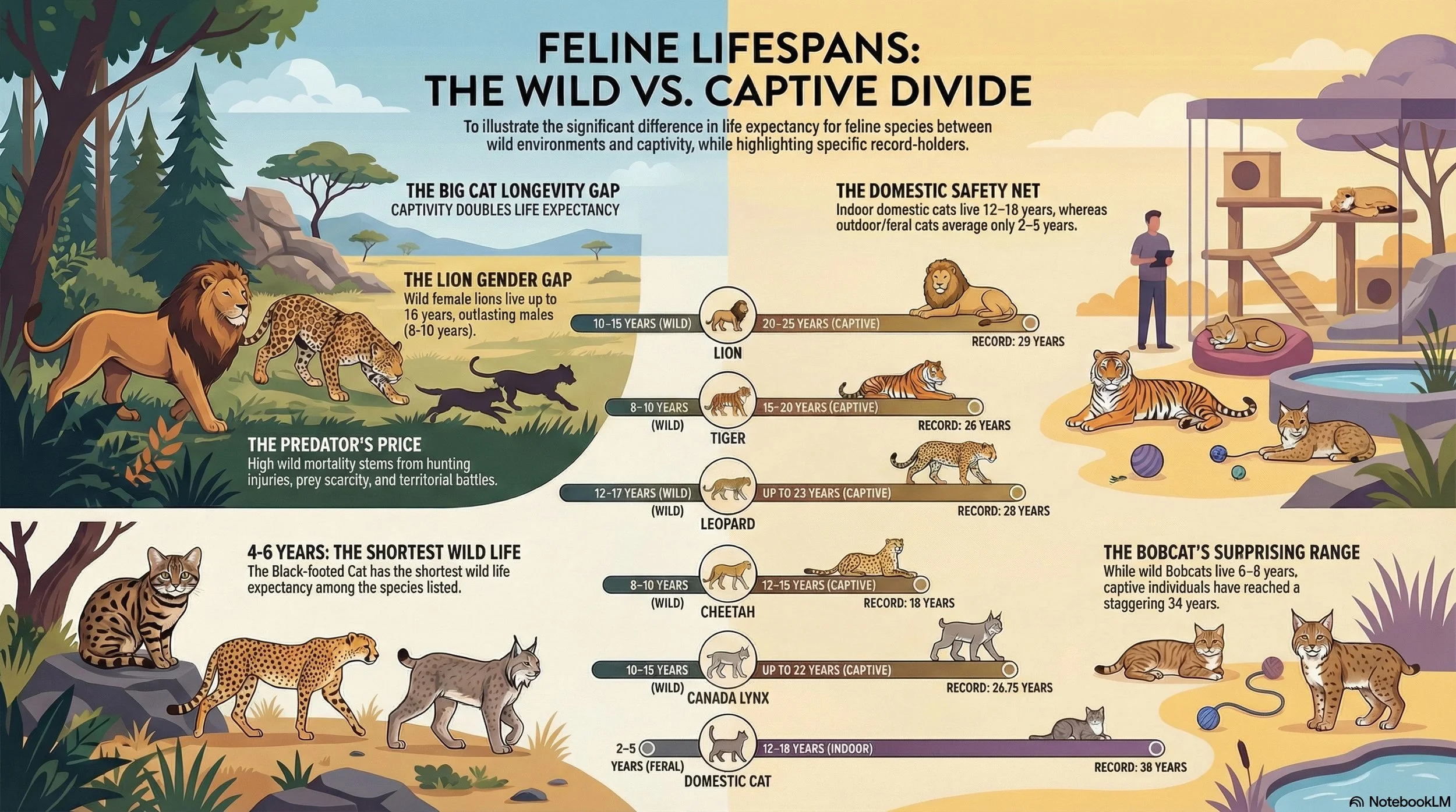
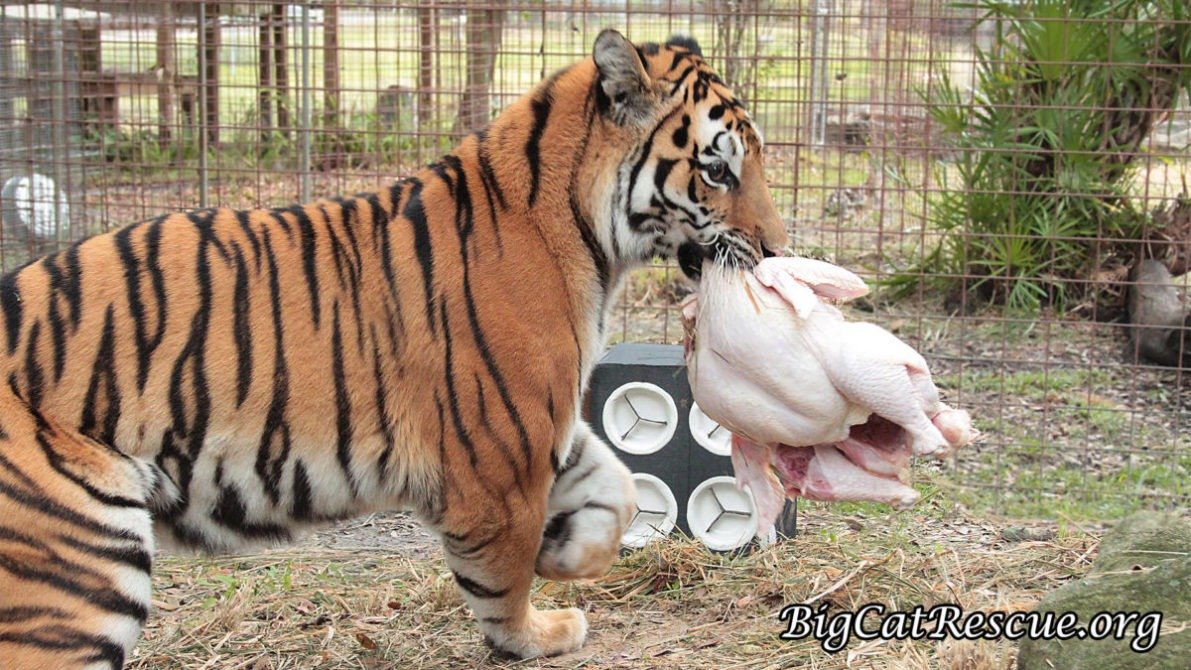
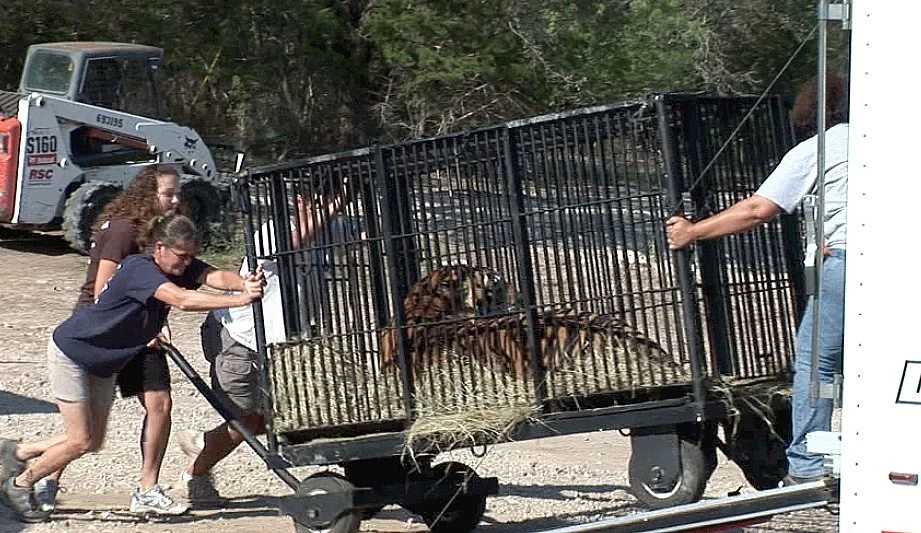
It is a dangerous myth that "exotic" cats are hardier than our domestic companions. Data from Big Cat Rescue proves that the internal biology of a tiger and a tabby are nearly identical when it comes to toxicology. Sanctuary environments must be managed with the same botanical scrutiny as a nursery.
Dr. Safdar Khan, a renowned veterinary toxicologist, emphasizes that these plants are high-risk across the board. Whether it’s a house cat or a sanctuary resident, ingestion of toxins like cardiac glycosides can lead to cardiovascular collapse and central nervous system depression. Toxicity doesn't care about the size of the cat; the systemic effects are equally devastating.
6. The Ultimate Feline-Safe "No-Fly" List
If you are a cat guardian, these plants are strictly prohibited. I’ve included the specific toxins to help you understand the expert-level risks involved:
Common Houseplants
Monstera & Philodendron: Insoluble calcium oxalate crystals (oral pain/swelling).
Pothos: Calcium oxalates.
Snake Plant & Aloe Vera: Saponins (digestive upset/lethargy).
Jade Plant: Mildly toxic; causes unsteadiness and vomiting.
Dieffenbachia: Known as "Dumb Cane" for its ability to swell the throat.
Kalanchoe: Contains Bufadienolides (can lead to heart arrhythmia).
Garden & Outdoor Favorites
Azaleas & Rhododendrons: Grayanotoxins (affects heart and nerve function).
Oleander: Cardiac Glycosides (fatal heart abnormalities).
Chrysanthemums (Mums): Sesquiterpene lactones and pyrethrins.
English Ivy: Pentacyclic terpenoids.
Foxglove & Castor Bean: Highly concentrated toxins; the seeds are lethal.
Spring Bulbs & Seasonal Hazards
Lilies: Total kidney failure.
Daffodils (Narcissus): Contains Lycorine (convulsions and low blood pressure).
Tulips & Hyacinth: Tulipalin A and B (bulbs are highly concentrated).
Cyclamen: Saponins (heart rhythm failure and seizures).
Autumn Crocus: Colchicine (organ failure).
Amaryllis, Mistletoe, & Holly: Significant GI and systemic risk.
Poinsettias: Mild toxicity/irritant (causes drooling/discomfort but rarely fatal).
Pine Needles: Mildly toxic, but the sharp edges can puncture intestines.
Surprising Additions
Marijuana: THC (causes ataxia, tremors, and urinary incontinence).
Daisies: Pyrethrins (neurotoxins).
Alfalfa: Systemic risk.
Fruit Seeds/Pits: Seeds of Apples, Apricots, and Cherries (cyanide risk).
7. Takeaway #5: Sanctuary Solutions (Proactive Prevention)
"Cat-proofing" is about more than just clearing the shelves; it’s about creating an environment where your cat can express their "mojo" safely.
The Safe Alternative: Provide organic cat grass (wheatgrass or oat grass) to satisfy the natural urge to chew.
The Deterrent Toolkit: Use citrus-based sprays on non-toxic plants (cats hate the smell). For stubborn explorers, use motion-activated air blasters to discourage them from jumping onto plant-heavy surfaces.
Indoor Enrichment: Reduce "boredom-induced nibbling" with structured play sessions and puzzle feeders.
Soil Management: Cats are often attracted to the soil and fertilizers. Discourage digging and contact by covering the soil with large rocks, aluminum foil, or even plastic forks (tines up).
Physical Barriers: Utilize hanging baskets, high wall-mounted shelves, or a dedicated "catio" to keep your cat away from garden hazards.
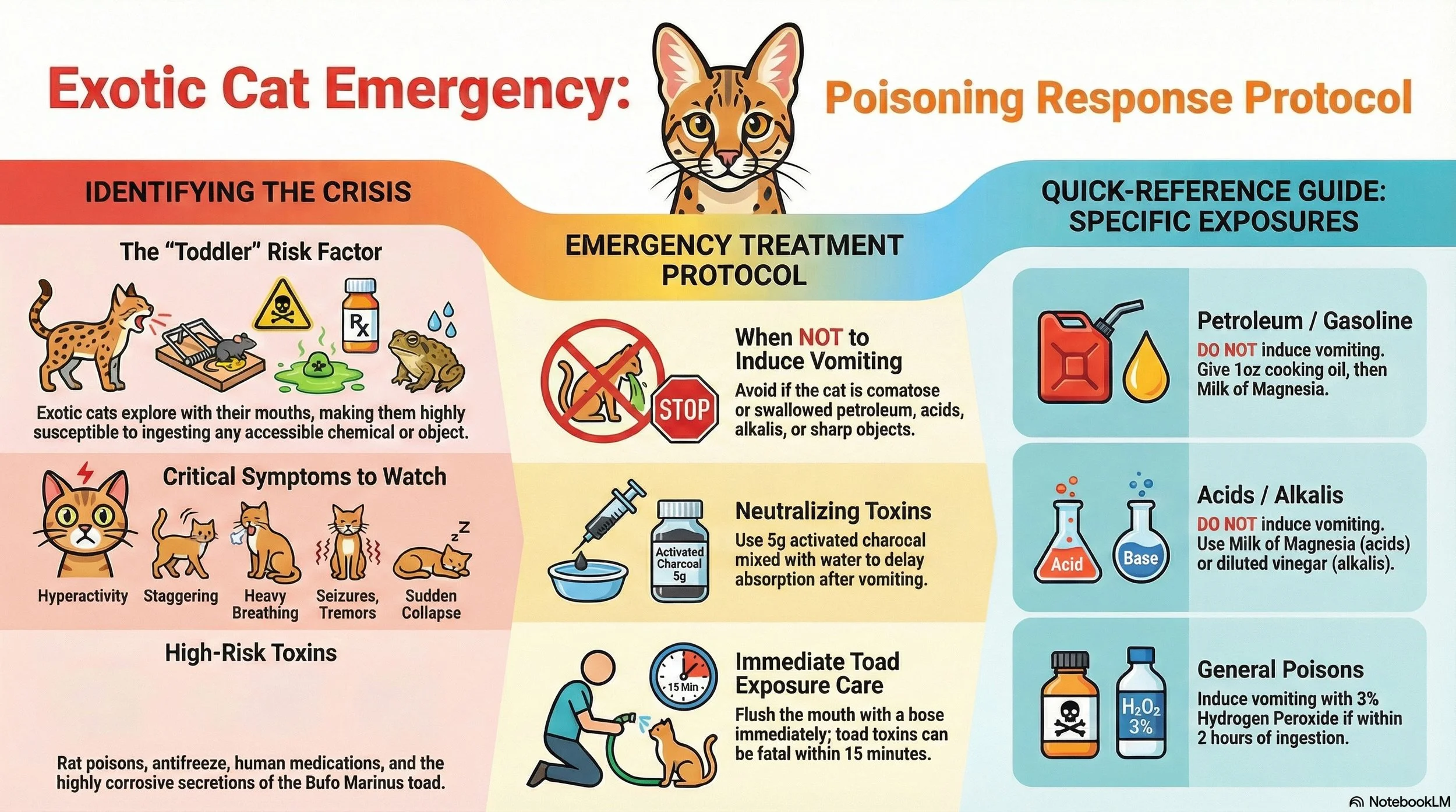
If you suspect your cat has touched or tasted a toxic plant, do not wait for symptoms. Take a photo of the plant and call immediately:
ASPCA Poison Control: 888-426-4435
Pet Poison Helpline: 855-764-7661
8. Conclusion: A Call to Vigilance
In our quest to bring the outdoors in, we must remember that our cats are captive to our choices. Their "wild" nature makes them curious, but their domestic environment is entirely of our making. As their guardians, we must ensure that beauty never comes at the expense of their lives.
Is your living room a sanctuary or a hazard? When it comes to feline health, the rule is absolute: Time is of the essence. Prompt intervention is the only thing standing between a minor stomach upset and a fatal diagnosis. If you aren't 100% sure a plant is safe, it doesn't belong in your cat's world. Period.