Lion

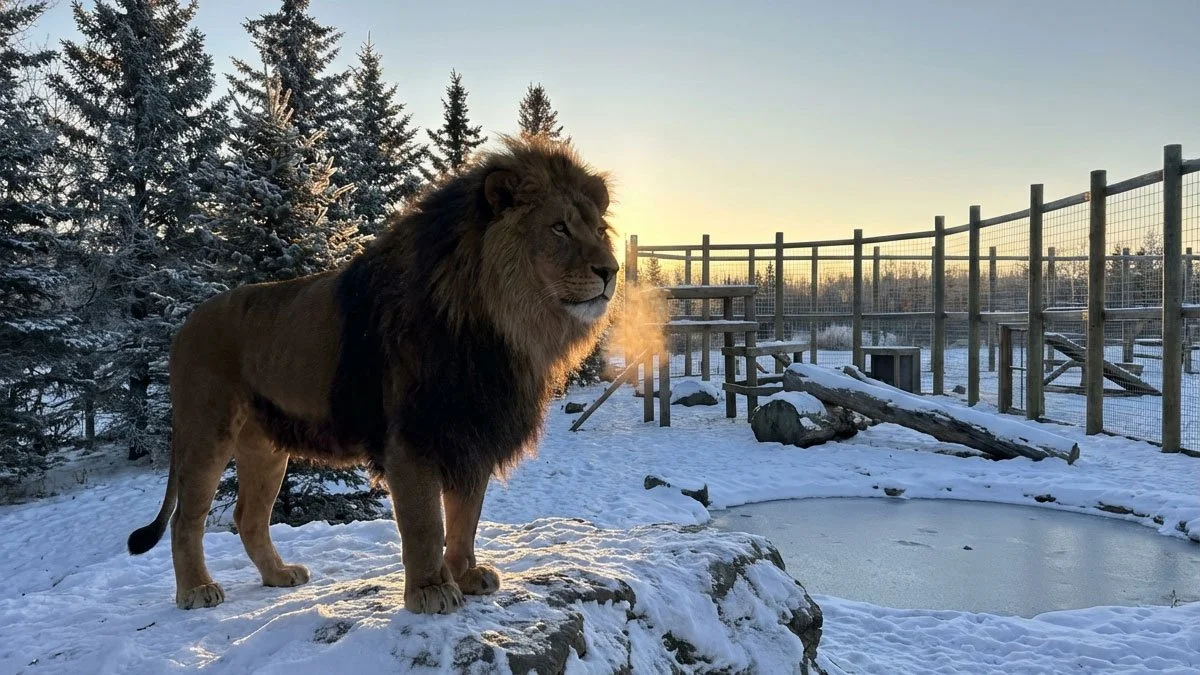
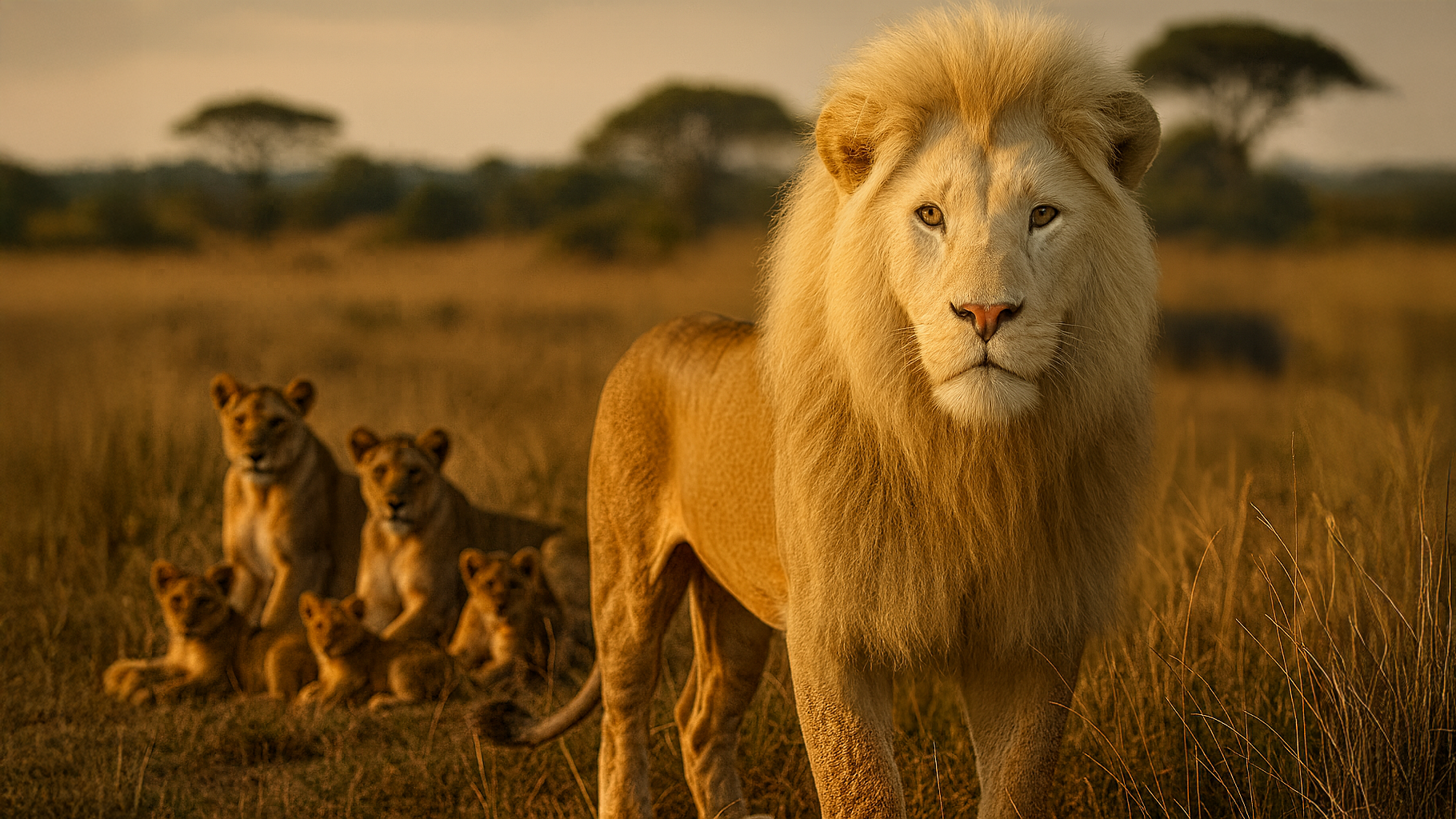
Lion with amber eyes gazing out over the plains
The lion, famously known as the "King of Beasts," is a powerful symbol of strength and majesty. As the only truly social member of the cat family, these magnificent predators play a vital role in maintaining the balance of their ecosystems. However, despite their iconic status, lions are facing a quiet crisis, with their numbers and habitat shrinking at an alarming rate.
Quick Facts
Kingdom: Animalia
Phylum: Chordata (Vertebrata)
Class: Mammalia
Order: Carnivora
Family: Felidae
Genus: Pantherinae Panthera
Scientific Name:Panthera leo
Subspecies:P. l. leo (found in West Africa, Central Africa, and India) and P. l. melanochaita (found in Southern and East Africa)
IUCN Status: Vulnerable (with the P. l. leo subspecies listed as Endangered)
Wild Population: Approximately 22,000 to 25,000 in Africa and roughly 670 in India
Life Expectancy: 12 to 16 years in the wild; up to 20 years in captivity
Social Group: Prides
Appearance
Lions are the second-largest felines in the world, surpassed only by the tiger. They are characterized by a uniform tawny or gold-colored coat, though cubs are born with dark rosettes that fade as they mature.
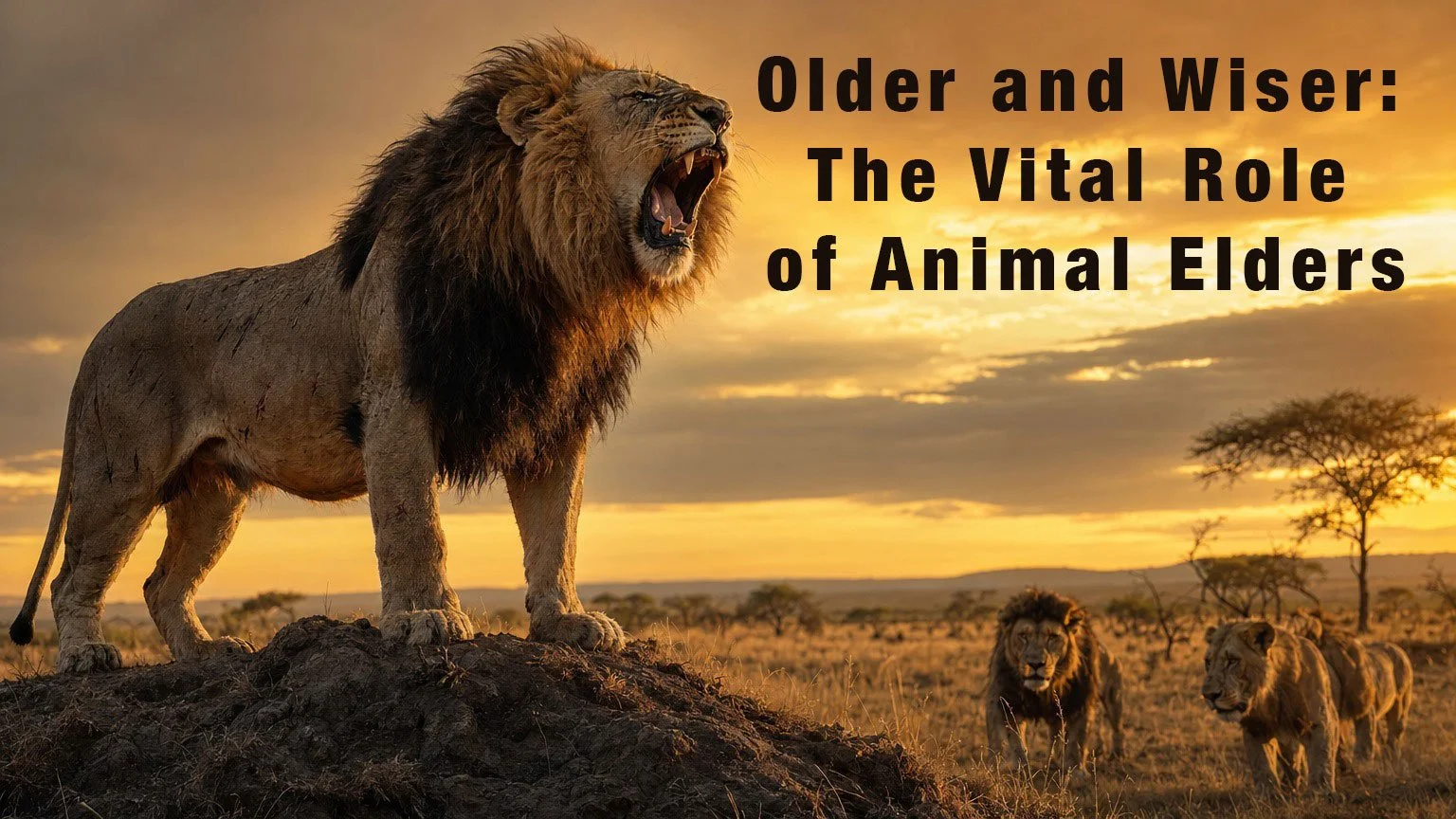
A unique feature of the lion is its high level of sexual dimorphism—the male and female look significantly different. Males are famous for their impressive manes, which range in color from blonde to black and grow more substantial with age and testosterone. These manes protect their necks during fights and signal health to potential mates. Both sexes possess a distinctive black tuft of hair at the end of their tails. Adult males typically weigh between 385 and 550 pounds, while females are smaller, weighing between 250 and 450 pounds.
See a playlist of this species at https://bigcatrescue.org/videos
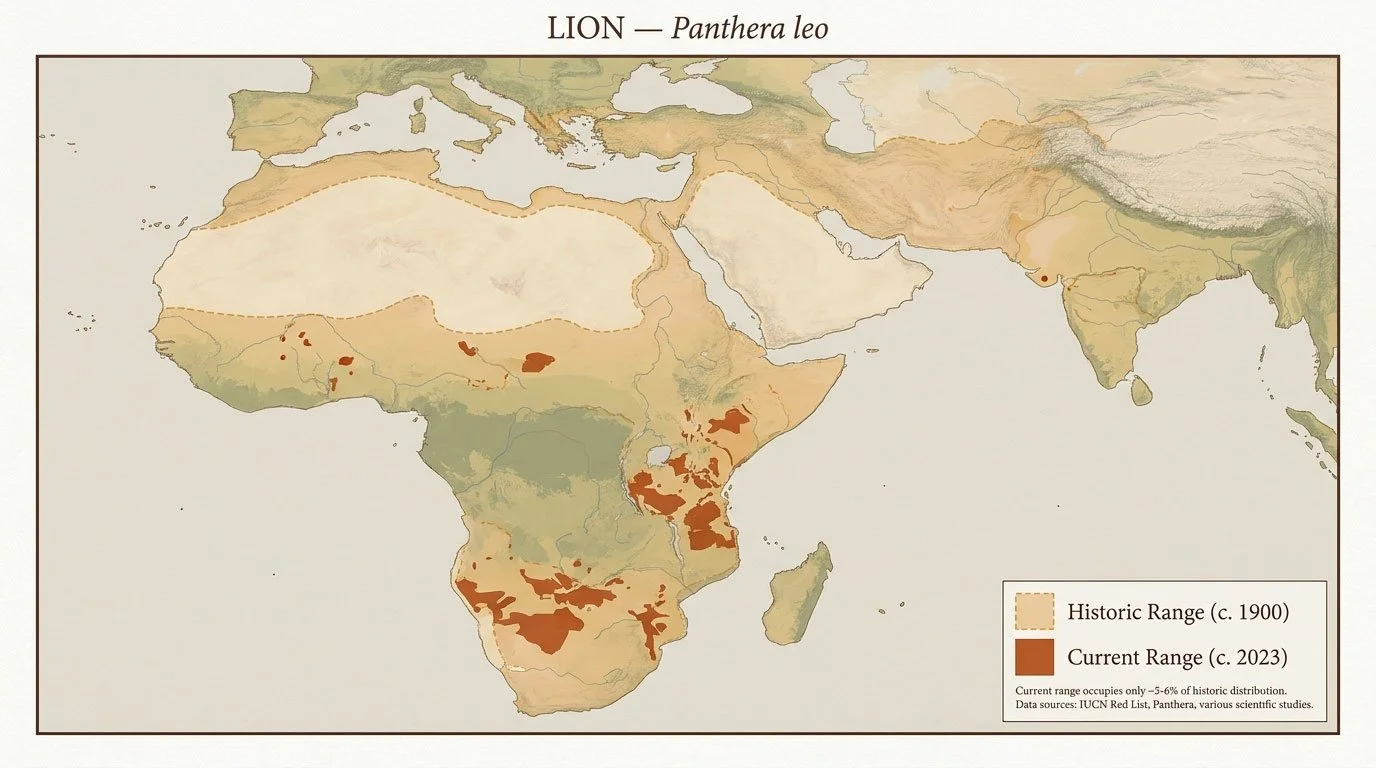
Lion-Range-Map
Habitat and Range
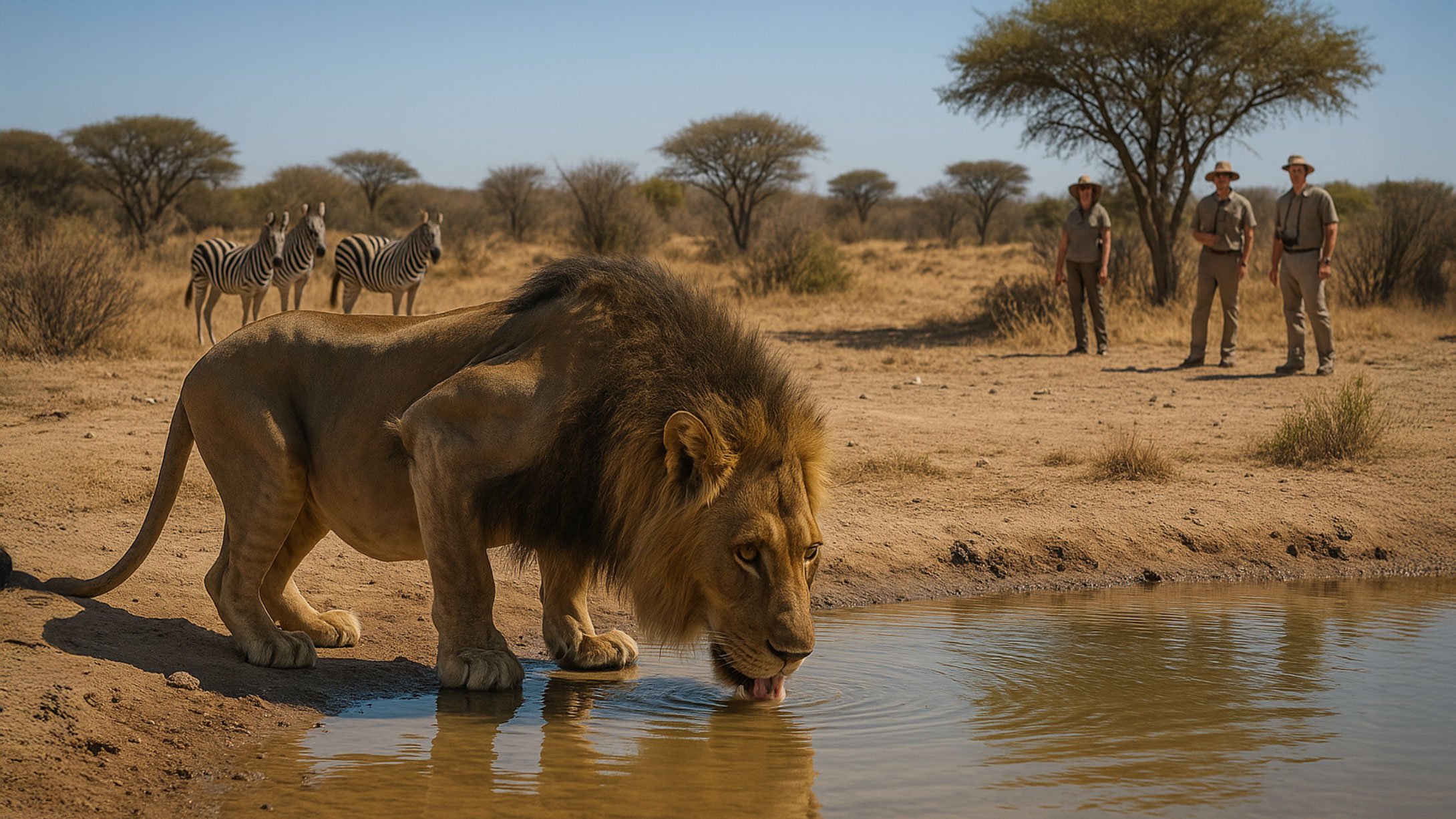
While lions are often called the "King of the Jungle," they do not actually live in rainforests. They prefer open woodlands, thick scrub, and vast grasslands. They are incredibly hardy and can survive in very arid environments, such as the Kalahari Desert, by sourcing moisture from their prey or plants like the tsama melon.
Historically, lions roamed across much of Africa, Eurasia, and even North America. Today, they occupy only about 6% of their historic range. In Africa, they are found in fragmented populations across 18 countries, with major strongholds in East and Southern Africa. In Asia, a single relic population of fewer than 700 individuals survives in the Gir Forest and surrounding landscapes of Gujarat, India.
Diet and Behavior
Lions are opportunistic apex predators. Their diet primarily consists of medium to large hoofed mammals, such as zebra, wildebeest, impala, and buffalo. In times of scarcity, they may hunt anything from small rodents to young elephants or rhinos.
Their social structure is the "pride," typically composed of related females, their offspring, and a coalition of one to seven males who defend the group's territory. Female lions are the primary hunters, often working in coordinated teams to bring down fast or large prey. However, males will step in to assist with particularly massive animals like Cape buffalo. Communication is vital for pride life; a lion’s roar is so powerful it can be heard from five miles away, serving as a warning to intruders and a way for pride members to locate one another.
Reproduction

There is no specific breeding season for lions; they reproduce year-round. Females in a pride often synchronize their births, which allows them to share cub-rearing duties. This communal nursery system ensures that any lactating mother can suckle any cub in the pride, increasing the chances of survival for the young.
A lioness gives birth to a litter of one to six cubs after a gestation period of approximately 110 days. Despite the protection of the pride, cub mortality is high, with less than half surviving their first year. Young males eventually leave their natal pride between ages two and four to become nomadic until they are strong enough to challenge for leadership of their own pride.
Threats
The survival of the lion is threatened by several human-driven factors:
Habitat Loss and Fragmentation: As human populations expand, wild spaces are converted into farmland, leaving lion populations isolated and vulnerable.
Prey Depletion: The illegal bushmeat trade is causing a collapse in the populations of the herbivores that lions rely on for food.
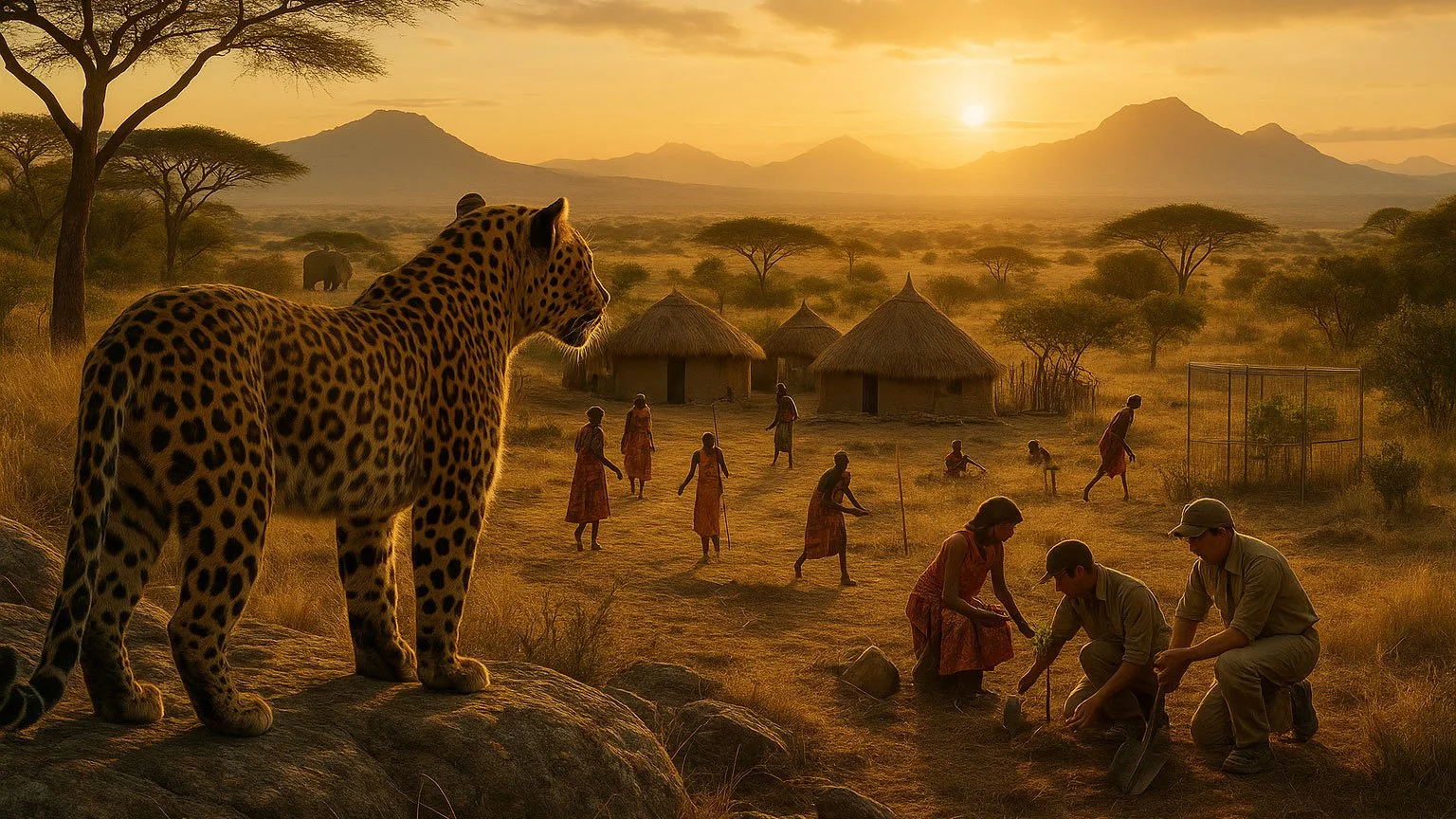
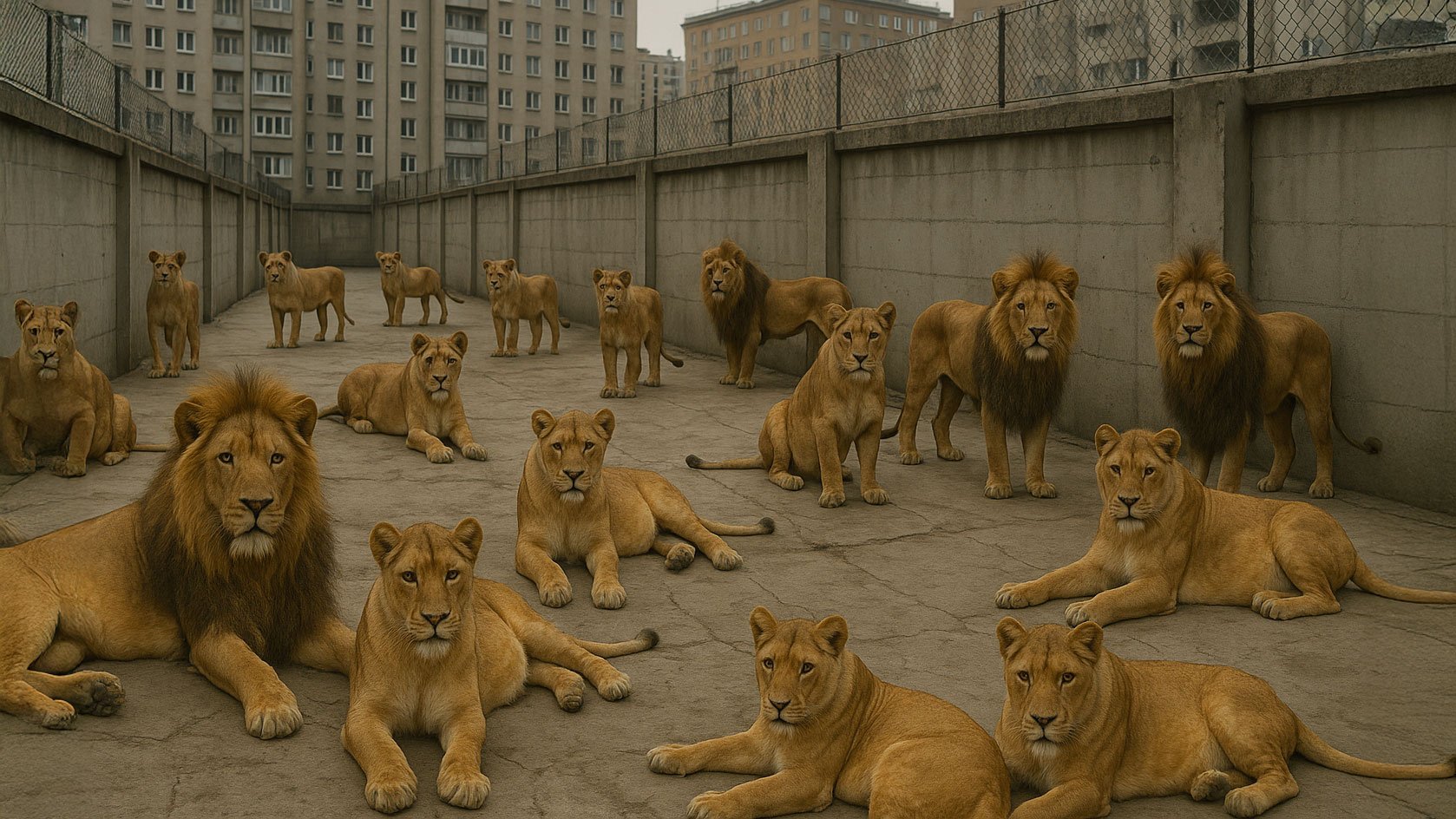
Human-Wildlife Conflict: Lions often encounter livestock near human settlements. When lions prey on cattle, farmers may respond with retaliatory killings, often using indiscriminate poisons that can wipe out entire prides.
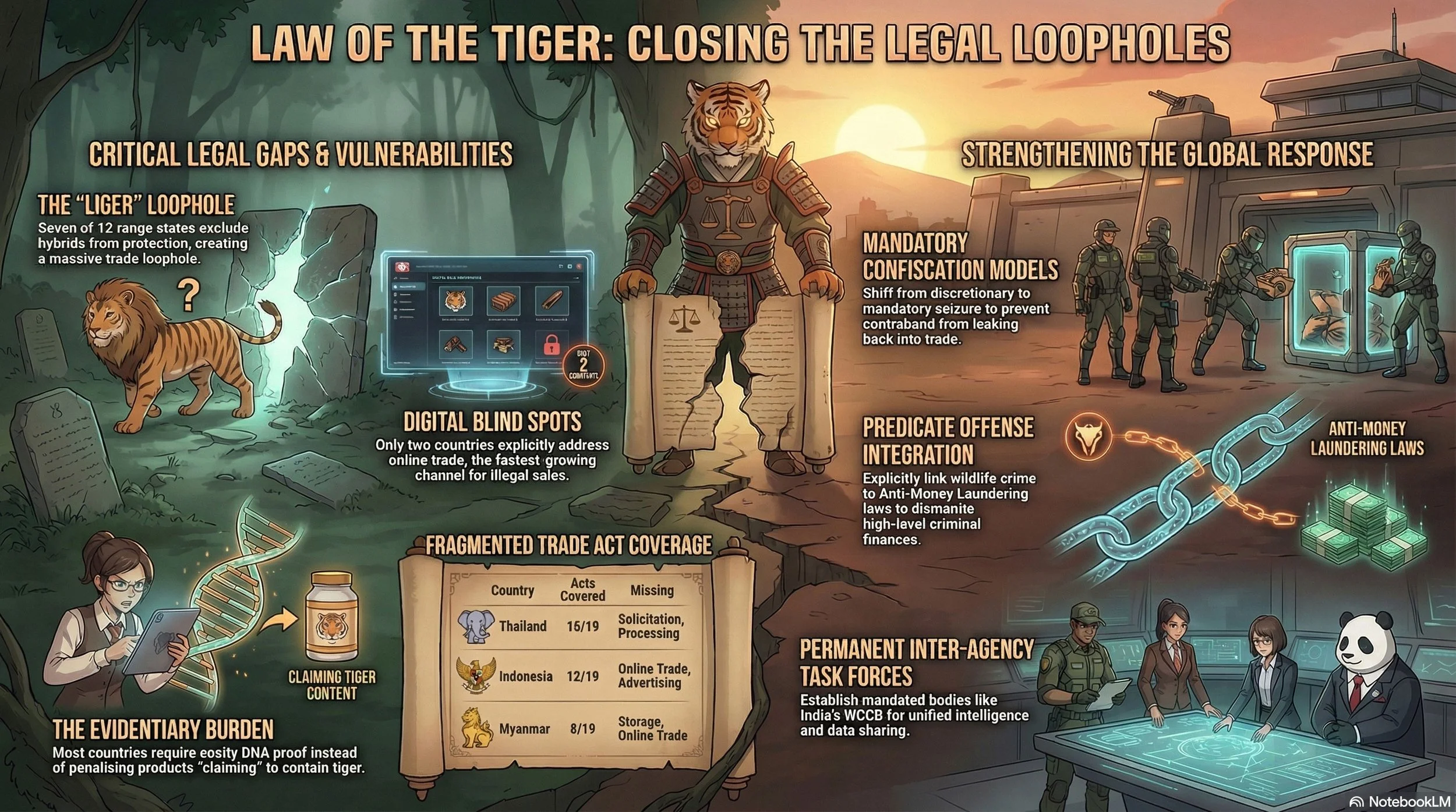
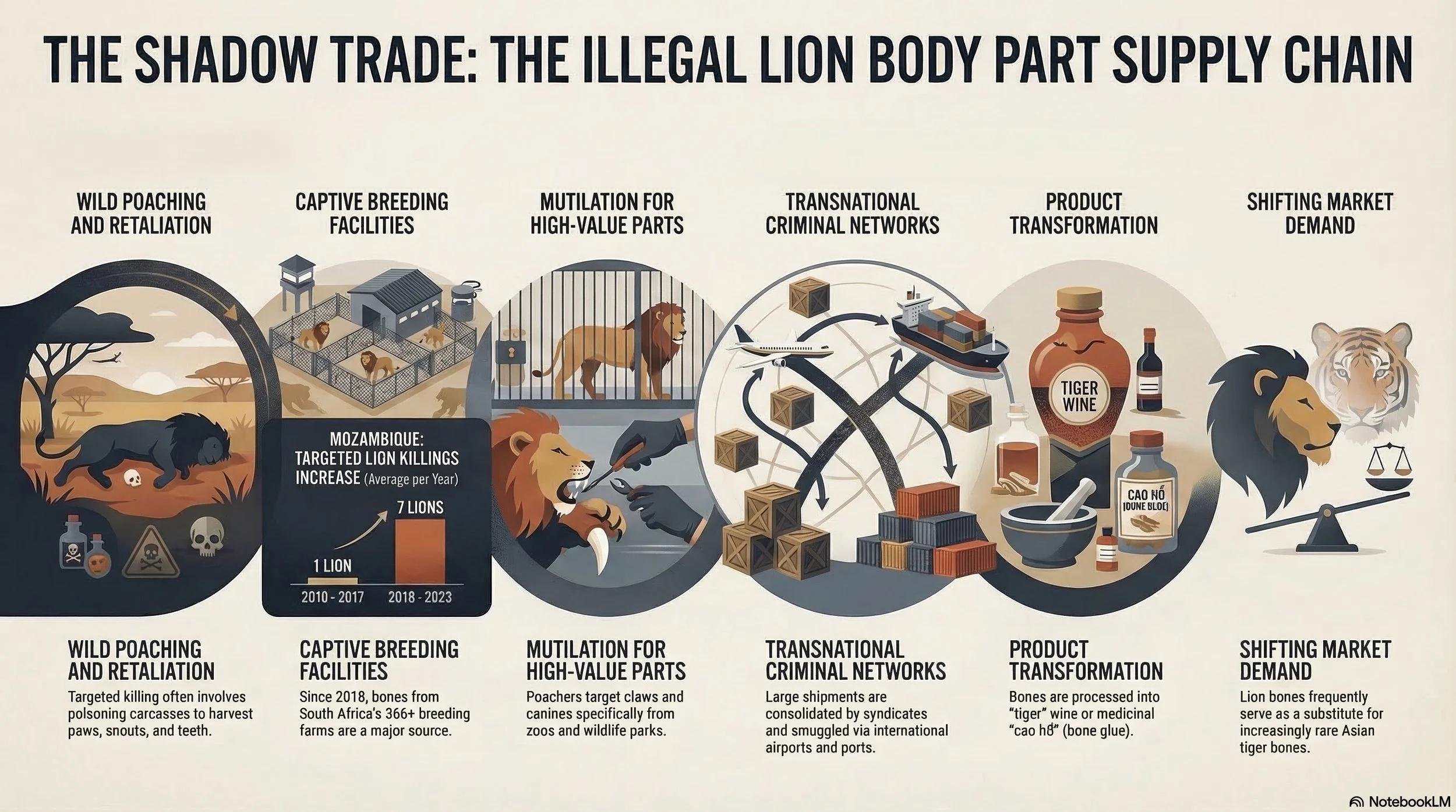
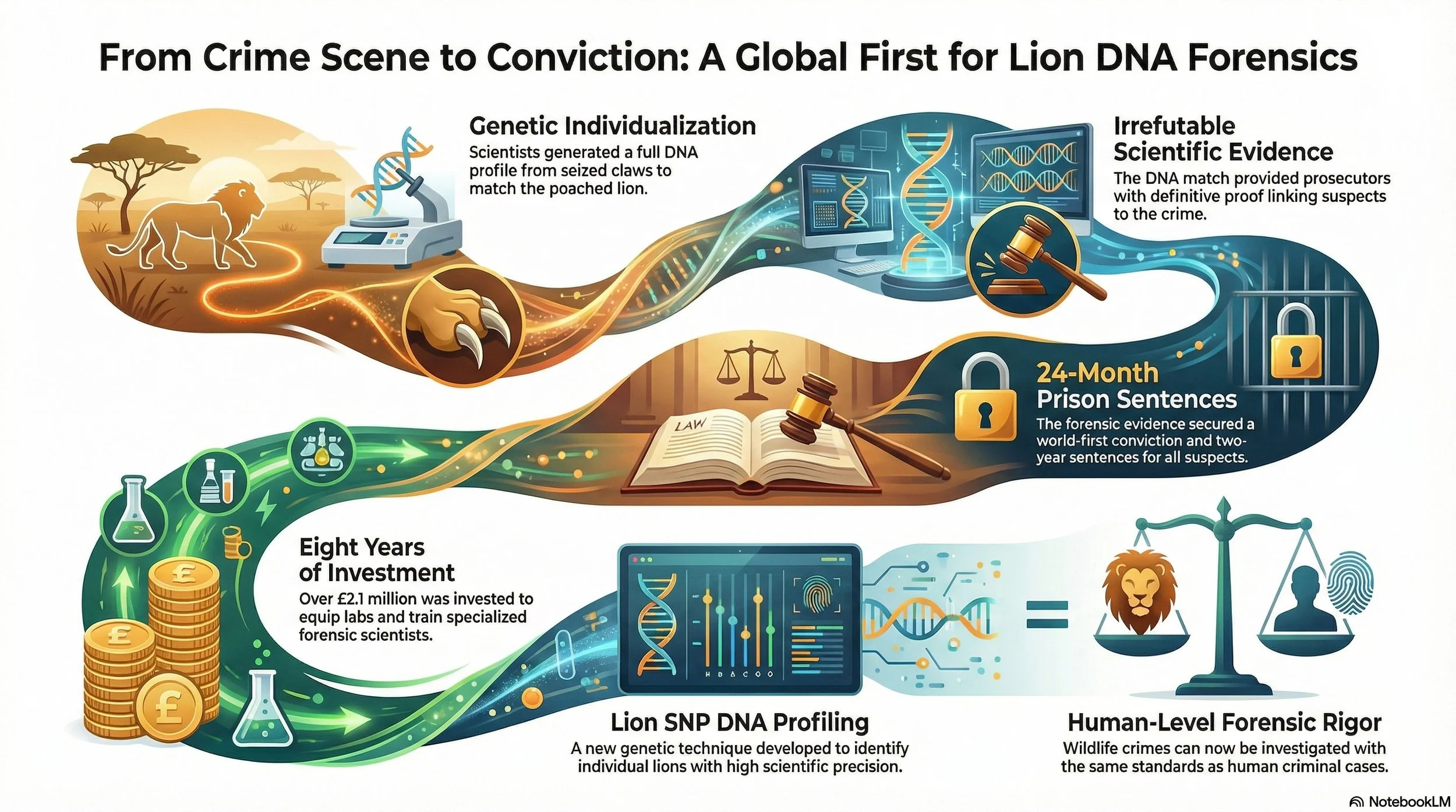
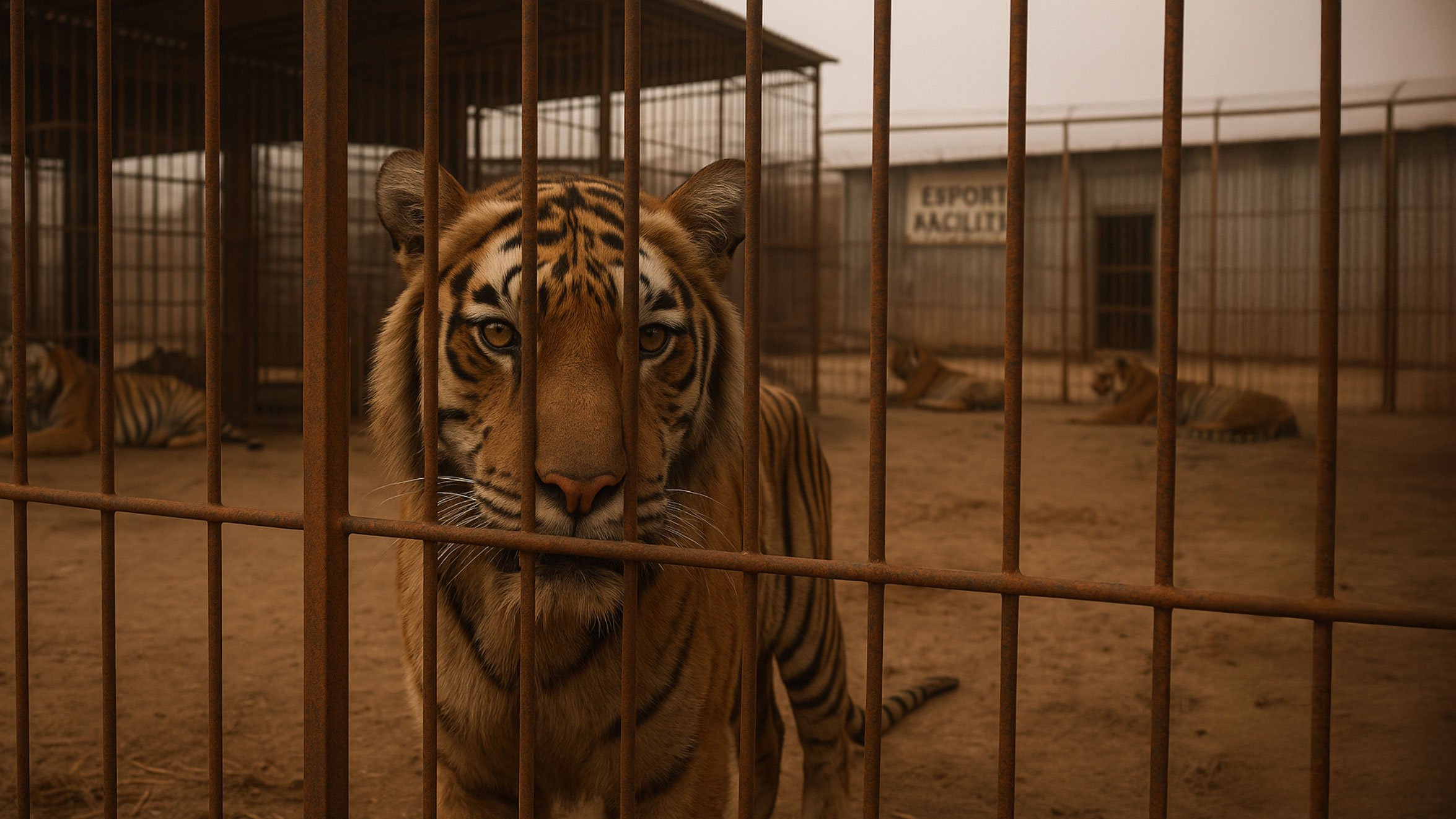
Illegal Trade: There is a growing and dangerous market for lion bones, teeth, and claws for use in traditional medicine, both within Africa and internationally.
Civil Unrest: In some regions, war and violent extremism hinder conservation efforts and lead to the abandonment of protected areas, leaving wildlife at the mercy of poachers.
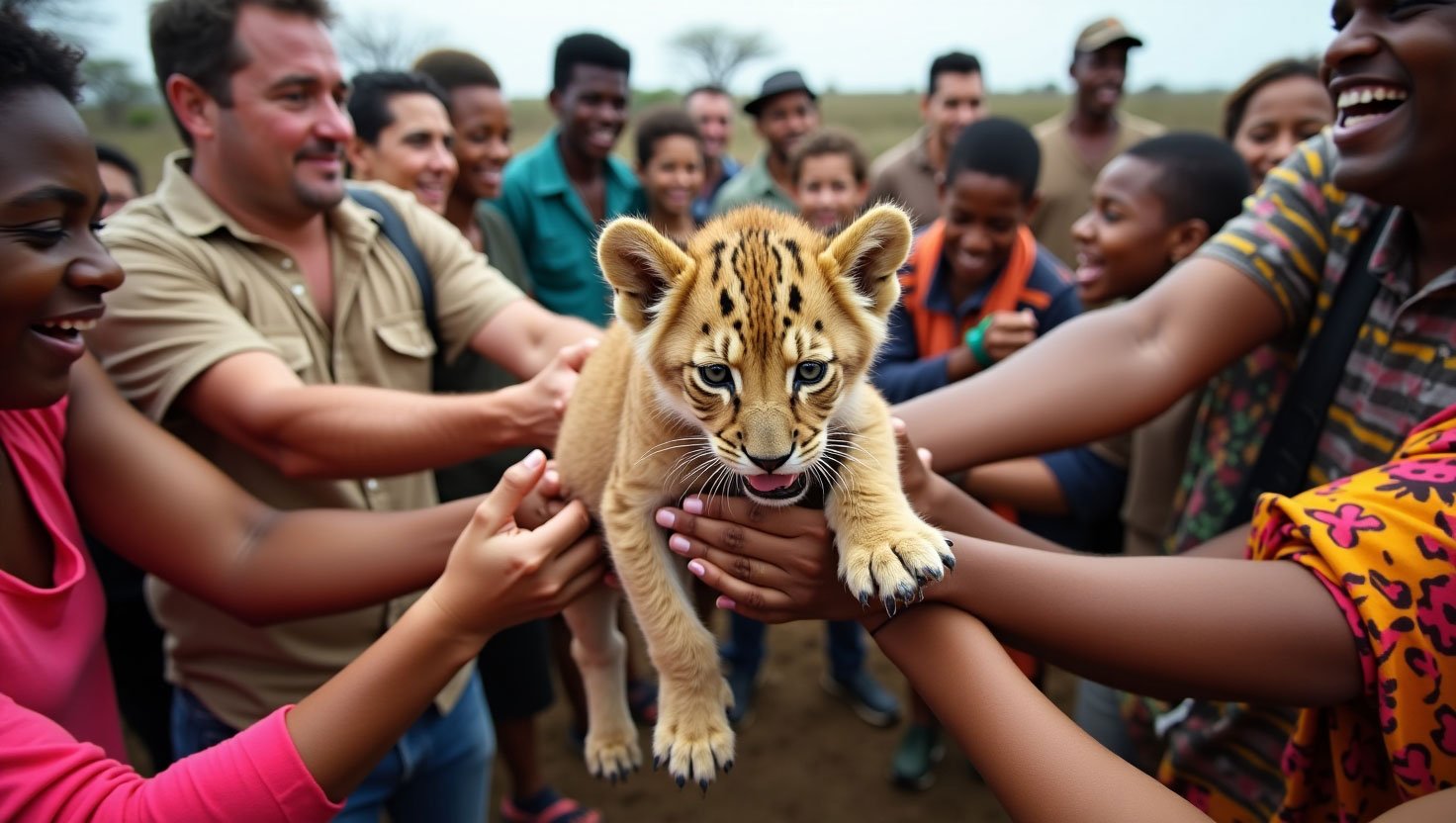
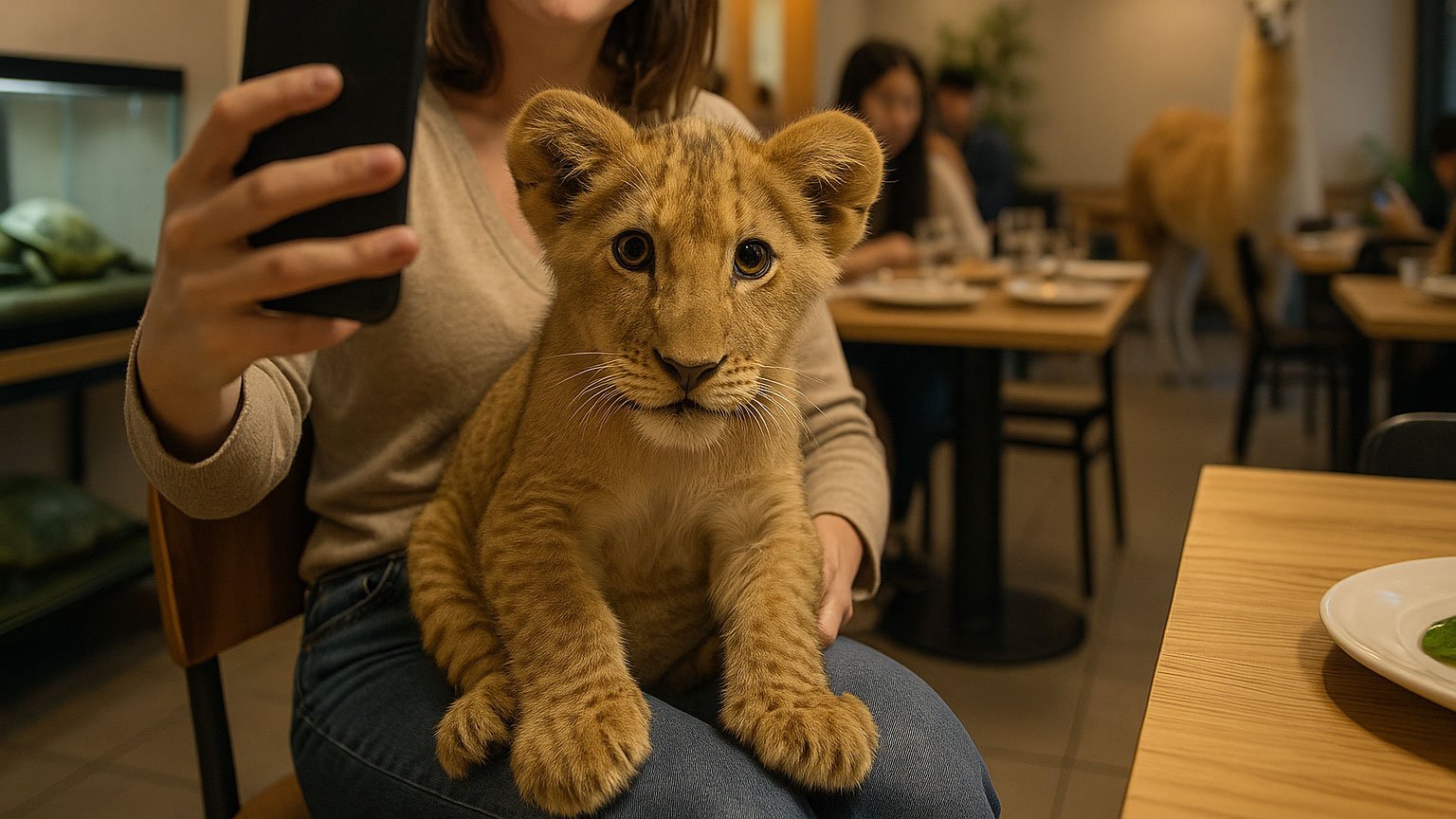
Question: Can I keep a lion as a pet?
Conservation Efforts
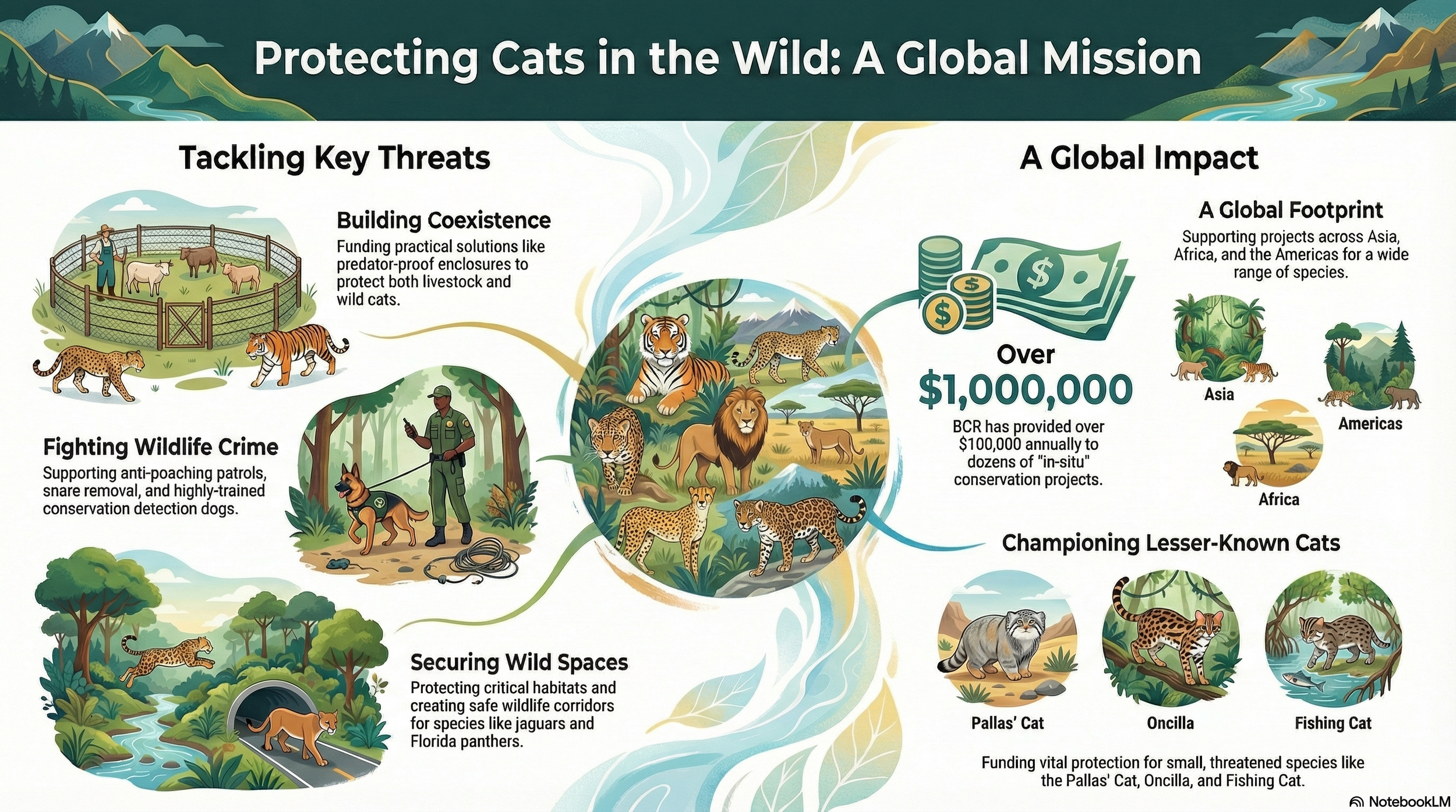
Lions are protected under CITES Appendix II (with the Indian population under Appendix I) and the Convention on Migratory Species. Conservationists are working to mitigate conflicts through the construction of predator-proof livestock enclosures and community education programs.
Big Cat Rescue has been a dedicated supporter of lion conservation through its funding of various "in situ" (in the wild) projects. This work includes supporting anti-poaching patrols, helping communities coexist with large carnivores, and advocating for stronger legal protections to end the exploitation of lions in captive industries. By funding field research and habitat protection, these efforts aim to ensure that the roar of the lion continues to echo across the wild landscapes of Africa and India for generations to come.

See Conservation Work Funded By Big Cat Rescue here:
All conservation insitu work: https://bigcatrescue.org/insitu/









Lion Facts: Habitat, Population, Threats and Conservation. Learn where lions live, what threatens them, how many remain, and which conservation efforts are protecting wild lions.