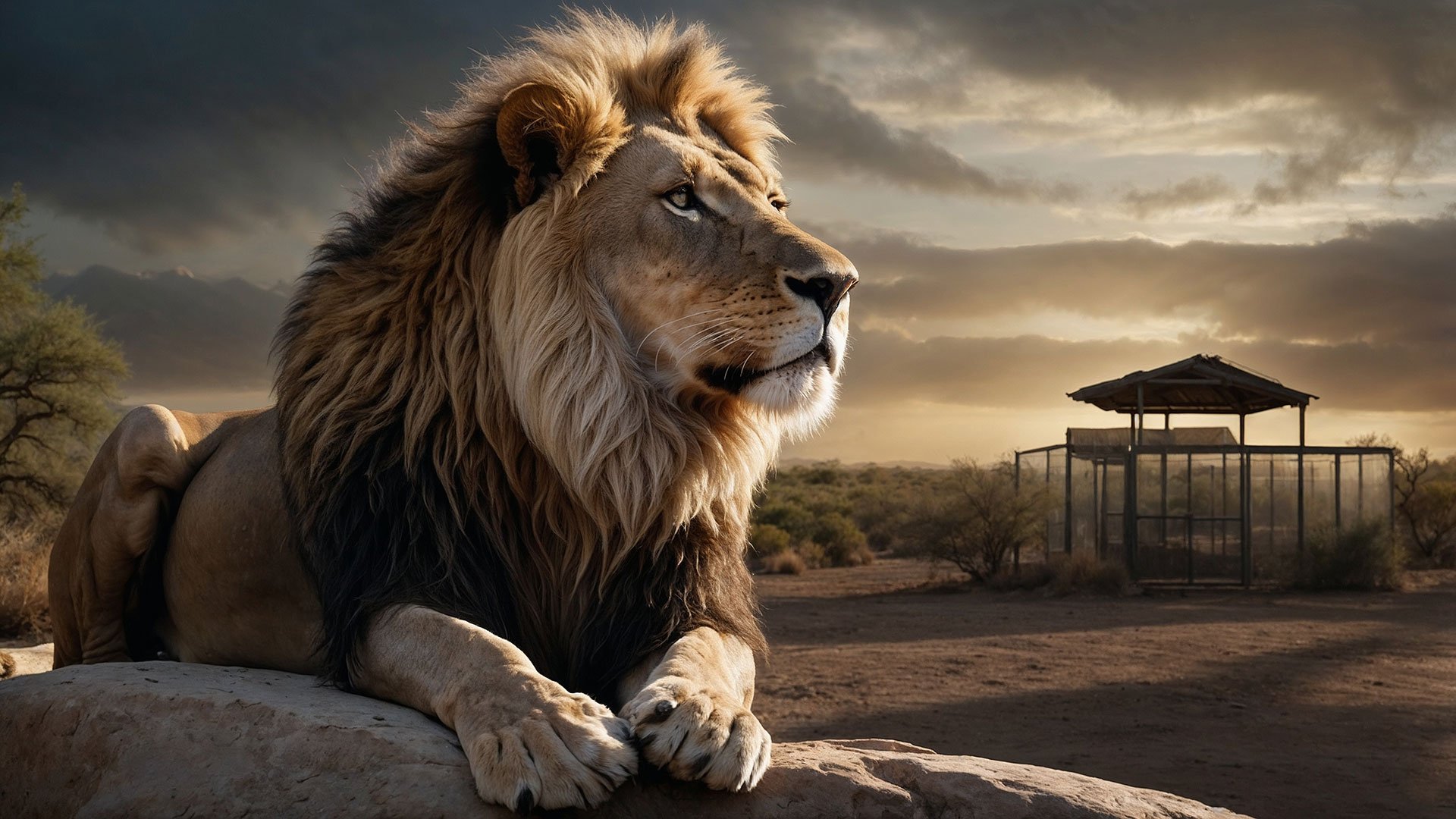
Lion Bone Trade AI
In the heart of South Africa's vast landscapes, where the majestic lion once roamed free and unchallenged, a contentious industry has emerged, intertwining economics, ethics, and conservation. This is the story of the lion bone trade—a practice that has sparked global debate and soul-searching about humanity's relationship with the wild.
The Rise of Lion Farming
South Africa, renowned for its rich biodiversity, became home to the world's largest commercial lion farming industry. Initially, these captive-bred lions were intended for trophy hunting, a practice where hunters pay hefty sums to claim a lion as their prize. However, as markets evolved, another demand surfaced: lion bones. In traditional Asian medicine, lion bones began to replace those of tigers, which were becoming increasingly scarce due to poaching and population declines. Between 2008 and 2016, thousands of lion skeletons were legally exported from South Africa to Southeast Asia, feeding a lucrative market.
The Controversial Quotas
To regulate this burgeoning trade, the South African government introduced annual export quotas. In 2017, the quota was set at 800 skeletons; in 2018, it was controversially increased to 1,500 before being reverted to 800. These decisions were met with fierce opposition from conservationists and animal welfare organizations, who argued that such quotas not only compromised lion welfare but also tarnished South Africa's conservation image.
Legal Battles and Ethical Dilemmas
The debate intensified when the National Council of SPCAs (NSPCA) challenged the government's quota decisions. In 2019, the High Court ruled that the quotas set for 2017 and 2018 were unlawful and constitutionally invalid, primarily because they failed to consider the welfare of captive lions. This landmark judgment halted the legal export of lion bones, leaving breeders with growing stockpiles and dwindling revenue streams.
The South African Predators Association's Stand
Amid this backdrop, the South African Predators Association (SAPA), representing lion breeders and related industries, launched a legal bid to compel the government to reinstate the export quotas. SAPA argued that the absence of quotas since 2019 had led to significant financial losses and burgeoning stockpiles of lion bones, adversely affecting their members' livelihoods.
The Dark Underbelly: Illegal Trade and Animal Welfare
Investigations have unveiled disturbing facets of the lion bone trade. Reports indicate that legal channels have been exploited to facilitate illegal activities, with lion bones being smuggled alongside those of other big cats, including tigers. Some facilities, under the guise of legitimate breeding and hunting operations, have been implicated in unethical practices, such as severe animal neglect and unsafe conditions for workers.
A Call for Change
Recognizing the multifaceted challenges posed by the captive lion industry, the South African government, guided by recommendations from a High-Level Panel, announced intentions to phase out captive lion breeding. This decision underscores a commitment to ethical conservation practices and the protection of South Africa's wildlife heritage.
The Role of Global Citizens
As stewards of the planet, our choices ripple across ecosystems. Supporting organizations like Big Cat Rescue amplifies efforts to protect these majestic creatures. By advocating for responsible tourism, opposing unethical wildlife practices, and promoting conservation education, we can ensure that lions continue to roar for generations to come.
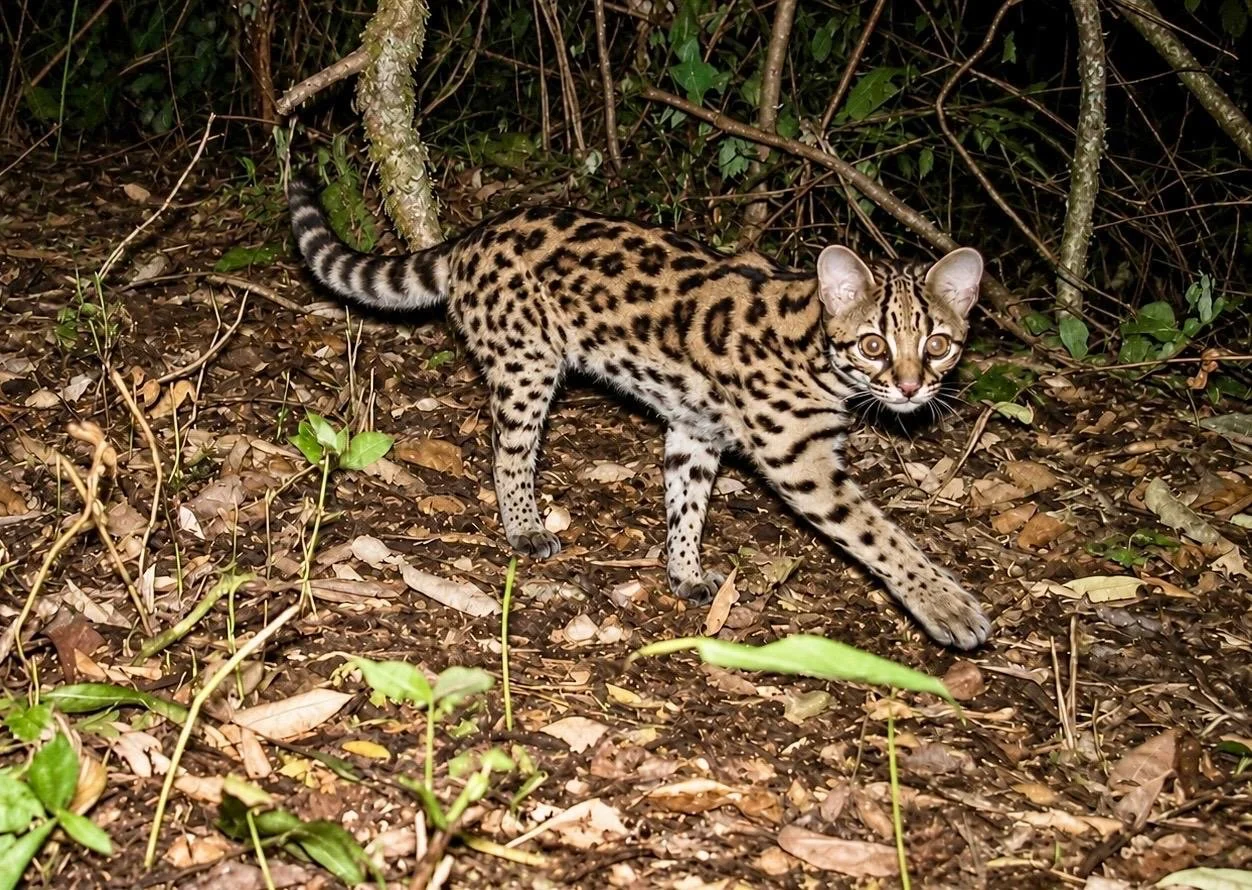
From a fishing cat's second chance to Brazil's mobile vet clinic breakthrough — plus Trinidad ocelots, Texas ranchers, and a Colorado ballot alert.
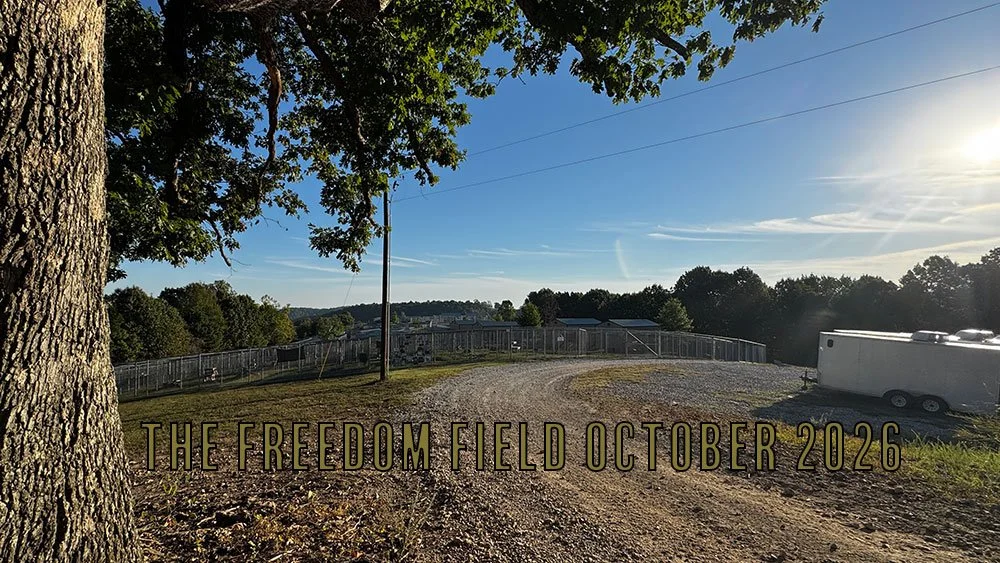
Join John Mingione, Carole and Howard Baskin at Turpentine Creek for inspiring tiger rescue stories, the Big Cat Public Safety Act, and wild cat conservation.
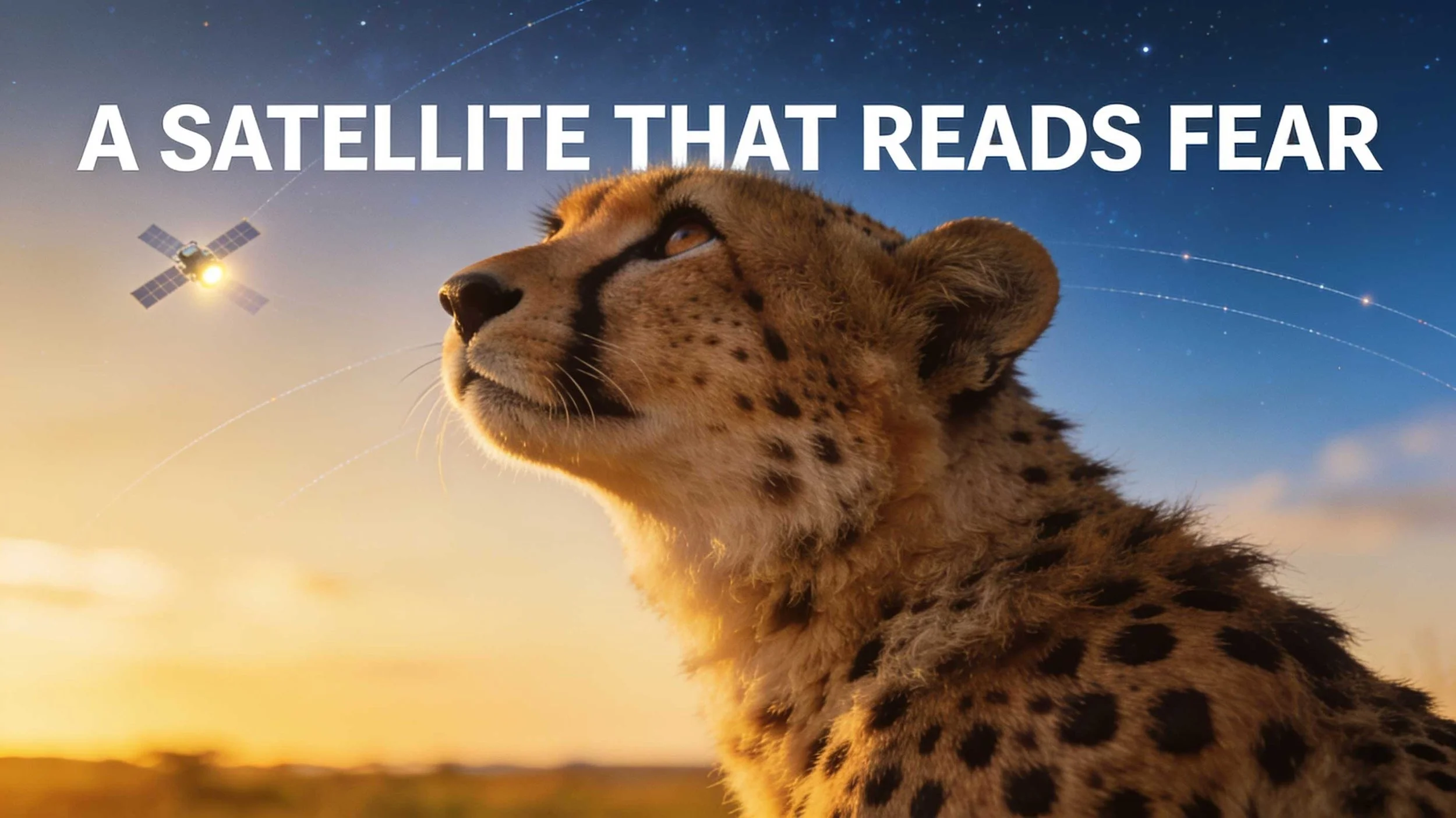
The Icarus satellite system, built by the Max Planck Institute of Animal Behavior, is creating an Internet of Animals. Tiny tags track location, movement, heart rate, and body temperature, then send the data to satellites in low Earth orbit. Scientists are training algorithms to recognize the panic patterns animals show when poachers approach, turning tagged herds into a live early warning network. For wild cats like cheetahs, leopards, tigers, lions, and Florida panthers and bobcats, this could mean protection across vast and remote landscapes that no single ranger could ever watch. Learn how Big Cat Rescue is following the Icarus project and how satellite tracking could change the future of wild cat conservation.
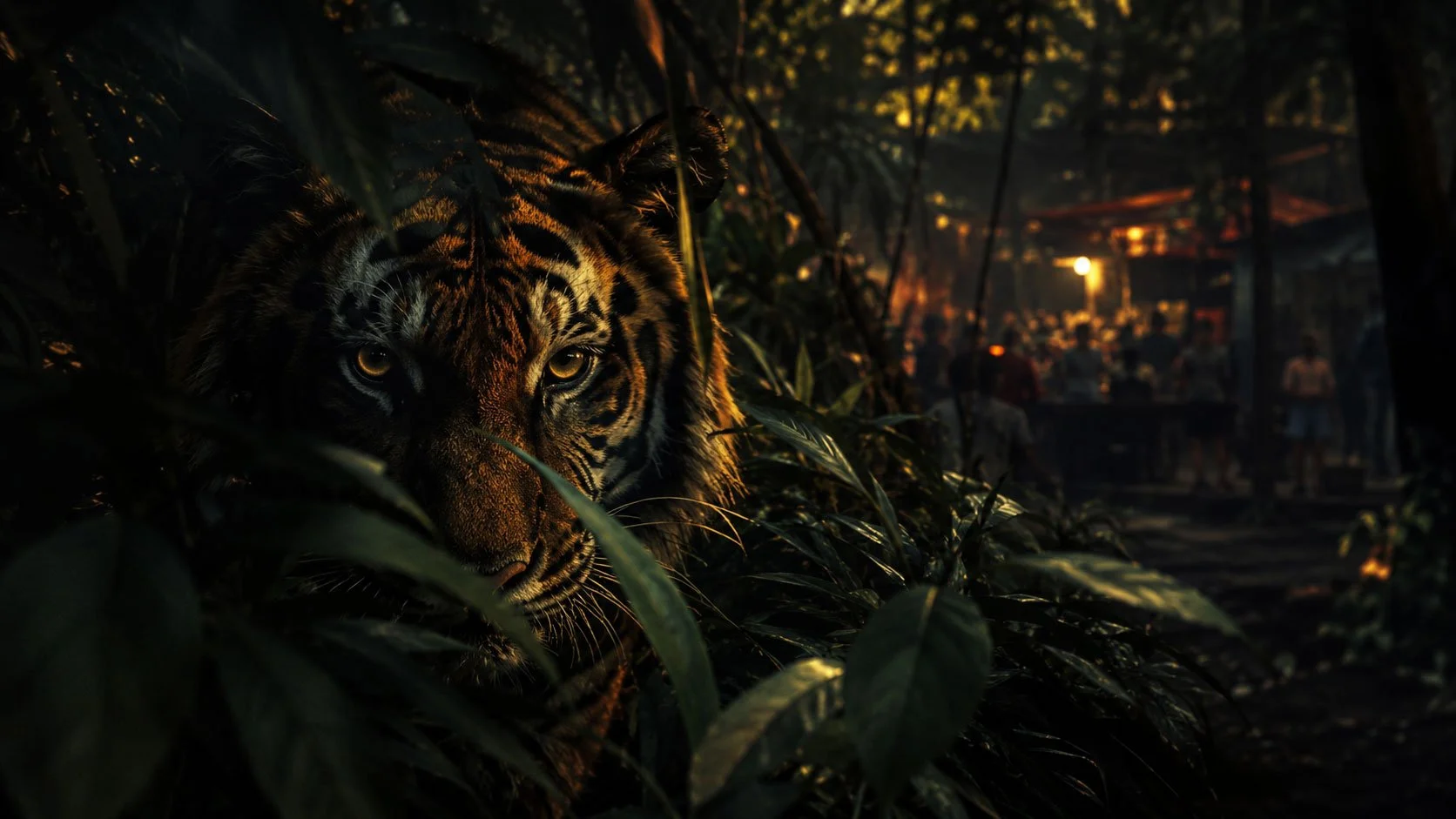
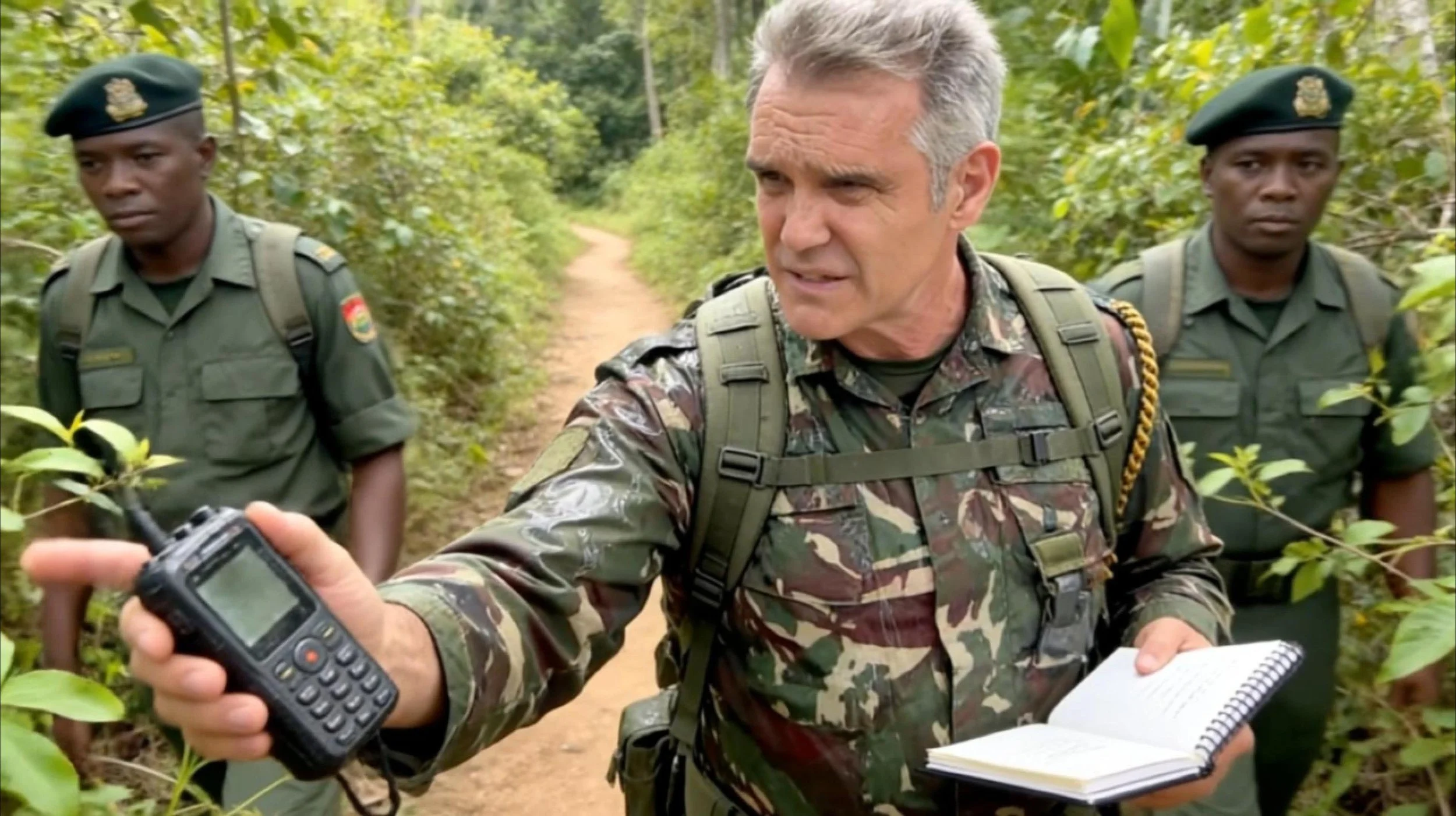
The provided text outlines the organizational goals and operations of Freeland, a non-profit entity dedicated to ending the illegal trade of humans and wildlife. By utilizing a specialized team of law enforcement and technical experts, the group actively disrupts criminal networks while assisting governments and businesses in creating prevention strategies. Their comprehensive approach includes training officers, conducting community patrols, and fostering behavioral changes through public education and awareness campaigns. Beyond enforcement, the organization focuses on environmental restoration and the rehabilitation of animals to ensure the long-term health of global ecosystems. Ultimately, the source serves as an overview of Freeland’s global impact and its ongoing mission to build a world free from exploitation and slavery.
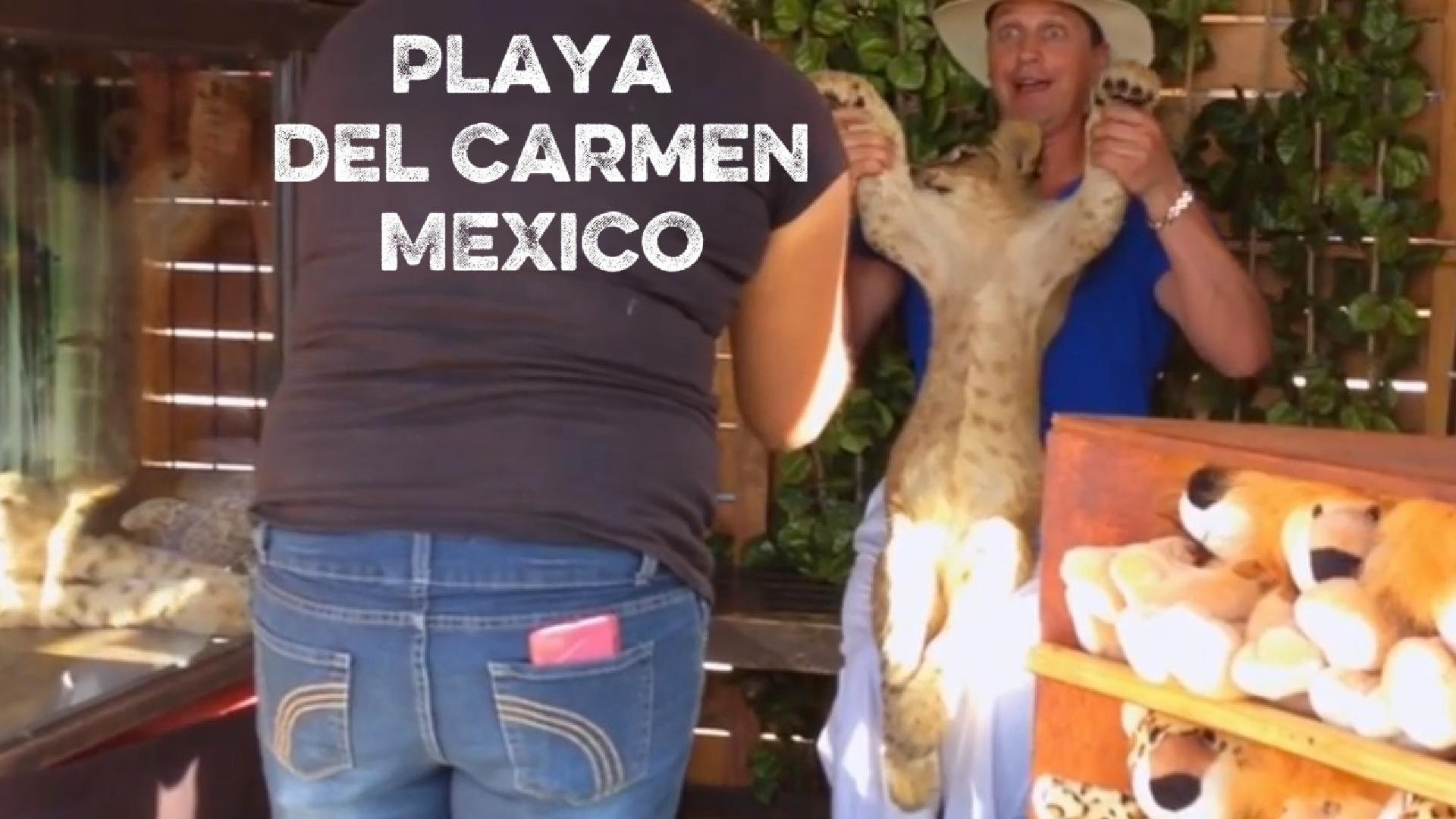
The Fall of Animalandia Maya: Playa del Carmen Shutdown In May 2026, Mexican law enforcement conducted a major raid on Animalandia Maya, a controversial tourist site in Playa del Carmen known for offering photos with exotic wildlife. The operation resulted in the arrest of the owner and several employees, as well as the seizure of tigers, lions, and monkeys that were allegedly being exploited. This intervention followed years of public outcry and pressure from animal welfare organizations regarding the suspected sedation and mistreatment of the animals. While the business has successfully used legal loopholes to reopen after past closures, the scale of this coordinated police action suggests a permanent shutdown. The incident highlights a significant victory for activists fighting against the commercial use of endangered species in the Riviera Maya.
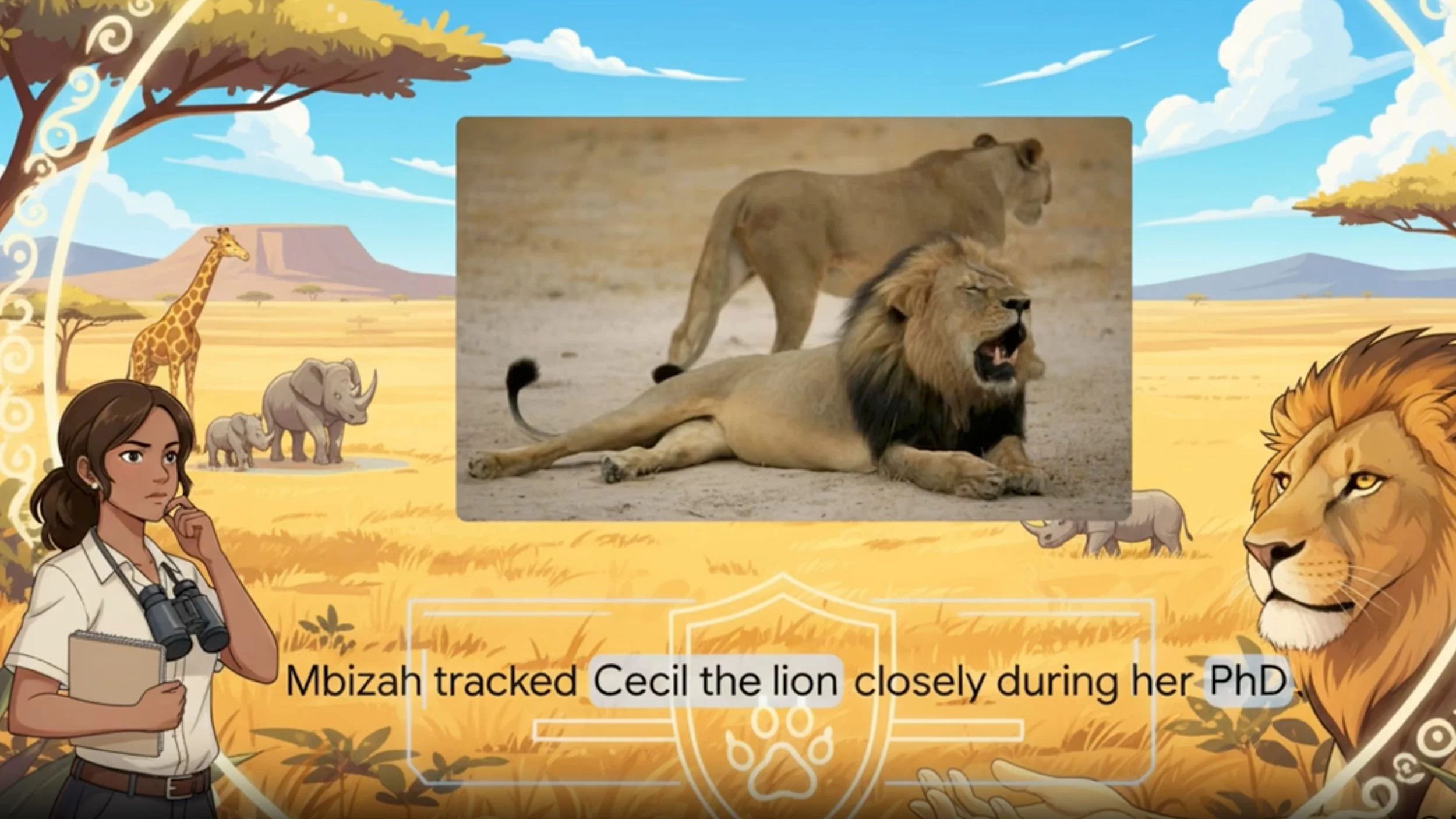
Moreangels Mbizah: Pioneering Human-Wildlife Coexistence in Zimbabwe
Biologist Moreangels Mbizah founded Wildlife Conservation Action in Zimbabwe to address the tragic consequences of human-wildlife conflict. Her mission shifted after witnessing a lion attack on a young child, leading her to realize that protecting nature requires supporting the local communities living alongside it. The organization utilizes innovative tools like GPS tracking and mobile bomas—opaque enclosures that prevent predators from seeing and attacking livestock. These community-led strategies have successfully reduced lethal encounters by up to 98% in targeted regions, safeguarding both vulnerable lion populations and the livelihoods of rural villagers. Additionally, Mbizah serves as a pioneer for African women in the field by providing mentorship and outreach to ensure a more inclusive future for conservation efforts. Through this holistic approach, she demonstrates that the survival of apex predators is inextricably linked to the security of the people who share their habitat.
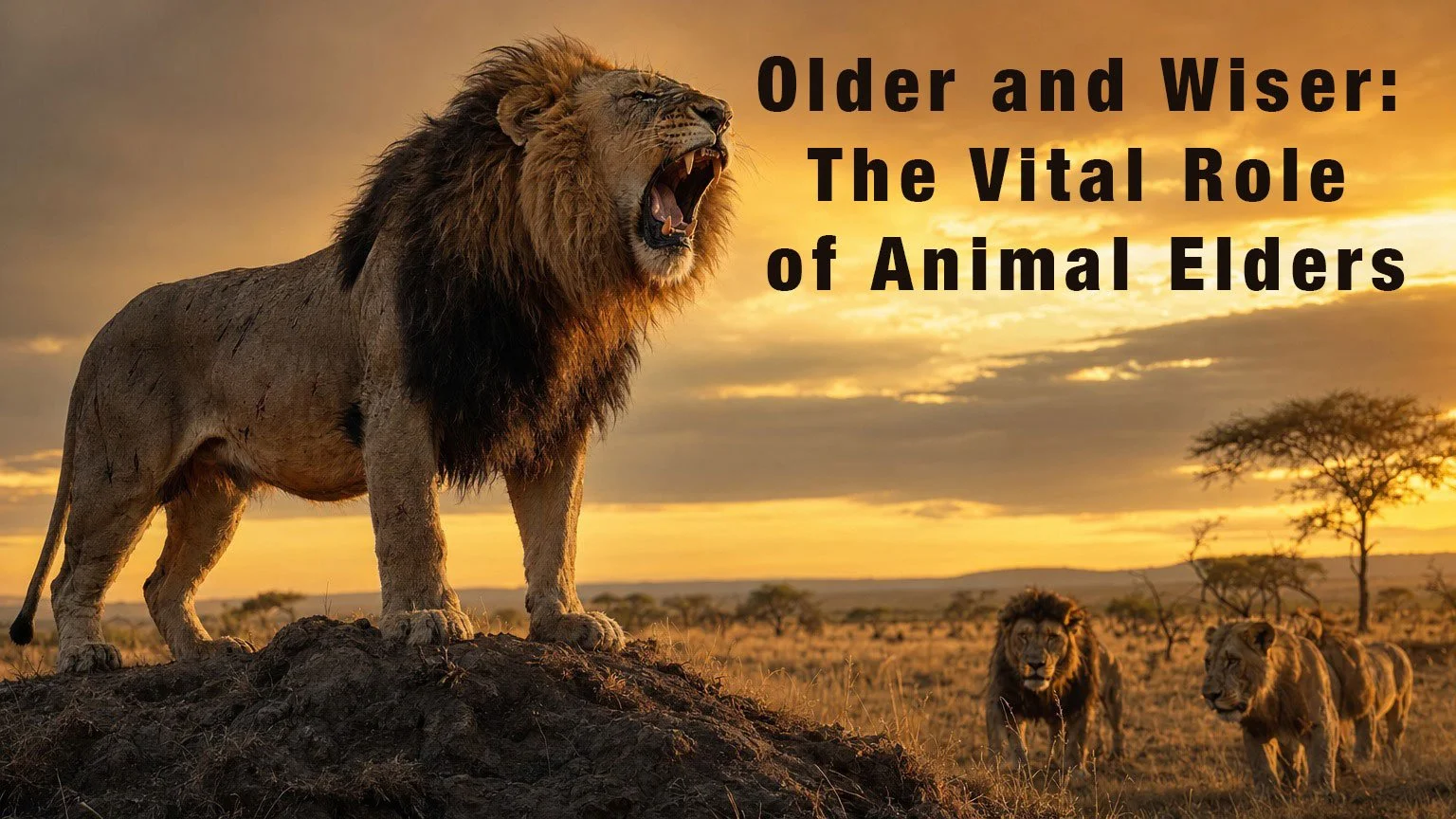
Older and Wiser: The Vital Role of Animal Elders
Recent research emphasizes that older animals are vital for the survival of wildlife populations because they possess accumulated knowledge and specialized skills. These elders serve as essential leaders who guide their groups toward resources and help maintain social stability among younger individuals. Beyond their wisdom, aging members often provide enhanced reproductive success and possess stronger immune systems developed over time. Traditional conservation efforts frequently focus on total population counts, yet this source argues that protecting the age structure is just as critical. The loss of these senior animals through human activities can result in a profound disappearance of survival strategies that simple numbers cannot replace.
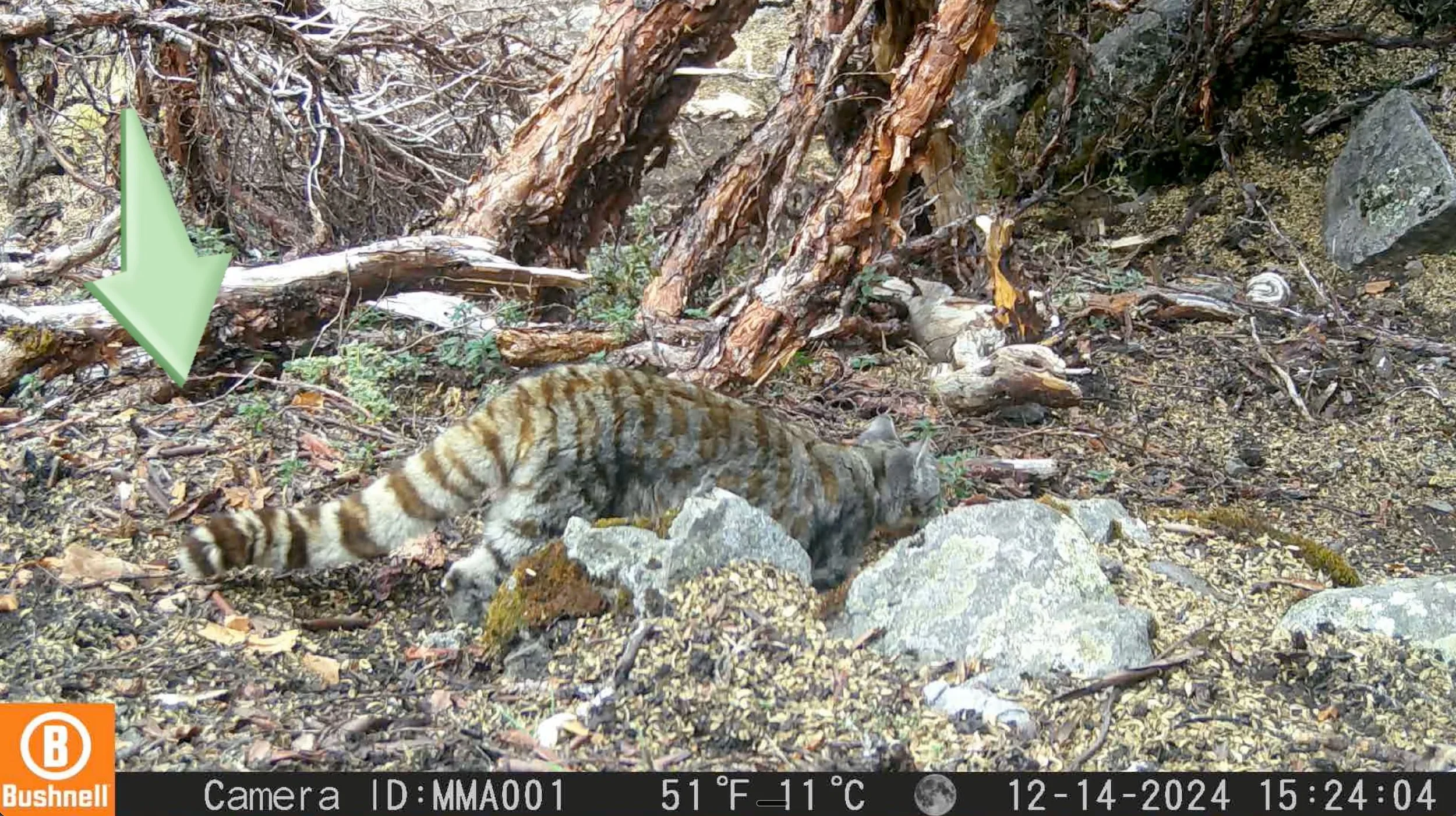
These sources examine the genetic crisis facing isolated wild cat populations, where human-driven habitat fragmentation forces inbreeding and triggers a decline in biological fitness. Researchers identify morphological abnormalities, such as kinked tails and thoracic cowlicks, as visible biomarkers of a deeper "extinction vortex" that includes heart defects and reproductive failure. While the Florida panther serves as a primary case study for these issues, the texts document similar patterns of genomic decay in California mountain lions, European wildcats, ocelots, jaguarundi, Andean cats, cheetahs and Asiatic lions. Conservationists highlight the 1995 genetic restoration project in Florida—which used Texas pumas to diversify the gene pool—as a successful model for reversing these trends. Ultimately, the literature advocates for wildlife crossings and habitat corridors to restore natural gene flow and ensure the long-term survival of apex predators.
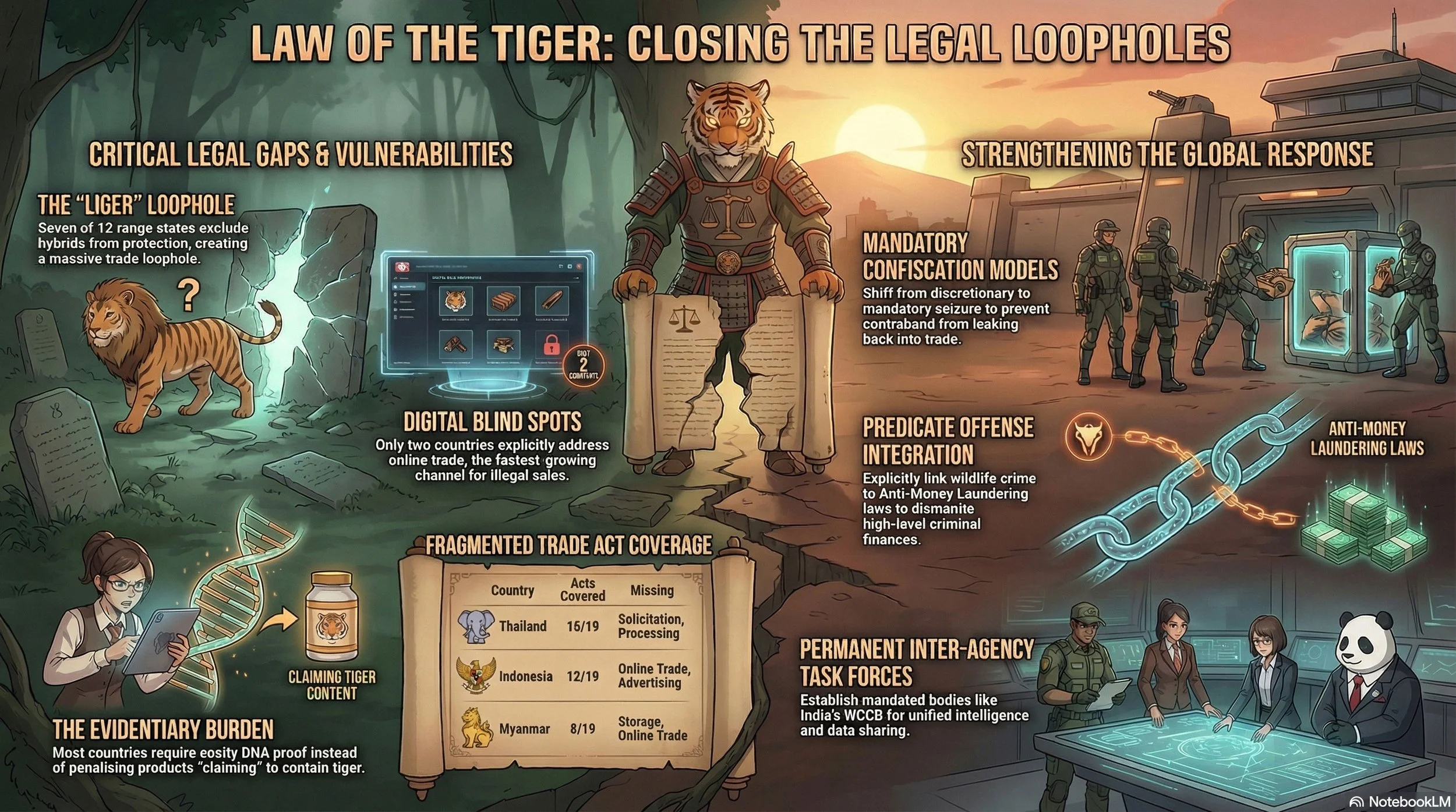
This report, titled Law of the Tiger, provides a comprehensive 2025 analysis of the legal frameworks governing tiger trafficking across twelve range states. It evaluates how national laws address critical issues such as interagency enforcement, mandatory confiscation, and the regulation of captive breeding facilities. The authors identify significant legal gaps regarding digital marketplaces, the status of hybrid tigers, and the management of confiscated stockpiles. To combat the transnational organized crime of wildlife trade, the document advocates for standardized definitions, enhanced investigative powers for frontline officers, and the integration of anti-money laundering tools. Ultimately, the publication serves as a guide for governments to harmonize their criminal justice responses and strengthen protections for wild tiger populations.
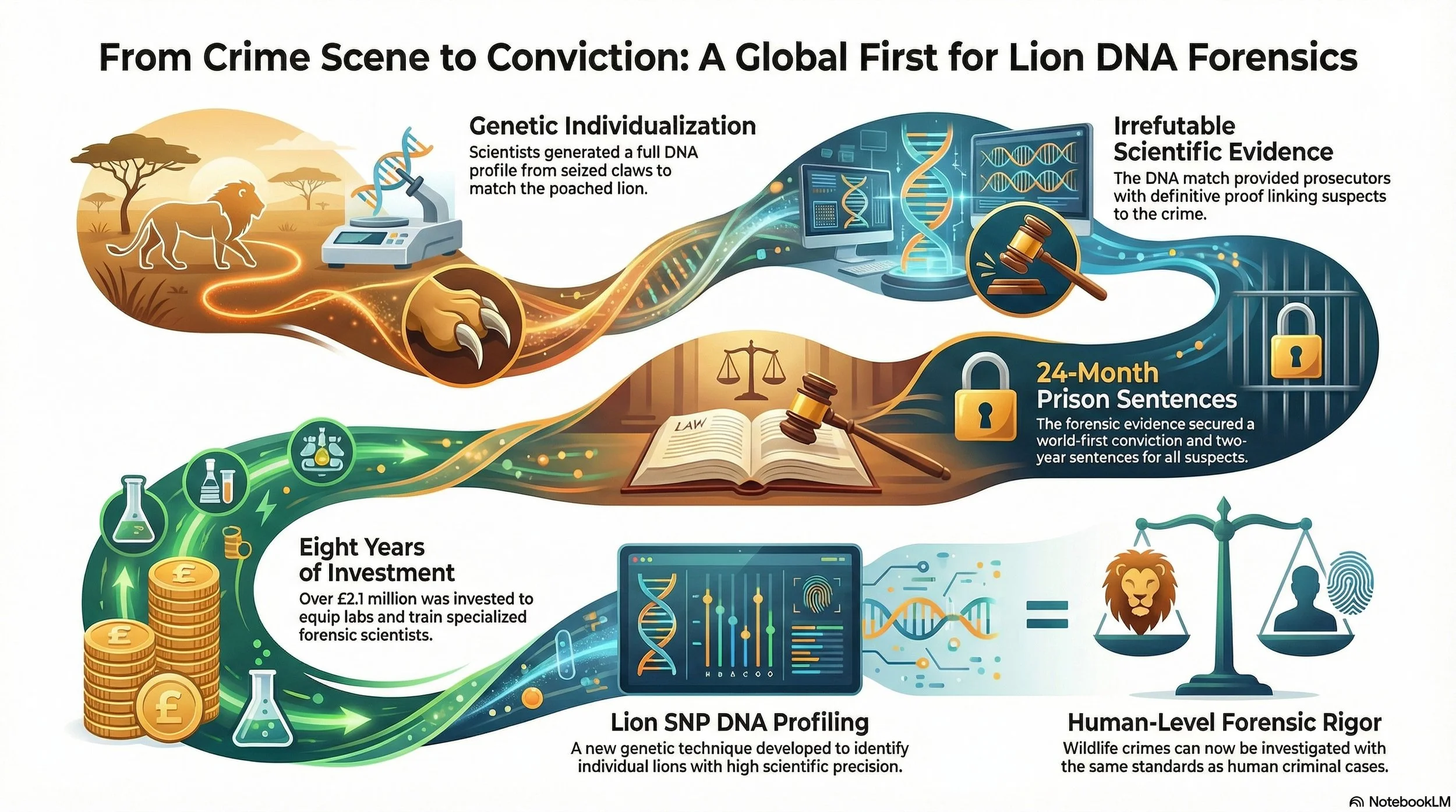
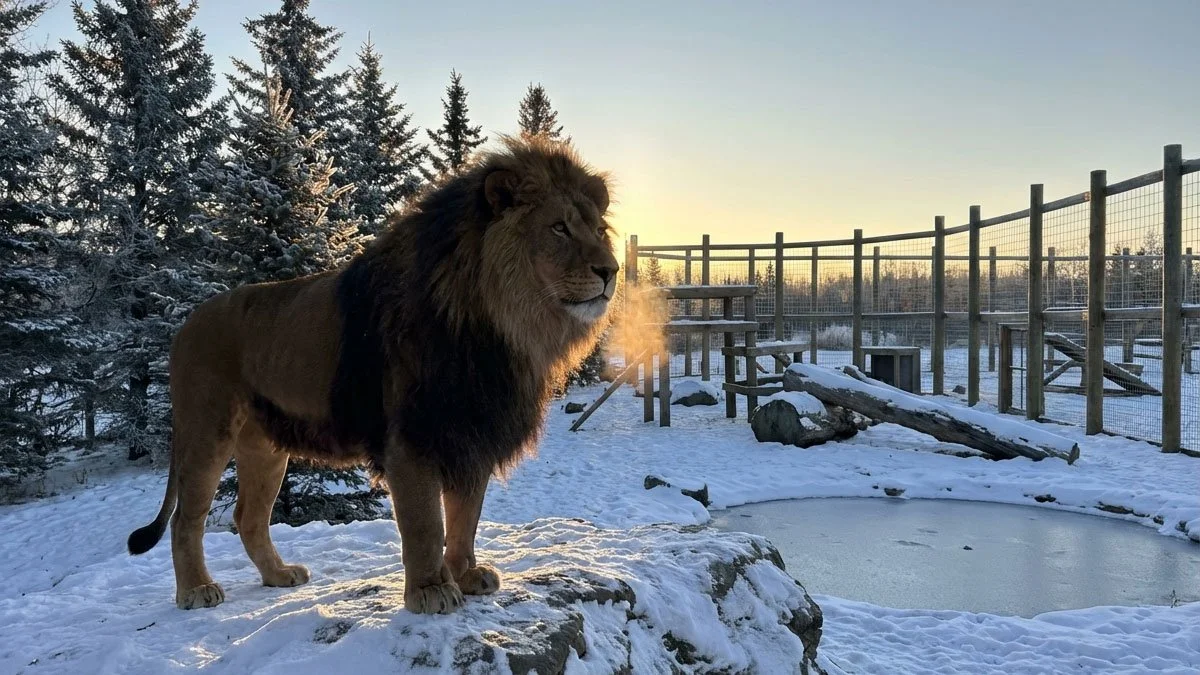
Muskoka facility becomes Canada's first big cat sanctuary as CTV investigation exposes roadside zoo abuses. New law ends private ownership of lions and tigers.

The removal of South Africa's progressive Environment Minister Dion George marks a dangerous setback for big cat conservation and wildlife protection worldwide.

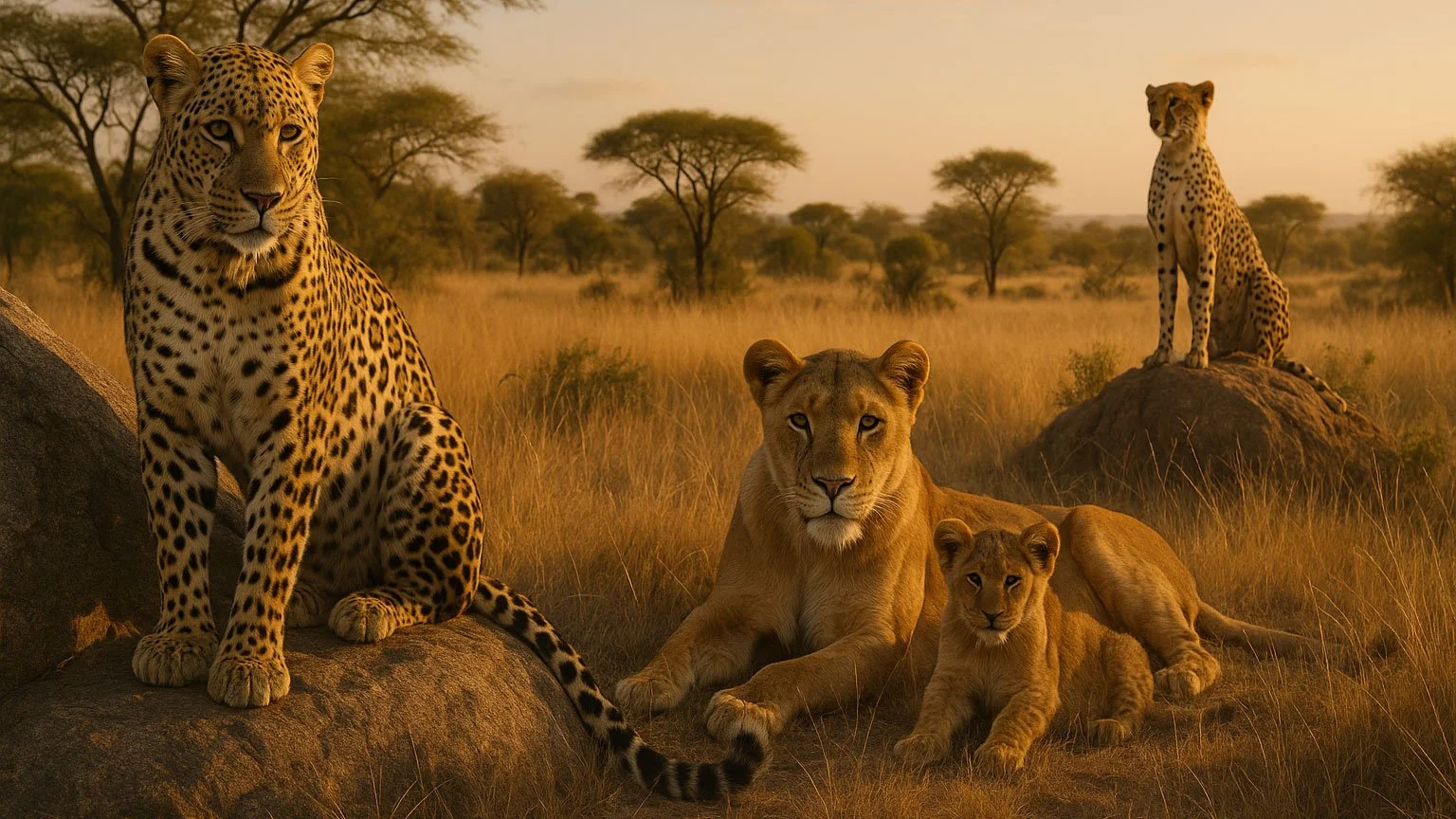

India’s Asiatic lions have surged 32% in 5 years, from 674 to 891, thanks to conservation and community action. Learn how to keep the roar alive.
Learn more: https://www.farmingportal.co.za/index.php/agri-index/84-wild-life/11447-the-south-african-predators-association-sapa-is-fighting-tooth-and-nail-to-reopen-the-controversial-lion-bone-industry-in-the-country
