The Scientific Rebirth of Ecuador’s Ghost Cat
INTRODUCTION: THE GHOST OF THE DRY FOREST
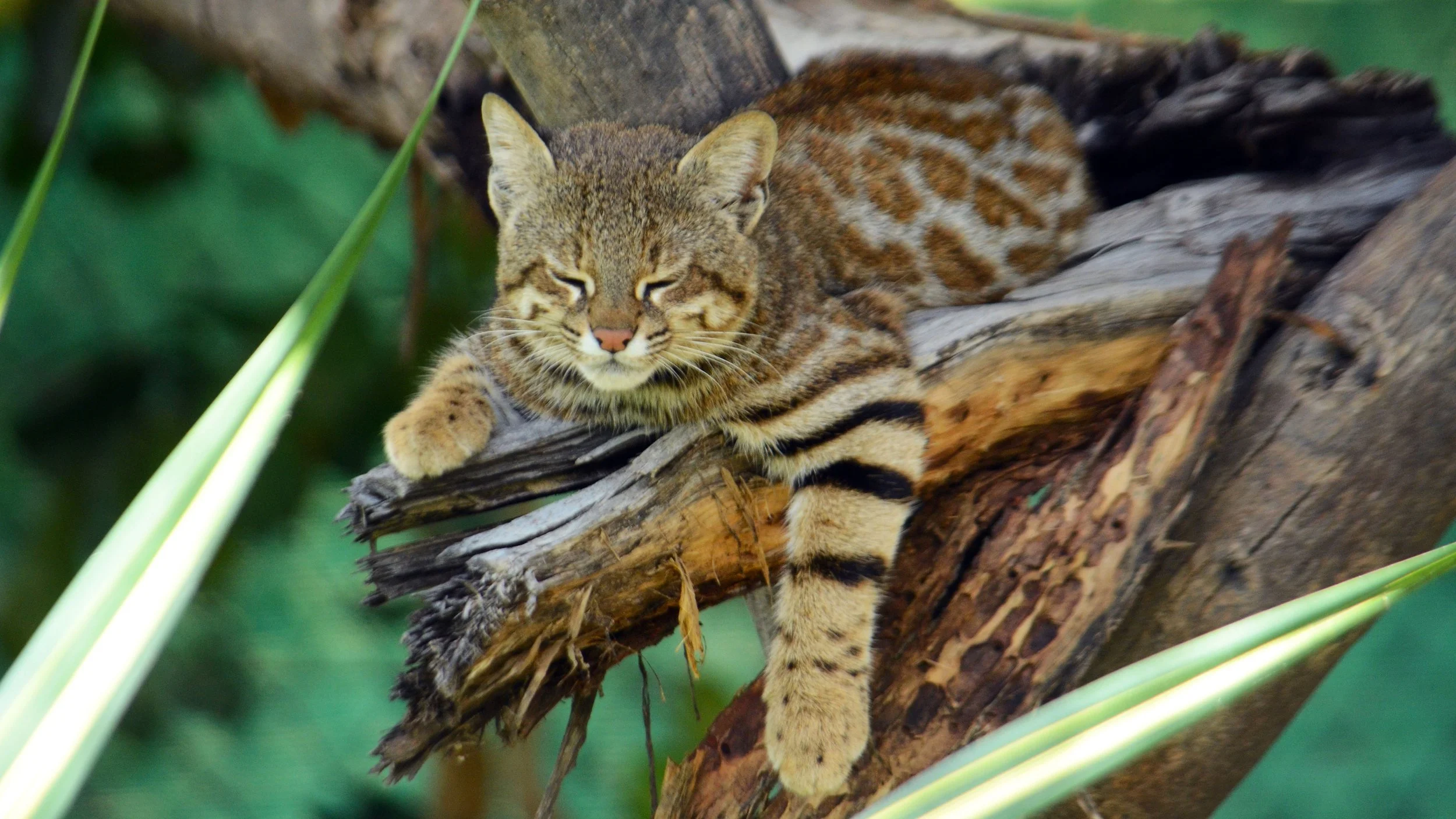
Deep within the Tumbesian dry forests and Andean foothills of southwestern Ecuador lives a "ghost" that, until recently, science had almost forgotten. The Northern Pampas Cat (Leopardus garleppi) is one of the most elusive small felids on the continent, a master of camouflage that haunts the shadows of a landscape under siege. Despite its status as Endangered on Ecuador’s national Red List, it has long remained a cipher, its movements and survival strategies largely a matter of guesswork.
But the silence is breaking. An April 2026 report from the Northern Pampas Cat Project—a dedicated branch of the Pampas Cat Working Group—has fundamentally reshaped our understanding of this predator. Supported by the Mohamed bin Zayed Species Conservation Fund (Grant No. 252539490), researchers have finally moved beyond anecdotal sightings. By combing through the jurisdictional territories of the Mancomunidad Bosque Seco and beyond, the project is revealing a species that is both more present and more imperiled than we ever imagined.
Here are five transformative takeaways from the project’s latest findings that reveal the hidden life—and the mounting risks—of the Northern Pampas Cat in Ecuador.
Takeaway 1: An "Eightfold" Increase in Presence
The most immediate success of the project is the staggering volume of new data. Before this systematic effort began, the Northern Pampas Cat was essentially a phantom in the southwestern region, with only three occurrence records documented across the provinces of El Oro and Loja.
Through grueling field surveys, community interviews, and institutional data sharing, the project database has now grown by 34 new records across Ecuador. Crucially, 24 of these records are concentrated in the southwestern provinces—with 21 occurring in Loja alone. This represents an approximately eightfold increase in documented occurrences for the species in this region. This jump doesn't suggest a sudden population explosion; rather, it proves that the cats have been there all along, navigating a human-altered landscape where they were previously invisible to the scientific community.
"The project database—compiled from direct surveys, community interviews, institutional collaborations, and literature review—now represents the most comprehensive occurrence dataset for the species in Ecuador."
Takeaway 2: The Deadly "Infrastructure Trap" of Irrigation Canals
Perhaps the most sobering discovery of the 2026 report involves the unintended consequences of agricultural development. While habitat loss is the usual suspect in conservation stories, the project identified a specific, lethal "mortality trap": irrigation canals.
These structures often act as one-way valves for wildlife. In a landscape where water is gold, the cats enter the canals to drink or cross, only to find themselves trapped by steep, slick concrete sides that offer no escape. The report documents a tragic "cluster" on December 15, 2025, in Zapotillo, where four Northern Pampas Cats drowned in these canals in a single event. This revelation was so impactful that it immediately forced a pivot in the project’s education strategy, shifting the focus of community workshops toward the urgent need for canal safety modifications and wildlife ramps.
Takeaway 3: The High Cost of the Open Road
As infrastructure expands through the dry forest, the intersection of cats and cars has become a primary driver of conflict. The project recently documented the first-ever published roadkill record for Leopardus garleppi in El Oro Province, located in the Chacras area in August 2022.
In response to these vehicle collisions across Macará and Zapotillo, the team launched the #LentoPorLaFauna ("Slow Down for Wildlife") initiative. This isn't just a awareness campaign; it’s a data-driven intervention. The team has designed 12 new road signs—six high-visibility warning rhomboids and six informational banners—listing common roadkill species. Crucially, these signs feature QR codes linked to a WhatsApp roadkill reporting hotline, turning every driver into a potential contributor to citizen science and allowing the project to track hotspots in real-time.
Takeaway 4: The Domestic Conflict (Dogs and Trafficking)
The report highlights a disturbing reality: even the "protected" status of ecological reserves is no barrier to domestic threats. Human proximity brings domestic animals, and the results are often fatal:
Dog Attacks: The project documented four separate interactions or attacks by domestic dogs, including incidents within the supposedly safe confines of the Laipuna and La Ceiba reserves. More recently, a February 7, 2026, rescue in Saraguro (Lozas de Uchucay) underscored that these attacks are a pervasive, ongoing threat.
A Legacy of Trafficking: The database includes a 2006 rescue case from the pet trade at Laipuna Reserve, a reminder that the species remains a target for localized trafficking.
The Juvenile Toll: In a heart-wrenching record from October 19, 2025, two juvenile siblings were found in a state of severe dehydration in the Arenillas Ecological Reserve. Both individuals eventually died at Zoo Arenillas, a tragedy that emphasizes the extreme vulnerability of the younger population as they attempt to survive in an increasingly fragmented landscape.
Takeaway 5: From One Species to Five
The most profound shift in the Northern Pampas Cat’s story is a taxonomic one. As showcased in the project’s "La Revelación" workshop materials, science has moved from viewing these cats as part of a single, widespread species (Leopardus colocola) to recognizing Leopardus garleppi as a distinct lineage.
This is not mere scientific hair-splitting; it is a critical "rebranding" for conservation. By identifying these cats as a unique, restricted population endemic to regions like the Tumbesian dry forest, the project can demand tailored, urgent protections. Instead of being seen as just another population of a common cat, Leopardus garleppi is now recognized for what it is: a rare, specialized survivor that requires its own specific place on the Ecuadorian Red List and its own dedicated conservation funding.
CONCLUSION: SCALING CONSERVATION IN THE AGE OF SOCIAL MEDIA
The Northern Pampas Cat Project proves that saving a species requires more than just field notes; it requires a multi-pronged assault on anonymity. By combining hard data—like the 34 new records—with community workshops and a vibrant digital presence on Instagram (@northernpampascatproject), the team is finally pulling this "ghost" into the light.
The partnership with the Mancomunidad Bosque Seco and the support of the Mohamed bin Zayed Species Conservation Fund have been the catalysts for these discoveries. However, as the data on irrigation canals and roadkill shows, the cat's survival is now inextricably linked to how we design our human footprint.
As we continue to build the roads and canals that fuel our own growth, we must confront a vital question: Are we willing to build safety into our infrastructure, or will we allow our development to become a silent executioner for the species that lived here first?
Source: The Pampas Cat Working Group April 2026 report.




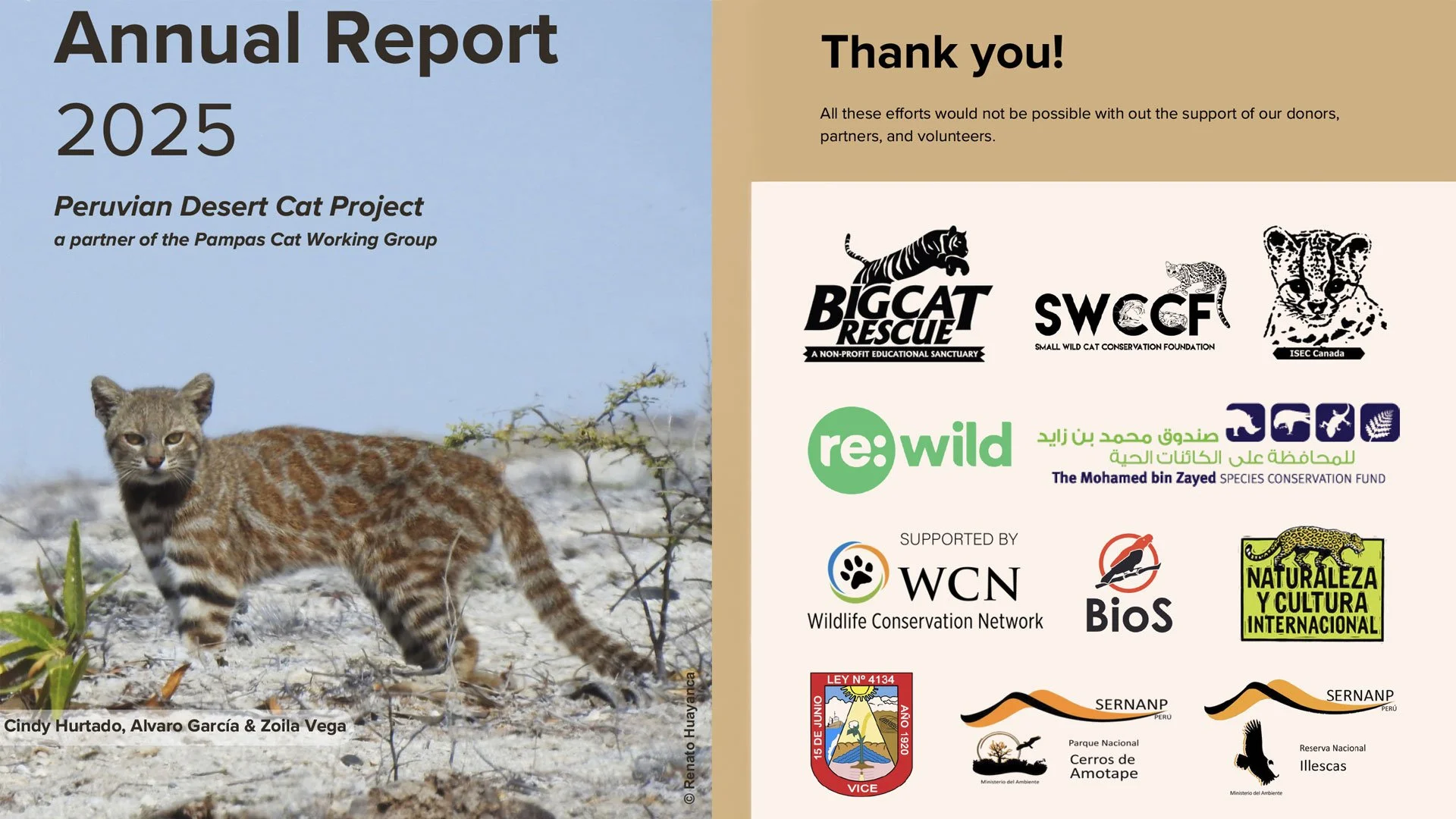



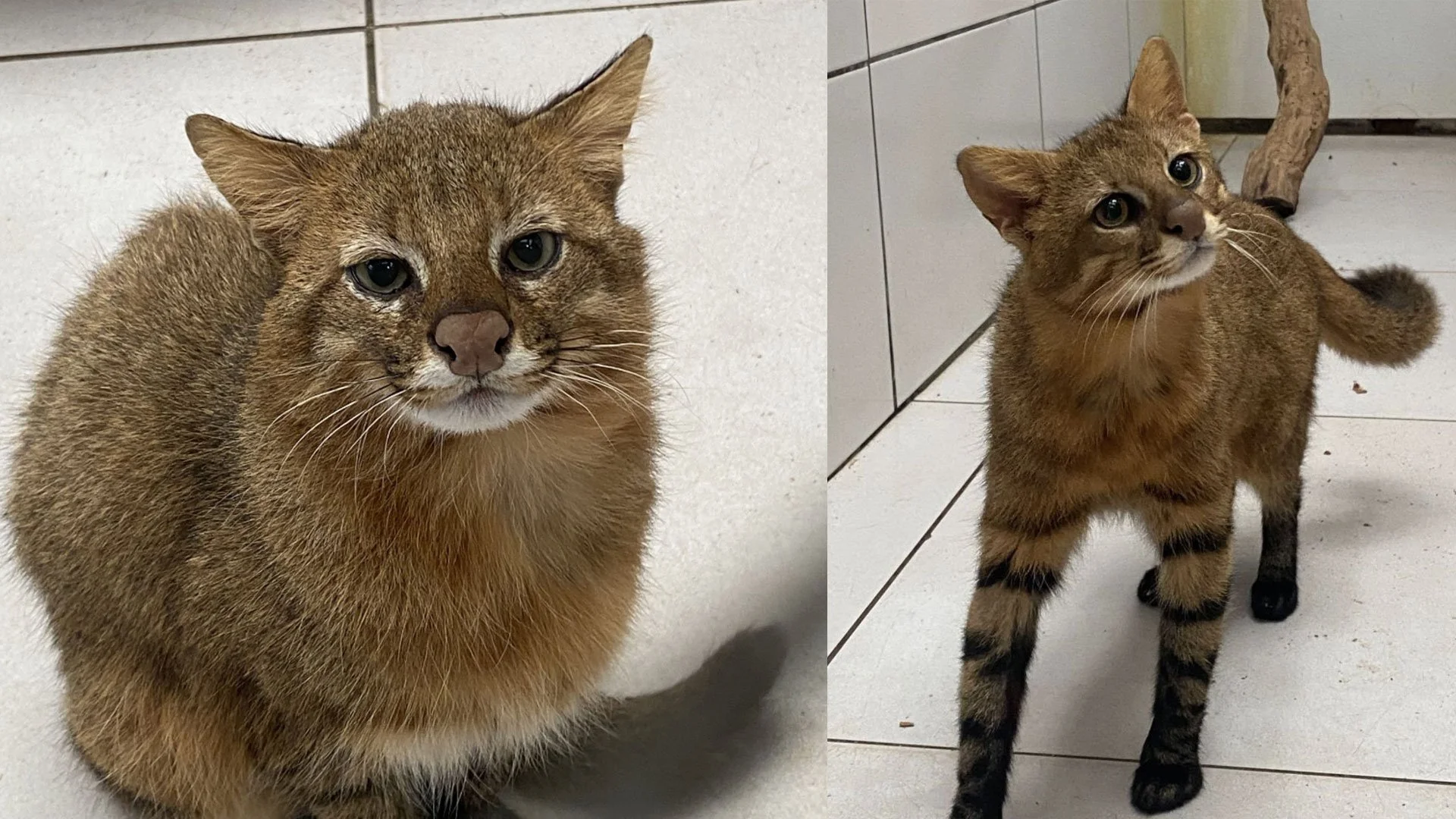



Dr. Hurtado's unwavering commitment to the conservation of endangered cats is evident in her tireless efforts to protect the Pampas Cat and the Andean Mountain Cat from the brink of extinction. Each day, she wakes up with a singular purpose: to ensure that these elusive and precious animals continue to thrive in their natural habitats.