Pampas Cat Working Group
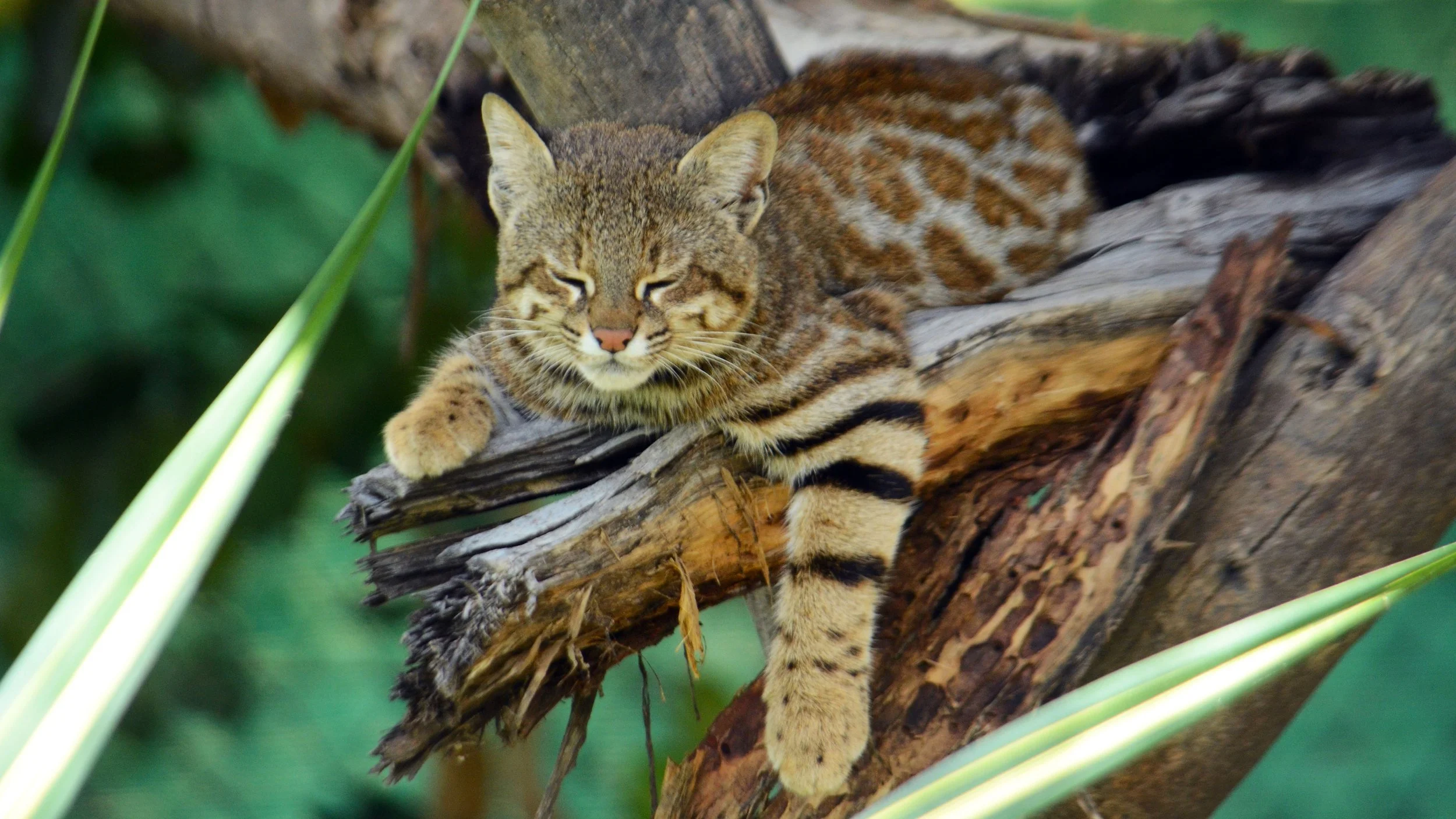
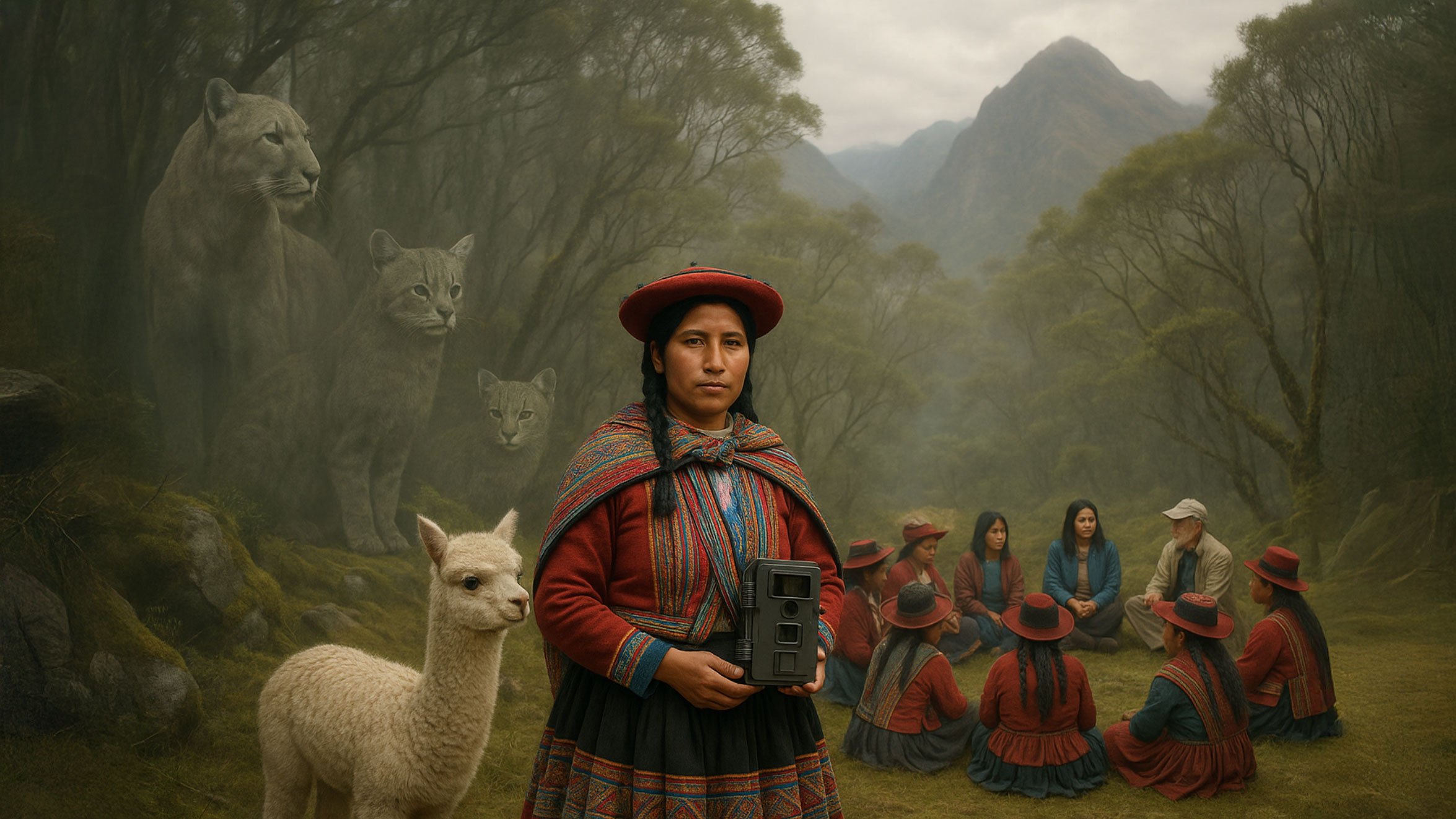
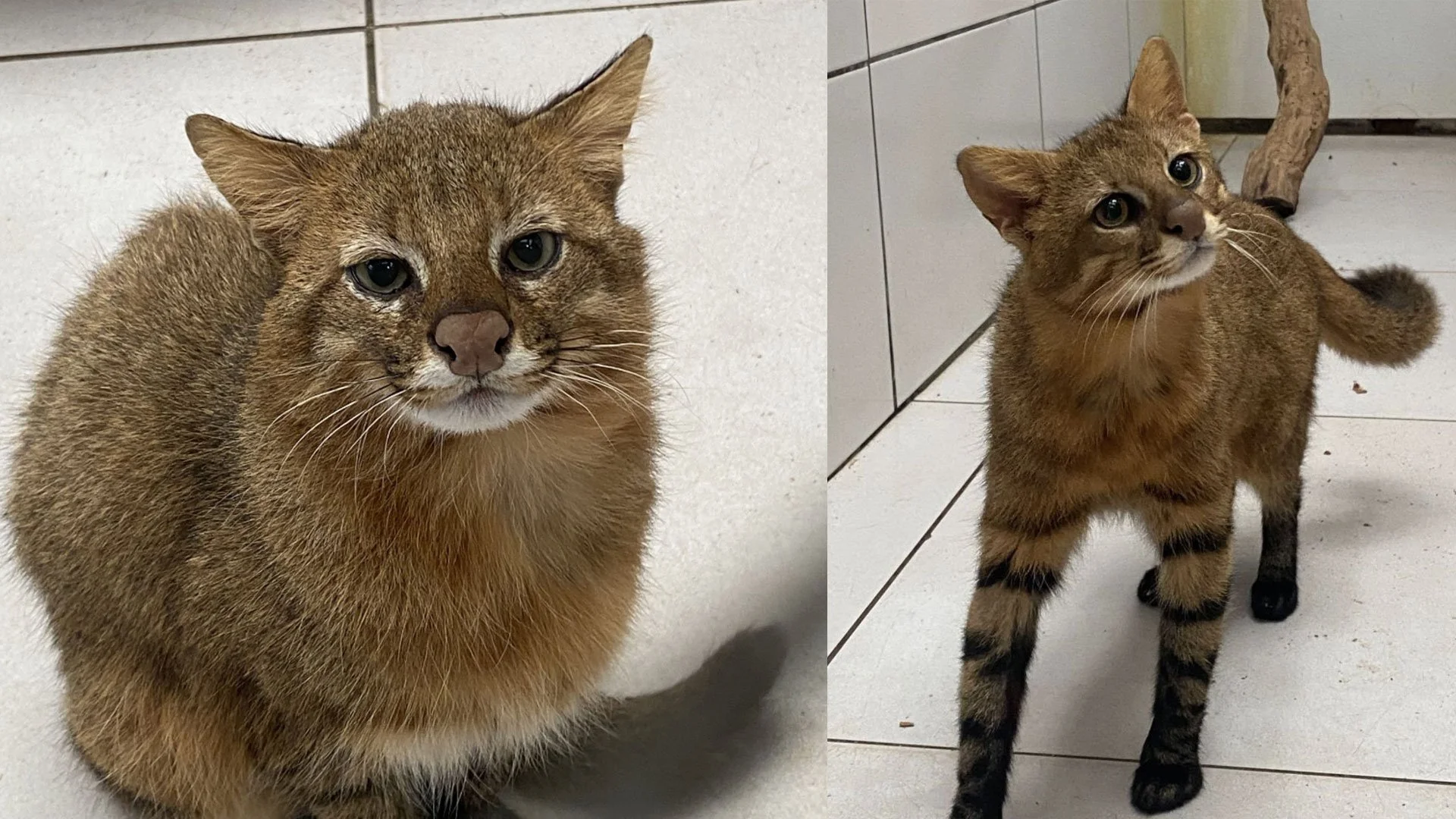
The video describes multi-faceted efforts of the Pampas Cat Working Group (PCWG) and its partners to protect small wild cats across South America. These initiatives address human-wildlife conflict by constructing secure chicken coops to prevent feline predation on poultry and subsequent retaliatory killings by farmers. Conservationists also manage domestic animal populations through vaccination and sterilization campaigns to limit disease transmission to local wildlife. To raise public awareness, the groups utilize environmental education, community workshops, and creative tools like illustrated books and local murals. Furthermore, the sources highlight technical interventions such as the installation of camera traps for population monitoring and road signs to reduce wildlife fatalities. Together, these programs aim to foster sustainable coexistence between rural communities and vulnerable species like the pampas cat and oncilla.
https://storymaps.arcgis.com/stories/5677af3c924d473ca2866014f16bef2a
https://www.facebook.com/pampascatwg
See more on their Instagram channel @felinos_de_monte
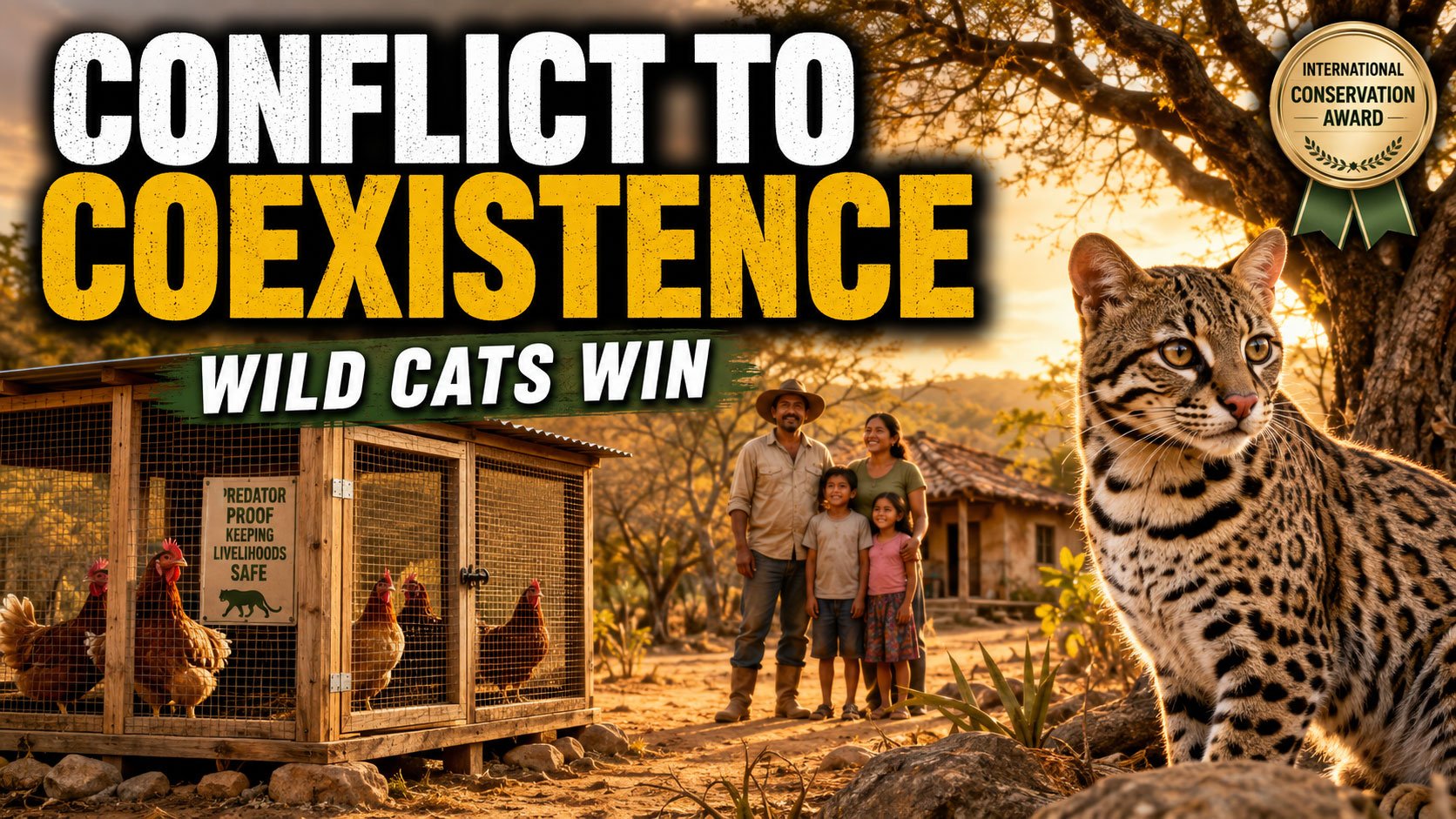
In Ecuador’s dry forest, a small community is proving that coexistence with wild cats is possible. Through predator-proof poultry coops, education, and local conservation leadership, El Mamey is turning conflict into hope for families, chickens, and native wild cats.
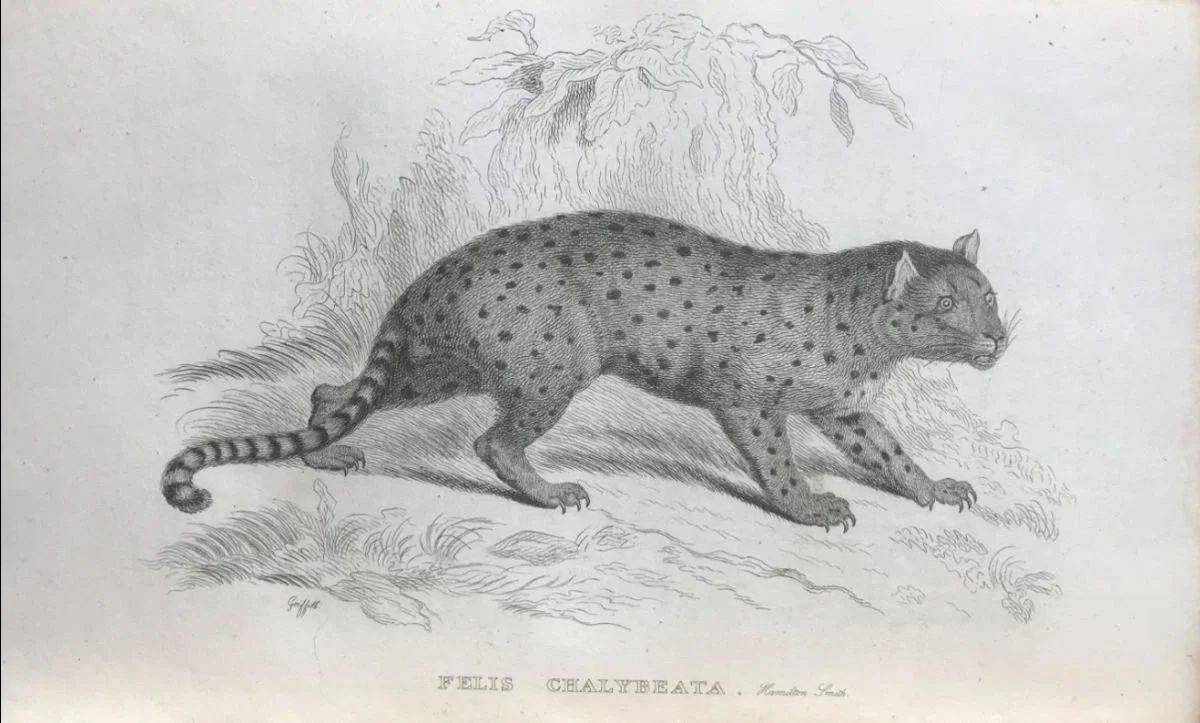
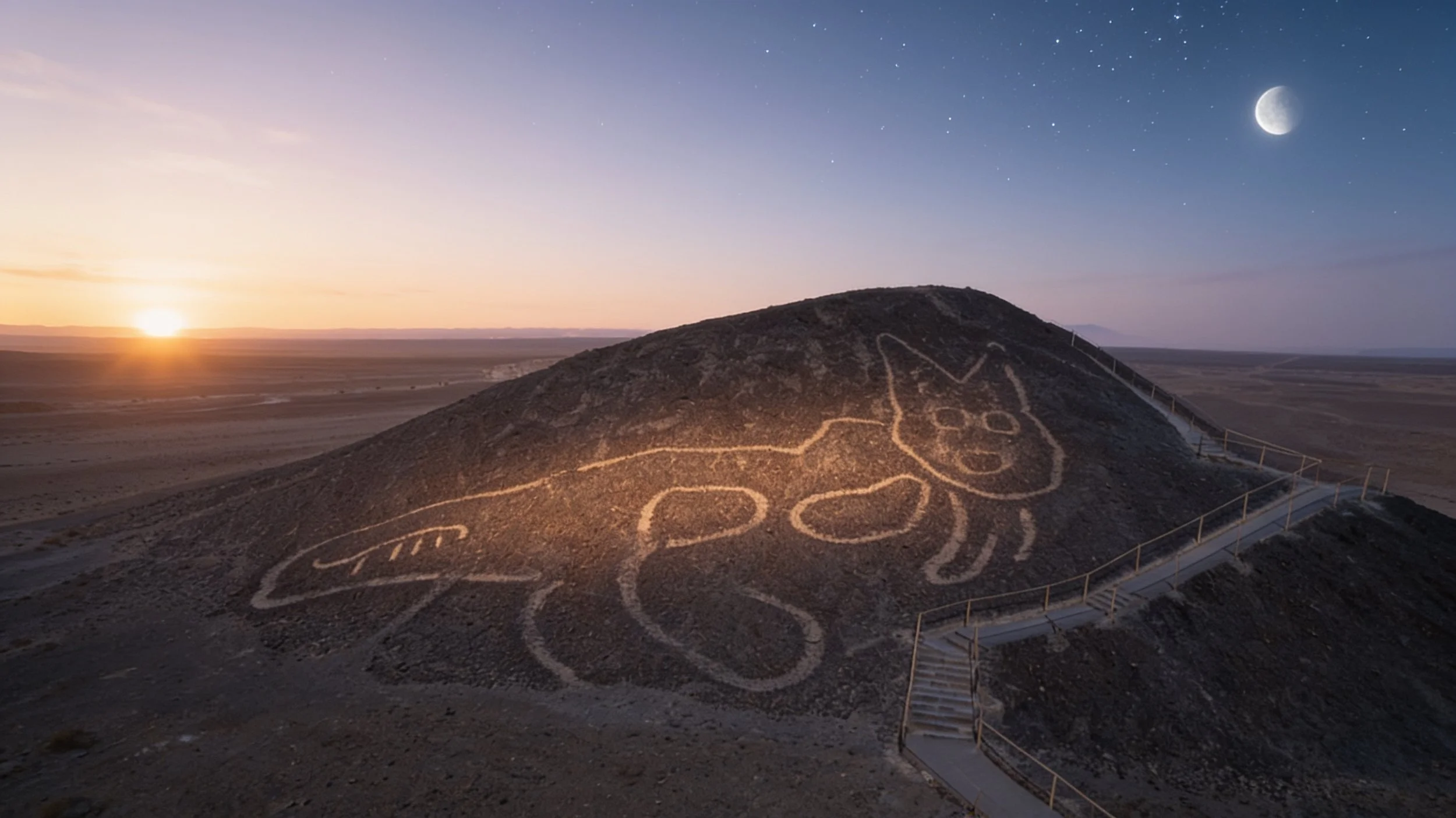
The Nazca cat geoglyph is one of the oldest known Nazca Lines, a 37 meter (120 foot) feline figure carved into a hillside in southern Peru between 200 and 300 BC. Discovered in October 2020 during work on a desert lookout point, the cat was nearly erased by natural erosion. Peru's Ministry of Culture cleared the faint lines by hand to reveal a reclining cat with a round head, pointed ears, and a long striped tail. This guide explains how the Nazca Lines were made, why the cat dates to the earlier Paracas period, and how cats shaped the art and culture of ancient Peru. A calm, educational look at one of the desert's most charming ancient drawings.

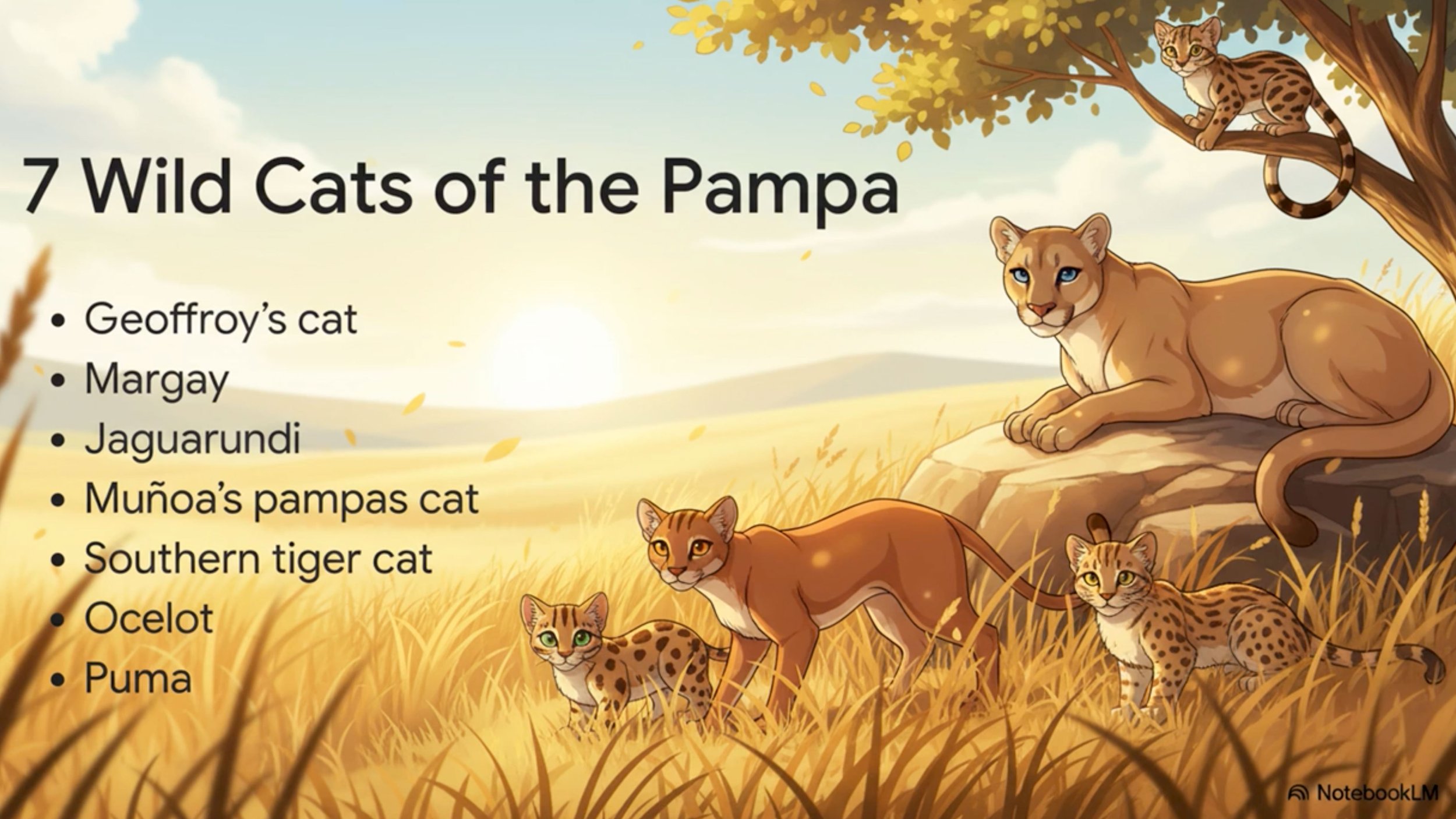
Felinos do Pampa: Conserving the Wild Cats of the Grasslands
The provided sources detail the mission and activities of the Felinos do Pampa Project, a conservation initiative dedicated to protecting wild cats in the Pampa biome of southern Brazil. This research group focuses on species like the Muñoa’s Pampas cat and the southern tiger cat, utilizing tools such as GPS collars and camera traps to monitor their survival in fragmented habitats. Beyond field research, the organization works to mitigate human-wildlife conflict by installing wildlife road signage and constructing predator-proof enclosures for livestock. The documentation also highlights recent viral media coverage and academic studies regarding how urban development and environmental changes affect feline migration routes. Ultimately, the project seeks to balance scientific research with community education to ensure these rare small felids can coexist with local human populations.
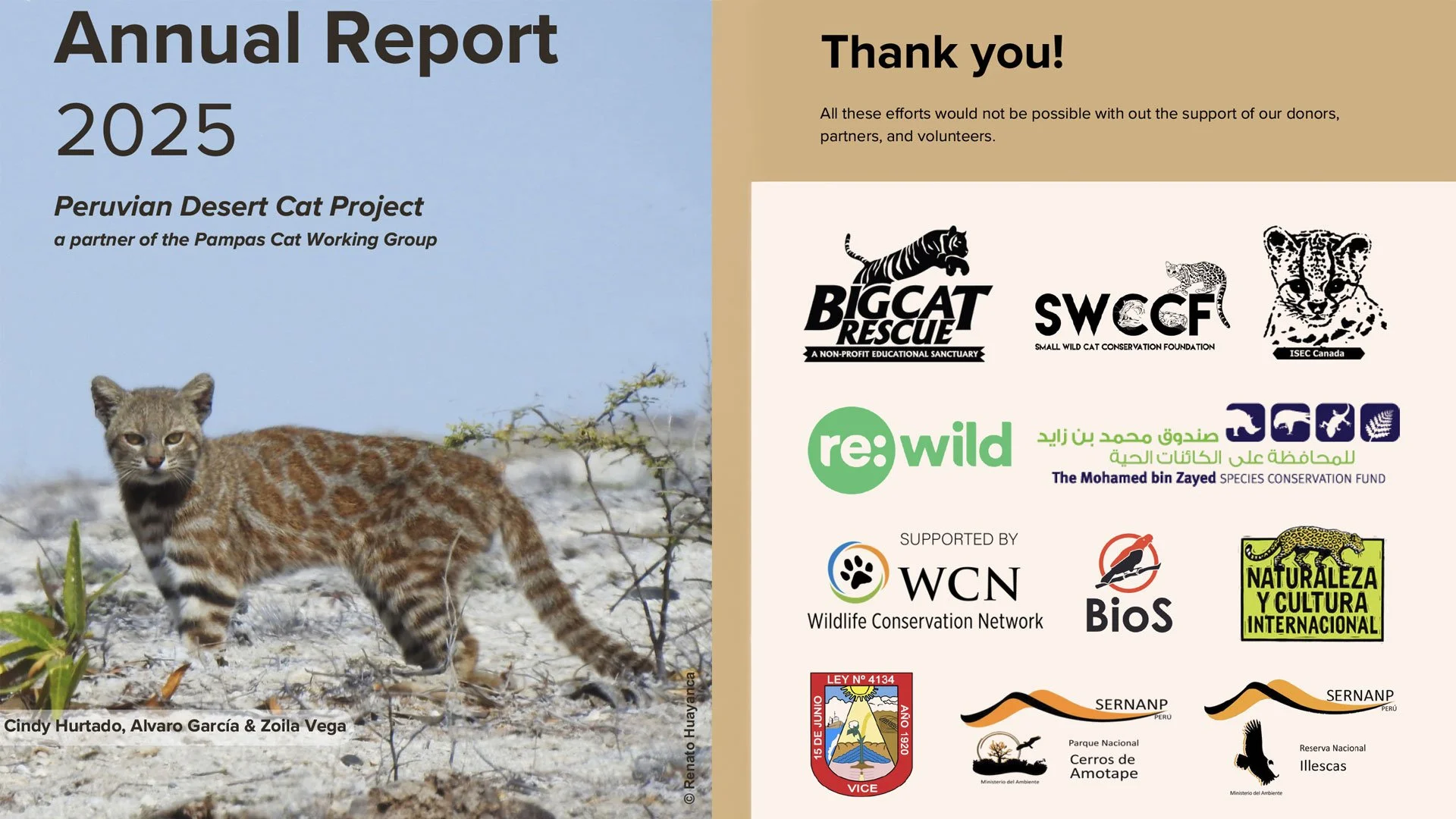
The Peruvian Desert Cat Project’s 2025 Annual Report details a comprehensive strategy to protect the endangered Desert Pampas Cat through community-based and scientific initiatives. To mitigate human-wildlife conflict, the organization helps rural families build predator-proof coops and offers veterinary training, reducing the need for retaliatory killings. The project also addresses road mortality through driver education and seeks legal land protection for thousands of hectares of vital dry forest habitat. Beyond physical safeguards, the report emphasizes youth education and local outreach to foster long-term environmental stewardship. Finally, the sources highlight a critical genetic study revealing that even seemingly stable populations in mangroves are suffering from low diversity, necessitating new efforts to restore habitat connectivity.
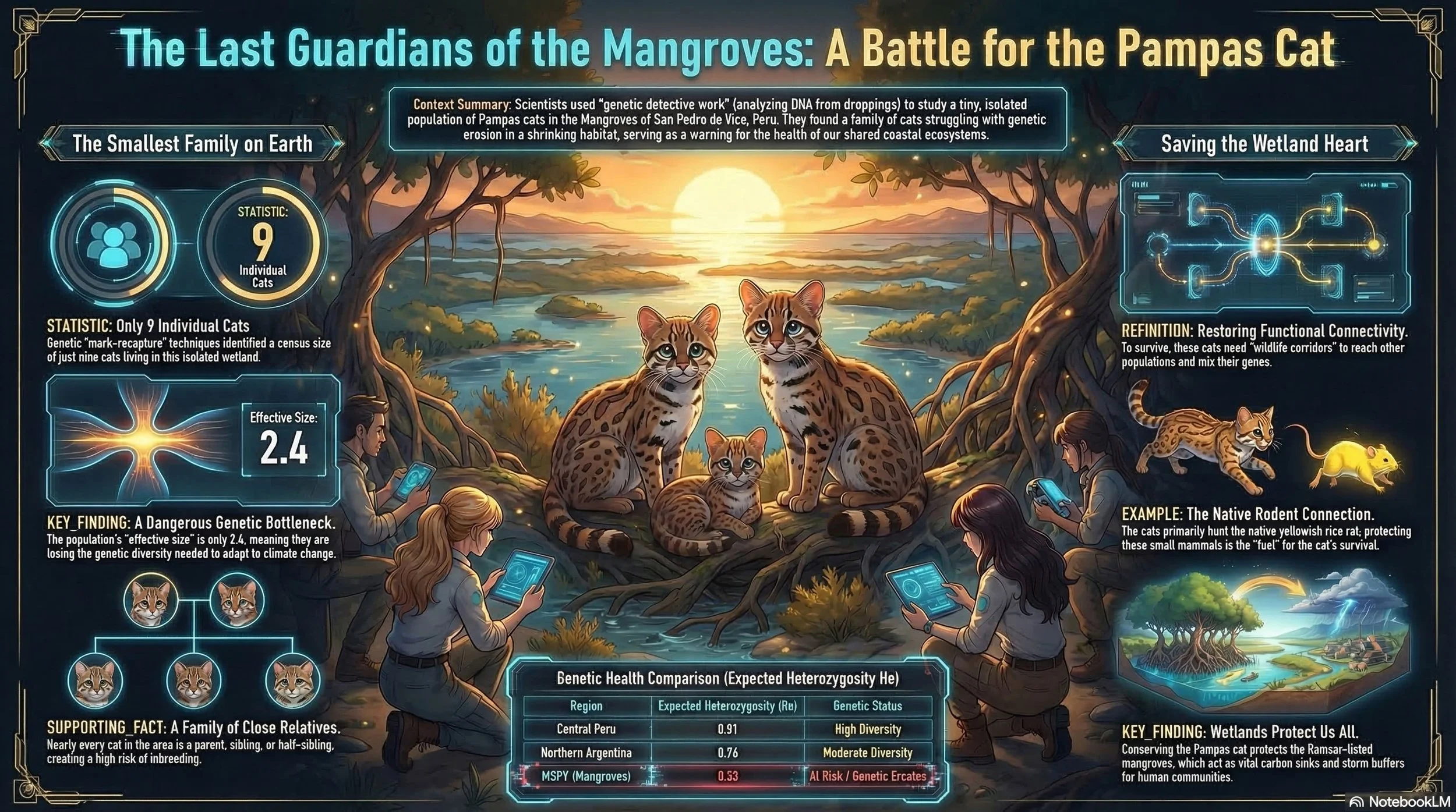
This research investigates the Pampas cat (Leopardus garleppi) population residing in the Mangroves San Pedro de Vice, a Ramsar-listed wetland in northwestern Peru. Scientists used noninvasive fecal DNA sampling between 2019 and 2021 to examine the species' genetic diversity, demographic trends, and trophic ecology. The findings reveal a critically small, kin-structured population of only nine identified individuals suffering from a recent genetic bottleneck and low effective population size. DNA metabarcoding of the samples indicates a diet primarily composed of the native yellowish rice rat, with no major dietary differences found between males and females. Ultimately, the study emphasizes that habitat restoration and functional connectivity are essential to prevent the extinction of this isolated, coastal felid population.



Near-infrared tech inspired by grocery store scanners is helping Amazon researchers identify species faster, aiding conservation and the fight against wildlife trafficking.
 Carole Baskin
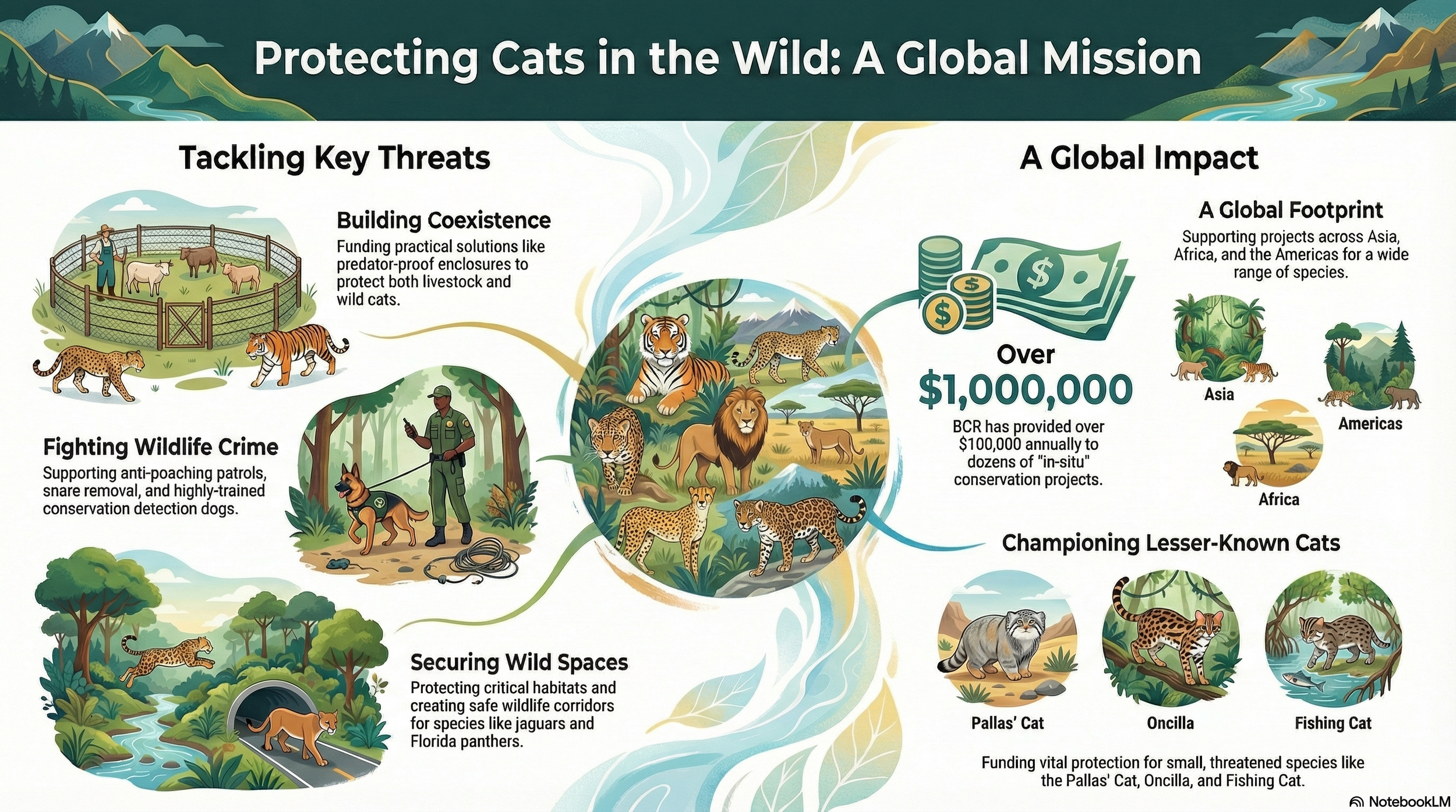
Carole Baskin is the founder and CEO of Big Cat Rescue and author of this web page. Since 1992, she has worked to end the exploitation of exotic cats and now leads the non profit's efforts to protect wild cats in the wild by funding innovative threat mitigation programs that allow humans and wild cats to co-exist in peace.