Fundacion JAPU
Fundacion JAPU
From Conflict to Coexistence: The Ecuadorian Dry Forest's Bold New Blueprint for Wild Cat Conservation
In the stillness of the Ecuadorian dry forest, the night is rarely silent. Beneath the twisted branches of carob trees and across the arid, dust-dusted terrain, a subtle tension has long existed between the people who call this rugged landscape home and the native small wild cats that prowl its shadows. For a rural farmer in El Mamey, the sound of a rustle near the poultry house once signaled a looming economic blow—a lost chicken meant lost food and income, often resulting in a retaliatory cycle that left the forest’s feline predators in the crosshairs.
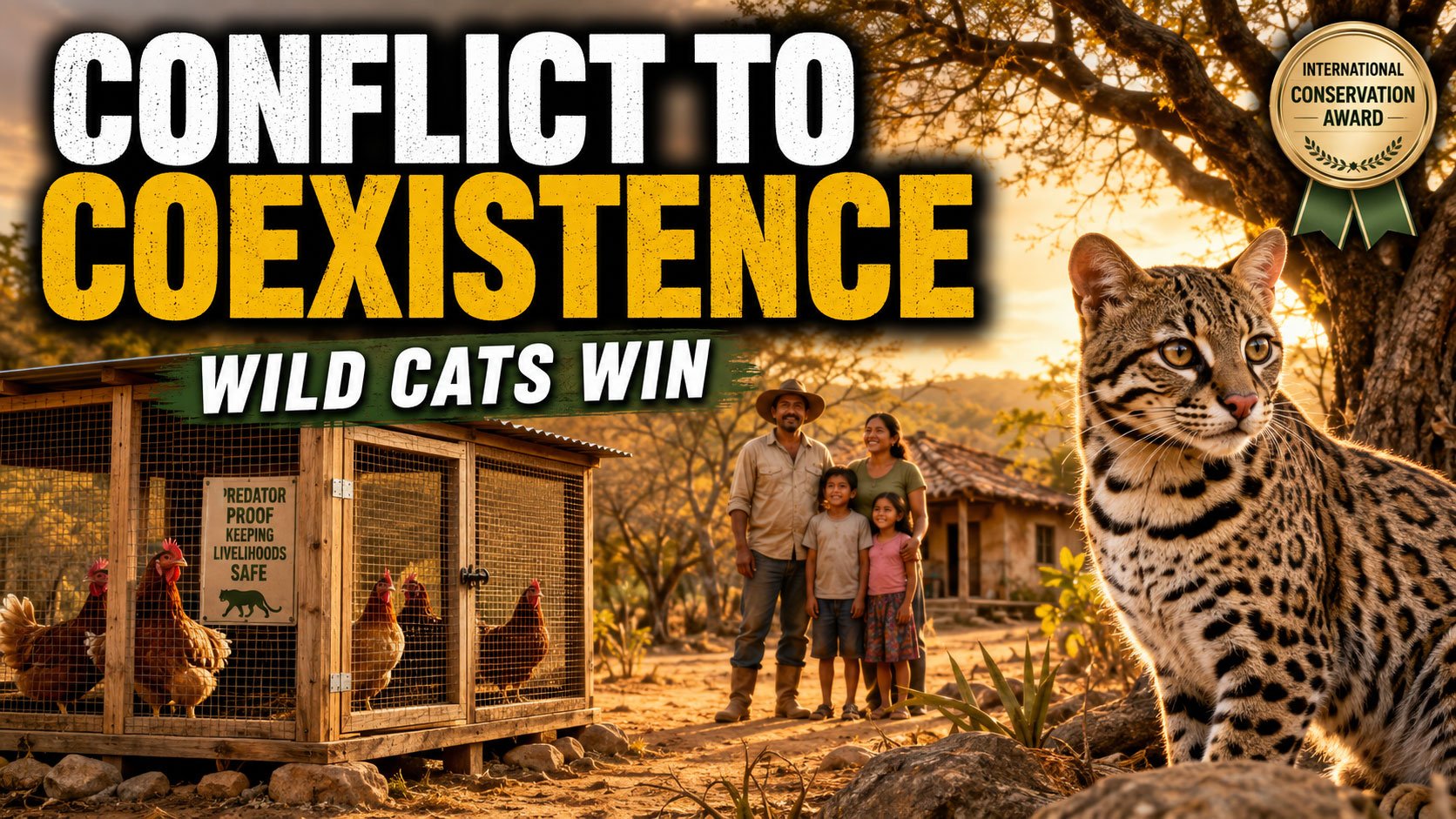
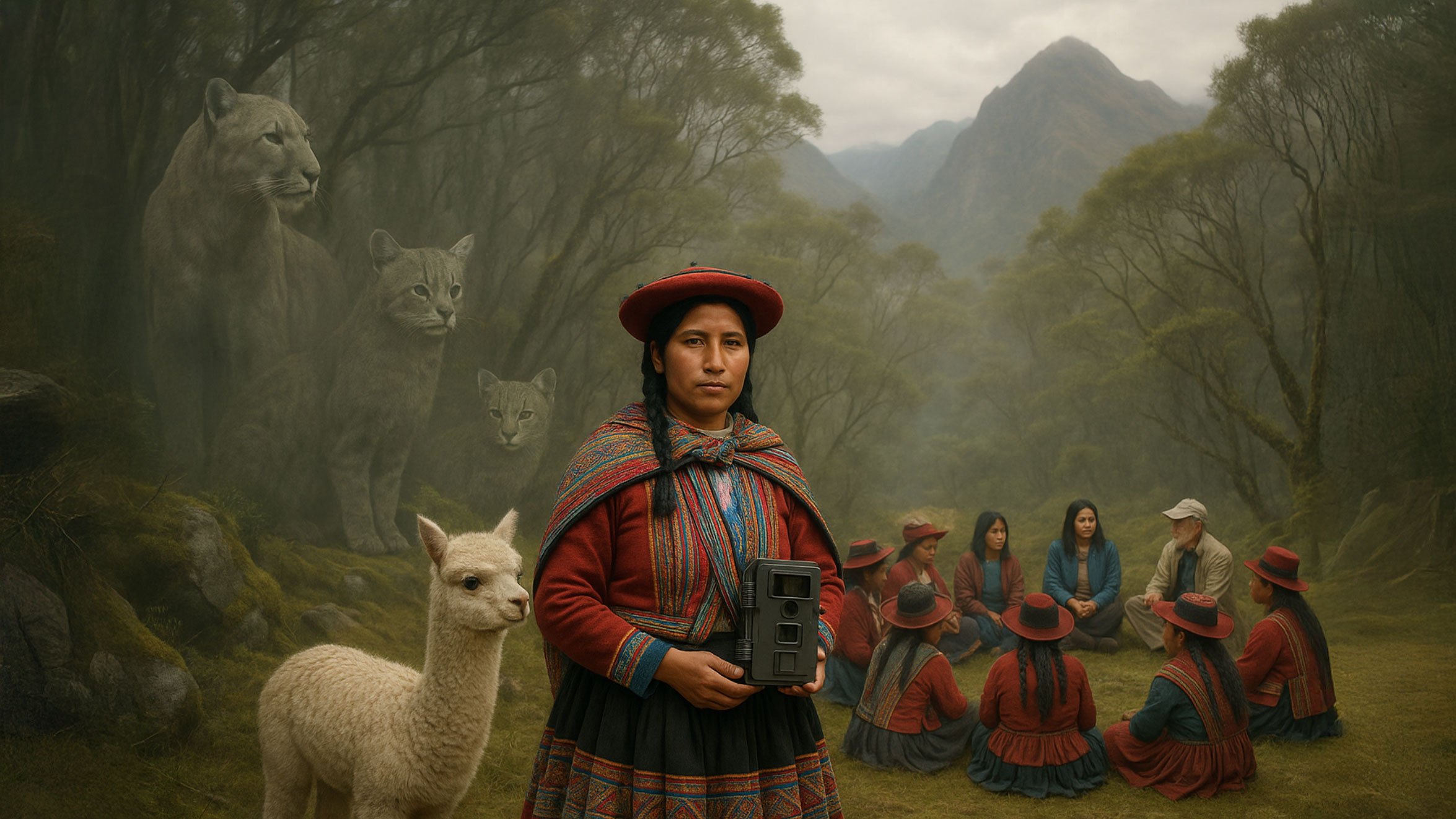
But the narrative is shifting. What was once a battlefield is becoming a sanctuary through a transformative initiative: “El Mamey convive: familias y felinos del bosque seco” (El Mamey Coexists: Families and Felines of the Dry Forest). By addressing the relatable curiosity of how predators and people can share a porch without fear, this project is proving that coexistence isn't just a lofty environmental goal—it is a practical necessity. Recently, this vision for a harmonious dry forest was catapulted onto the international stage, receiving prestigious recognition at the Premios Verdes event for its innovative approach to conservation.
Continental Recognition for Local Impact
The scale of the achievement for Fundación JAPU and the El Mamey community cannot be overstated. At a high-profile gathering at the Hilton Hotel, the project was officially certified as one of the 500 leading socio-environmental projects in Latin America and the Caribbean. Out of 102 national initiatives selected from Ecuador, the El Mamey project emerged as a standout, proving that hyper-local solutions can resonate across an entire continent.
The weight of this recognition was underscored by the presence of regional leaders, including Gustavo Manrique Miranda, President of Premios Verdes, and Priscilla Torres Salazar, Director of the Ecosystem, both of whom signed the certificate of excellence. This accolade places the tiny community of El Mamey at the heart of a regional movement toward sustainability.
Official Category: "Ecosistemas Terrestres" (Terrestrial Ecosystems)
The Hardware of Harmony: The Integrated Model
The "magic" of the El Mamey project lies in its "Integrated Model," which bridges the gap between economic survival and environmental ethics. At the center of this model is a very practical piece of hardware: predator-proof poultry coops. In a landscape where every chicken represents a family’s livelihood, these fortified structures serve as the first line of defense.
By providing a tangible solution to livestock loss, the project solves an immediate economic problem. This is the essential "entry point" for conservation. When a family no longer fears for their poultry, the wild cats are no longer viewed as thieves to be hunted, but as vital components of a healthy ecosystem. Solving the pocketbook issue creates the psychological space required for a new kind of relationship with the wild.
Conservation as an Educational Journey
The coops are the foundation, but education is the bridge. The El Mamey model understands that hardware alone cannot change a culture; a shift in mindset is the only way to ensure long-term success. Through environmental education, the project transforms the community’s perception of native small wild cats.
Families participate in a journey of discovery, moving from a history of fear to a future of stewardship. By learning about the ecological roles these felines play—such as controlling rodent populations—the residents of El Mamey are beginning to see themselves as guardians of the dry forest. Education is the tool that ensures the predator-proof coops are not just fences, but symbols of a shared home.
"This recognition reflects a collective effort and further strengthens our commitment to conserving the dry forest and its wild cats."
A Global Network Supporting Local Wild Cats
While the action happens on the ground in Ecuador, the project’s heartbeat is sustained by a global network of expertise and support. The synergy of local action and international backing was on full display during the project’s recent working sessions:
Fundación JAPU: Represented by Cristian Barros and Carlos Coello, whose presentation of the coexistence model was hailed as a benchmark for regional conservation.
Big Cat Rescue: A pivotal partner that provided the essential funding to bring the project to life.
Pampas Cat Working Group: Led by Cindy Hurtado and Alvaro García, this group provides the specialized scientific guidance and continued regional expertise necessary to protect these elusive species.
This collaboration proves that when international funders and regional scientists empower local communities, the results can be world-class.
The Road to Cuenca: The Anticipation of the "Top Three"
The momentum for El Mamey is only building. The project has cleared the first major hurdle by breaking into the continental top 500, but the journey reaches its climax this autumn. In October, the conservation world will turn its eyes to Cuenca, Ecuador, where the three leading projects in each category will be announced.
The possibility of El Mamey being named a top-three finalist in the Terrestrial Ecosystems category has electrified the local conservation movement. It represents a potential turning point for the Ecuadorian dry forest—a chance to show the world that coexistence is not just a dream, but a scalable, winning strategy for the 21st century.
Conclusion: The Future of the Dry Forest
The "El Mamey" project has provided more than just coops; it has provided a blueprint. It shows us that when we protect the livelihoods of people, we create the safety needed to protect the lives of animals. By blending hardware with heart and local action with global support, this small Ecuadorian community is teaching us all how to live in the "in-between."
If a small community in the heat of the Ecuadorian dry forest can find a way to share their backyard with wild cats, what does that say about our potential to live in harmony with the rest of the natural world? Perhaps the distance between conflict and coexistence is shorter than we think.
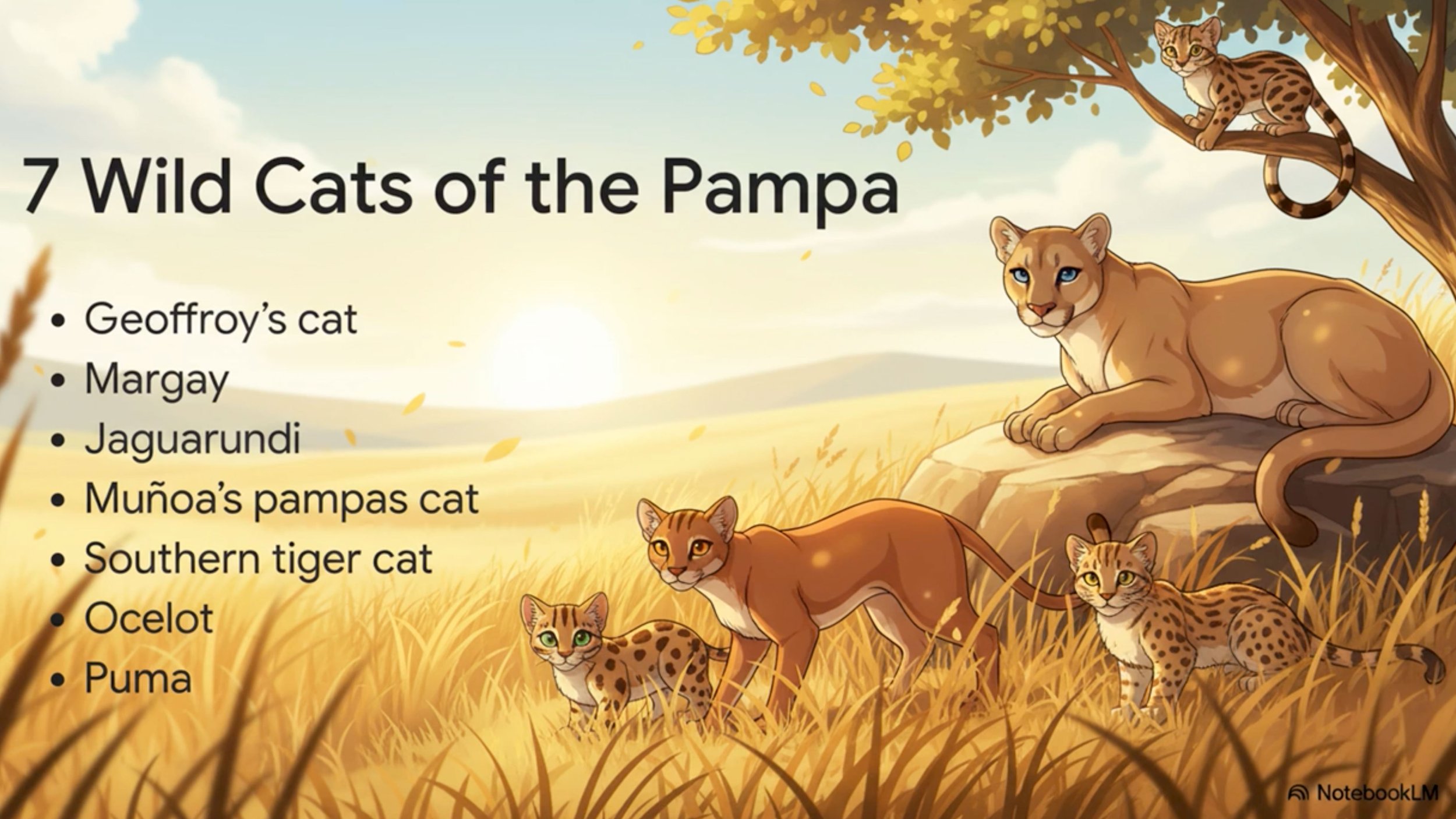
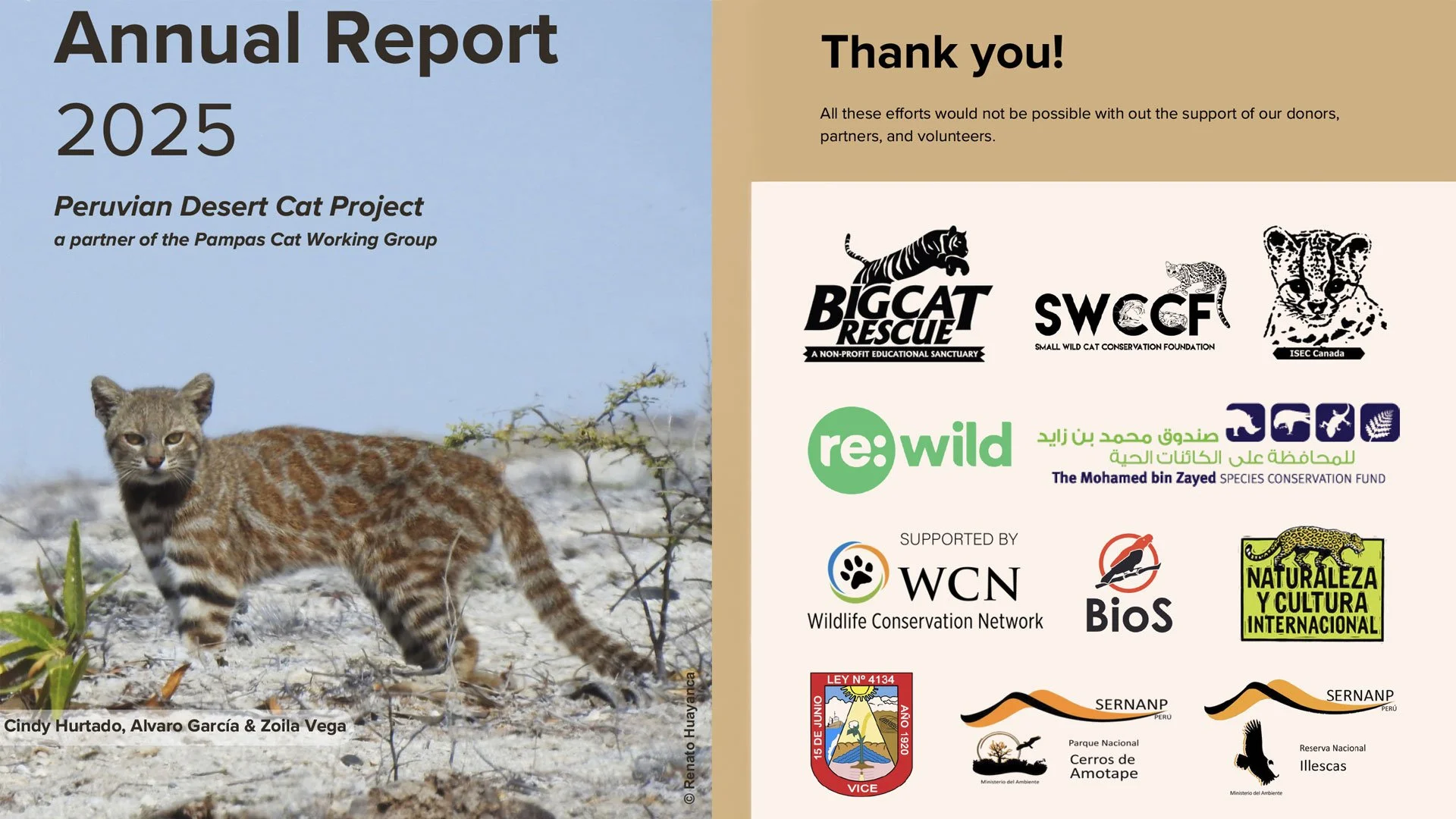
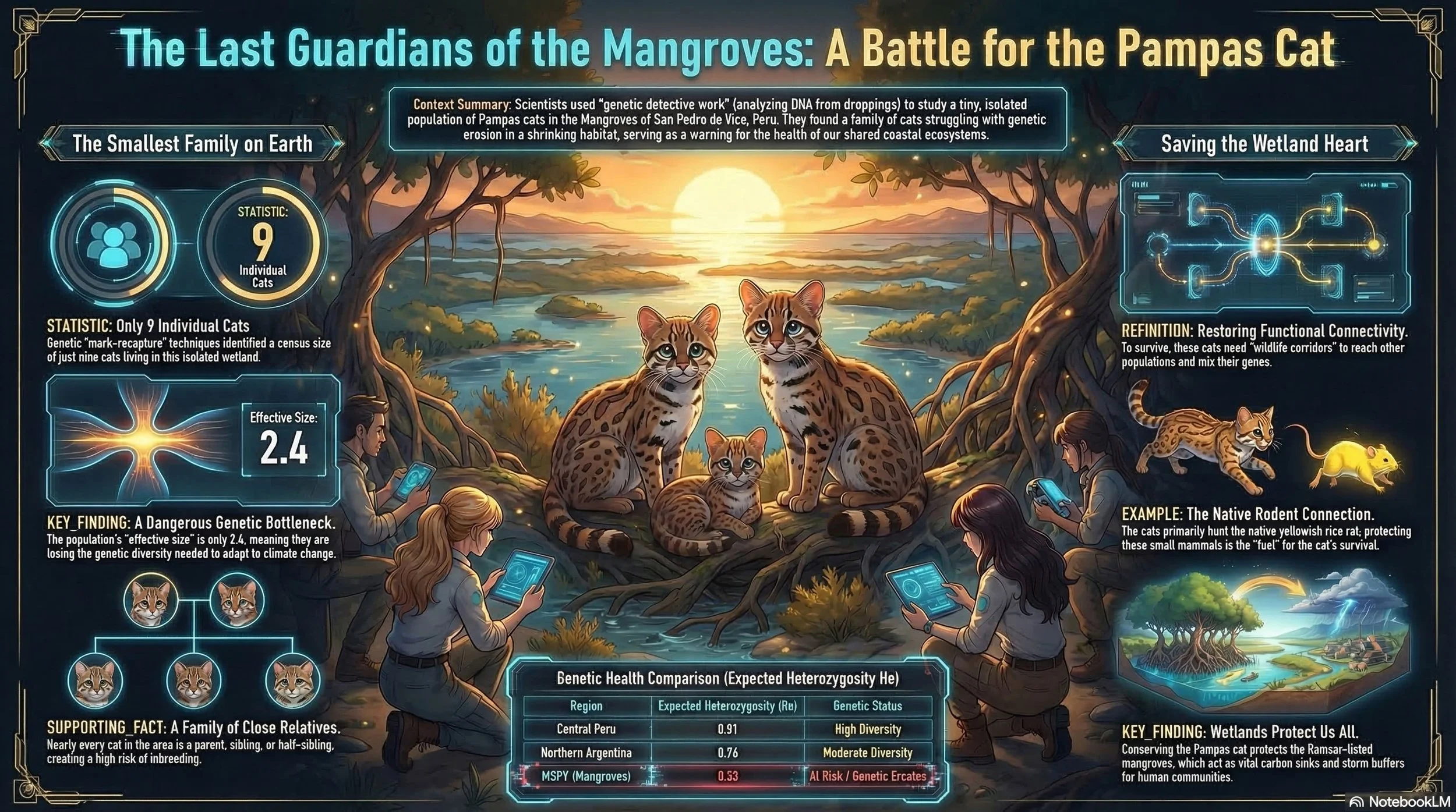
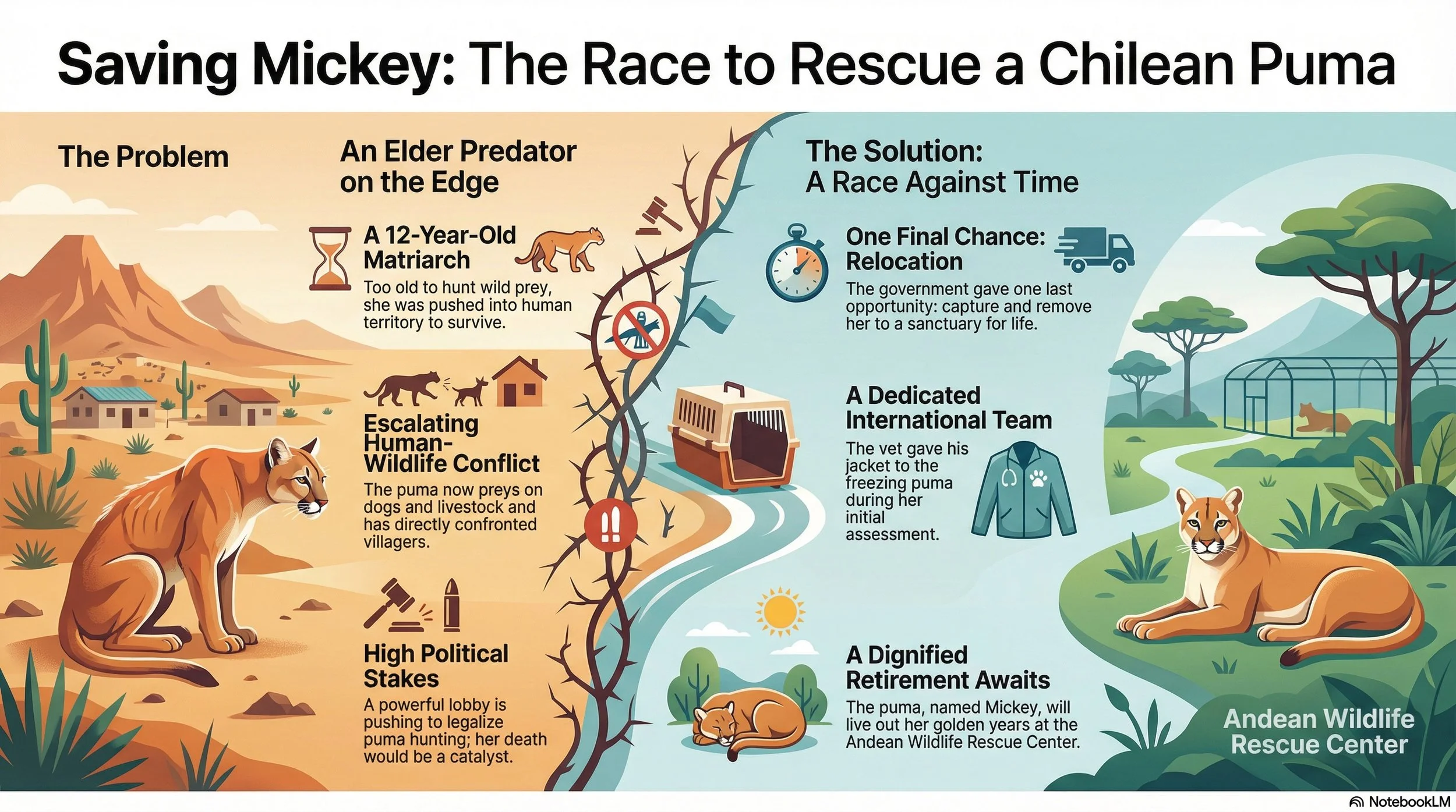

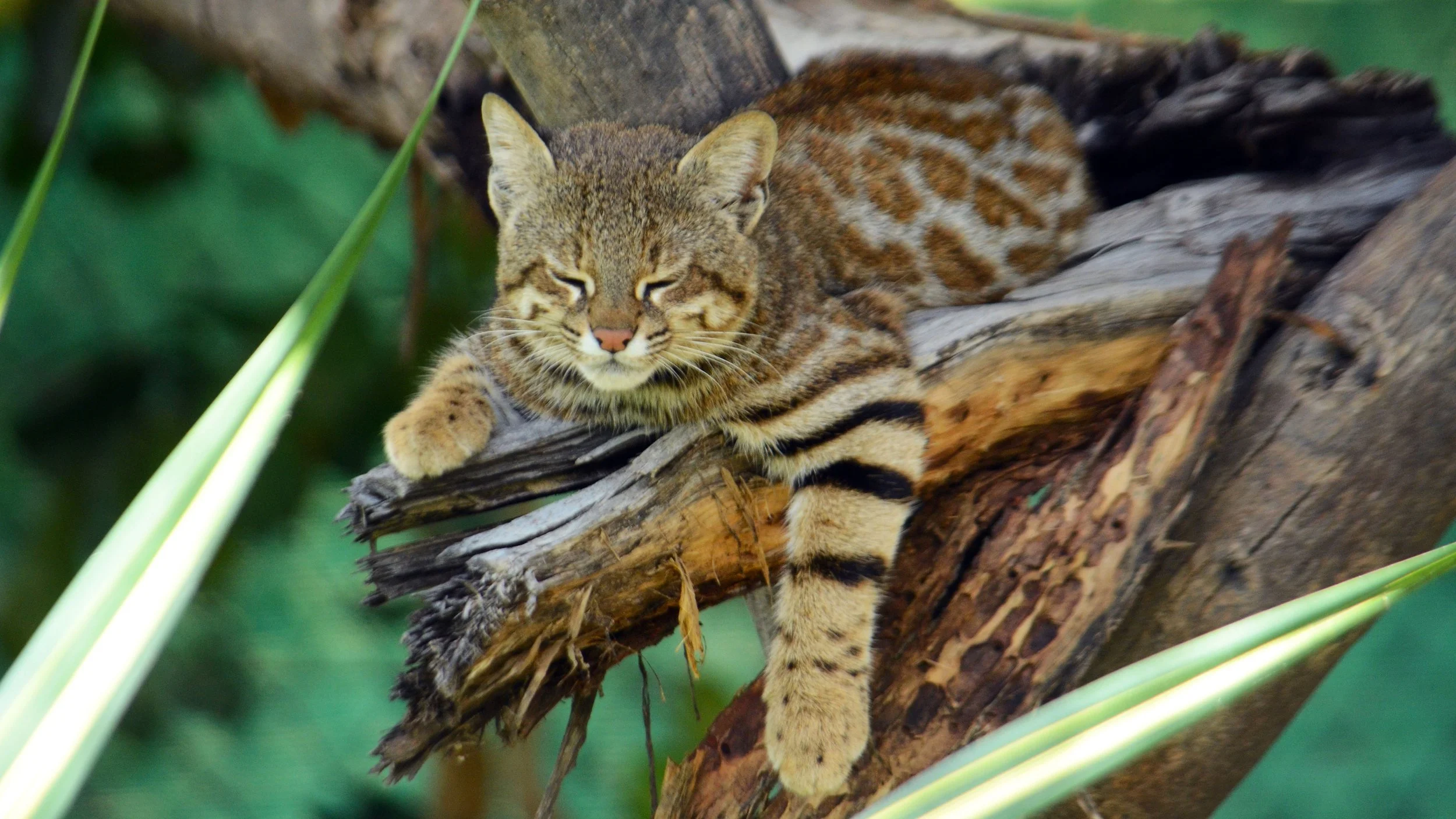
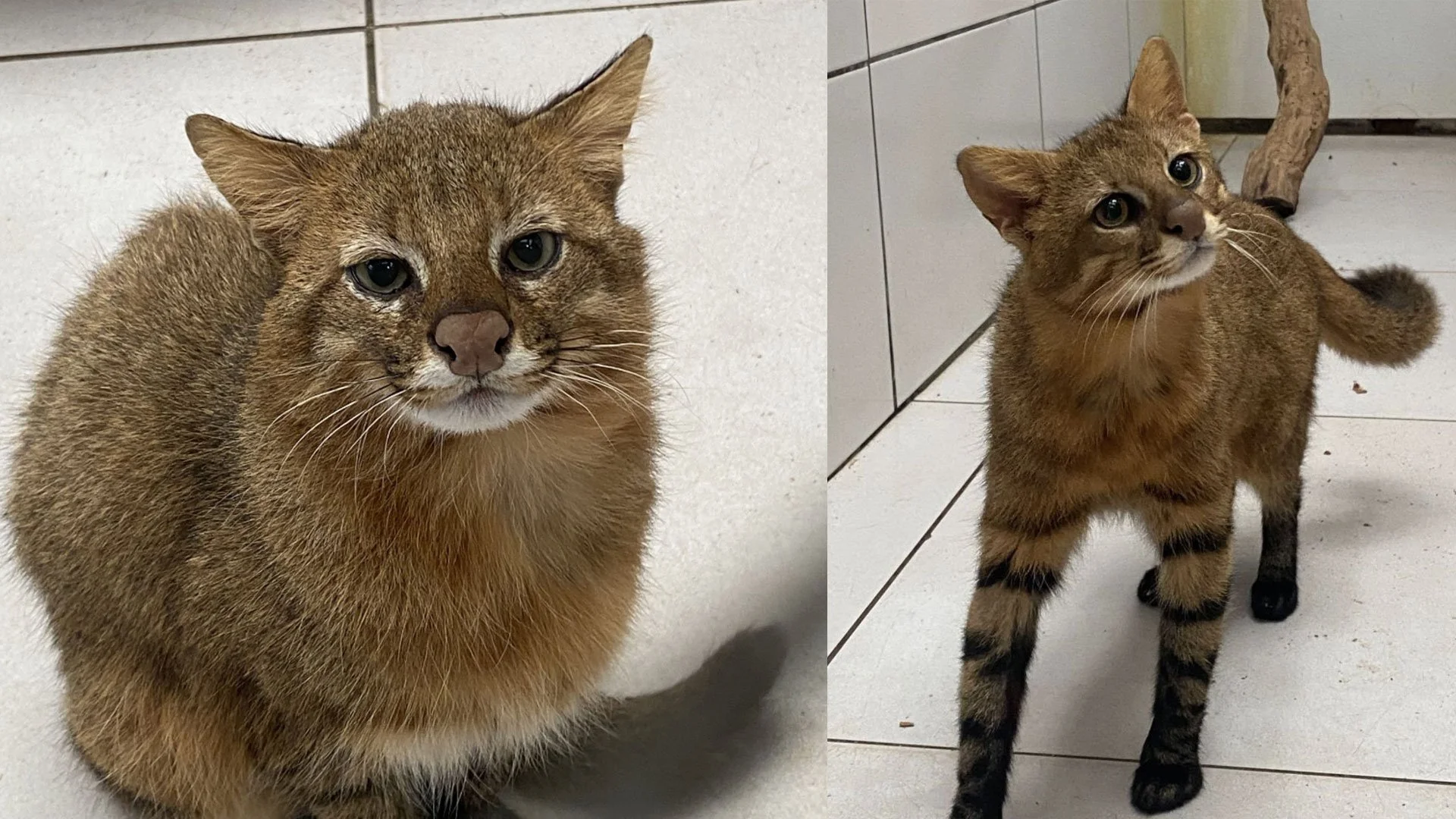

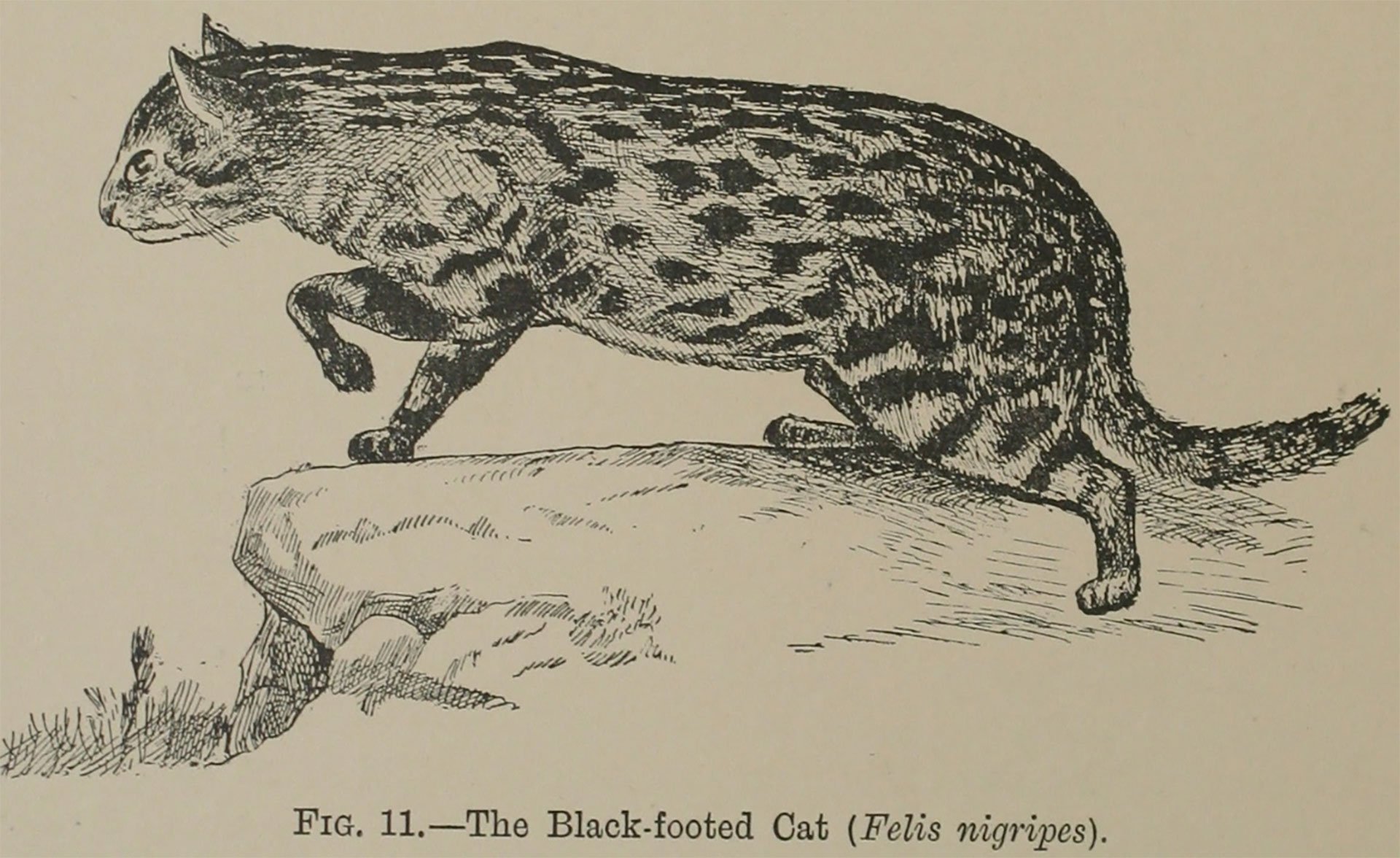

Dr. Hurtado's unwavering commitment to the conservation of endangered cats is evident in her tireless efforts to protect the Pampas Cat and the Andean Mountain Cat from the brink of extinction. Each day, she wakes up with a singular purpose: to ensure that these elusive and precious animals continue to thrive in their natural habitats.