Earth’s Second Lung and Our Second Chance
Why Reducing Animal Consumption Benefits All Humanity
Deep within the heart of Africa lies the Congo Basin—an expansive, vibrant ecosystem often referred to as Earth's "second lung." It holds a monumental role in capturing global carbon and sustaining thousands of unique species. Yet, as a 2026 AP News report highlights, this critical haven is under intense pressure. A combination of bushmeat hunting and a devastating outbreak of the rare Bundibugyo Ebola virus has brought a harsh reality to light: our relationship with consuming animals is pushed to a dangerous brink.
While the situation in the Congo is deeply tied to local culture and immediate survival, it mirrors a global crisis. Shifting humanity toward consuming far fewer animal products isn't just an idealistic environmental goal—it is a vital necessity for public health, pandemic prevention, and the restoration of our planet's natural protectors.
1. Breaking the Chain of Zoonotic Disease
The current Ebola outbreak in the Democratic Republic of Congo is a stark reminder of how zoonotic diseases (viruses that jump from animals to humans) begin. Experts note that while human-to-human transmission drives epidemics, the initial "spillover" almost always starts with hunting, butchering, and processing wild meat.
When we look globally, the story is remarkably similar. Whether it is the commercial trade of wild animals or the crowded, stressful conditions of industrial factory farming, treating animals as commodities creates the perfect breeding ground for mutating pathogens. By drastically reducing our reliance on animal products, we shrink the interface where dangerous viruses leap into the human population, effectively cutting off the next global pandemic at the root.
2. Giving Wild Cats Their Kingdoms Back
The extraction of millions of tons of meat from ecosystems like the Congo Basin, alongside global deforestation for livestock grazing and feed crops, is destroying the world's biodiversity. Among the hardest hit are apex predators, particularly wild cat species—from the elusive leopards of Central Africa to jaguars and tigers worldwide.
When humans over-hunt wild game, we directly steal the prey base that large wild cats rely on to survive. Furthermore, agricultural expansion fragments their territories, forcing them into conflict with humans. Embracing a plant-forward diet reduces the demand for land and resource extraction, allowing forests to heal. This gives wild cats the space and food they need to thrive and reclaim their roles as top-tier guardians of the wild.
3. Nature’s Pest Control: The Ecological Domino Effect
When wild cats thrive, the entire ecosystem balances out. Large and medium-sized wild cats are nature’s most effective population control for smaller mammals, particularly rodents and vermin.
In ecosystems where predators are hunted or starved out, rodent populations explode. This creates a secondary health crisis:
Overpopulation: A surplus of vermin ravages local crops, threatening human food security.
Disease Vectors: Rodents are notorious reservoirs for dozens of flea- and tick-borne human diseases, such as Lassa fever, leptospirosis, and the plague.
By consuming fewer animal products and allowing wild cat populations to rebound, we naturally keep vermin populations in check. Predators do the heavy lifting of disease mitigation for us, free of charge.
The Takeaway: A Shared Future
The vendors at the Masina Market in Kinshasa face a complex reality of culture, livelihood, and survival. But on a global scale, those of us with the luxury of dietary choice have a profound responsibility.
Choosing to eat fewer animal products is a powerful, peaceful protest against ecological collapse. It mitigates the threat of terrifying viruses, preserves crucial carbon sinks like the Congo Basin, and restores the majestic predators that keep our world healthy. For the sake of wild cats, for the stability of the environment, and for the safety of all humanity—it’s time to rethink what we put on our plates.

In Texas, about 95% of the land is privately owned, and mountain lions have had almost no legal protection for over a century. You might assume ranchers there would be the cats’ worst enemies. A new Texas A&M study of 1,069 Texans found the opposite.

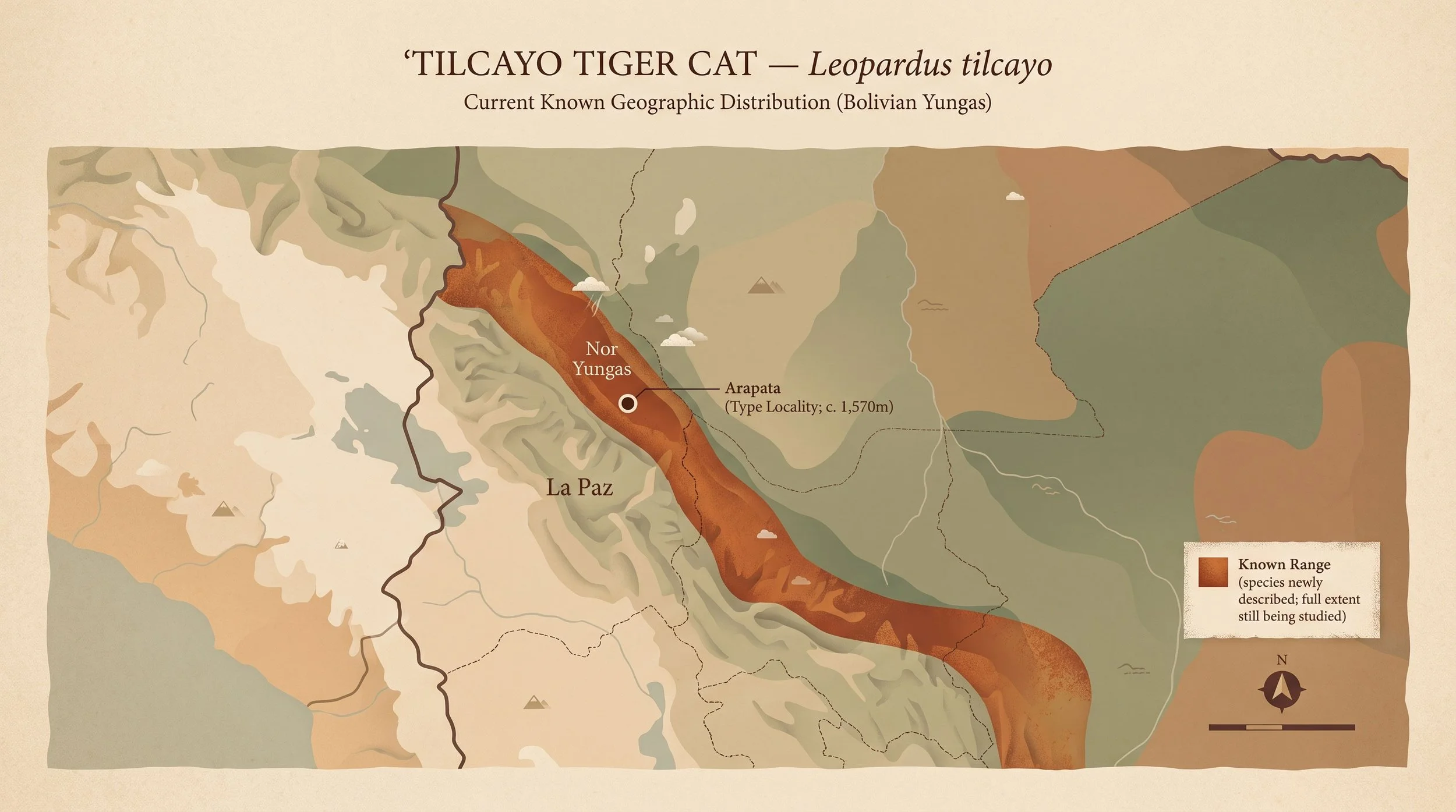
Tilcayo Tiger Cat: First New Wild Cat Species in 100 Years Discover Leopardus tilcayo, the small cloud forest feline marking the first completely novel wild cat species described by science in over a century
On July 27, 2026, I was invited into the IUCN SSC Cat Specialist Group, the body responsible for monitoring and conserving all 40 wild cat species on Earth. After three decades of pushing on that system from the outside, Big Cat Rescue finally has a seat inside it.

Aria Tiger has such a great attitude despite a life of horrors.
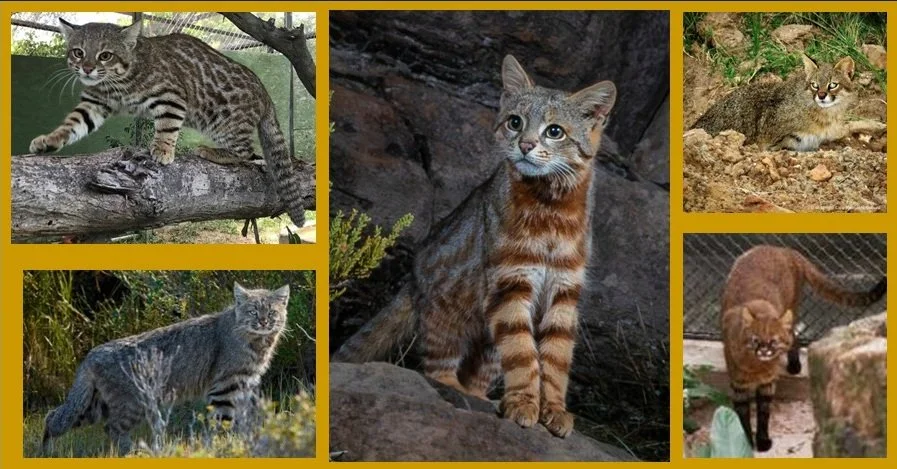
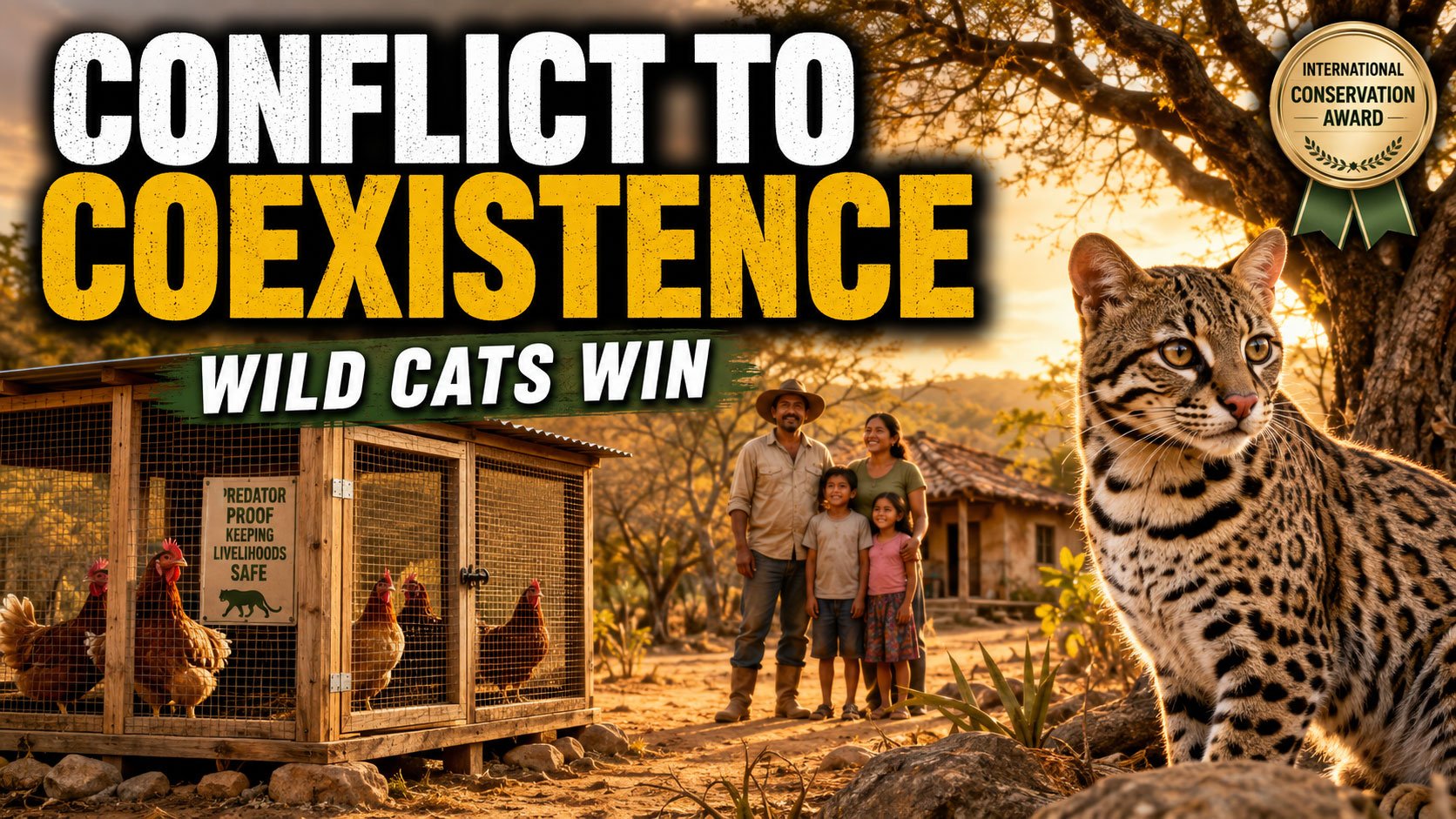
In Ecuador’s dry forest, a small community is proving that coexistence with wild cats is possible. Through predator-proof poultry coops, education, and local conservation leadership, El Mamey is turning conflict into hope for families, chickens, and native wild cats.

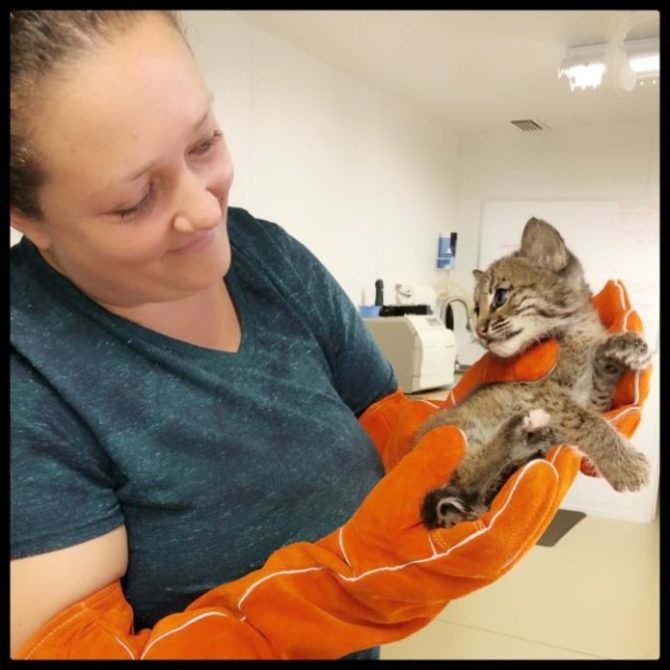
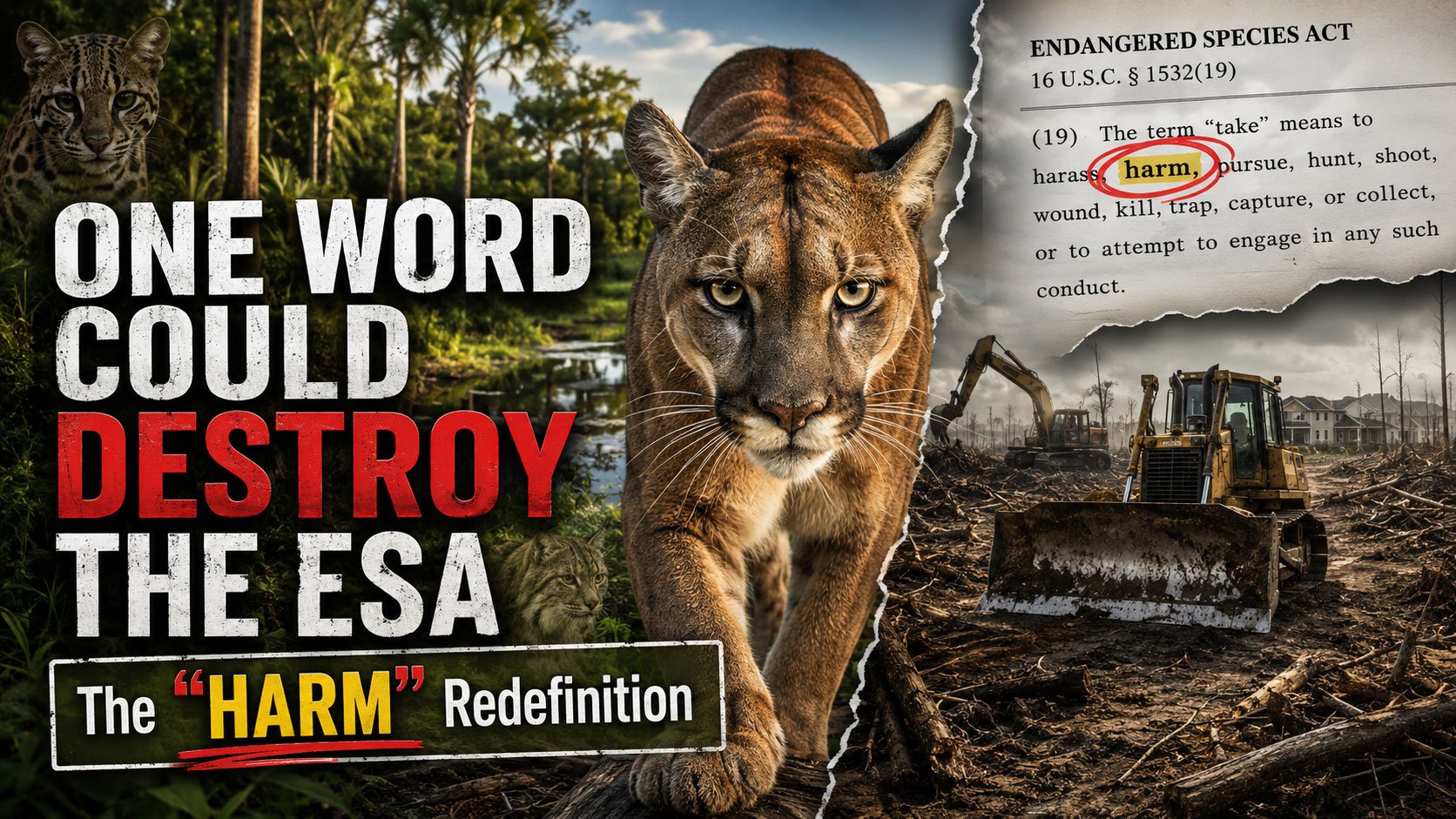
The One-Word Shift Gutting the Endangered Species Act: Why Habitat Protection is Under Fire
For over 50 years, the Endangered Species Act (ESA) has served as America’s most powerful shield against extinction, saving 99% of protected species from disappearing. However, a silent regulatory shift announced on July 10, 2026, seeks to dismantle this legacy by redefining a single word: "harm"
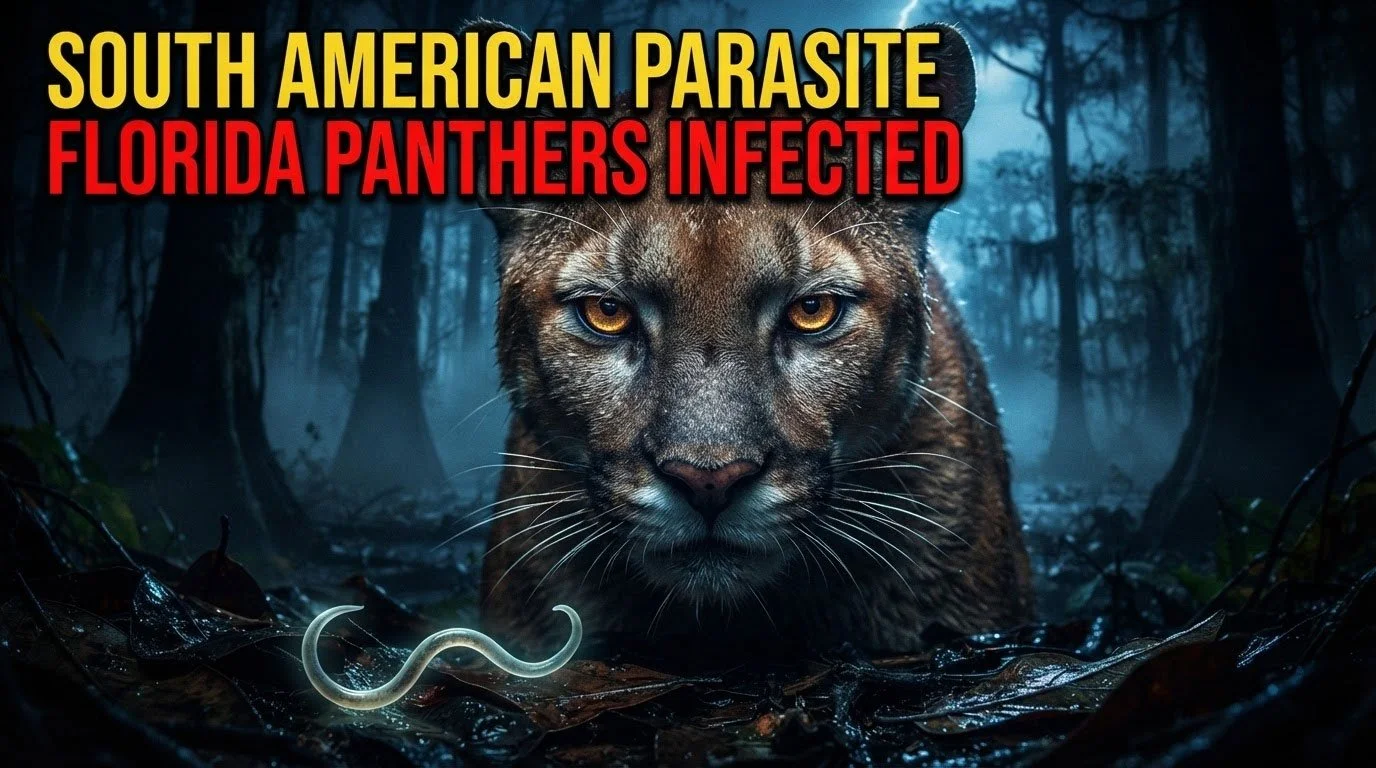
A new CDC study identifies a South American parasite, Dracunculus sp. PantanalBR, currently infecting Florida panthers and bobcats. Genetic analysis reveals a 98-99% match to specimens from Brazil, suggesting the worms may have been introduced through historical puma releases in the Everglades. Learn about the health risks these Brazilian worms pose to the survival of Florida's endangered big cat population.

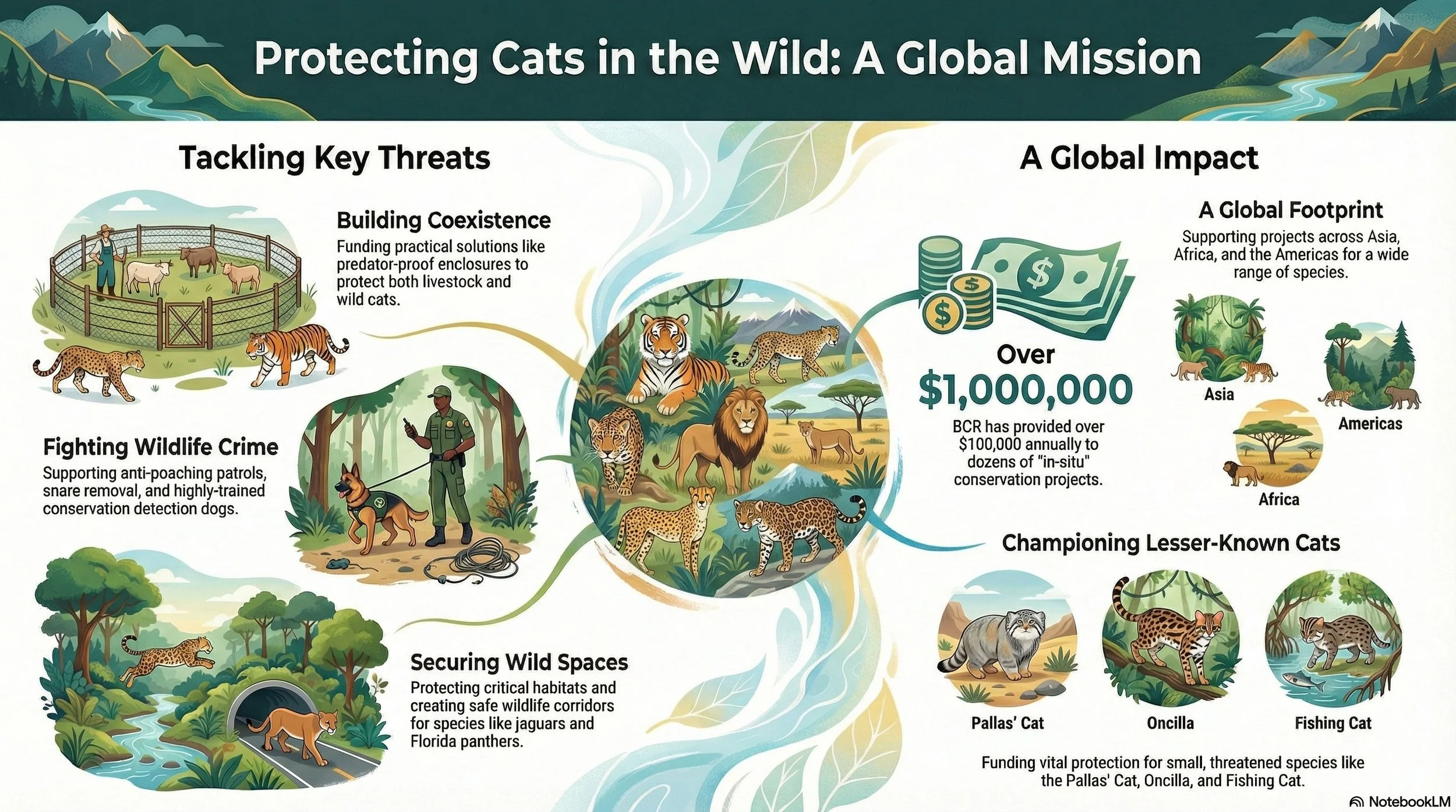
Carole Baskin's mission is to protect wild cats in the wild, where they belong
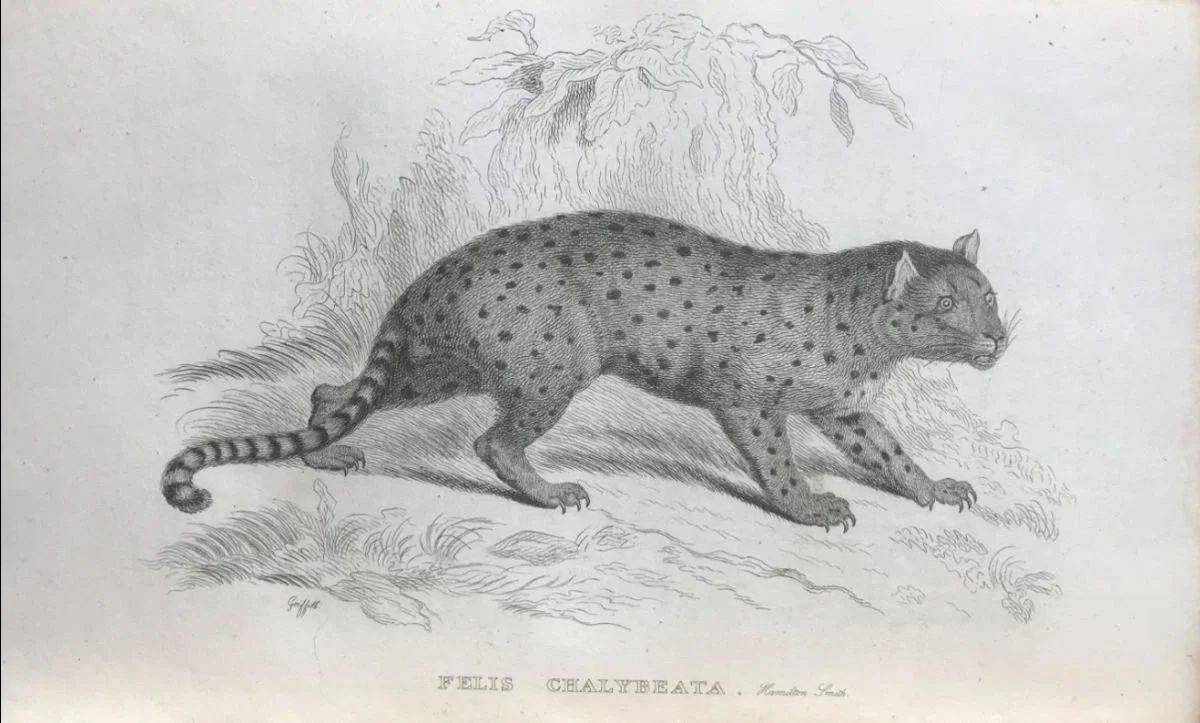
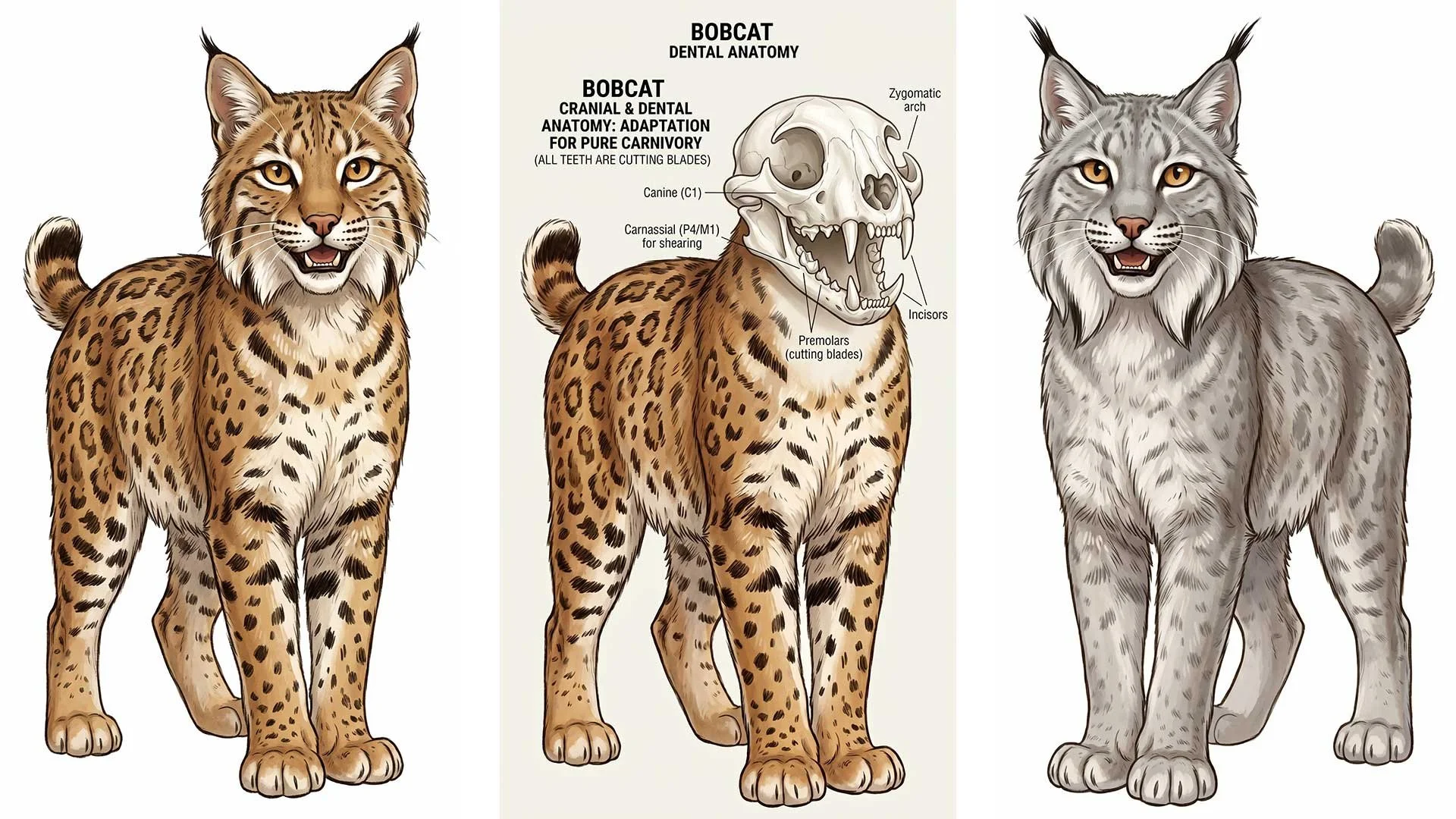
Cats are obligate carnivores, which means they require meat to survive. It is not a preference. It is written into their biology, their gut chemistry, and especially their teeth. In this post and video, Big Cat Rescue breaks down the carnassial tooth, the specialized shearing blade found in all wild cats, and explains why cats have no flat molars for grinding plant matter. We also look at bobcat dental anatomy (28 teeth, not 30), how the carnassial compares in wolves and bears, and what obligate carnivore status means for the nutrition and welfare of all wild cats in human care. Featuring insights shared by Christopher Baldwin, Catawba and Sandhills Master Naturalist, who has been teaching skull anatomy in schools for 10 years using a collection of over 60 skulls.

The June 2026 AdvoCat Newsletter from Big Cat Rescue covers the latest in wild cat conservation: Stanford research on mountain lions reshaping suburban ecosystems, Kyrgyzstan's new 2-million-acre snow leopard corridor, the first documented sand cats in Libya, Bengal tiger reintroduction plans for Cambodia, and the alarming pace of tiger poaching across Asia. Stay informed and take action for wild cats worldwide.
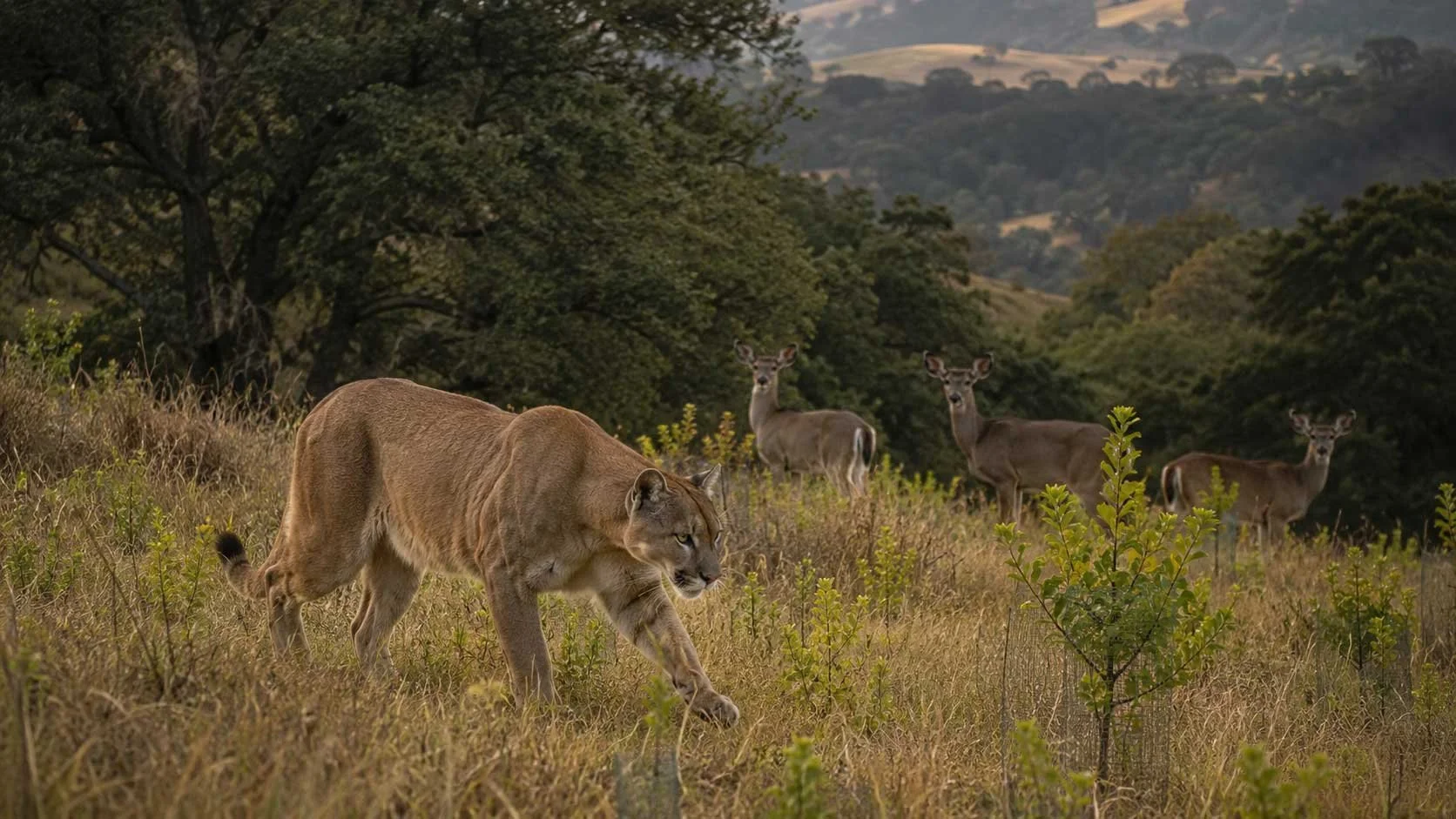
New research from Stanford shows that mountain lions can drive a trophic cascade even in a small suburban nature preserve. Over five years at Jasper Ridge near San Francisco, rising puma activity lowered deer activity and helped young oak trees and woody plants thrive. The cats also reshaped the smaller predators, with coyotes and bobcats declining, gray foxes rising, and rabbits falling. The findings, published in Ecology and Evolution, show that the ecology of fear is not only a Yellowstone phenomenon. Small preserves connected to large wild areas like the Santa Cruz Mountains can host magnificent ecological effects, which makes protecting top predators and keeping habitats connected more important than ever.
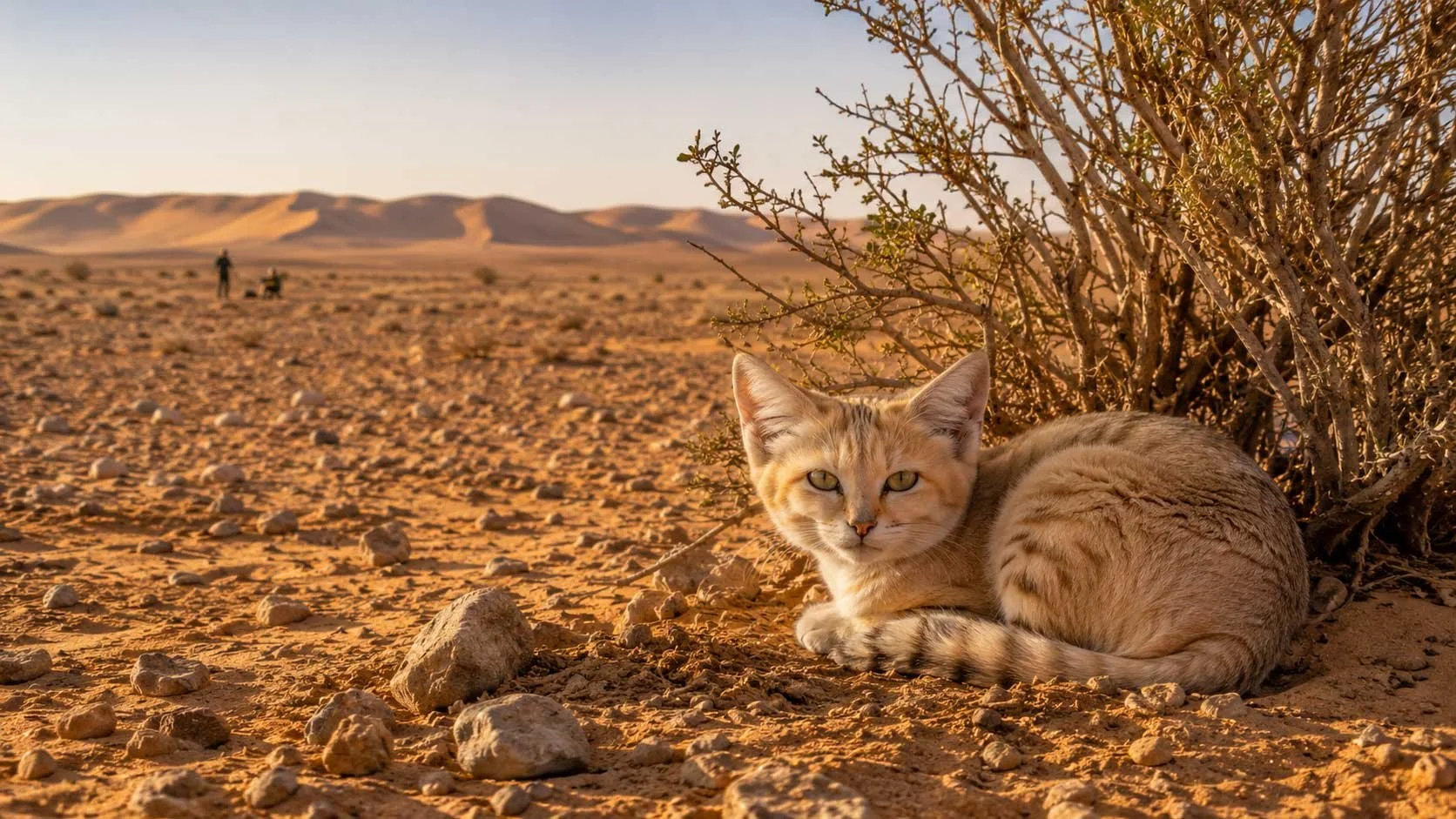
A simple YouTube video of a sand cat, filmed in Libya in 2017, helped scientists confirm that these tiny desert cats live in the country, something researchers had not documented before. Wildlife photographer Mohammad Almuntasir shared the footage, teamed up with researcher Firas Hayder and local Tuareg communities, and together they recorded the first verified sand cat sightings in Libya, including thirteen in a single area that may be a stronghold. The survey also revealed the Saharan striped polecat in eight new locations. Learn how community knowledge and one short clip expanded the known range of the sand cat, why camouflage kept it hidden, and what the team says is needed to protect these desert animals from the pet and traditional medicine trades.

Sand Cat Facts: Habitat, Population, Threats and Conservation. Learn where sand cats live, what threatens them, how many remain, and which conservation efforts are protecting wild sand cats.
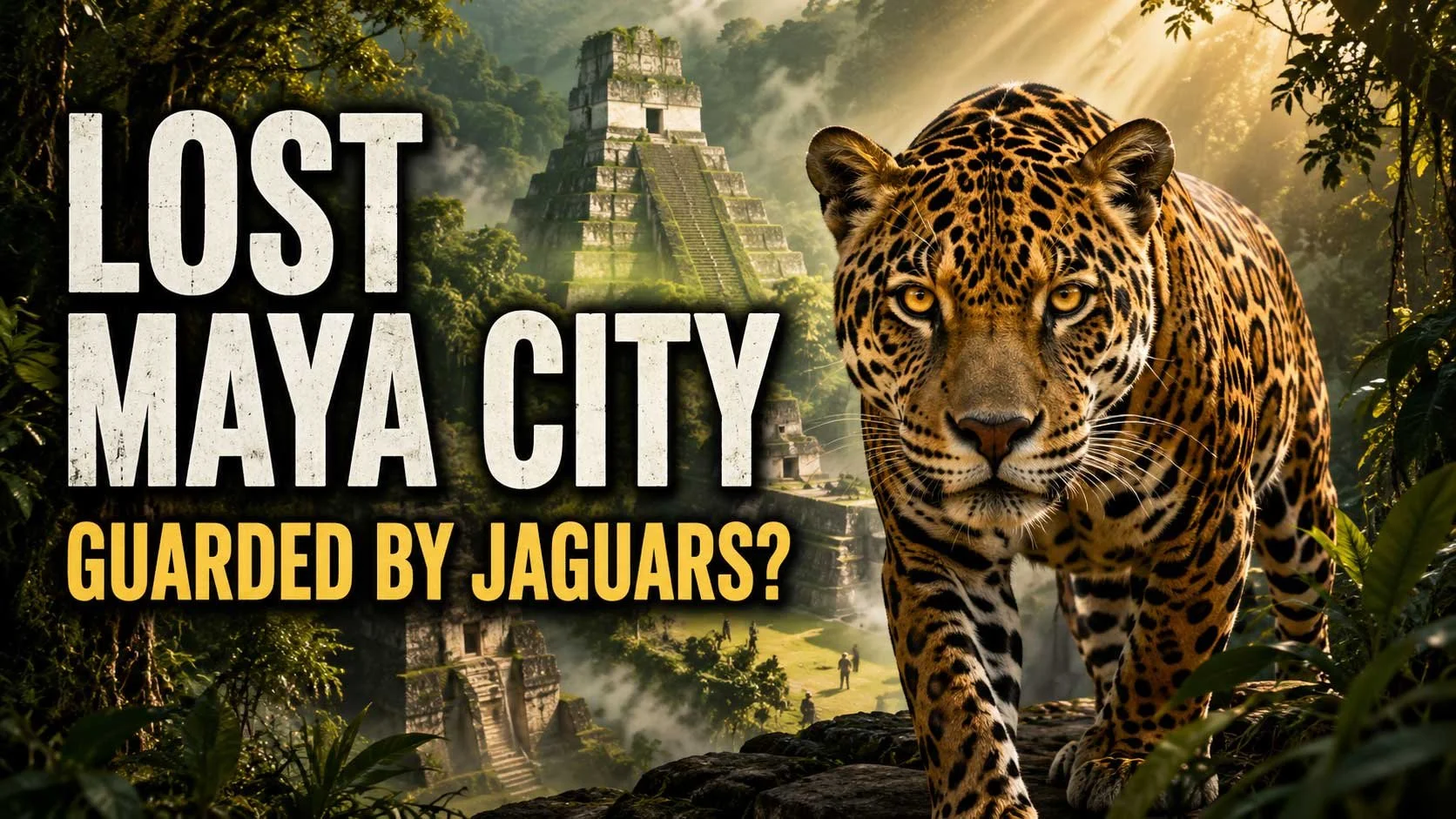
Deep in the jungles of southern Mexico, archaeologists just found a city no one had seen in over a thousand years. They named it Minanbé — Maya for "there is no path." To reach it, they cut five kilometers through forest so dense it had hidden an entire city, with temples, plazas, and carved monuments, completely intact. No looting. Untouched.
But here's what moves me. That same forest — Calakmul — is the last great stronghold of the jaguar in Mexico. Around five hundred of them still walk there, through the second-largest rainforest in the Americas. Five of Mexico's six wild cat species still hunt these ruins.
The Maya worshipped the jaguar as a god — a spirit that walked between worlds. Their kings are dust now. Their cities fell silent. But the jaguar? The jaguar endured. In a way, the wild cats have carried the Maya forward in their spirits.
The forest that protected this city for a thousand years is being cleared right now. So protect the habitat, and you protect them both — the ancient and the living.
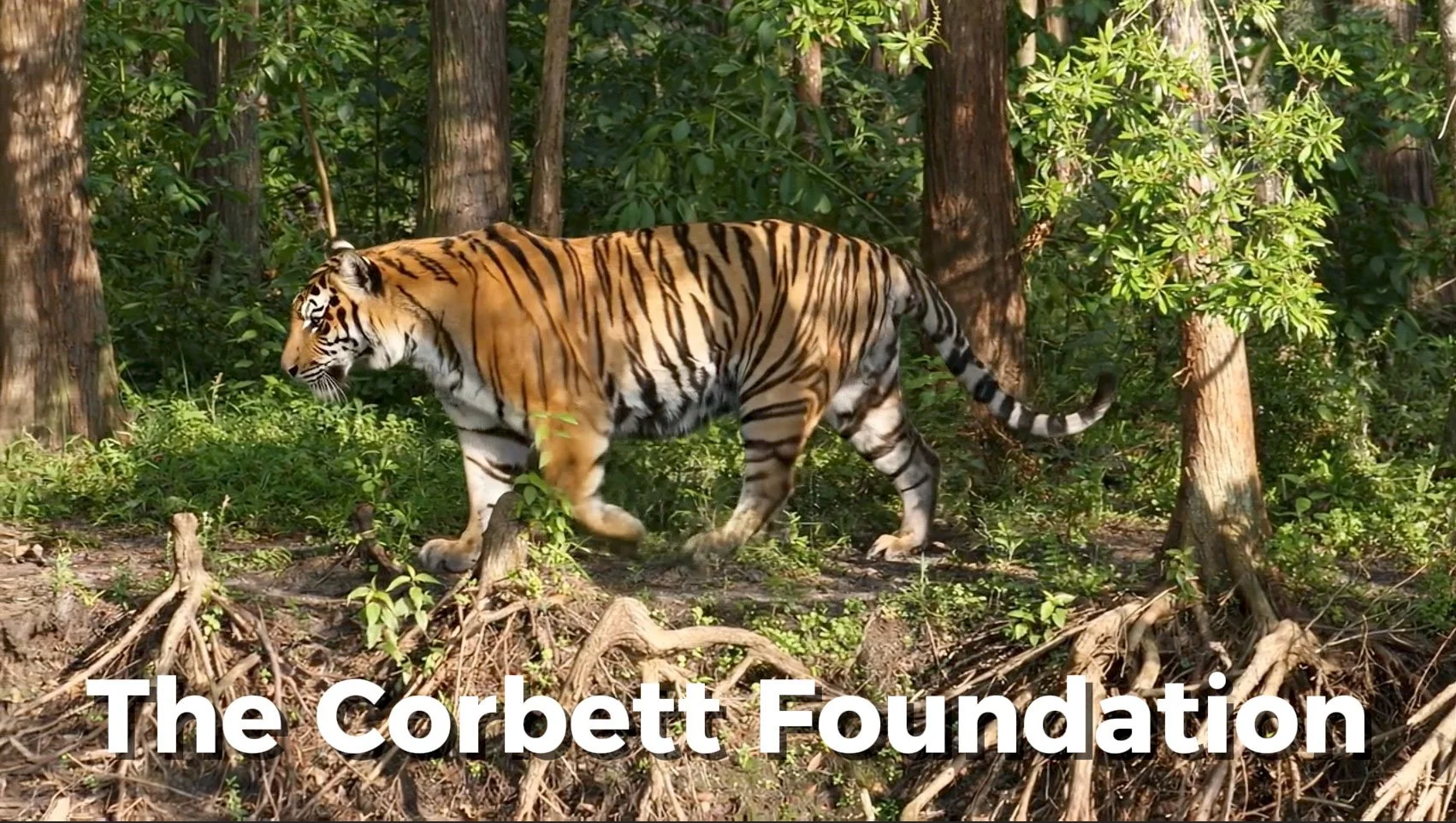
The 2024-25 Annual Report commemorates the 30th anniversary of The Corbett Foundation (TCF), an Indian non-profit established in 1994 to foster human-wildlife coexistence. The document highlights TCF’s expansion from its origins in Uttarakhand to nine distinct landscapes across seven states, focusing on the protection of threatened species like tigers, elephants, and vultures. Key initiatives detailed include the Livestock Compensation Programme, which prevents retaliatory killings, and extensive habitat restoration efforts that have revived thousands of hectares of forests and grasslands. Beyond ecology, the foundation integrates community well-being through rural medical outreach, sustainable livelihood training, and the distribution of green energy solutions. By combining scientific research with grassroots engagement, TCF aims to secure India’s natural heritage while improving the lives of people residing near protected wilderness areas. Collaborative partnerships with government agencies and international conservation bodies remain central to their mission of balancing environmental integrity with social development.
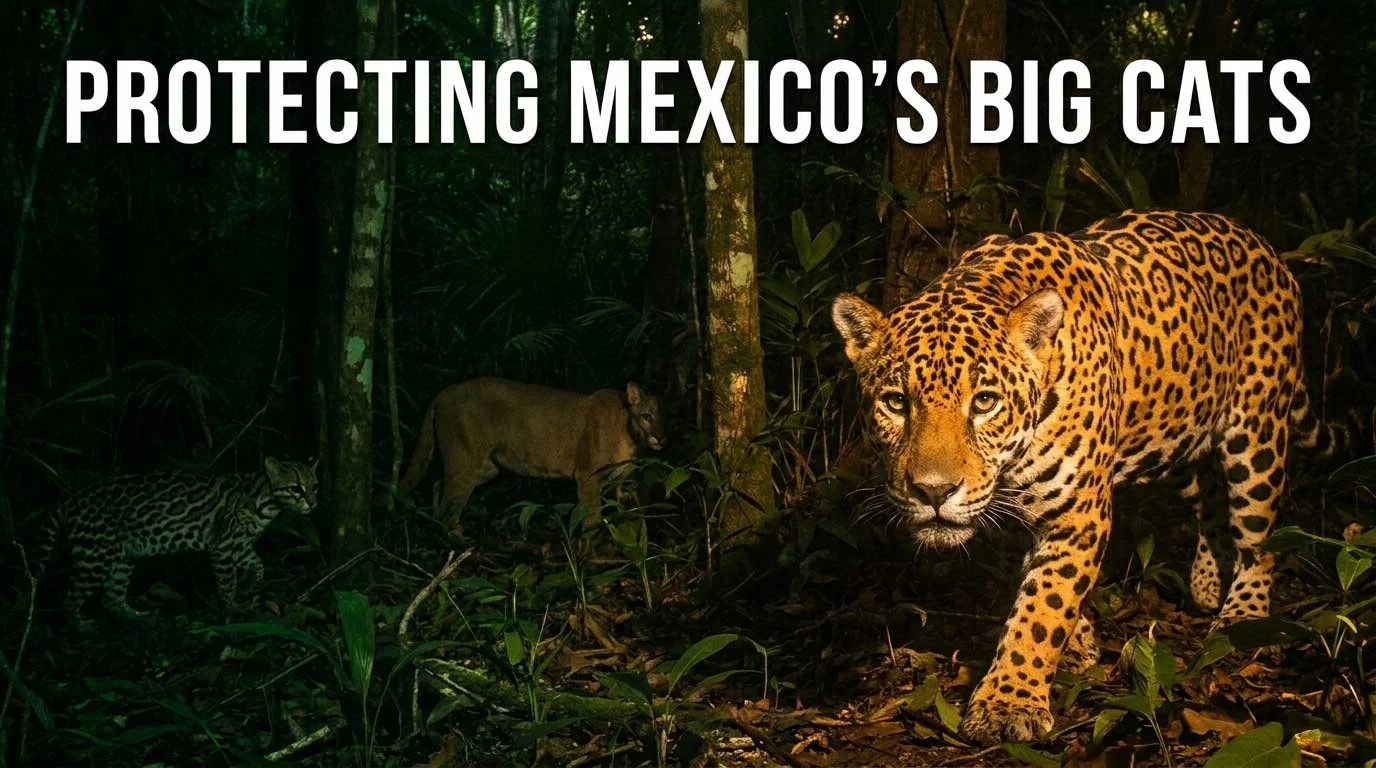
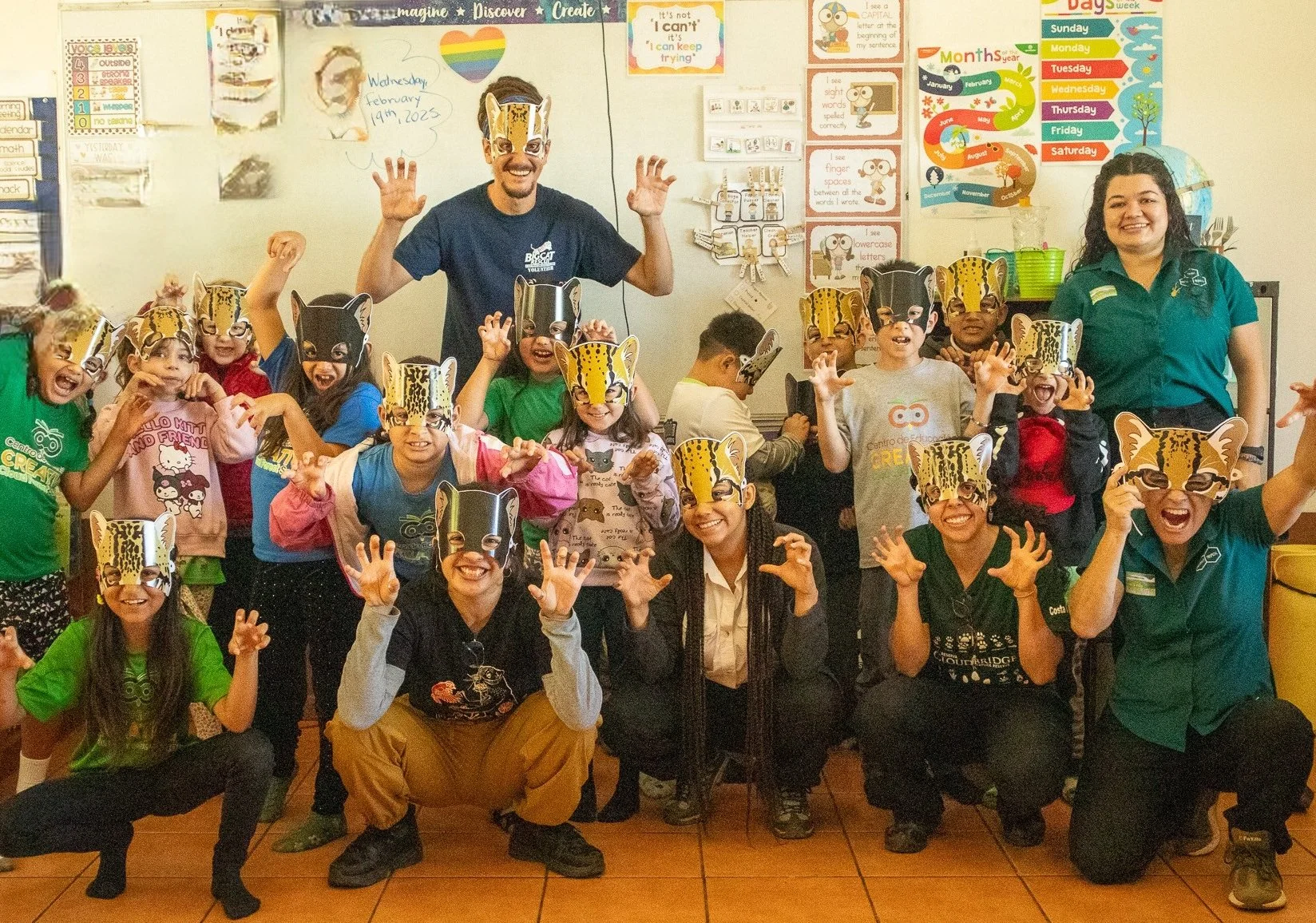
Discover how Big Cat Rescue is partnering with Proyecto AAk Mahahual to protect wild jaguars and ocelots through community coexistence. Read more!
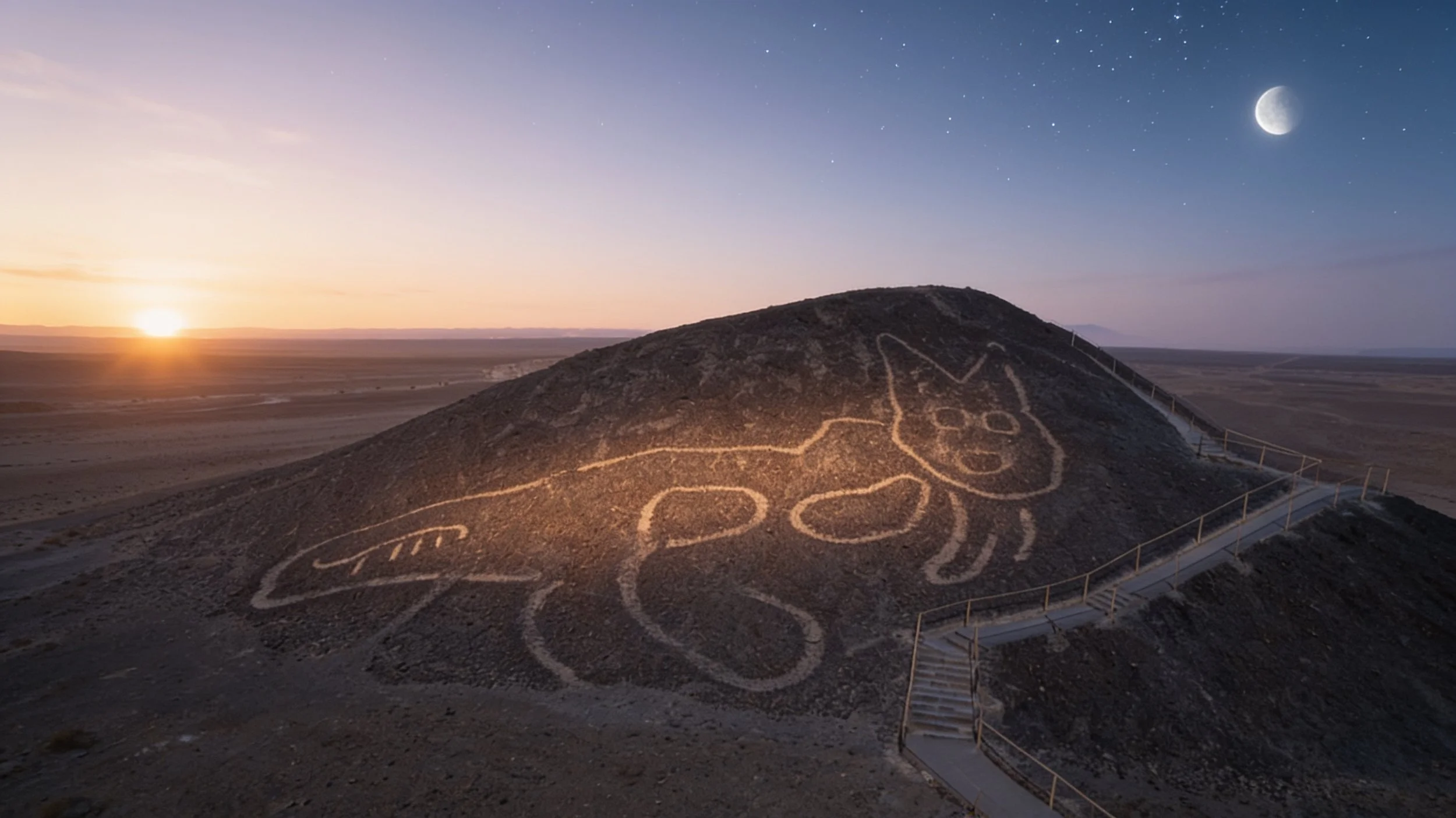
The Nazca cat geoglyph is one of the oldest known Nazca Lines, a 37 meter (120 foot) feline figure carved into a hillside in southern Peru between 200 and 300 BC. Discovered in October 2020 during work on a desert lookout point, the cat was nearly erased by natural erosion. Peru's Ministry of Culture cleared the faint lines by hand to reveal a reclining cat with a round head, pointed ears, and a long striped tail. This guide explains how the Nazca Lines were made, why the cat dates to the earlier Paracas period, and how cats shaped the art and culture of ancient Peru. A calm, educational look at one of the desert's most charming ancient drawings.

Kyrgyzstan has officially designated the Ak Ilbirs ecological corridor, a climate-ready protected area covering nearly 800,000 hectares of high-altitude habitat for snow leopards (Panthera uncia) and other mountain wildlife. Formalized in 2025, the corridor connects existing protected areas, pastureland, and forest across 14 rural municipalities so that snow leopards, argali sheep, and Asiatic ibex can move freely as climate change reshapes their range. Designed by scientists using climate modeling, the corridor captures more than 60 percent of future suitable snow leopard habitat. It also supports herders through grazing rules and alternative livelihoods like beekeeping, orchards, and ecotourism. Learn what this conservation milestone means for big cats, mountain ecosystems, and the future of wildlife in Central Asia.
 Carole Baskin
Carole Baskin is the founder and CEO of Big Cat Rescue and author of this web page. Since 1992, she has worked to end the exploitation of exotic cats and now leads the non profit's efforts to protect wild cats in the wild by funding innovative threat mitigation programs that allow humans and wild cats to co-exist in peace.