Why Choose to Donate to Big Cat Rescue?
Because 100% of of your donations goes to the cats. Our modest administrative and fundraising fees have been covered by other sources of revenue. Until COVID-19 in 2020 it was the tour revenue. Now it is investment income.
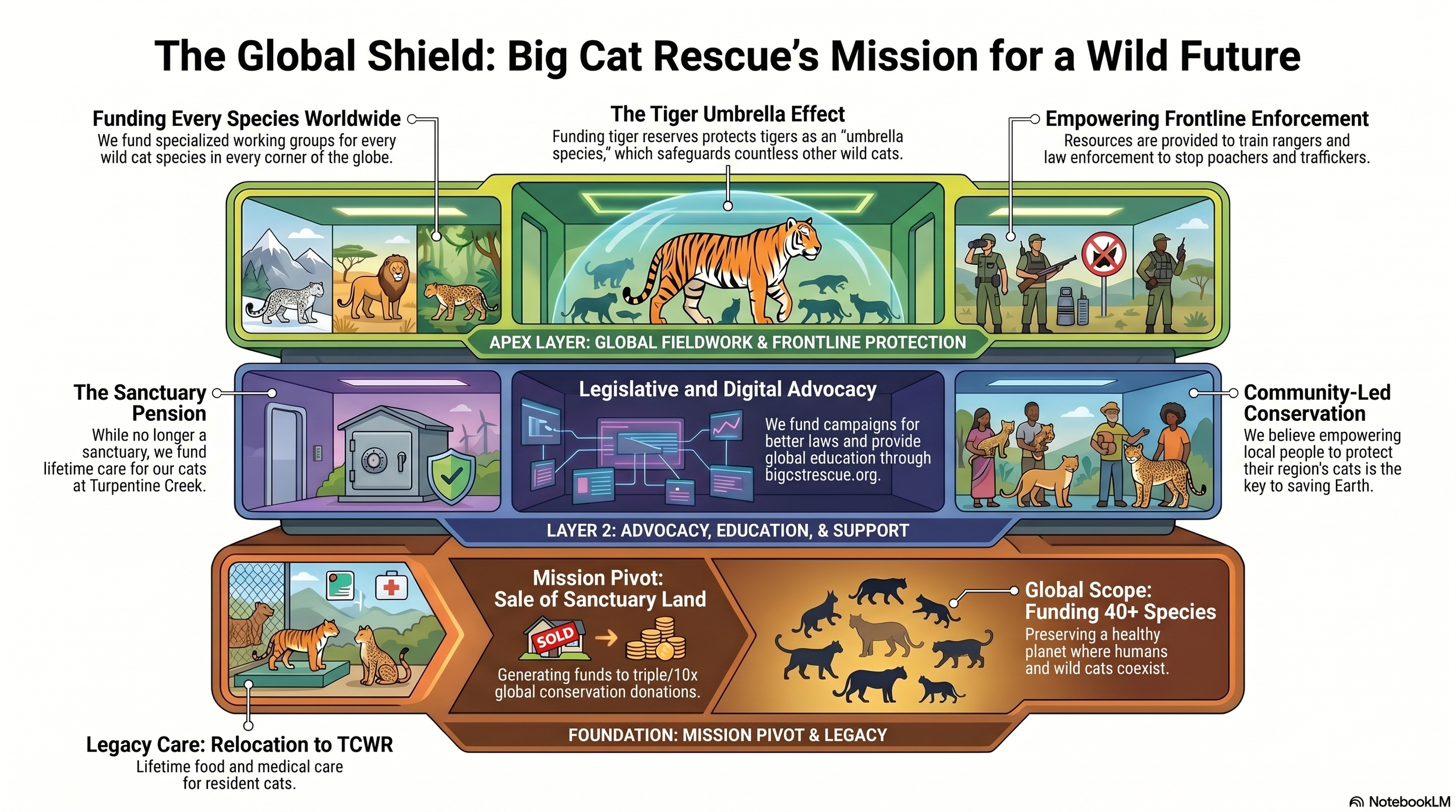
Even though all of our cats were relocated to Turpentine Creek Wildlife Refuge by the end of 2023, where we spent nearly two million dollars to build them much larger cages, we are still responsible for funding their lifetime food and vet care.
The links below lead to pdf files of the complete Form 990s.
IRS 501 c 3 Determination letter
Click here for 2025 IRS form 990 and annual report
Click here for 2024 IRS form 990 and annual report
Click here for 2023 IRS form 990 and 2023 audited financial statement and annual report
Click here for 2022 IRS form 990 and 2022 audited financial statement and annual report
Click here for 2021 IRS form 990 and 2021 audited financial statement and annual report
Click here for 2020 IRS form 990 and 2020 audited financial statement and annual report
Click here for 2019 IRS form 990 and 2019 audited financial statement and annual report
Click here for 2018 IRS form 990 and 2018 audited financial statement and annual report
Click here for 2017 IRS form 990 and 2017 audited financial statement and annual report
Click here for 2016 IRS form 990 and 2016 audited financial statement and annual report
Click here for 2015 IRS form 990 and 2015 audited financial statement and annual report
Click here for 2014 IRS form 990 and 2014 audited financial statement and annual report.
Click here for 2013 IRS form 990 and 2013 audited financial statement and annual report.
Click here for 2012 IRS form 990 and 2012 audited financial statement and annual report.
CHECK OUT THE GRRRREAT CONSERVATION WORK THAT OUR DONORS HELPED FUND BELOW
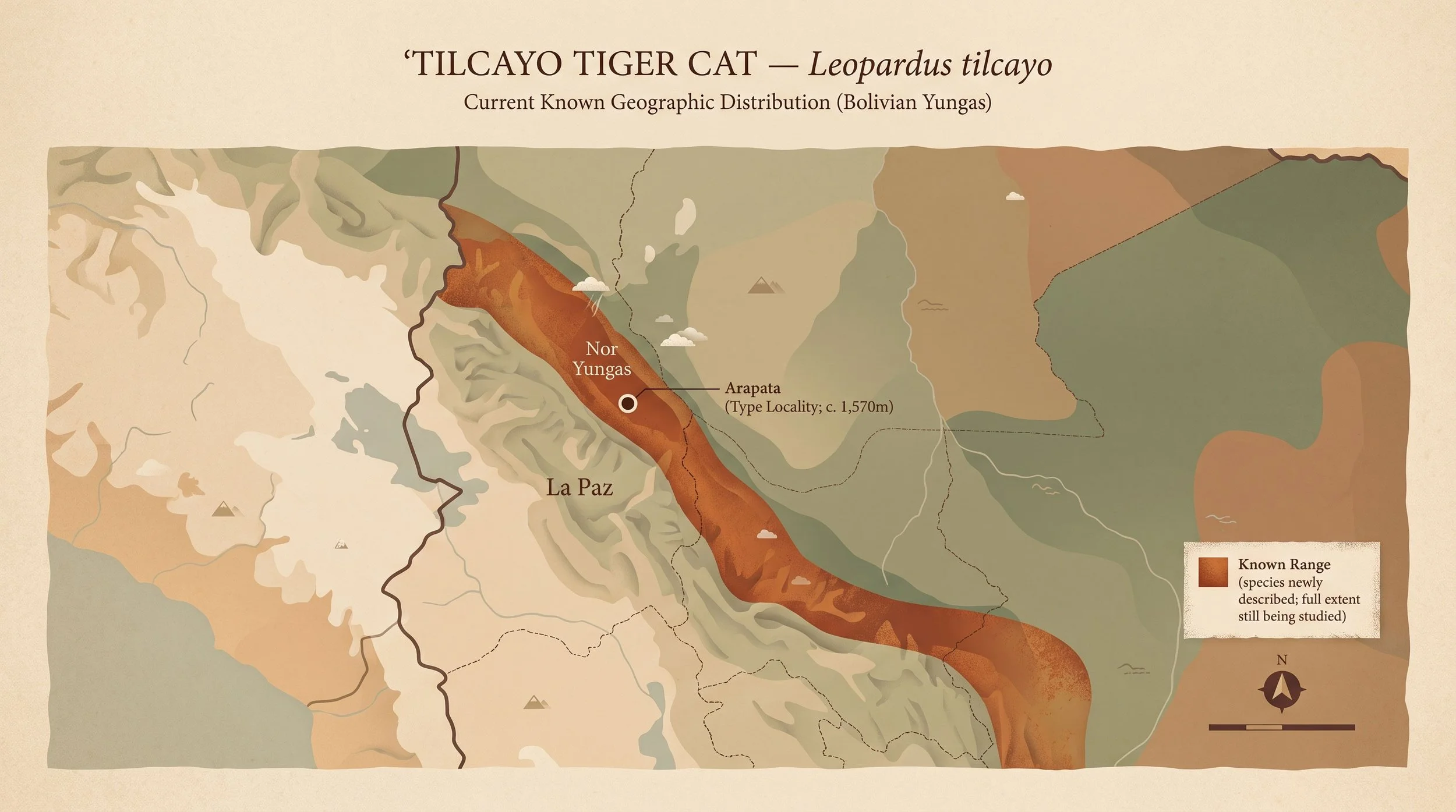
Tilcayo Tiger Cat: First New Wild Cat Species in 100 Years Discover Leopardus tilcayo, the small cloud forest feline marking the first completely novel wild cat species described by science in over a century
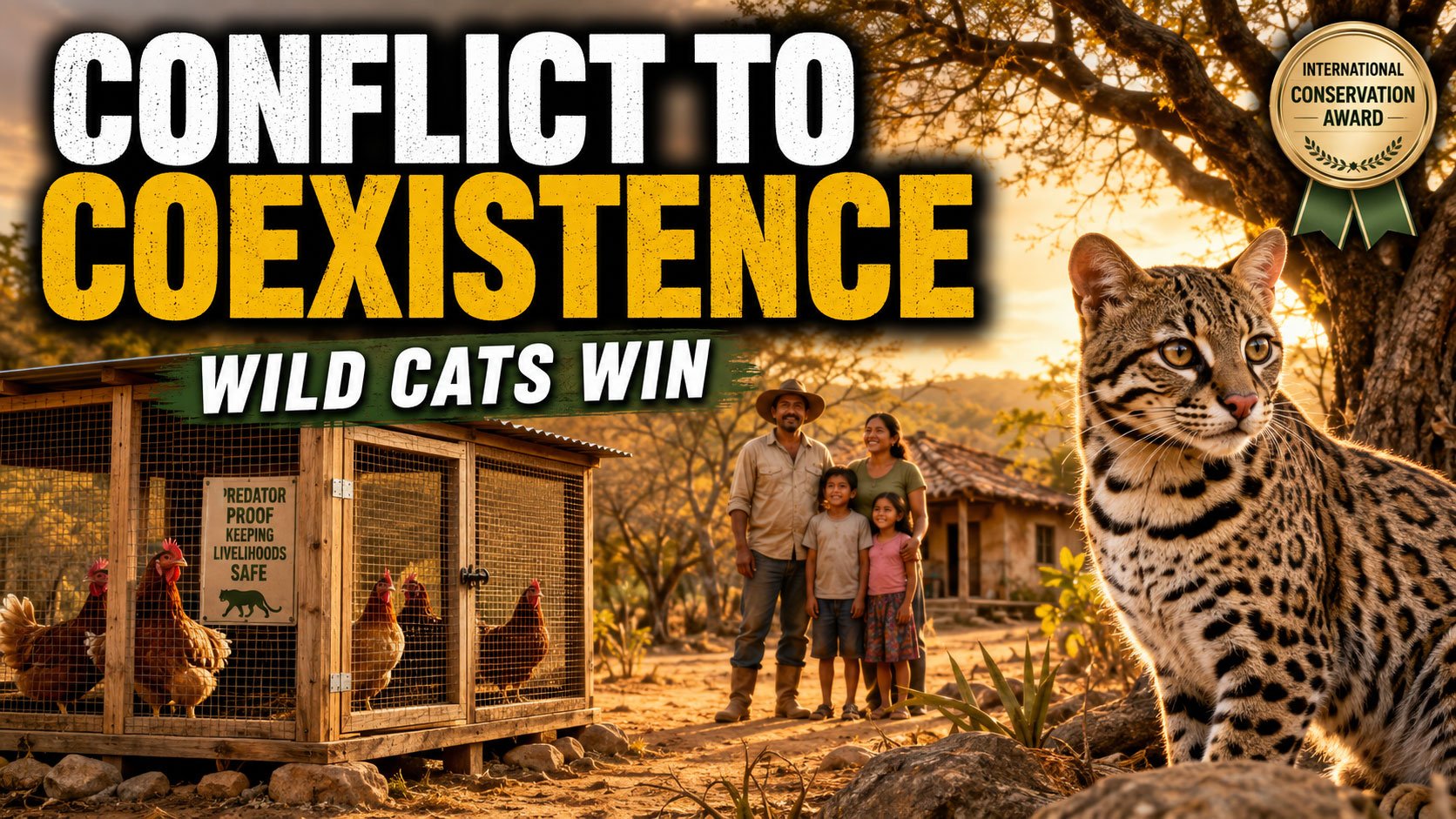
In Ecuador’s dry forest, a small community is proving that coexistence with wild cats is possible. Through predator-proof poultry coops, education, and local conservation leadership, El Mamey is turning conflict into hope for families, chickens, and native wild cats.
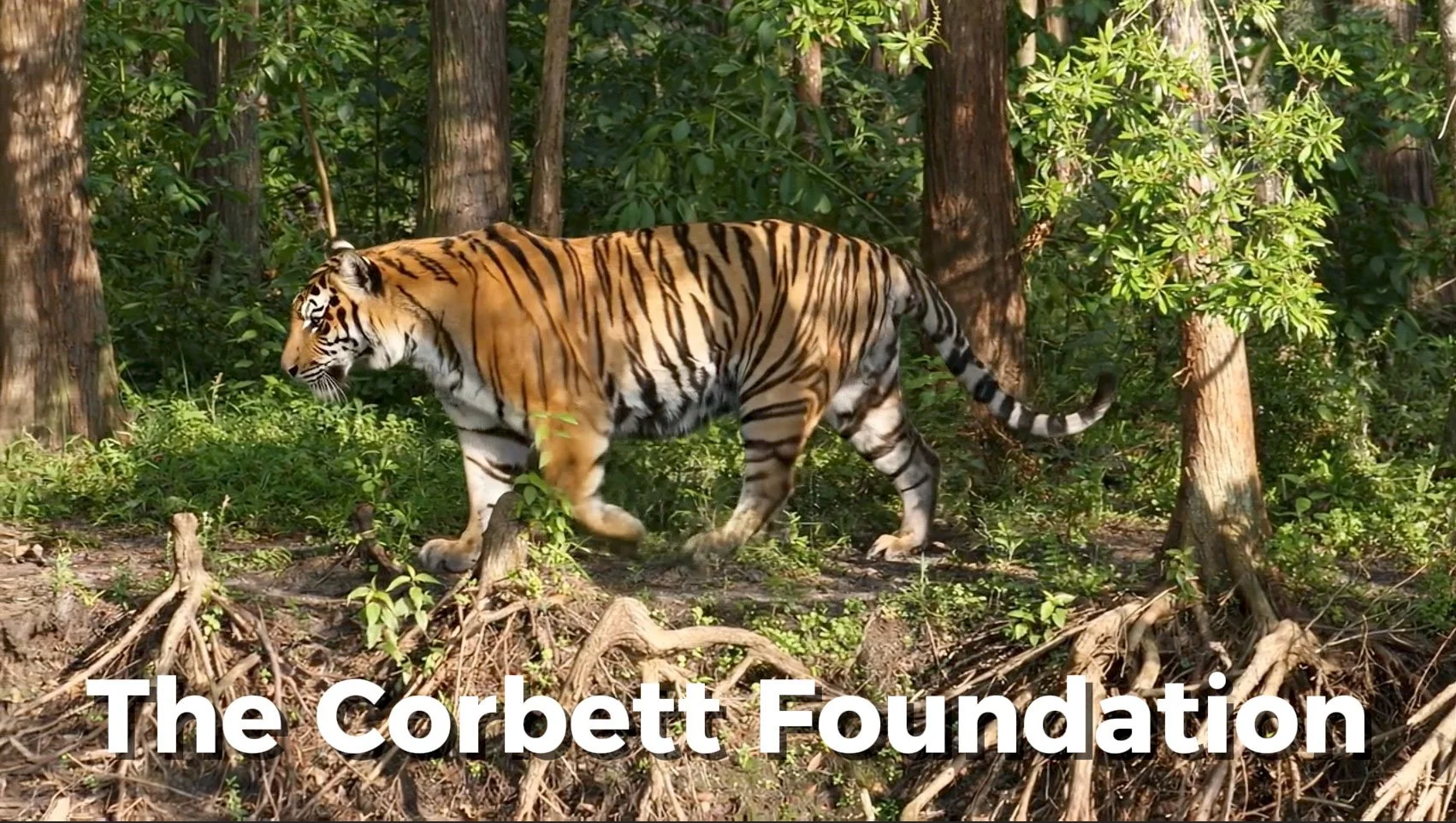
The 2024-25 Annual Report commemorates the 30th anniversary of The Corbett Foundation (TCF), an Indian non-profit established in 1994 to foster human-wildlife coexistence. The document highlights TCF’s expansion from its origins in Uttarakhand to nine distinct landscapes across seven states, focusing on the protection of threatened species like tigers, elephants, and vultures. Key initiatives detailed include the Livestock Compensation Programme, which prevents retaliatory killings, and extensive habitat restoration efforts that have revived thousands of hectares of forests and grasslands. Beyond ecology, the foundation integrates community well-being through rural medical outreach, sustainable livelihood training, and the distribution of green energy solutions. By combining scientific research with grassroots engagement, TCF aims to secure India’s natural heritage while improving the lives of people residing near protected wilderness areas. Collaborative partnerships with government agencies and international conservation bodies remain central to their mission of balancing environmental integrity with social development.
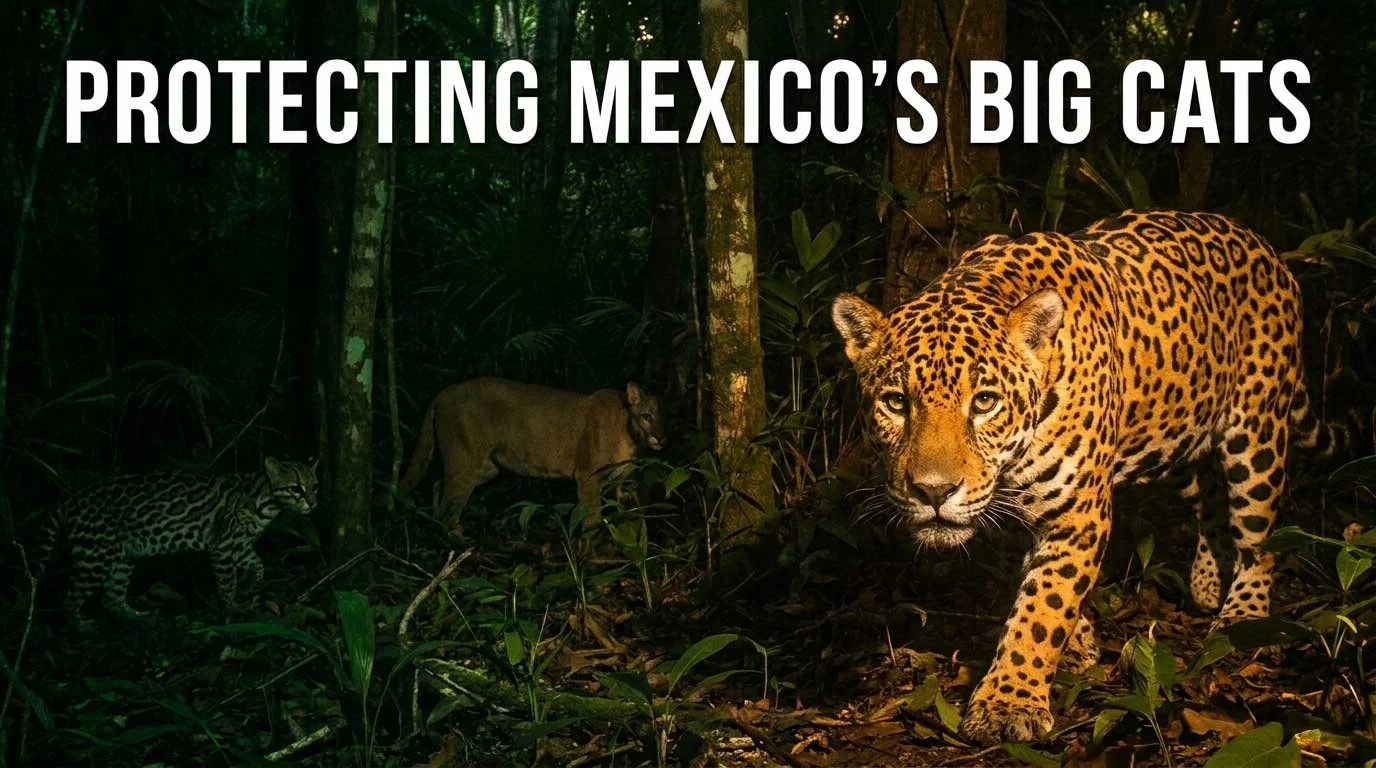
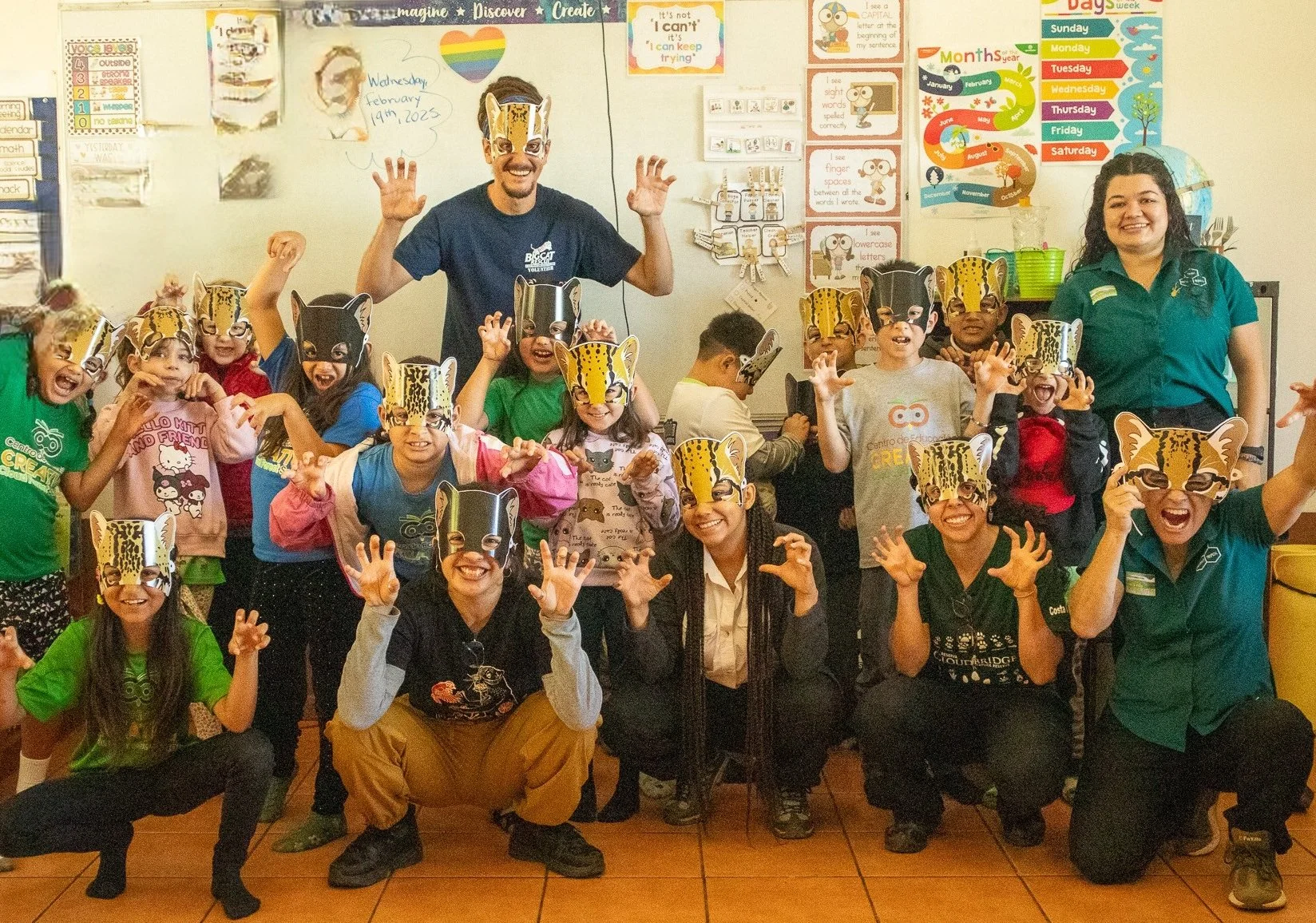
Discover how Big Cat Rescue is partnering with Proyecto AAk Mahahual to protect wild jaguars and ocelots through community coexistence. Read more!
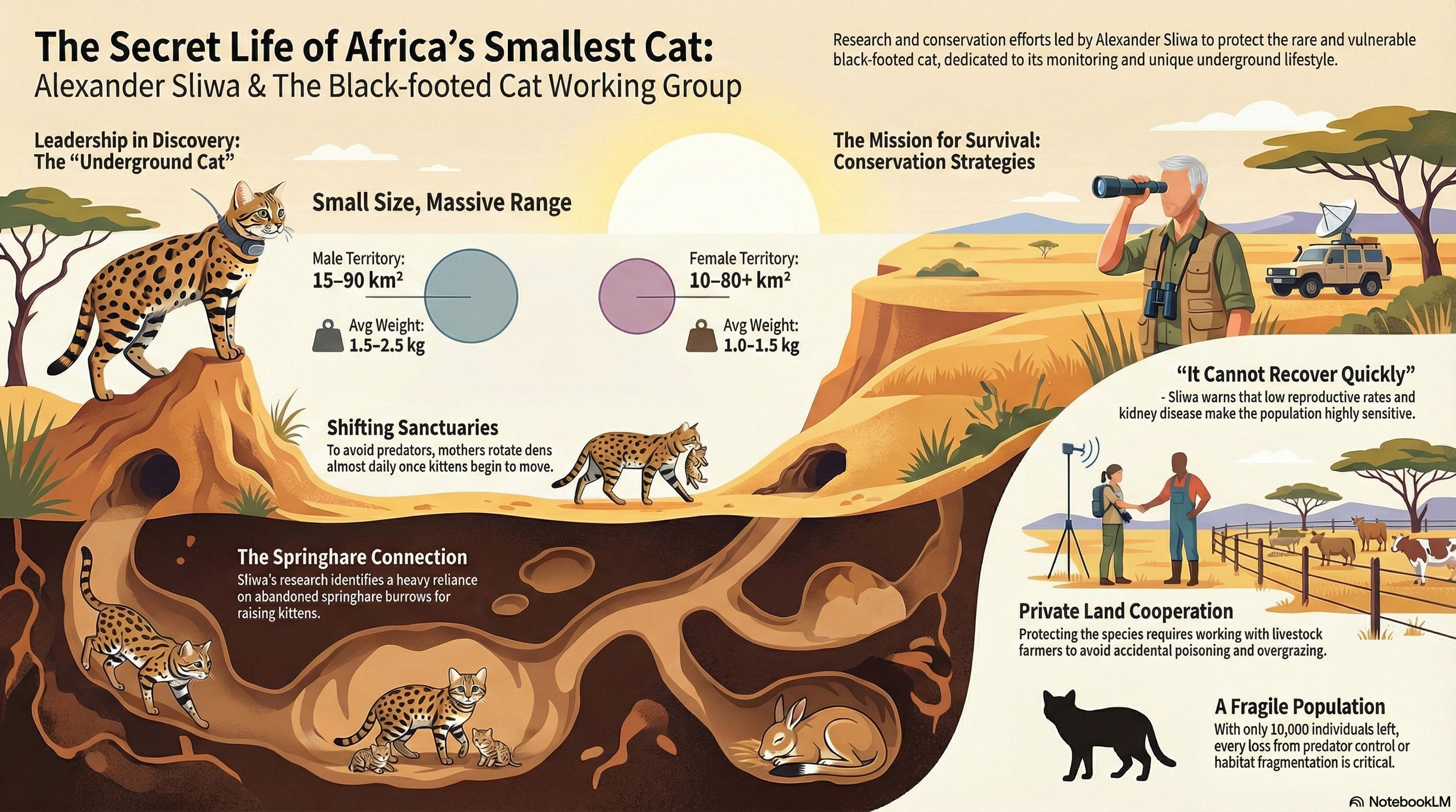

The provided text outlines the organizational goals and operations of Freeland, a non-profit entity dedicated to ending the illegal trade of humans and wildlife. By utilizing a specialized team of law enforcement and technical experts, the group actively disrupts criminal networks while assisting governments and businesses in creating prevention strategies. Their comprehensive approach includes training officers, conducting community patrols, and fostering behavioral changes through public education and awareness campaigns. Beyond enforcement, the organization focuses on environmental restoration and the rehabilitation of animals to ensure the long-term health of global ecosystems. Ultimately, the source serves as an overview of Freeland’s global impact and its ongoing mission to build a world free from exploitation and slavery.
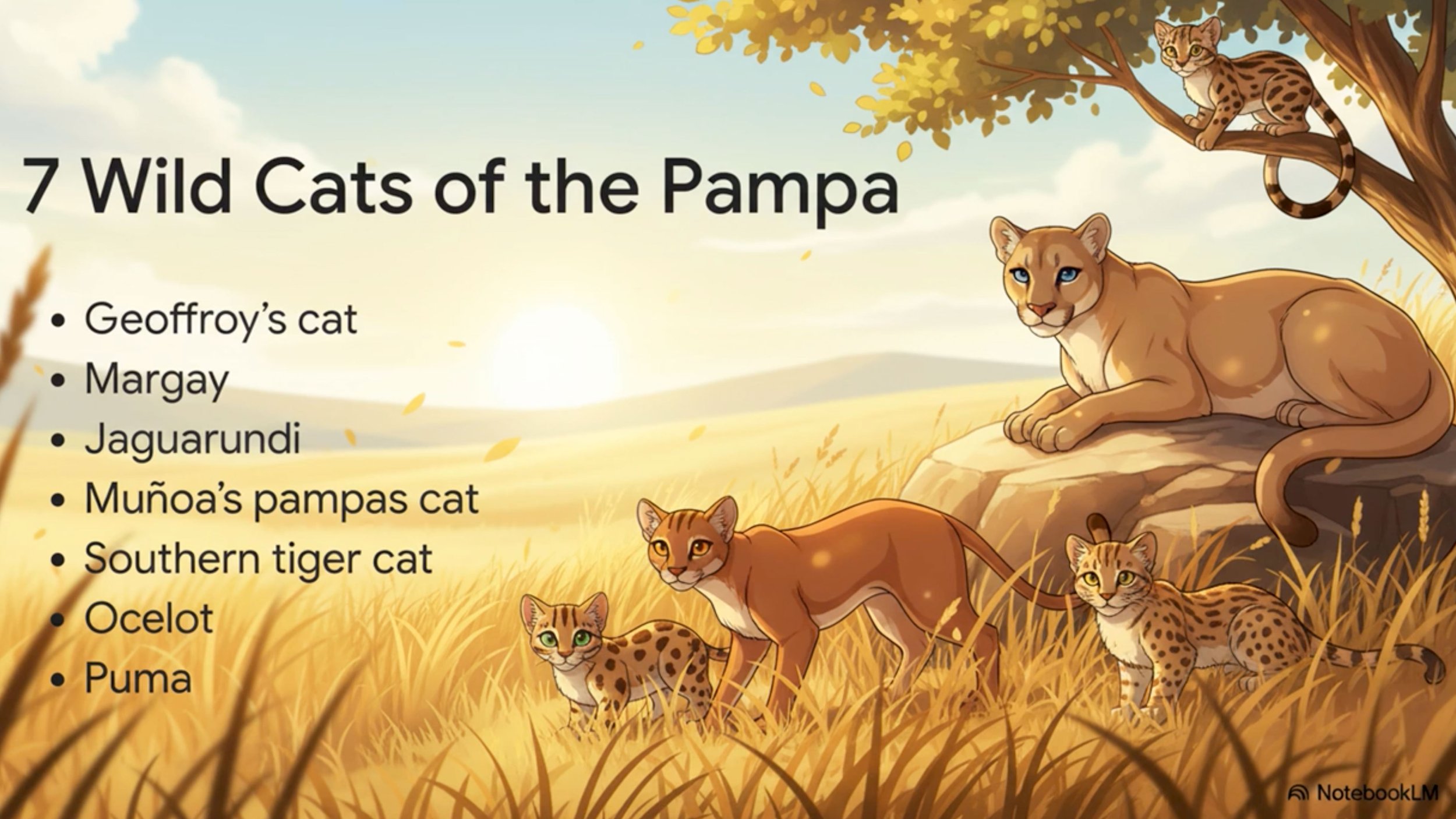
Felinos do Pampa: Conserving the Wild Cats of the Grasslands
The provided sources detail the mission and activities of the Felinos do Pampa Project, a conservation initiative dedicated to protecting wild cats in the Pampa biome of southern Brazil. This research group focuses on species like the Muñoa’s Pampas cat and the southern tiger cat, utilizing tools such as GPS collars and camera traps to monitor their survival in fragmented habitats. Beyond field research, the organization works to mitigate human-wildlife conflict by installing wildlife road signage and constructing predator-proof enclosures for livestock. The documentation also highlights recent viral media coverage and academic studies regarding how urban development and environmental changes affect feline migration routes. Ultimately, the project seeks to balance scientific research with community education to ensure these rare small felids can coexist with local human populations.
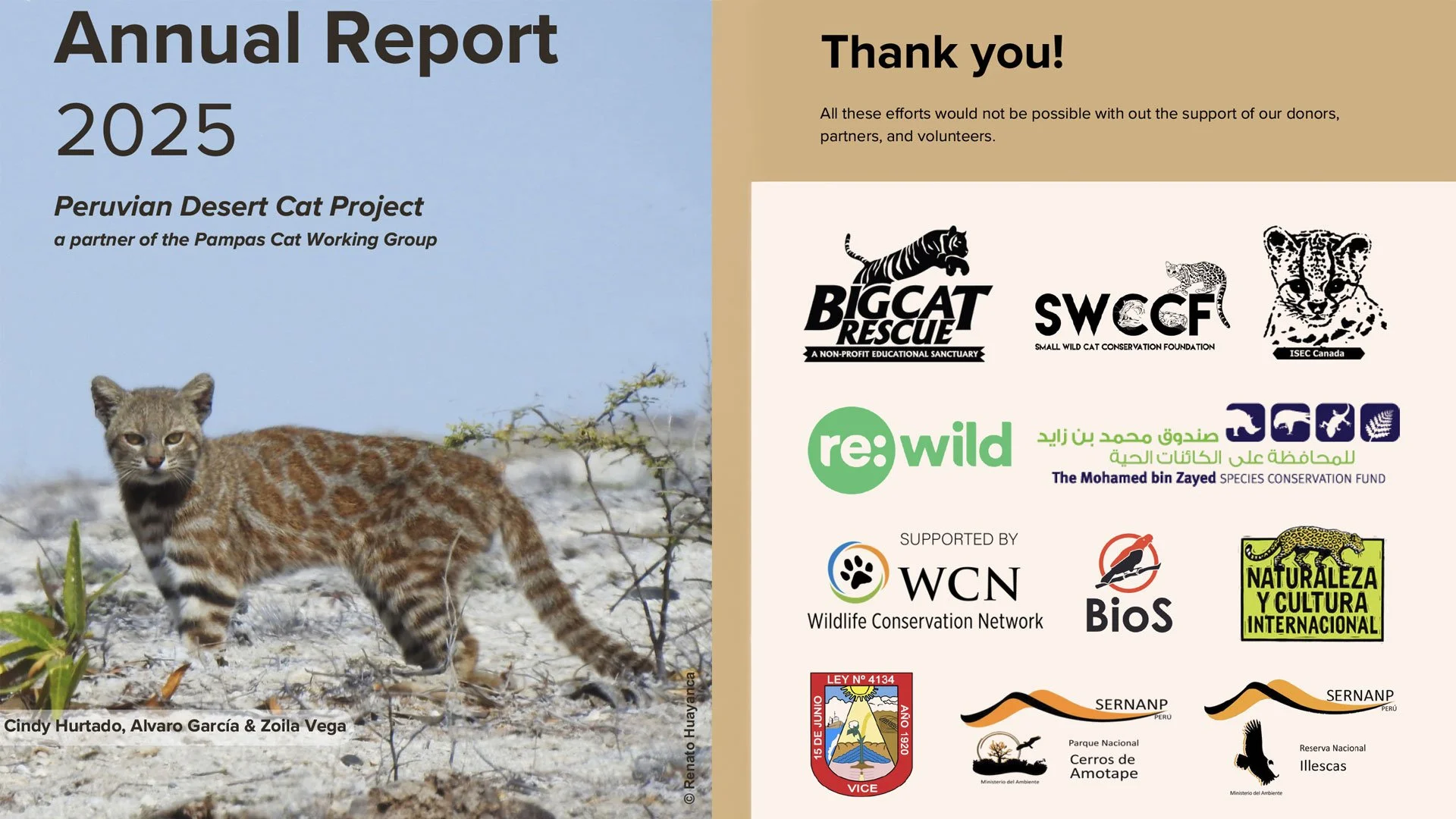
The Peruvian Desert Cat Project’s 2025 Annual Report details a comprehensive strategy to protect the endangered Desert Pampas Cat through community-based and scientific initiatives. To mitigate human-wildlife conflict, the organization helps rural families build predator-proof coops and offers veterinary training, reducing the need for retaliatory killings. The project also addresses road mortality through driver education and seeks legal land protection for thousands of hectares of vital dry forest habitat. Beyond physical safeguards, the report emphasizes youth education and local outreach to foster long-term environmental stewardship. Finally, the sources highlight a critical genetic study revealing that even seemingly stable populations in mangroves are suffering from low diversity, necessitating new efforts to restore habitat connectivity.
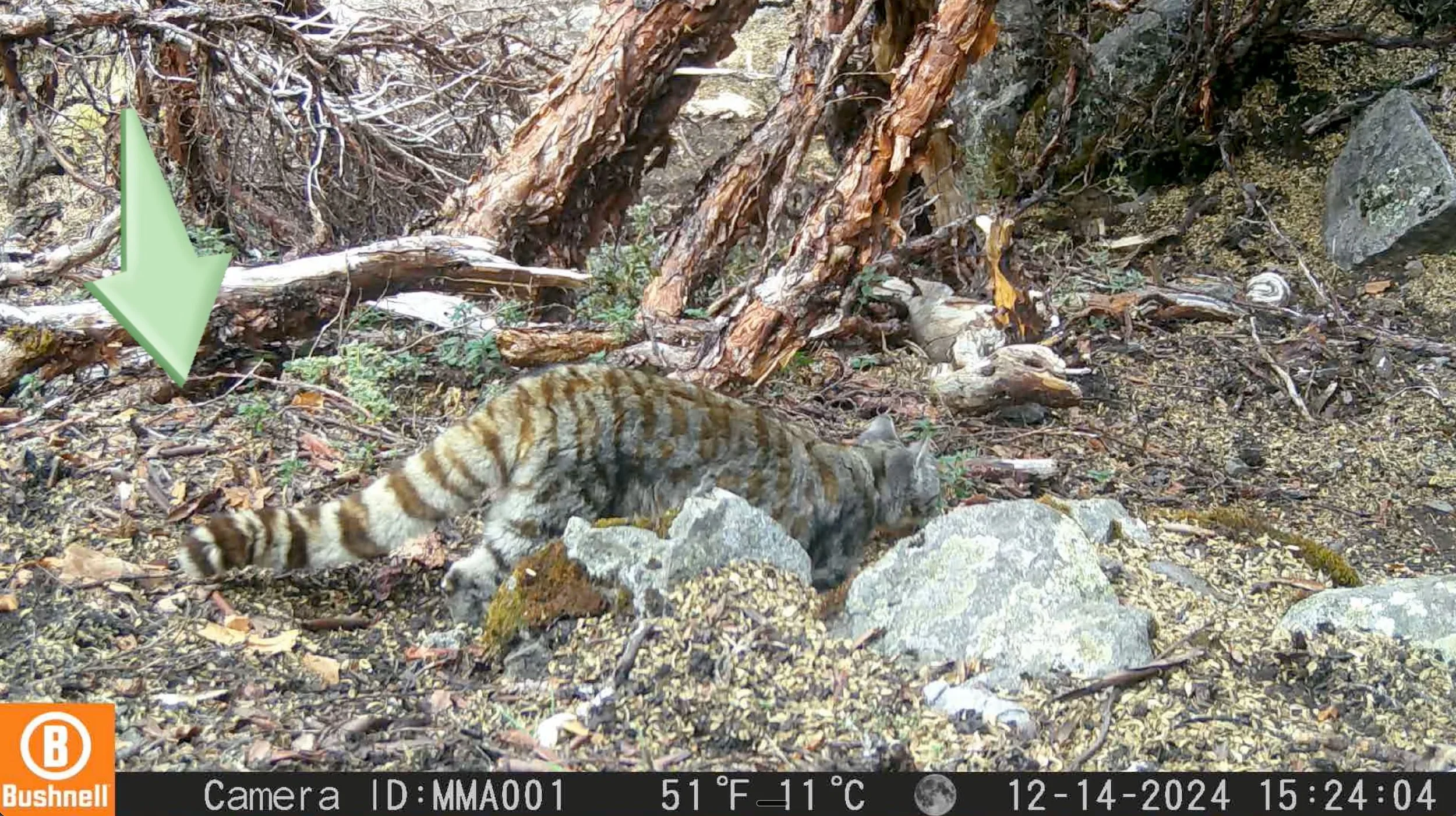
These sources examine the genetic crisis facing isolated wild cat populations, where human-driven habitat fragmentation forces inbreeding and triggers a decline in biological fitness. Researchers identify morphological abnormalities, such as kinked tails and thoracic cowlicks, as visible biomarkers of a deeper "extinction vortex" that includes heart defects and reproductive failure. While the Florida panther serves as a primary case study for these issues, the texts document similar patterns of genomic decay in California mountain lions, European wildcats, ocelots, jaguarundi, Andean cats, cheetahs and Asiatic lions. Conservationists highlight the 1995 genetic restoration project in Florida—which used Texas pumas to diversify the gene pool—as a successful model for reversing these trends. Ultimately, the literature advocates for wildlife crossings and habitat corridors to restore natural gene flow and ensure the long-term survival of apex predators.
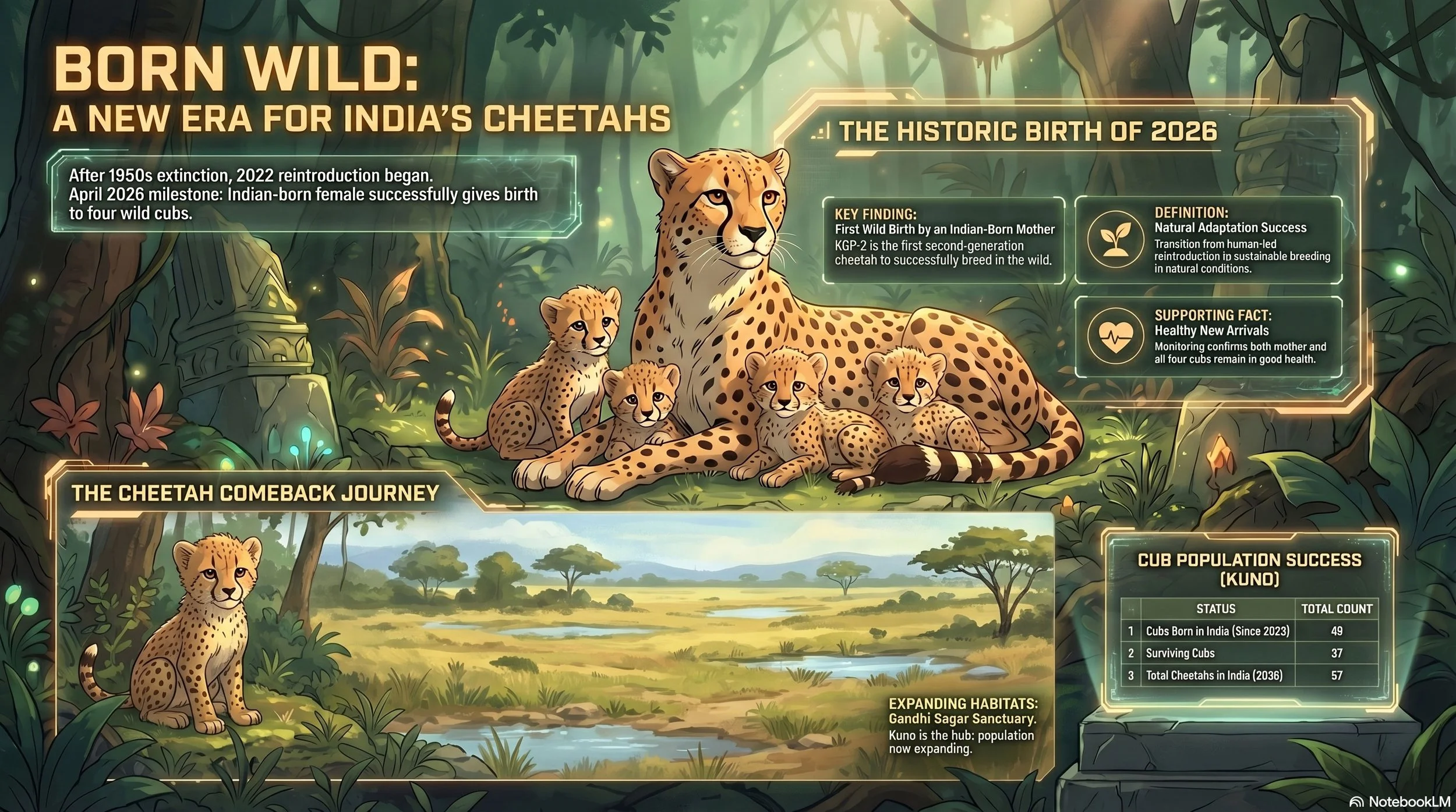
A female cheetah named KGP-2 has successfully delivered four cubs at Kuno National Park, marking a major achievement for India's wildlife restoration efforts. This event is particularly notable because the mother is a second-generation resident born in India, proving that the species can thrive and reproduce naturally in its new environment. With these new arrivals, the country’s total population of these big cats has climbed to 57 individuals across different sanctuaries. Government officials and conservationists view this milestone as evidence that the local ecosystem is capable of supporting the long-term sustainability of the species. This growth follows other recent births, signaling a transition from mere relocation to a self-sustaining biological success. Environmental leaders believe these developments solidify the region's status as a premier global hub for cheetah conservation.
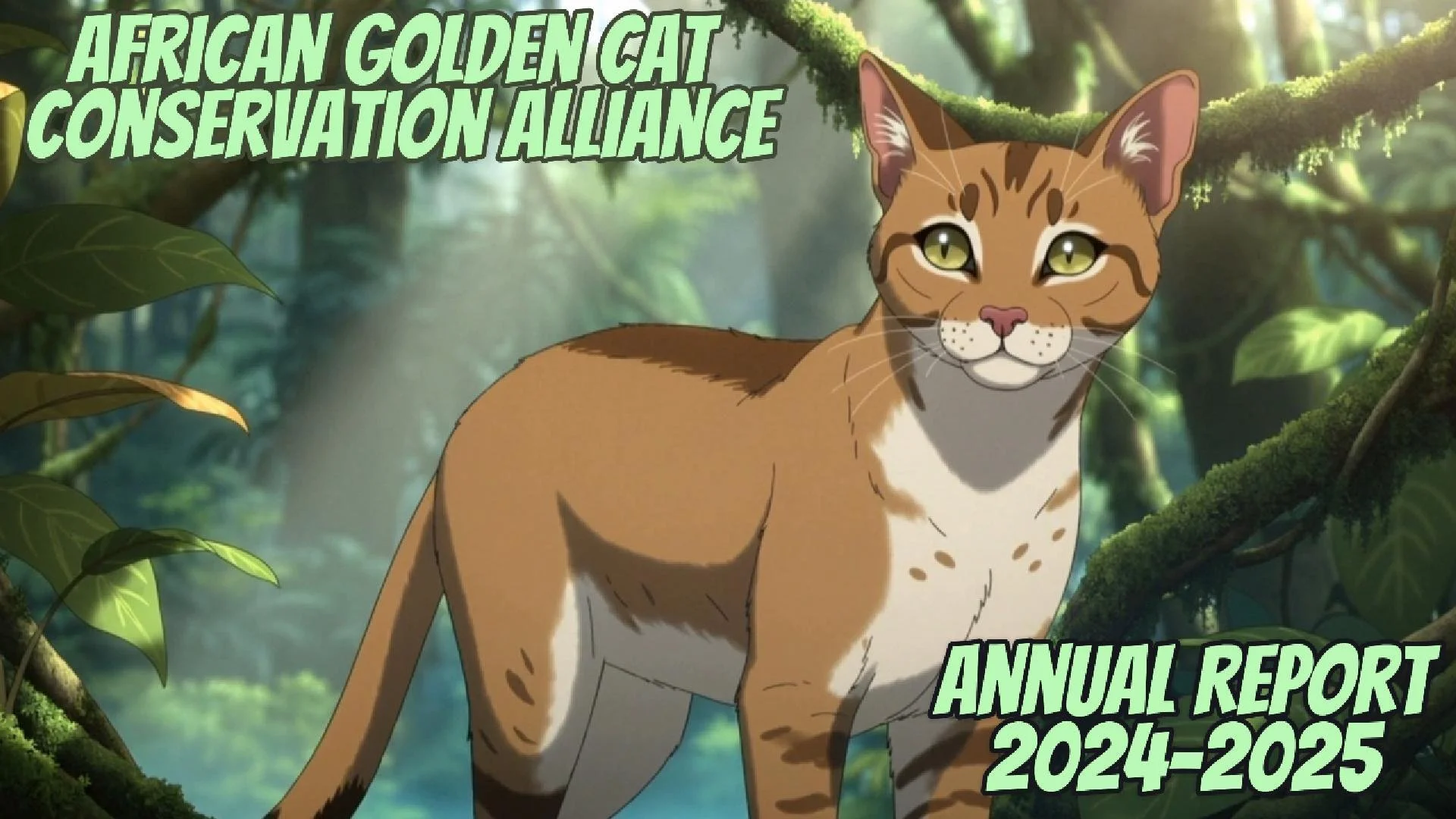
The African Golden Cat Conservation Alliance (AGCCA) 2024-2025 annual report details a comprehensive strategy to protect the vulnerable African golden cat across its tropical rainforest habitat. Spanning 19 countries, the organization utilizes a community-led approach that addresses the root causes of illegal hunting and habitat loss, such as poverty and a lack of resources. To discourage bushmeat consumption, the alliance provides local families with alternative livelihoods, including small-holder livestock farms, credit programs, and essential services like dental care. Conservation efforts also involve scientific monitoring through standardized camera trap systems to track population health and evaluate project impacts. Educational outreach to thousands of schoolchildren further fosters a culture of stewardship for this rare species. Ultimately, the report highlights how strategic partnerships and local engagement are essential for securing a future for the African golden cat.
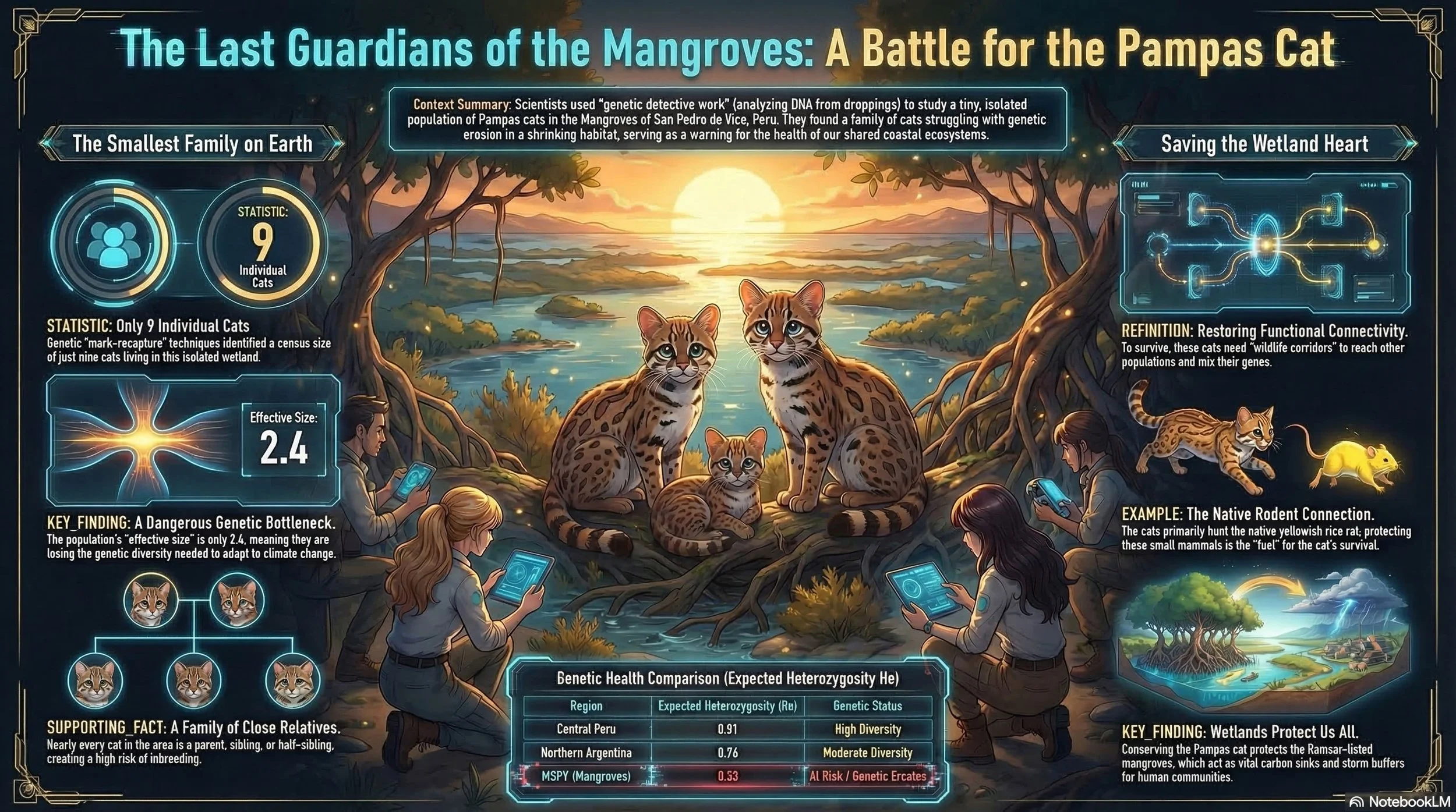
This research investigates the Pampas cat (Leopardus garleppi) population residing in the Mangroves San Pedro de Vice, a Ramsar-listed wetland in northwestern Peru. Scientists used noninvasive fecal DNA sampling between 2019 and 2021 to examine the species' genetic diversity, demographic trends, and trophic ecology. The findings reveal a critically small, kin-structured population of only nine identified individuals suffering from a recent genetic bottleneck and low effective population size. DNA metabarcoding of the samples indicates a diet primarily composed of the native yellowish rice rat, with no major dietary differences found between males and females. Ultimately, the study emphasizes that habitat restoration and functional connectivity are essential to prevent the extinction of this isolated, coastal felid population.
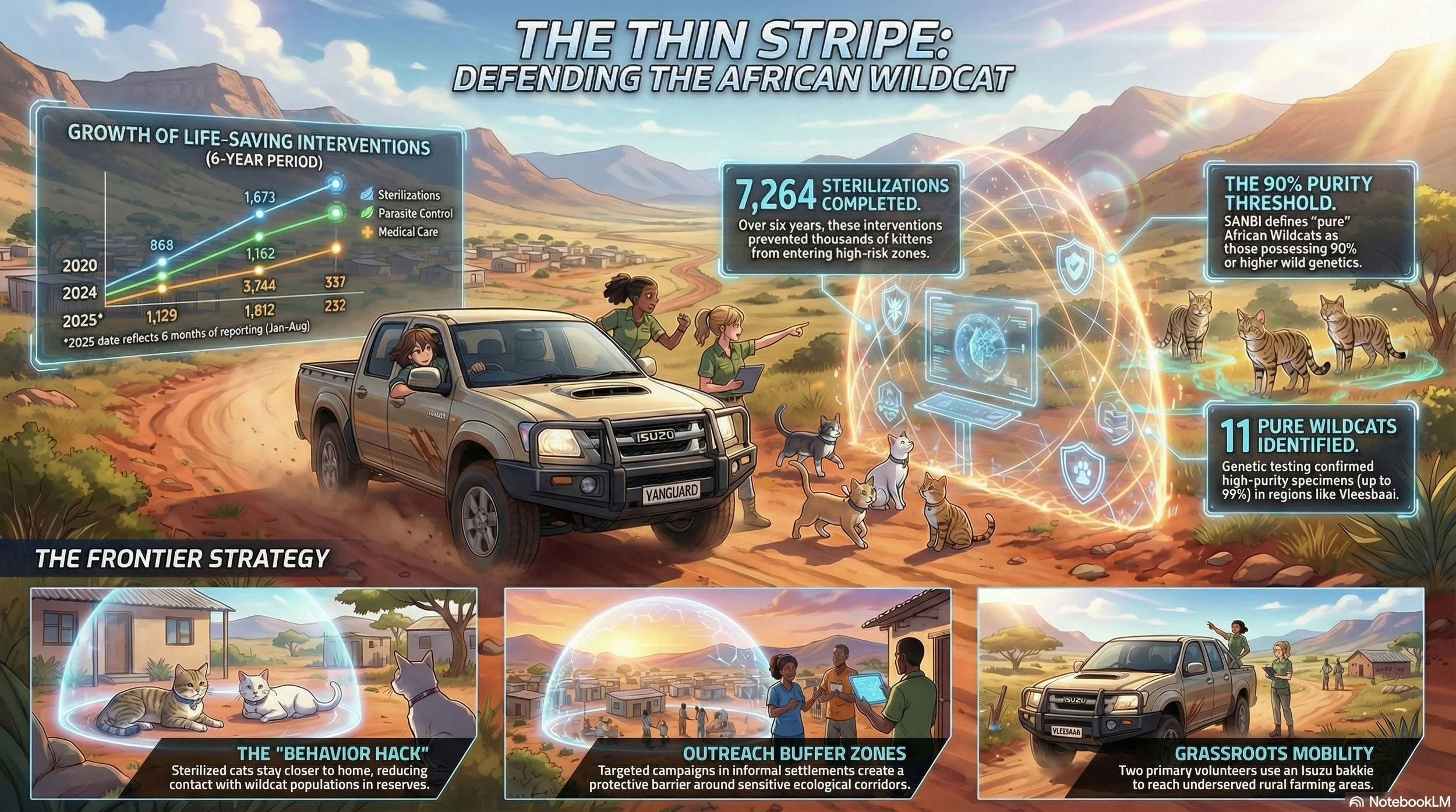
The provided reports detail the extensive operations of the Cat Assistance Team (C.A.T) across South Africa’s Garden Route from 2020 through mid-2025. This organization focuses on humane population control through mass sterilisations, medical care, and parasite treatments for feral and loosely owned cats. A primary conservation objective is protecting the endangered African Wildcat by preventing interbreeding with domestic felines in rural and urban fringes. To ensure the genetic purity of wild species, the team conducts DNA testing and focuses on trapping efforts in high-risk buffer zones. Despite facing operational capacity limits and logistical hurdles in remote areas, C.A.T. collaborates with various veterinary partners to improve community animal health. Their strategy combines direct veterinary intervention with educational outreach to stabilize cat populations and foster better animal welfare in marginalized settlements.
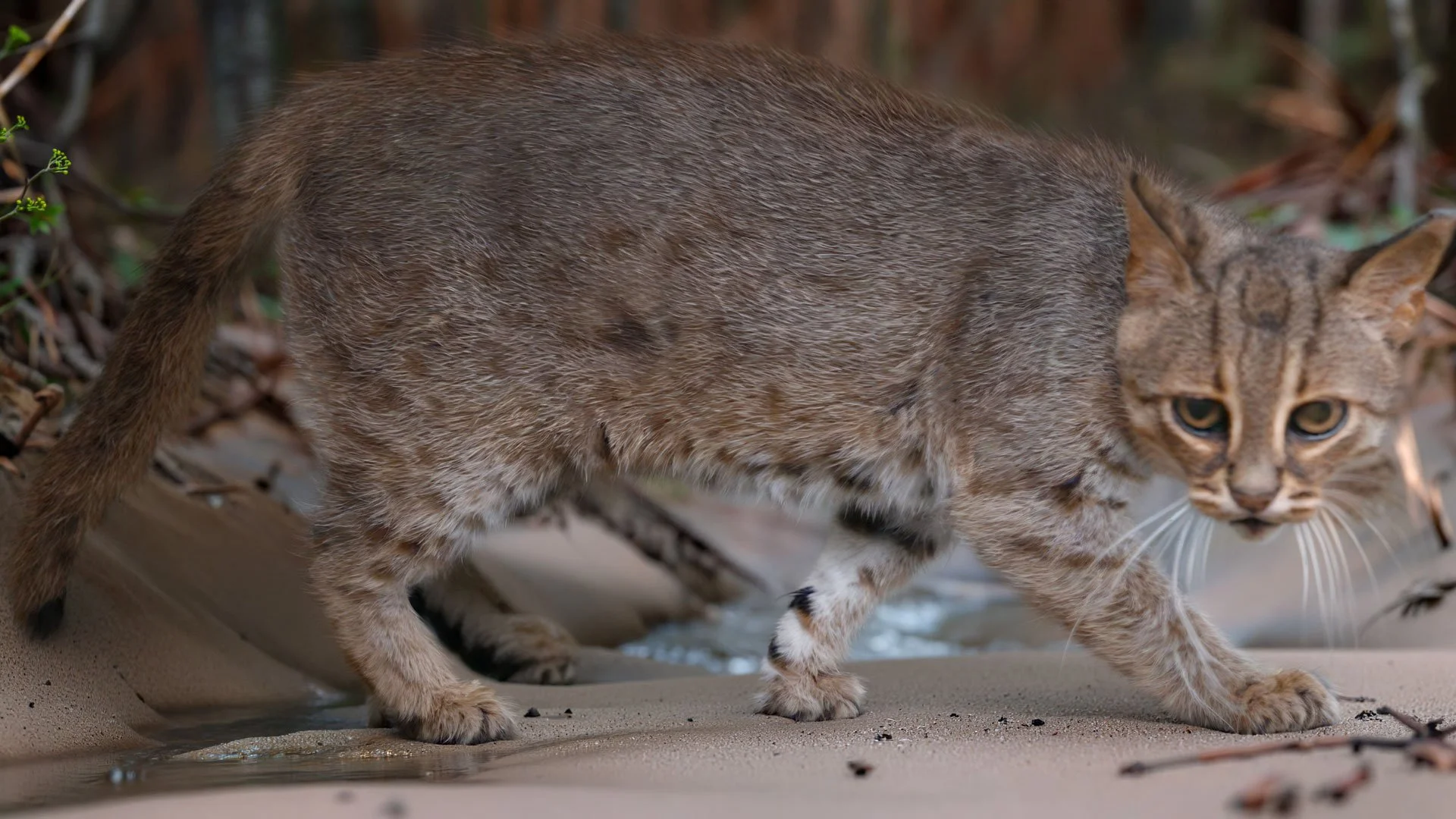
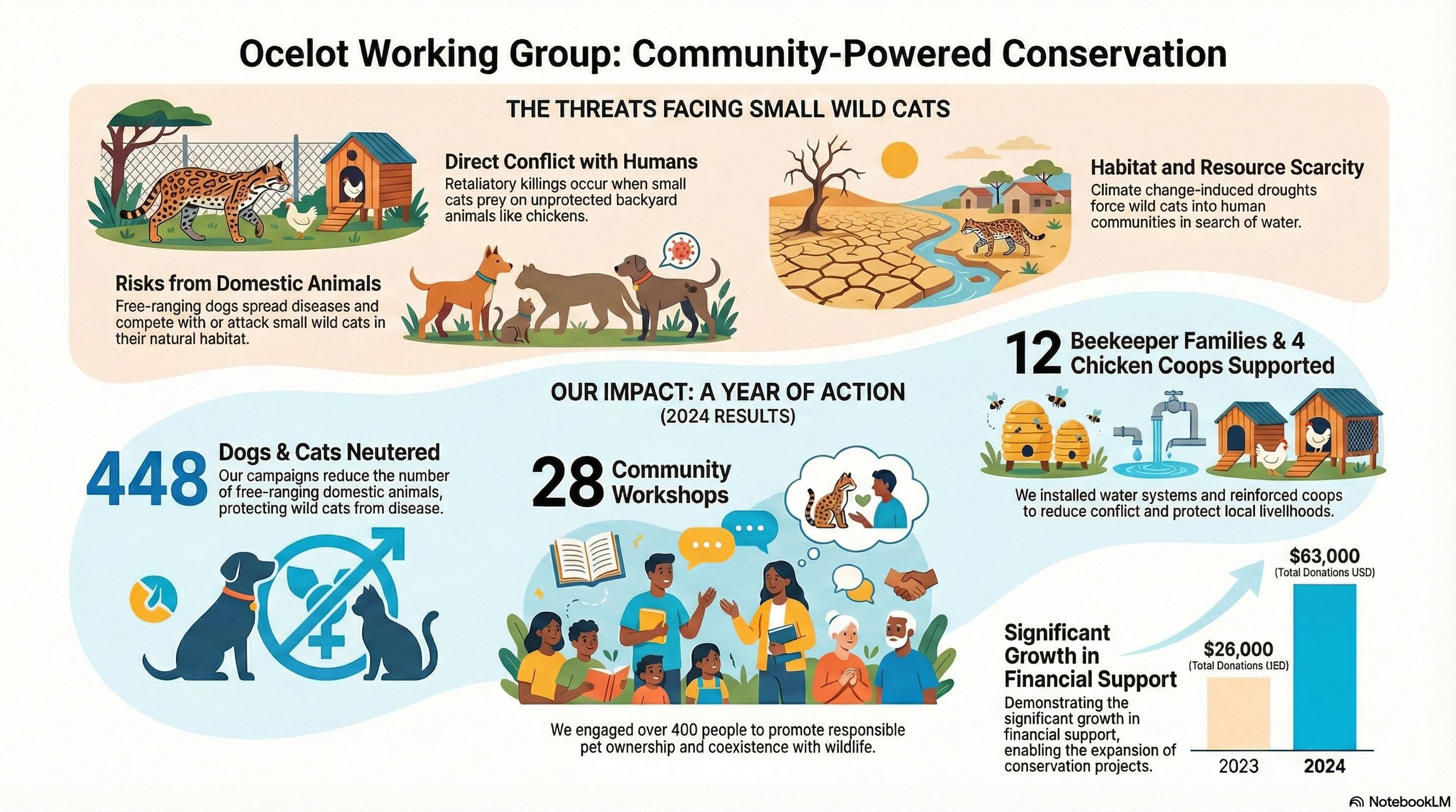
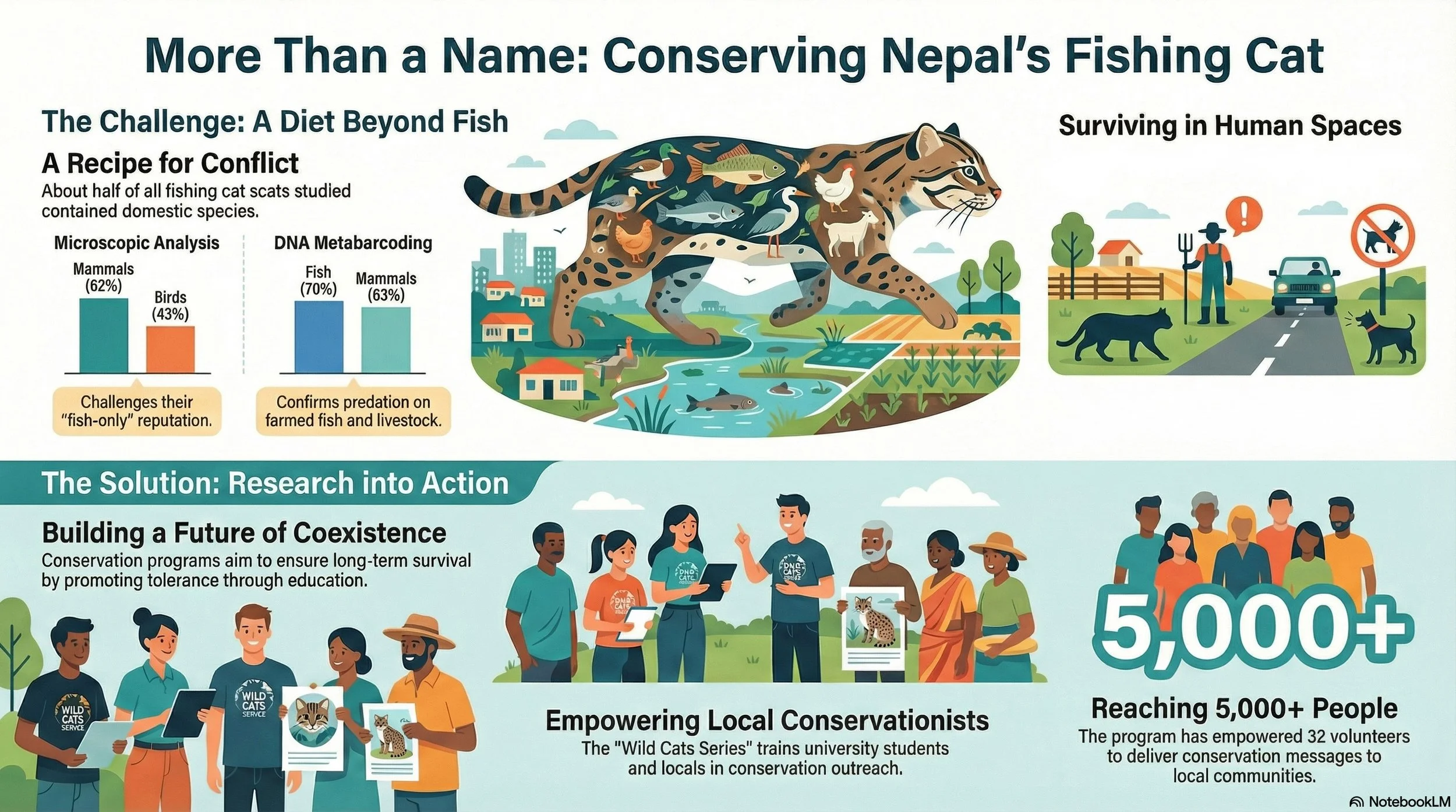
This report highlights several community-focused initiatives designed to protect endangered small wild cats by improving local livelihoods. In Uganda and India, conservation groups are helping residents transition from forest exploitation to sustainable beekeeping, organic gardening, and animal husbandry. Similar efforts in Nepal provide greenhouses to high-altitude villages, where residents protect clouded leopards in exchange for food security. The text also celebrates the creation of International Rusty-Spotted Cat Day to foster global awareness for the world's smallest feline. Finally, it recognizes the Fundación Con Garra in Chile for their successful campaign to reduce wildlife-vehicle collisions. Together, these accounts demonstrate that protecting biodiversity is most effective when it is paired with economic empowerment and cultural respect.

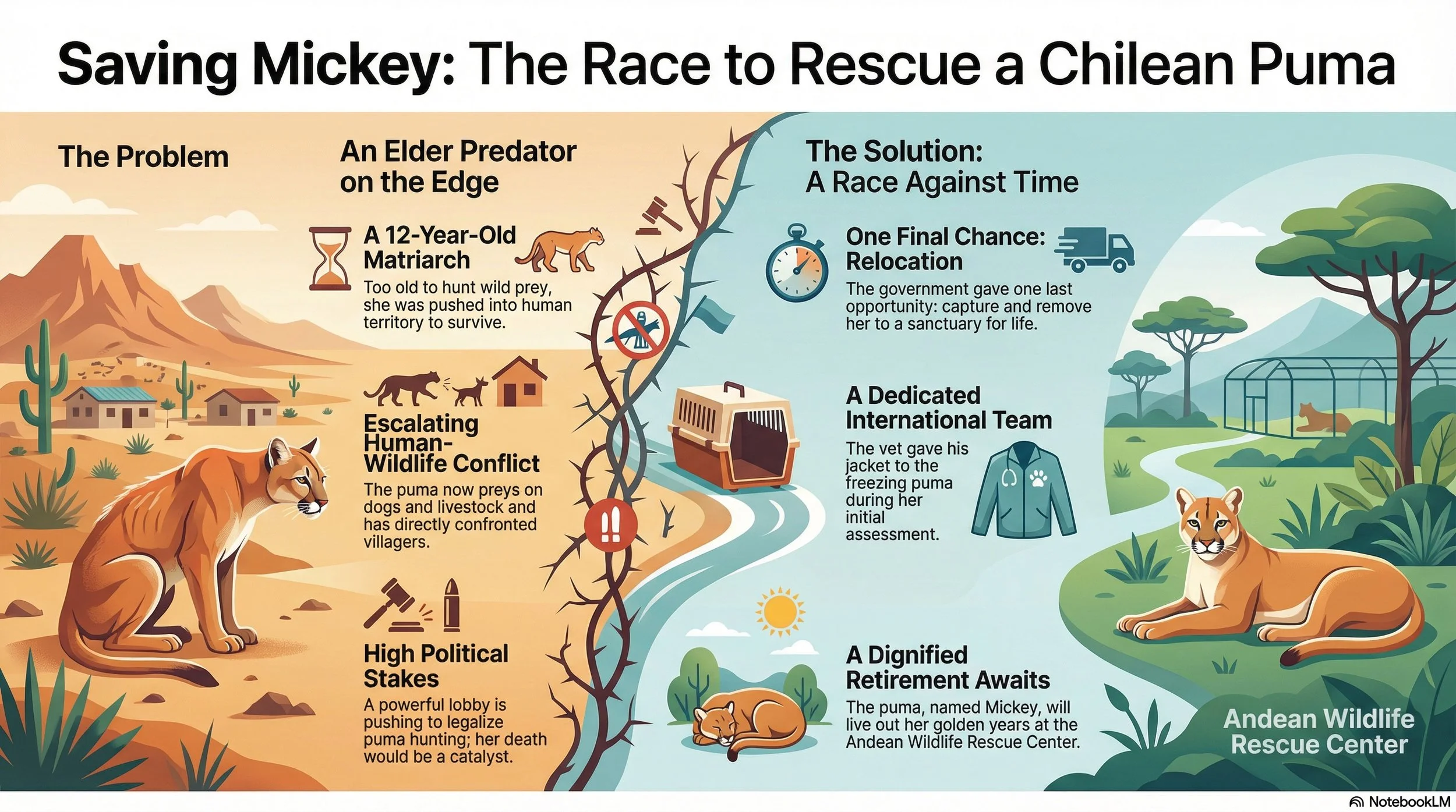
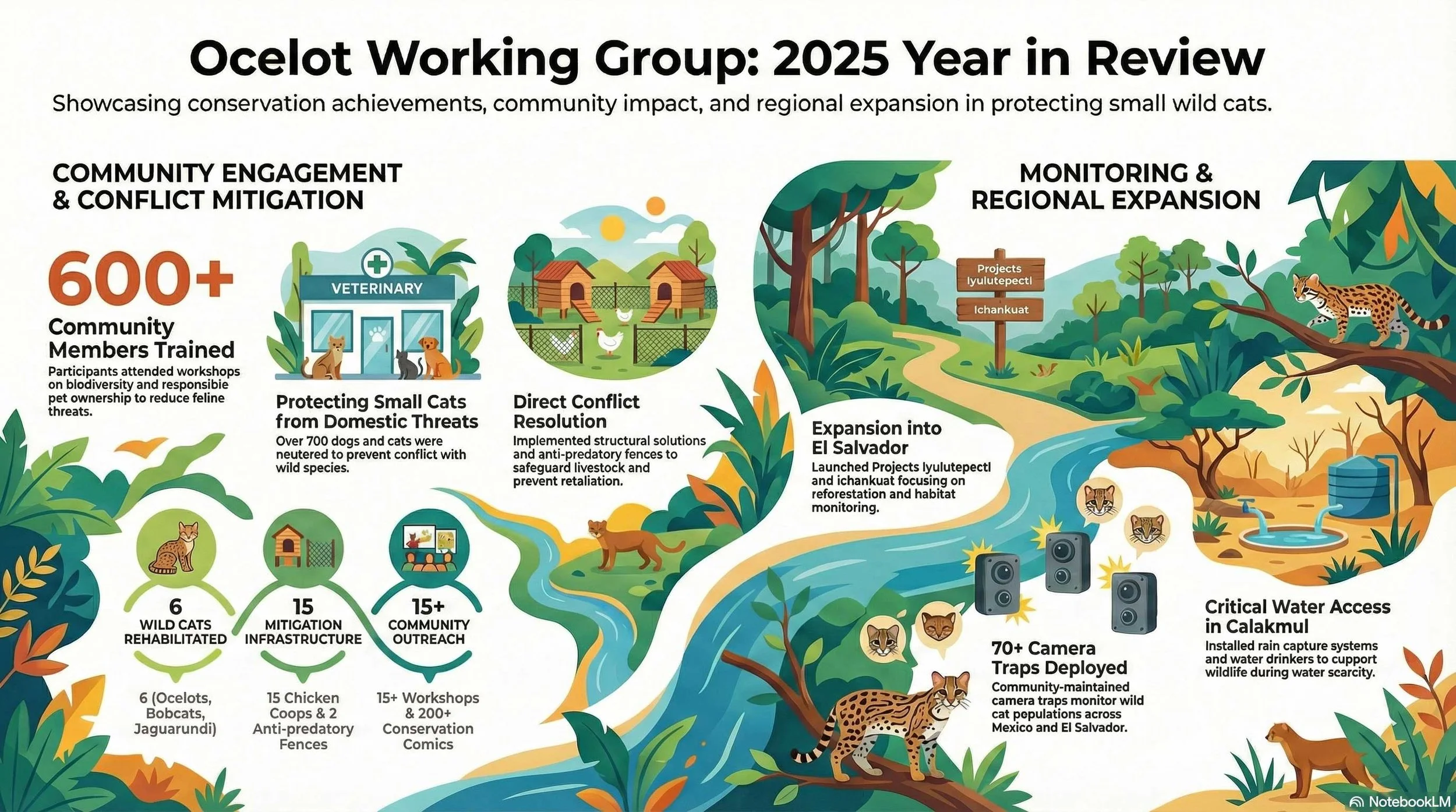
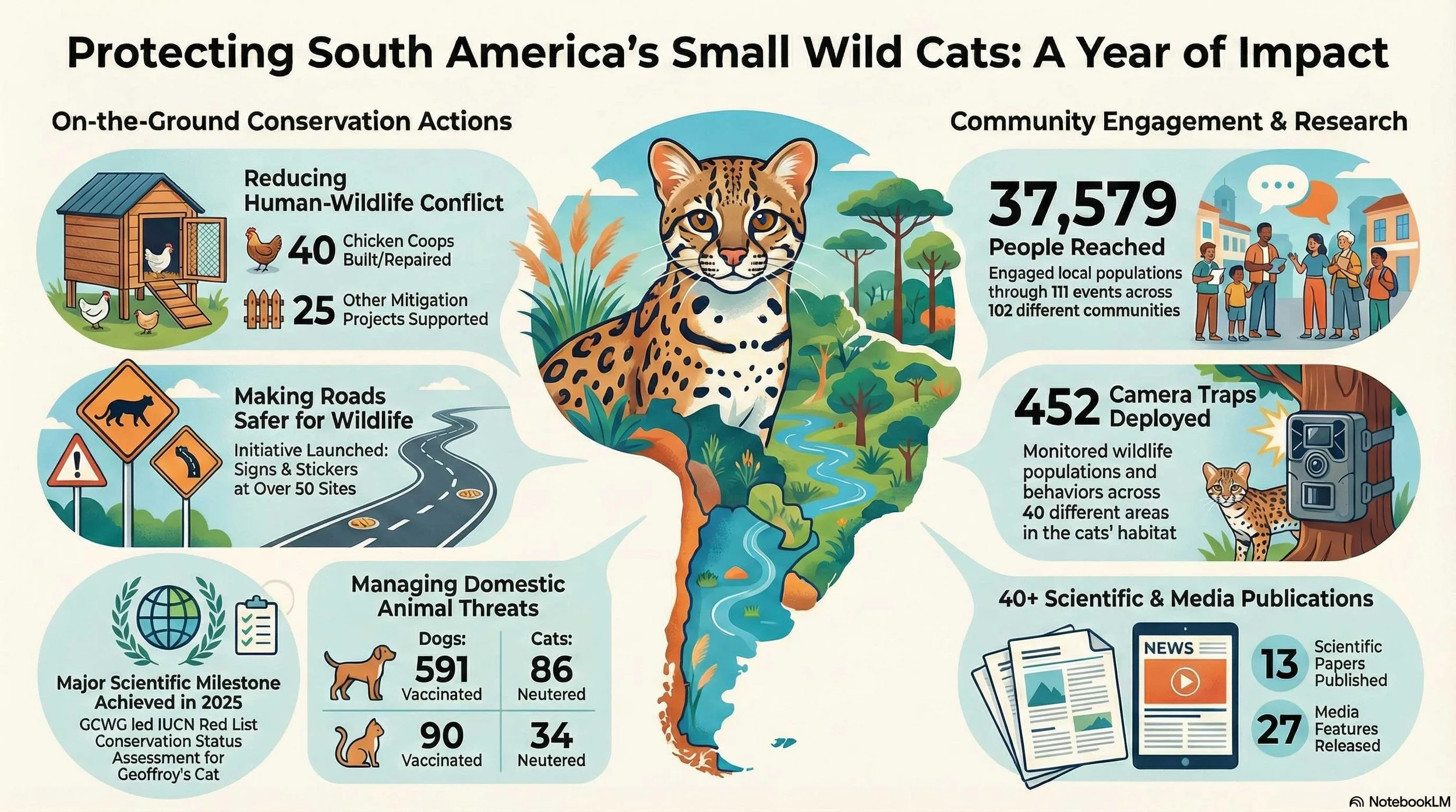
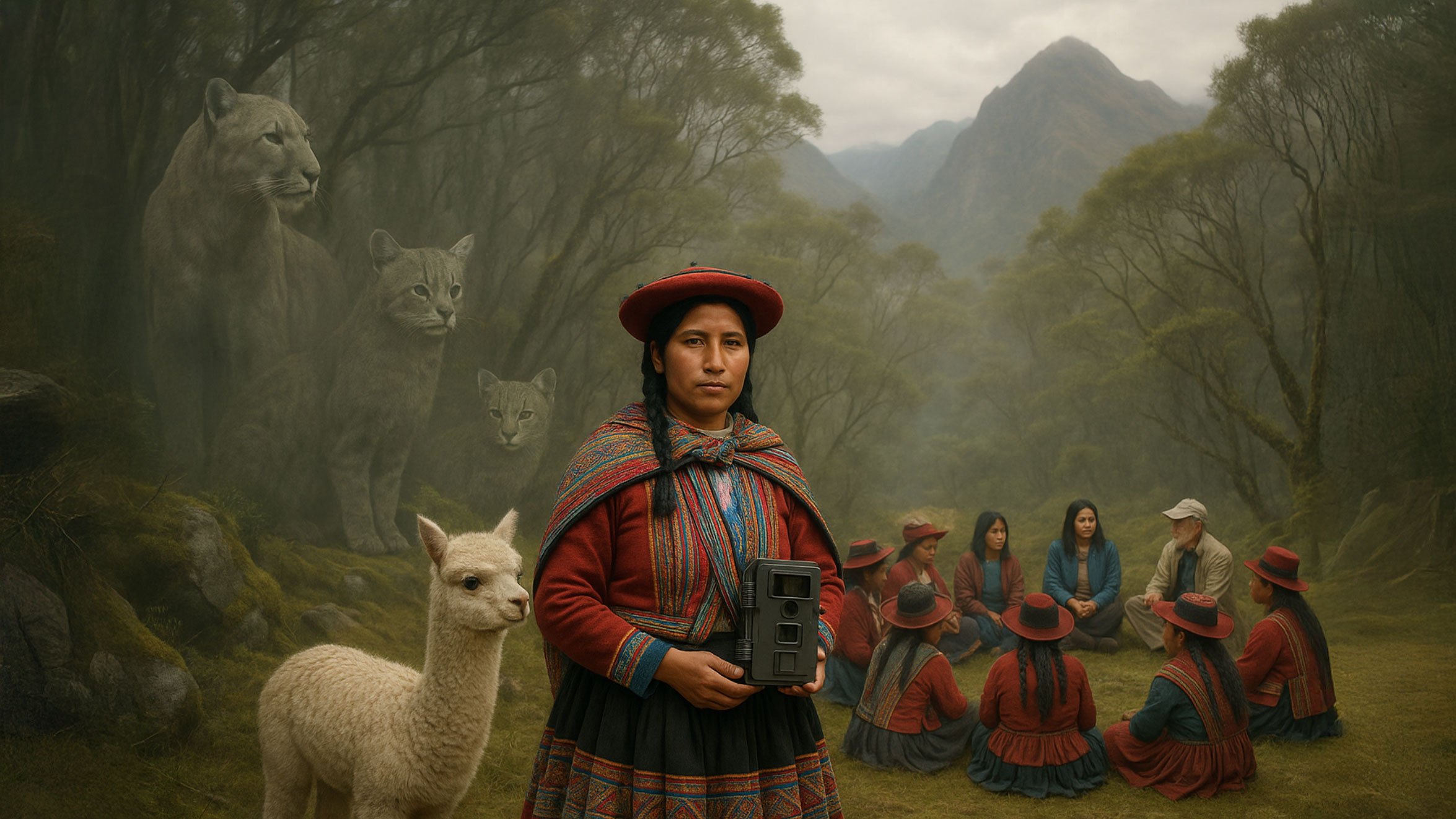

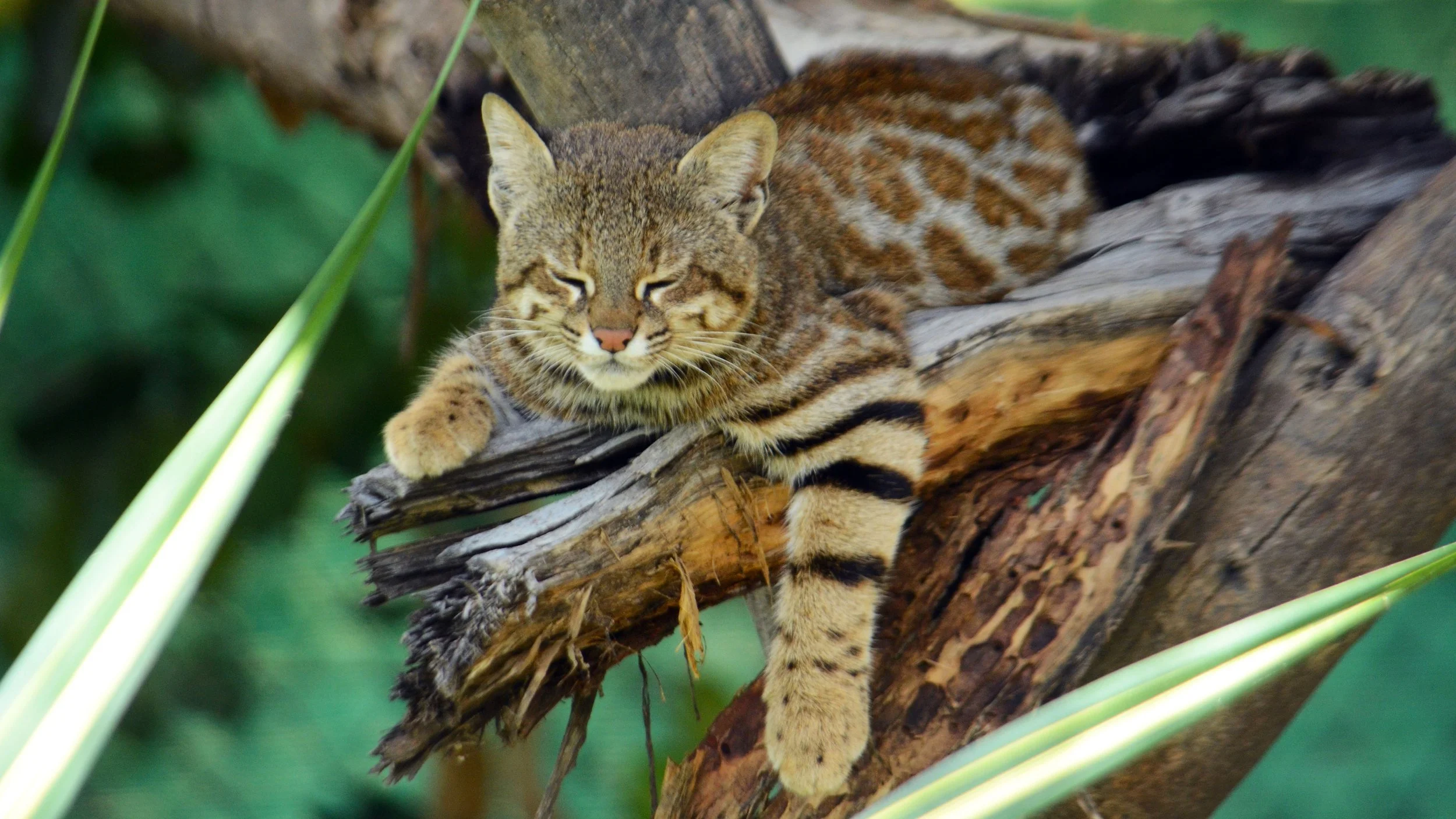
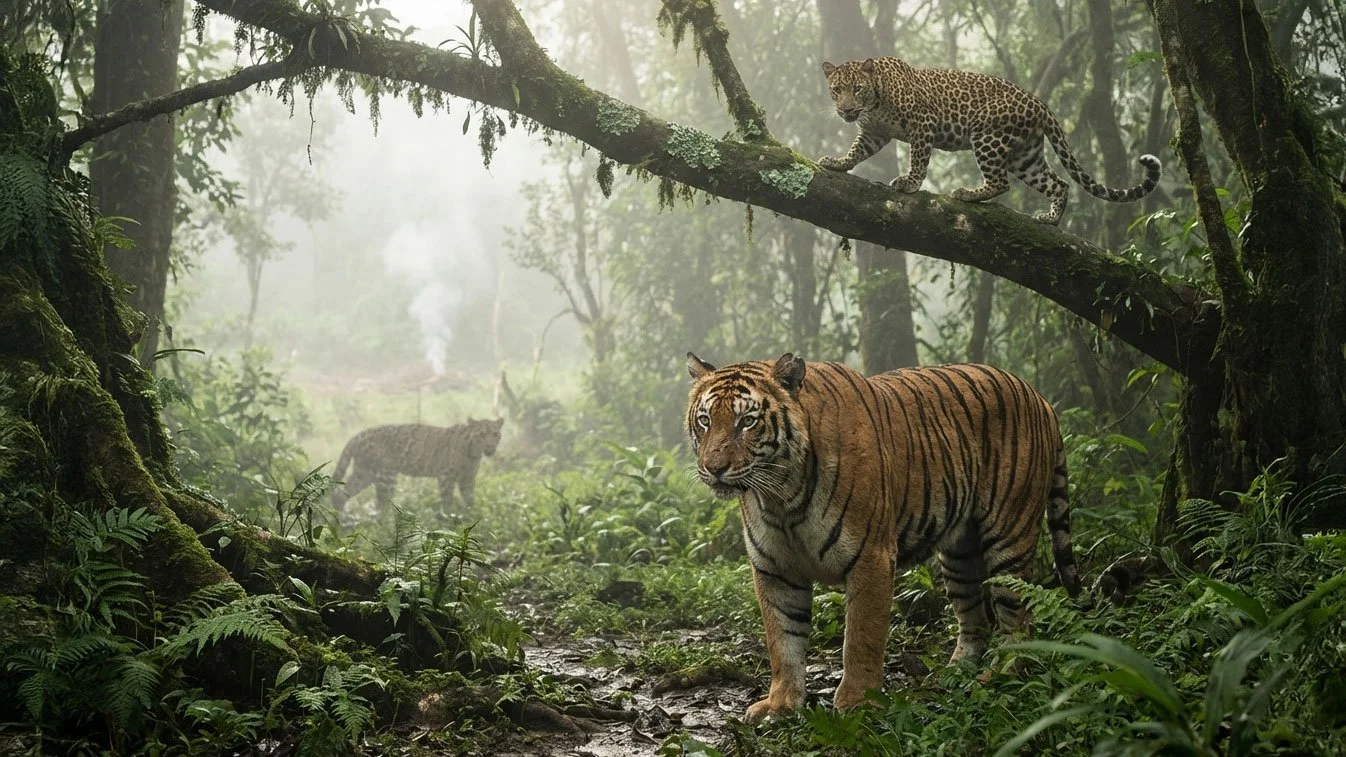
Myanmar's Big Cats Face Extinction: Only 22 Tigers Remain in Survey. Only 22 tigers remain in Myanmar protected areas. UMass research reveals urgent need to save Bengal tigers, Indochinese leopards, and clouded leopards from extinction.
Big Cat Rescue helps fund the conservation of Marbled Cats in the wild.